ArticleSuperJoost
Playtime is Over, Apparently: Games Are an Antidote, Not an Addiction
9 Sept 2021~10 min full read
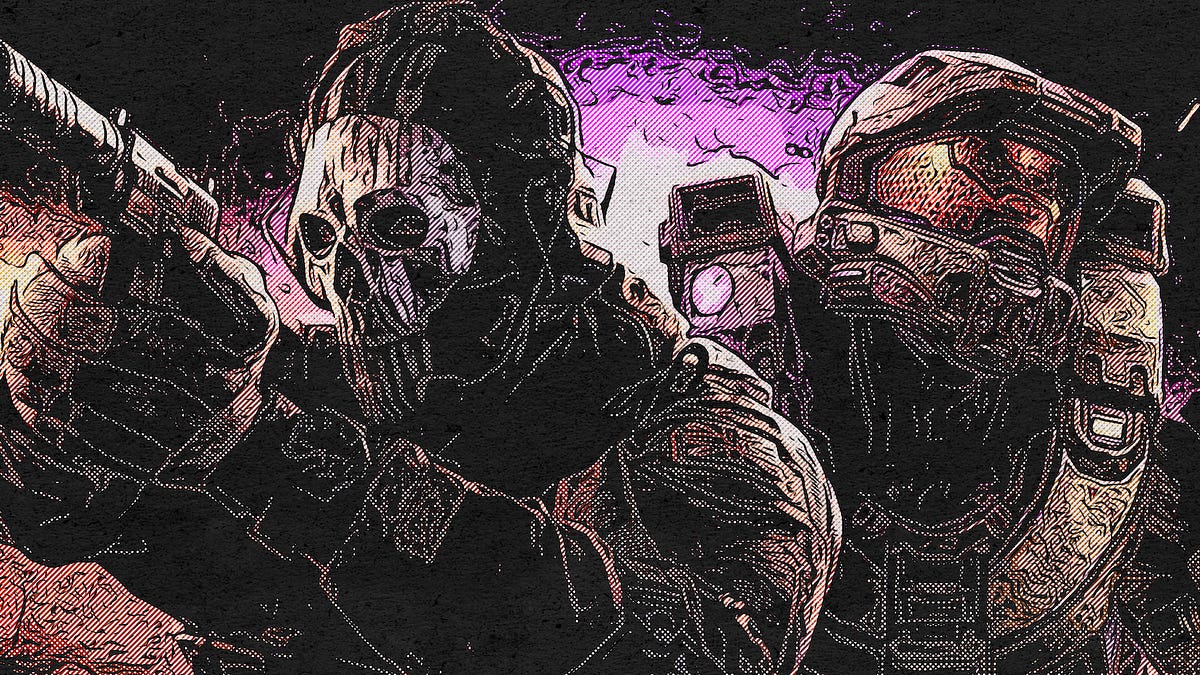
This analysis examines the shifting cultural and regulatory landscape of the global video game industry, specifically challenging the narrative that gaming is a harmful addiction. The central thesis posits that interactive entertainment serves as a vital social and intellectual antidote to modern stressors, providing a sense of agency and community that traditional institutions and media no longer offer. By comparing the rise of gaming to historical shifts like the invention of the printing press, the author argues that play is a foundational component of critical thought and social progress.
The scope of the discussion is global, with specific focus on regulatory developments in China and South Korea during the 2021 period. Key data points include the Chinese government’s 2021 restriction limiting minors to three hours of online play per week—a significant reduction from the previous 13.5-hour allowance. In contrast, the analysis highlights South Korea’s progressive stance as the first country to ban app store restrictions on third-party payments, a move expected to redistribute capital toward developers and away from the "Big Tech" duopoly of Apple and Google.
Industry segments covered include mobile gaming, esports, and emerging technologies like blockchain and co-creative platforms such as Roblox. Financial findings note a cooling appetite for gaming SPACs, evidenced by Jam City’s pivot to a $350 million private raise after canceling its $1.2 billion valuation. Additional market data tracks the growth of hardware sales, such as GameStop’s 38% year-over-year increase, and the aggressive acquisition strategies of firms like Playtika. The methodology relies on qualitative industry analysis and the synthesis of contemporary financial reports and regulatory news to frame gaming as a critical cultural evolution rather than a public health crisis.
SuperJoost · 2026

SuperJoost · 2026
SuperJoost · 2026
SuperJoost · 2026
SuperJoost · 2026
SuperJoost · 2026
SuperJoost · 2026

SuperJoost · 2026
SuperJoost · 2026
SuperJoost · 2026
SuperJoost · 2026
SuperJoost · 2026
Newzoo · 2022
SuperData · 2020
Competition · 2026
Niko Partners · 2026
Bryter · 2026

Almedia · 2026
GameAnalytics · 2026
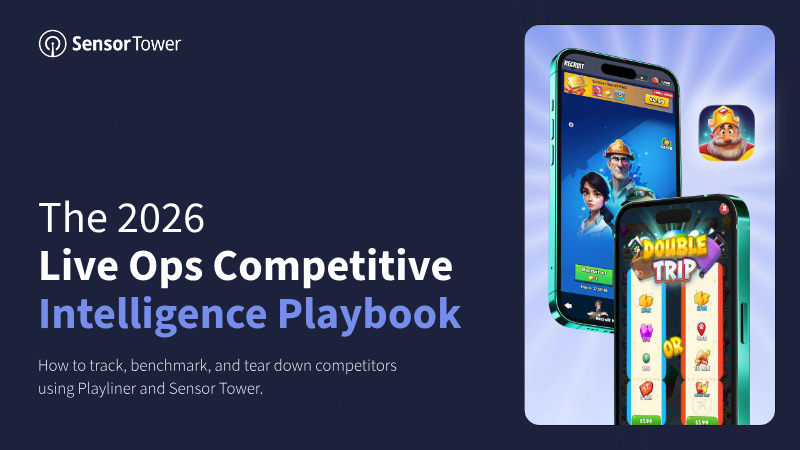
Sensor Tower · 2026

Sensor Tower · 2026
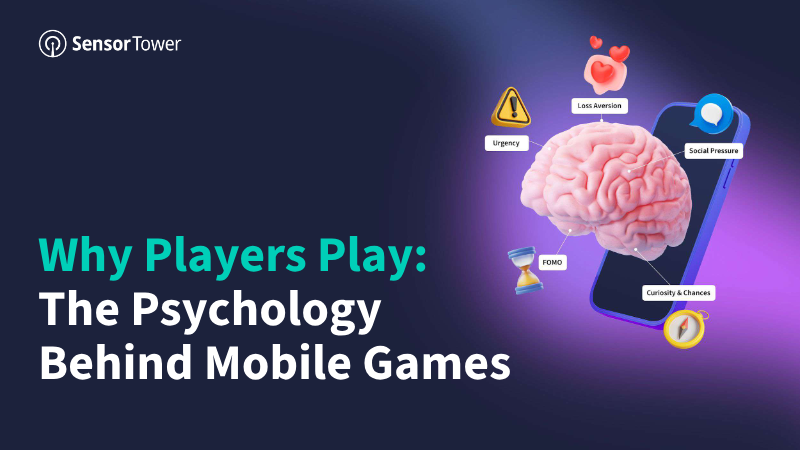
Sensor Tower · 2026
GamesBeat · 2026
AppLovin · 2026