
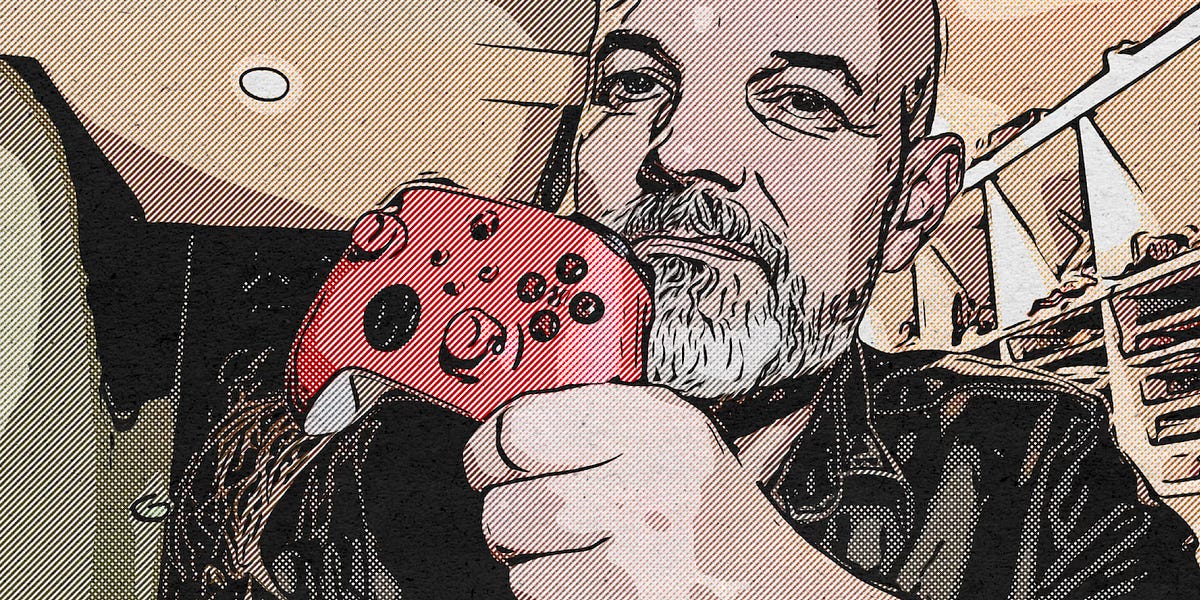
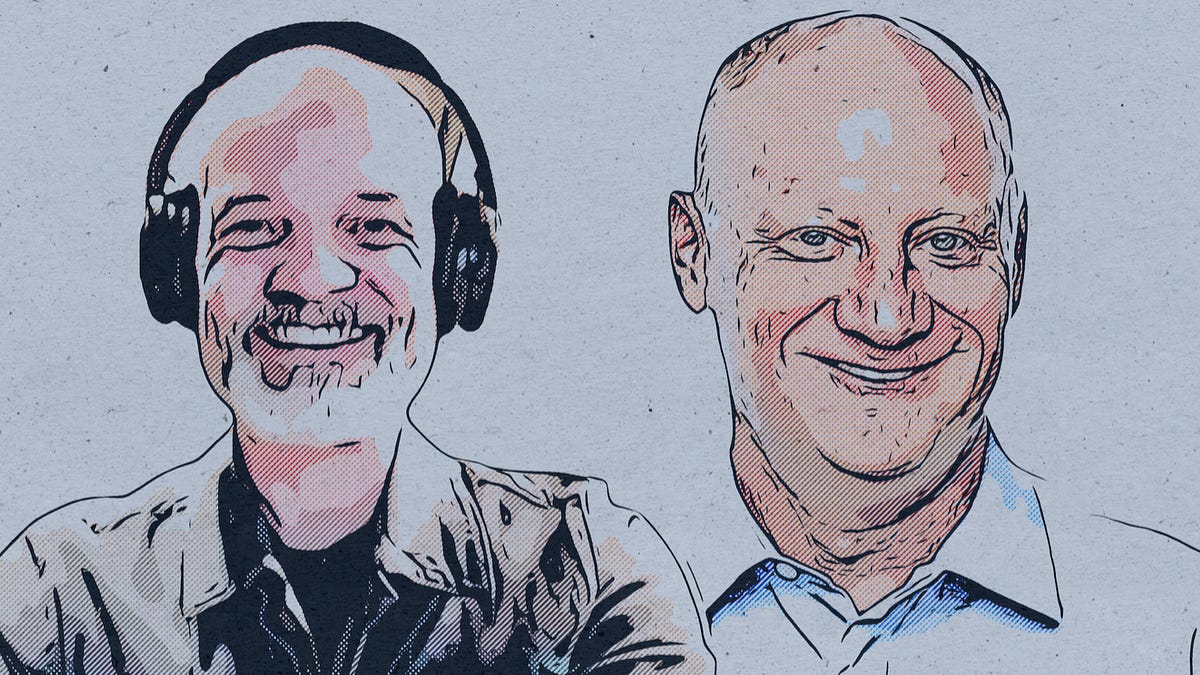
The recent leadership reorganization at Sony Interactive Entertainment (SIE) signals a strategic pivot toward clear, agile decision-making as the company navigates a shifting global gaming landscape. By appointing Hideaki Nishino as sole CEO while maintaining Hermen Hulst as the creative lead for content and IP expansion, Sony is bifurcating its operations to address technical platform complexity and cross-media storytelling simultaneously. This structure aligns with Sony’s "Creation Shift" strategy, which leverages gaming intellectual property as the foundational asset for the broader Sony entertainment ecosystem, including film and television.
The analysis highlights a broader industry trend where technological horsepower is no longer the primary driver of growth. This is evidenced by the success of resource-constrained Chinese developers, such as Game Science, which produced the blockbuster Black Myth: Wukong on a modest $70 million budget. Furthermore, the rise of the Chinese AI startup DeepSeek demonstrates that innovation can thrive under capital and infrastructure constraints, challenging the conventional wisdom that massive investment is a prerequisite for advancement.
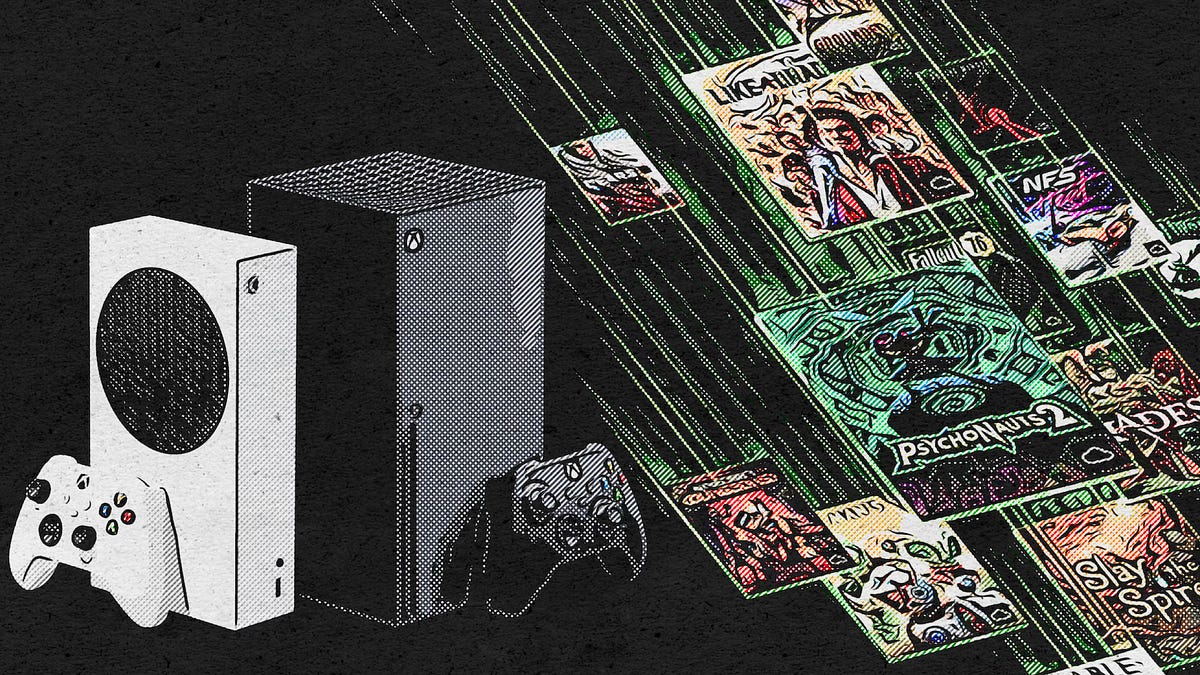
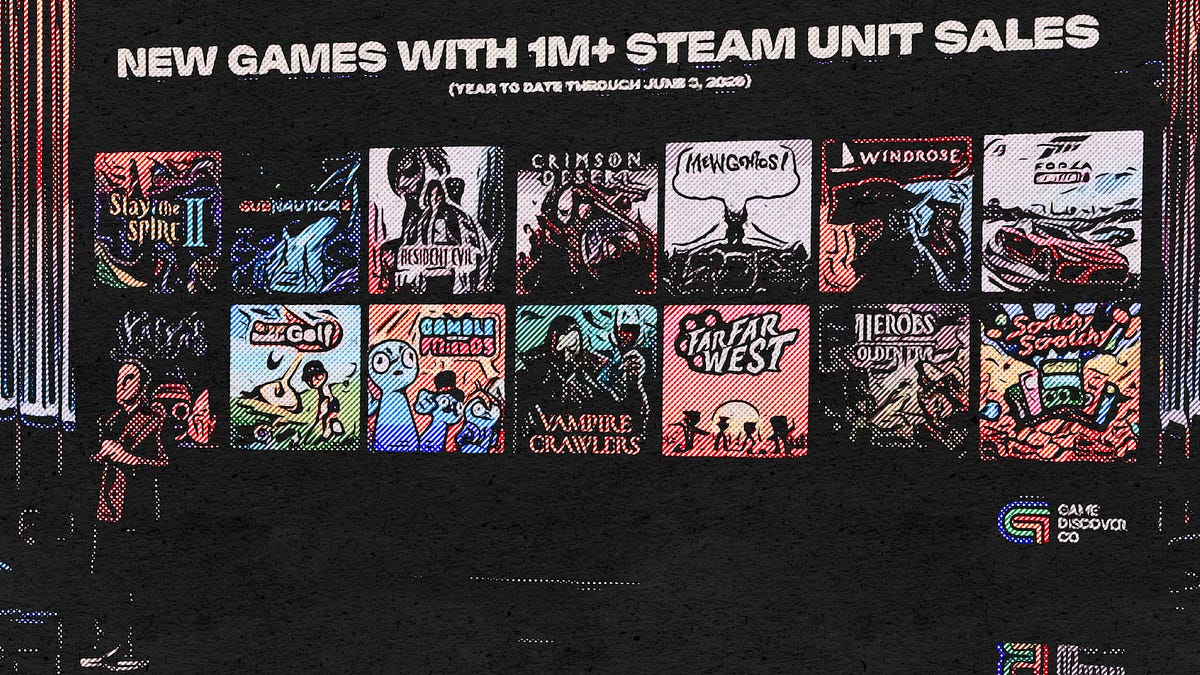
Geographically, the findings emphasize China’s role as a stabilizing force in the global market, with Chinese spending on premium Steam titles quadrupling in 2024. Regarding industry segments, the console market faces structural shifts, leading to executive reshuffling across major players like Sony and Microsoft. Additional analysis of market trends suggests that while major titles like Grand Theft Auto 6 may break the $70 price barrier due to inflation and high demand, younger audiences are increasingly prioritizing gameplay and social interaction over high-fidelity graphics, as seen in the high retention rates of low-specification titles on the Nintendo Switch. This shift suggests that the future of the industry lies in cross-media integration and creative innovation rather than raw technical specs.
SuperJoost · 2026

SuperJoost · 2026
SuperJoost · 2026
SuperJoost · 2026
SuperJoost · 2026
SuperJoost · 2026
SuperJoost · 2026

SuperJoost · 2026
SuperJoost · 2026
SuperJoost · 2026
SuperJoost · 2026
SuperJoost · 2026
Konvoy · 2024
Ubisoft · 2026

Sensor Tower · 2026
SocialPeta · 2026
GDC · 2026
Newzoo · 2026
BITKRAFT Ventures · 2026
Raptive · 2026

InvestGame · 2026
Newzoo · 2026
Aream & Co · 2026
Take-Two Interactive · 2026