
ArticleSuperJoost
Introducing Aldora: A Few Thoughts on Games as a Platform
5 Sept 2024~6 min full read
The gaming industry is undergoing a fundamental structural transformation, moving away from traditional product-based sales and service-oriented engagement toward a model defined as games-as-a-platform. This evolution reflects a broader societal shift where online environments have become normalized hubs for meaningful human interaction. While the industry previously transitioned from physical units to digital services measured by active users and conversion rates, the current era demands a more complex understanding of digital behavior. In this new landscape, play serves merely as a starting point for a variety of social and economic activities within shared digital spaces.
Market dynamics have shifted significantly over the past fifteen years, resulting in a polarized ecosystem consisting of massive multi-billion-dollar platforms and small indie developers. Mid-sized studios face increasing pressure as platform holders transition into rent-seeking roles. Simultaneously, non-endemic brands such as the New York Times, LEGO, and Disney are aggressively integrating into interactive environments to offset declines in traditional media like news and television. These firms view interactive entertainment as a vital new relationship model for brand-audience connection, exemplified by major investments in user-generated content and cross-media flywheels.
The analytical framework required to navigate this environment must expand beyond tracking consumer spending to mapping a broader spectrum of digital behaviors, specifically play, watch, connect, create, and spend. This methodology addresses the intersection of physical and digital entertainment, accounting for new discovery channels and the rise of spatial computing. As the industry moves toward 2025, success is increasingly determined by a company's ability to foster deep community connections and leverage recognizable intellectual property across multiple interactive and social touchpoints.
SuperJoost · 2026

SuperJoost · 2026
SuperJoost · 2026
SuperJoost · 2026
SuperJoost · 2026
SuperJoost · 2026
SuperJoost · 2026

SuperJoost · 2026
SuperJoost · 2026
SuperJoost · 2026
SuperJoost · 2026
SuperJoost · 2026

Almedia · 2026
Gamesight · 2026
Sensor Tower · 2026

Sensor Tower · 2026

AppLovin · 2026

Sensor Tower · 2026
Newzoo · 2026
Modern Times Group · 2026
InvestGame · 2026
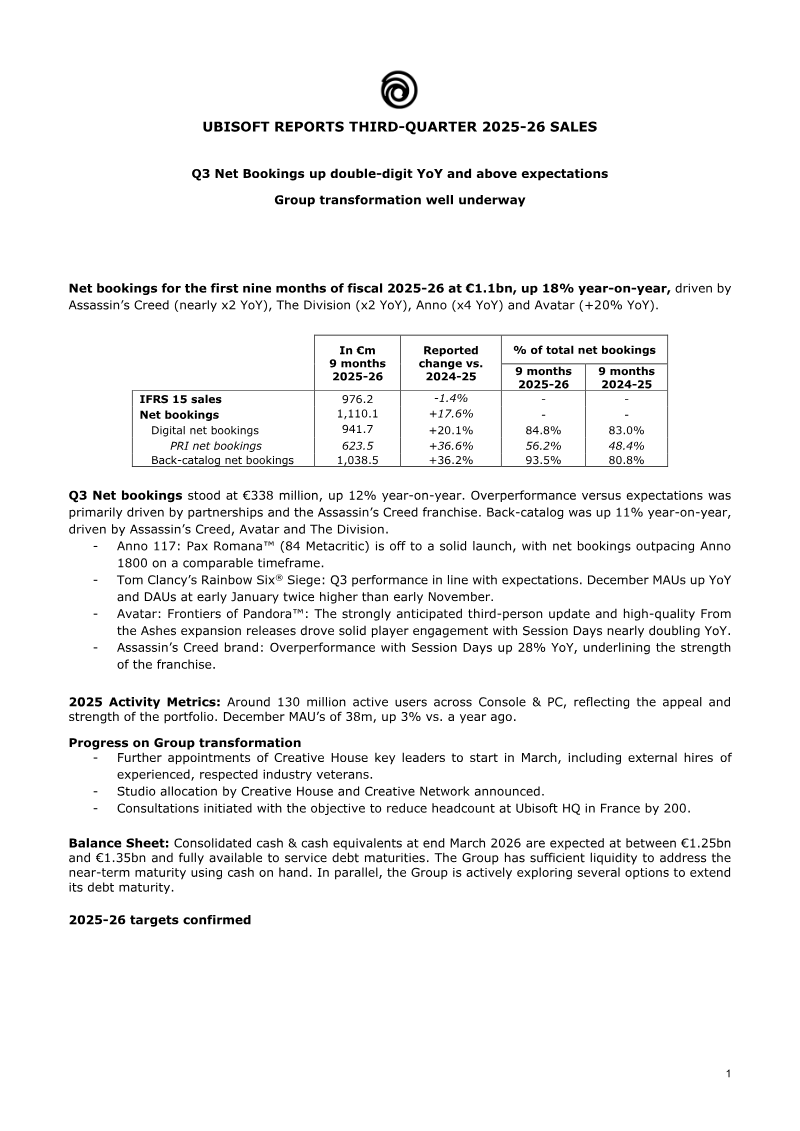
Ubisoft · 2026
AppMagic · 2026
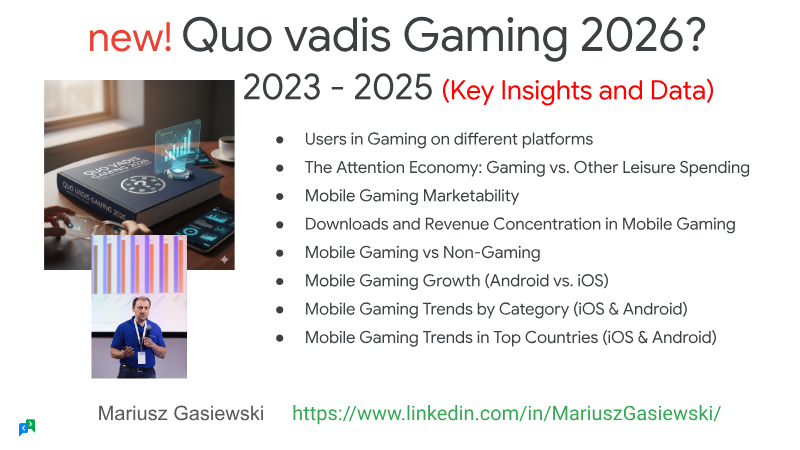
InvestGame · 2026