ArticleSuperJoost
Immersion Interrupted: Straddling the Space Between the Real and the Virtual
30 May 2024~8 min full read
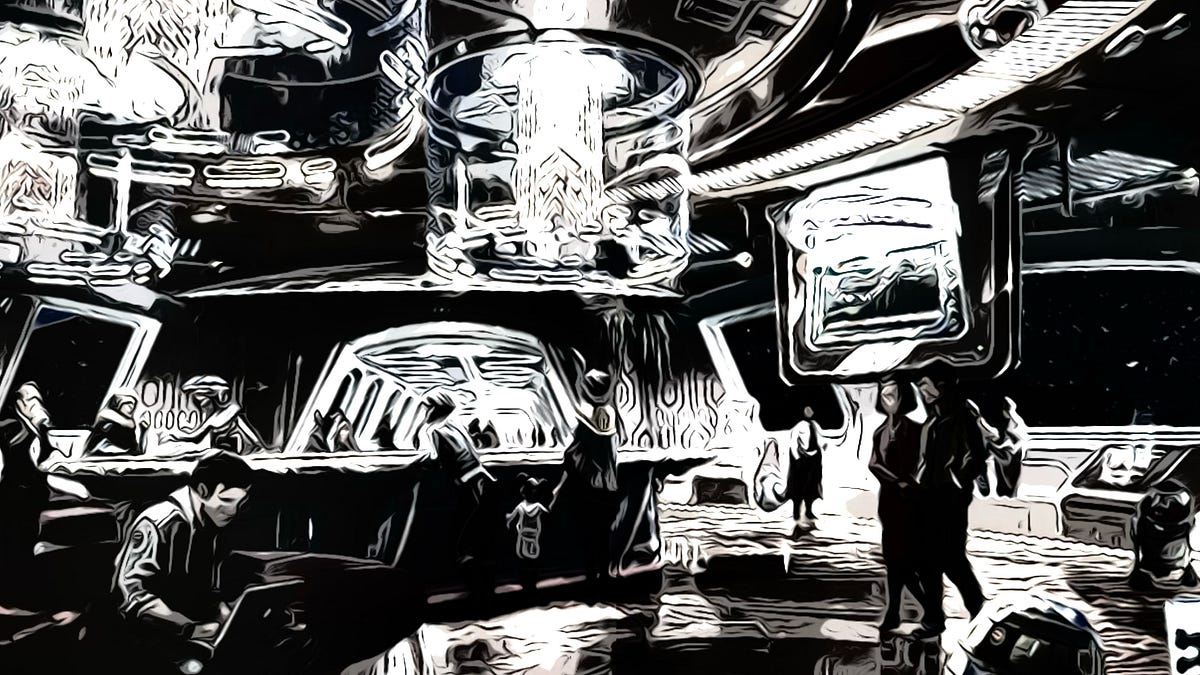
The intersection of physical entertainment and digital interactivity presents significant challenges for traditional media giants, as evidenced by the commercial failure of Disney’s Star Wars: Galactic Starcruiser. Despite leveraging a premier global brand, the experience shuttered within eighteen months due to a misalignment between its high cost—ranging from $4,800 to $6,000—and the quality of its interactive elements. Analysis suggests that while Disney excels at hospitality and performance, it struggled with game design, specifically citing buggy mobile applications, repetitive mechanics, and a lack of meaningful narrative agency that ultimately broke guest immersion. This failure underscores a broader industry trend where established entertainment firms are increasingly relying on partnerships, such as Disney’s $1.5 billion investment in Epic Games, to bridge the gap between traditional storytelling and sophisticated world-building software.
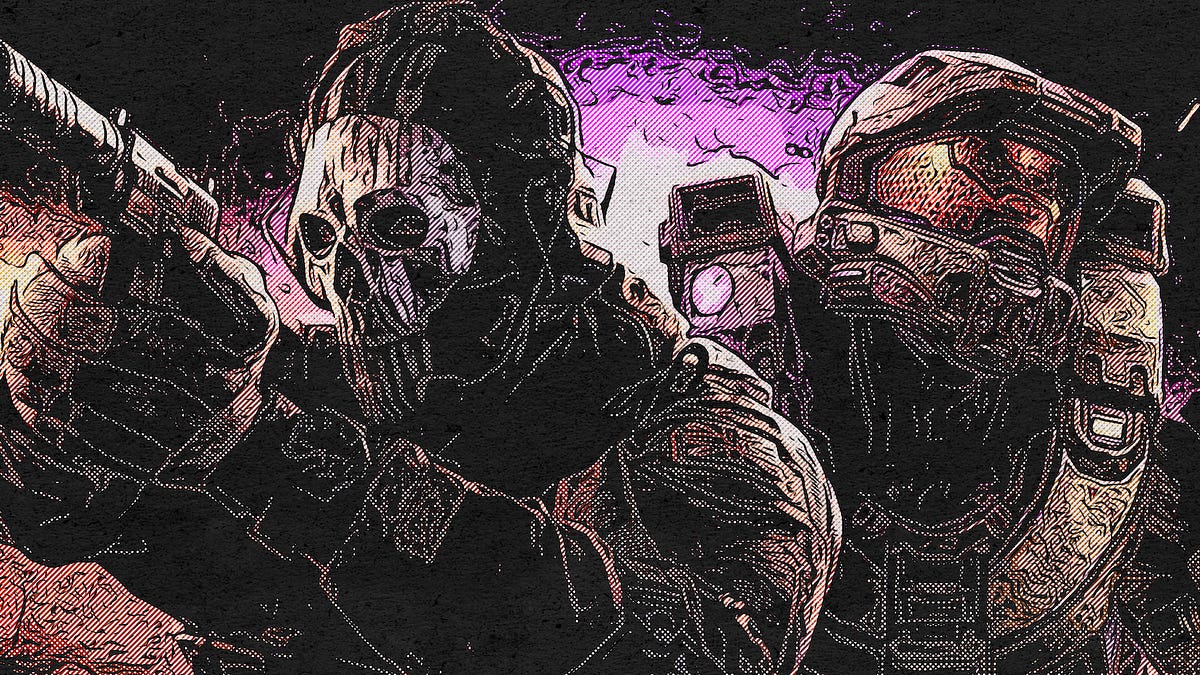
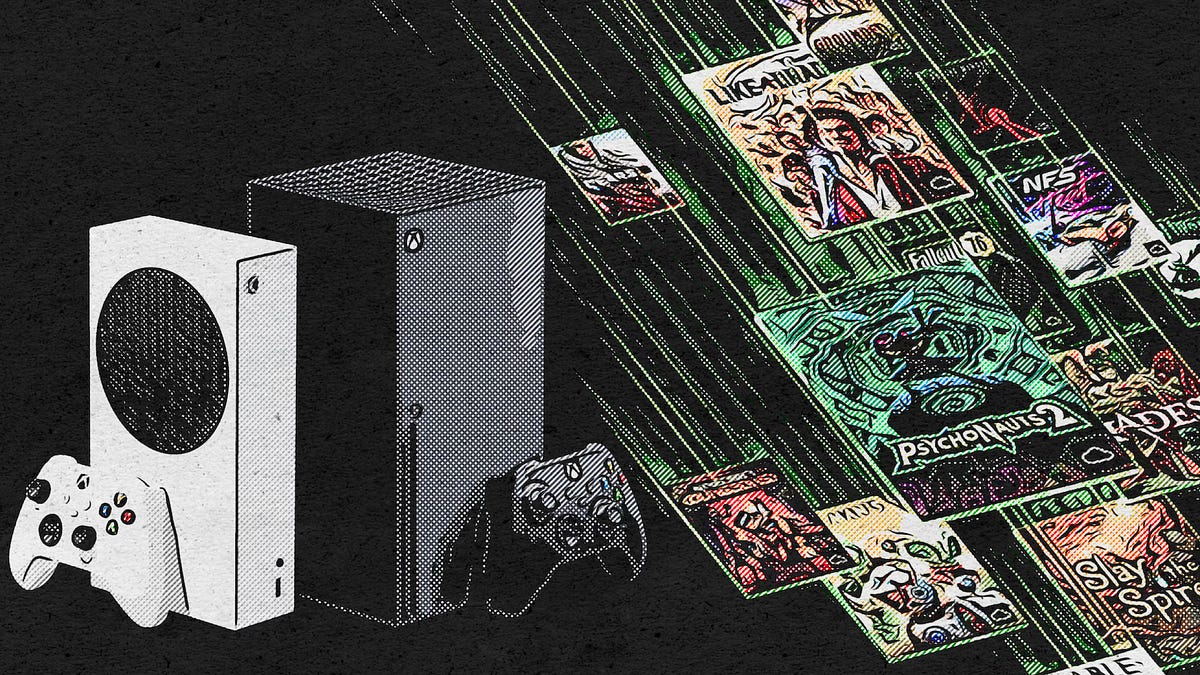
The gaming landscape is further shifting as major platform holders pivot toward subscription-based and service-oriented models to offset a softening market. Microsoft’s decision to release the next Call of Duty installment "day and date" on Game Pass represents a strategic attempt to reach a goal of 100 million subscribers by 2030. By trading immediate premium sales for recurring revenue, Microsoft aims to leverage its $69 billion acquisition of Activision Blizzard to dominate the shooter genre across console, PC, and a forthcoming web-based mobile store. This move reflects a broader industry focus on profitability and ecosystem retention over raw unit sales.
Geographically focused on the North American market and global digital platforms, these developments highlight a period of transition for the industry. While theme park attendance for major North American sites remained ten percent below pre-pandemic levels as of 2022, the digital sector is seeing new entrants like Amazon Games attempting to challenge incumbents by hiring veteran talent for narrative-led titles. Collectively, these findings indicate that success in the modern entertainment era requires a mastery of both high-value intellectual property and the complex technical demands of interactive gameplay.
SuperJoost · 2026

SuperJoost · 2026
SuperJoost · 2026
SuperJoost · 2026

SuperJoost · 2026

SuperJoost · 2026
SuperJoost · 2026

SuperJoost · 2026

SuperJoost · 2026
SuperJoost · 2026

SuperJoost · 2026
SuperJoost · 2026

Sensor Tower · 2025

data.ai · 2021

Almedia · 2026
Gamesight · 2026

Sensor Tower · 2026

Sensor Tower · 2026

AppLovin · 2026

Sensor Tower · 2026

Newzoo · 2026
BITKRAFT Ventures · 2026
Modern Times Group · 2026

InvestGame · 2026