The successful launch of the Fallout television series on Amazon Prime serves as a primary case study for the ongoing transition of video games into broader narrative platforms. By expanding the franchise’s narrative economy beyond interactive play, Microsoft has seen a significant resurgence in engagement across its legacy catalog. Data indicates that the daily concurrent player count for Fallout 4: Game of the Year Edition increased nearly fivefold following the show's debut, while the five most popular titles in the series experienced a collective 3.3x jump in activity, reaching over 160,000 players. This cross-media synergy highlights a strategic shift where developers deploy televised content as entry points to reinforce game ecosystems.
The broader gaming industry is also showing signs of financial recovery following a period of post-pandemic volatility. Venture capital activity appears to have bottomed out in early 2024, with new funds from Bitkraft ($275 million) and Andreessen Horowitz ($600 million) signaling a return to pre-COVID investment levels. While the $594 million deployed by gaming VCs in the first quarter suggests a turnaround, startups face more rigorous due diligence and higher scrutiny than in previous years.
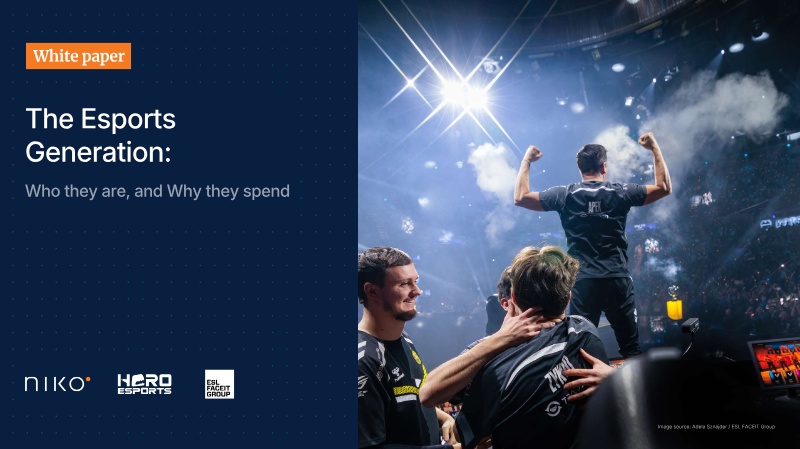
Significant structural changes are also occurring within competitive gaming under Microsoft’s leadership. The Call of Duty League has implemented a major financial overhaul, eliminating entry fees and increasing revenue sharing to stabilize the professional ecosystem. This move addresses the broader esports category's struggle to generate sustainable revenue despite record-breaking viewership and attendance. By offering minimum revenue guarantees and event subsidies, the league aims to create a more equitable distribution of wealth between publishers and professional organizations, ensuring the long-term viability of the franchise's competitive pillar.