
ArticleSuperJoost
Falling into Grace: Found Money in Streaming Rights and Back-catalog Sales
24 May 2024~8 min full read
This analysis examines the current state of the video game industry, focusing on the shifting dynamics of media, distribution, and transmedia monetization. The primary thesis suggests that as the industry enters a risk-averse transition period ahead of the next hardware cycle, the erosion of independent games journalism and the rise of algorithmic discovery are increasing the risk profile for developers and investors alike.
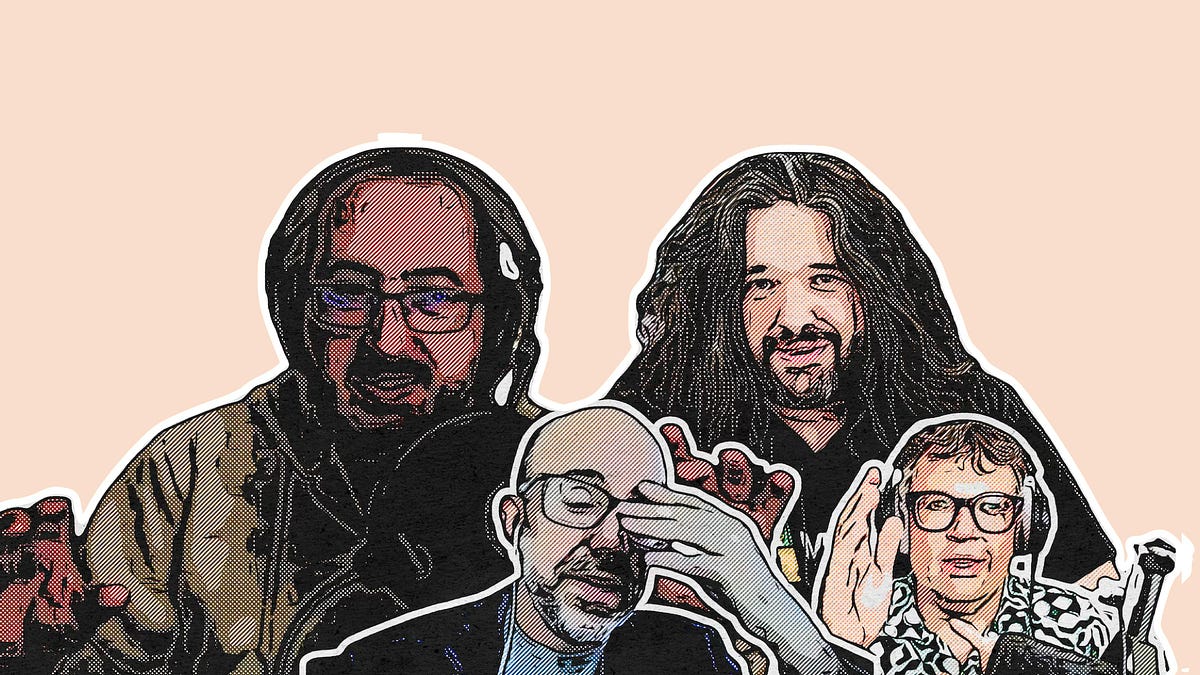
Key findings highlight a significant contraction in the games press, exemplified by IGN Entertainment’s acquisition of the Gamer Network. This consolidation occurs against a backdrop of severe industry instability; by mid-2024, layoffs reached approximately 10,100, nearly matching the 10,500 total for all of 2023. The loss of independent editorial voices is identified as a threat to market transparency, potentially obscuring supply-side issues like workplace toxicity while making it harder for smaller titles to find audiences in a crowded market where Steam alone saw 13,000 releases in a single year.
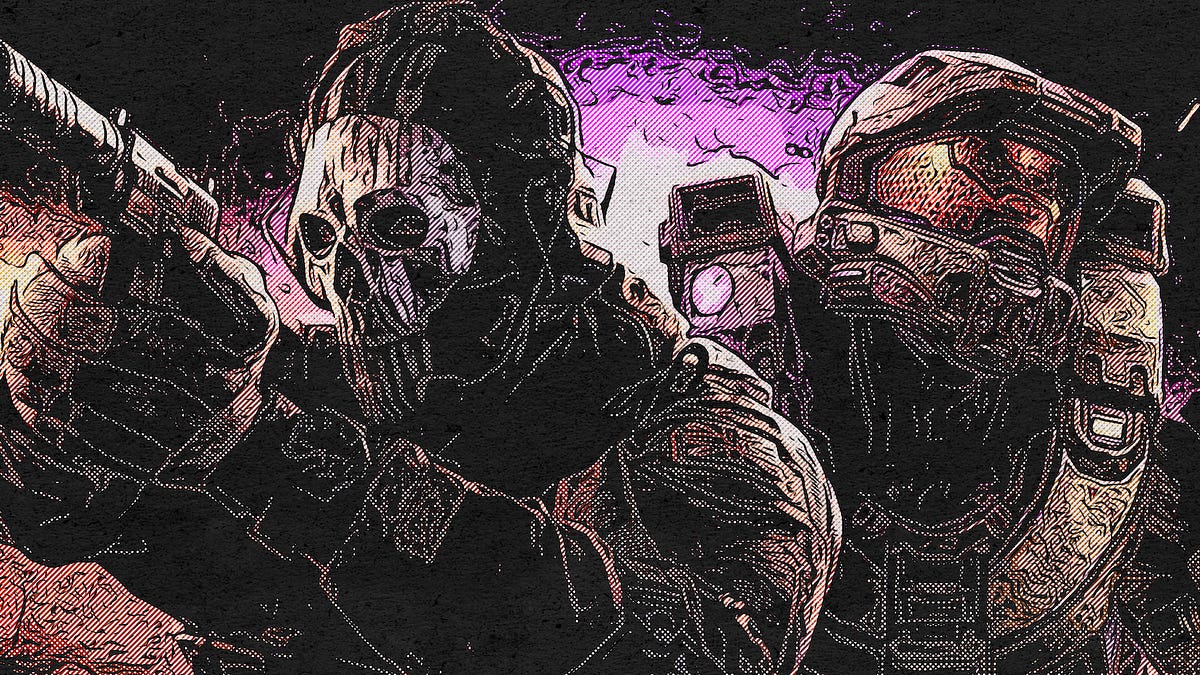
The data also underscores the massive financial potential of "found money" through transmedia and back-catalog management. The Fallout television series reportedly generated $84 million in incremental revenue for Bethesda by driving millions of new sales and increasing daily active users for older titles. Similarly, Ubisoft reported a 49% increase in back-catalog sales, reaching $1.65 billion. These figures suggest that while major publishers like Take-Two and Ubisoft are tempering expectations for new releases, they are successfully leveraging existing intellectual property and streaming rights to maintain momentum during a period of delayed major launches.
SuperJoost · 2026

SuperJoost · 2026
SuperJoost · 2026
SuperJoost · 2026
SuperJoost · 2026
SuperJoost · 2026
SuperJoost · 2026

SuperJoost · 2026
SuperJoost · 2026
SuperJoost · 2026
SuperJoost · 2026
SuperJoost · 2026
Modern Times Group · 2026
GREE · 2017
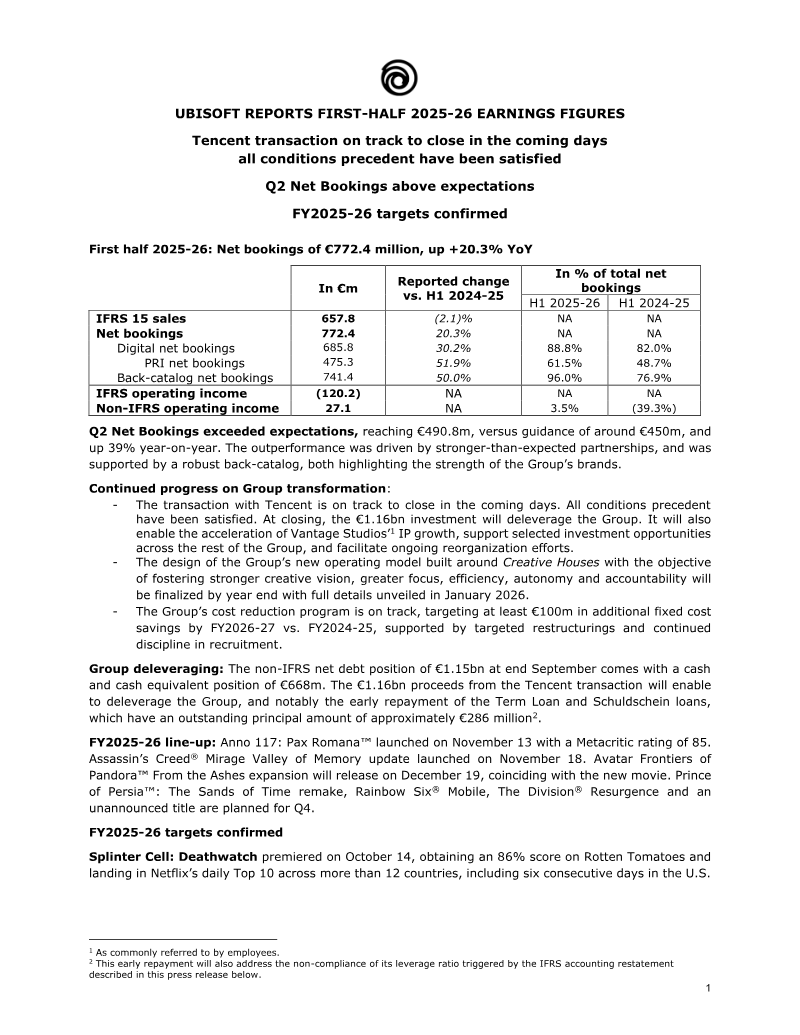
Ubisoft

InvestGame

Almedia · 2026
Gamesight · 2026
Sensor Tower · 2026

Sensor Tower · 2026

AppLovin · 2026
Aream & Co · 2026
Drake Star Partners · 2026

Sensor Tower · 2026