
The gaming and technology sectors are currently undergoing a significant transition as the initial hype surrounding esports gives way to emerging interests in digital fashion and spatial computing. Analysis of academic trends and market data reveals a sharp decline in esports engagement, with student research on the topic dropping from 45% in 2021 to just 4% in early 2023. This downturn is exacerbated by restrictive platform policies, such as Twitch’s updated branded content guidelines, and persistent internal culture issues within prominent organizations like FaZe Clan. Despite record viewership hours, the economic sustainability of the esports model remains under intense pressure.
Conversely, digital fashion is seeing a surge in relevance, with student interest tripling as players increasingly view in-game assets as vital tools for interpersonal communication and identity. Major luxury brands like Louis Vuitton and Gucci are becoming central to these discussions, reflecting a market where titles like Fortnite generate billions in revenue from digital apparel. This shift suggests that the future of gaming monetization lies in personalization and the creation of artificial scarcity within digital economies, as seen in recent initiatives from Nike, Electronic Arts, and Roblox.
The hardware landscape is also shifting with the introduction of Apple’s Vision Pro. While the device positions augmented reality as a professional-grade platform for "spatial computing," its high price point and focus on linear entertainment rather than interactive gaming suggest a long-term strategy of attrition against competitors like Meta. Although the announcement provided an immediate valuation boost for partners like Unity, the broader transition to this new computing era is expected to take years as manufacturers address practical concerns regarding durability, battery life, and mainstream accessibility.
SuperJoost · 2026

SuperJoost · 2026
SuperJoost · 2026
SuperJoost · 2026

SuperJoost · 2026
SuperJoost · 2026
SuperJoost · 2026

SuperJoost · 2026

SuperJoost · 2026
SuperJoost · 2026
SuperJoost · 2026
SuperJoost · 2026
Newzoo · 2022
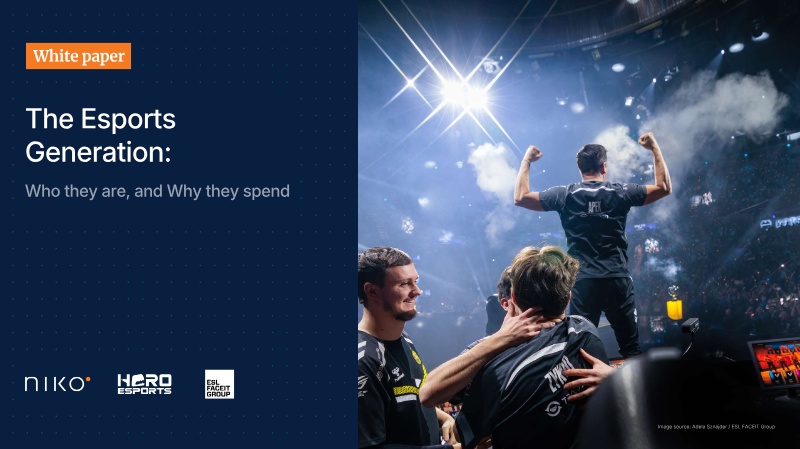
Niko Partners · 2026

Almedia · 2026
Gamesight · 2026

Sensor Tower · 2026
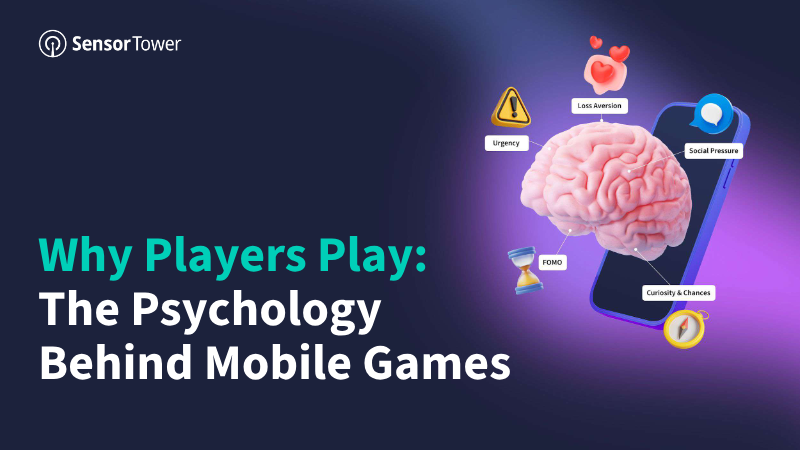
Sensor Tower · 2026

AppLovin · 2026

Sensor Tower · 2026

Newzoo · 2026
Modern Times Group · 2026

InvestGame · 2026
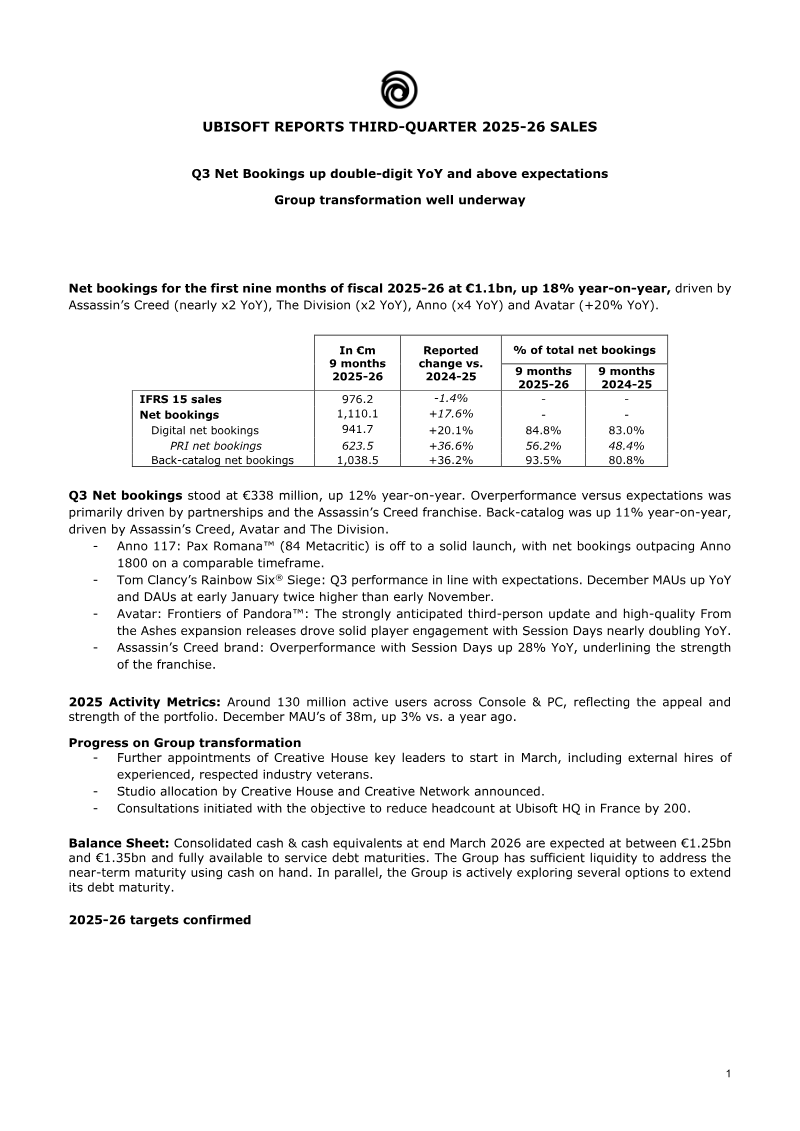
Ubisoft · 2026