
ArticleSuperJoost
639 Days Later: Microsoft Closes Its Acquisition of Activision Blizzard
19 Oct 2023~10 min full read
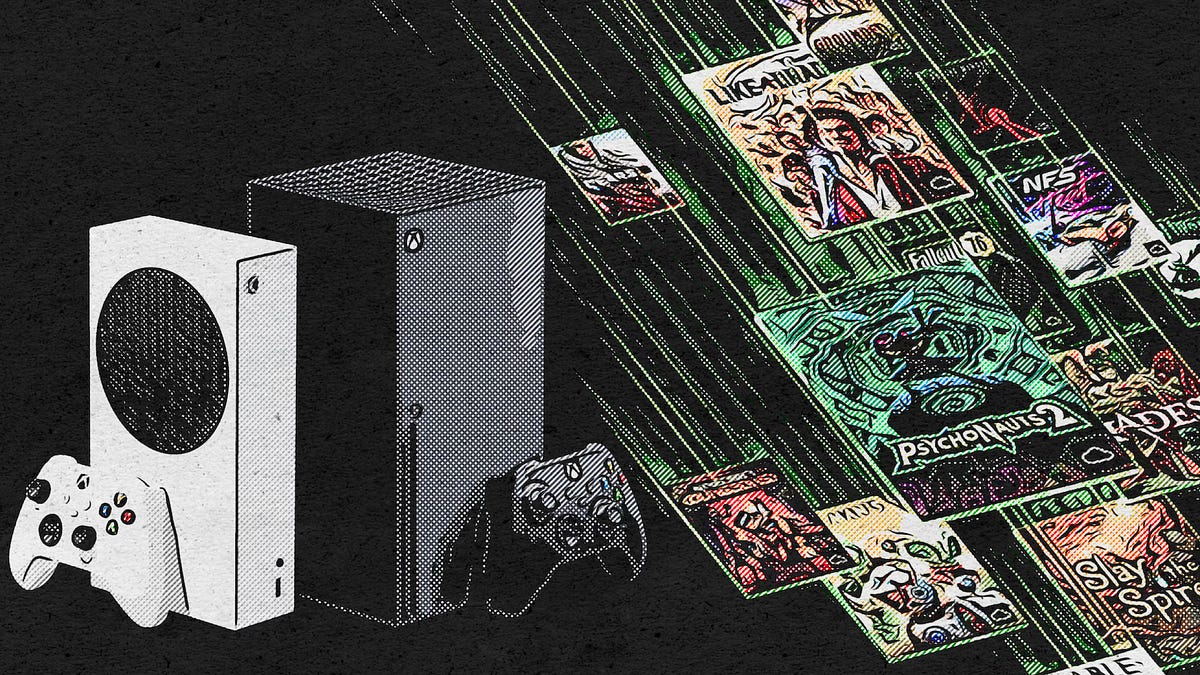
Following the UK Competition and Markets Authority’s approval of Microsoft’s $69 billion acquisition of Activision Blizzard, the gaming industry enters a transformative period marked by leadership shifts and increased transparency. The conclusion of this 639-day regulatory process positions Microsoft as the world’s third-largest gaming company, providing a critical foundation for its goal of reaching 100 million Game Pass subscribers. While analysts highlight the strategic advantages for the Xbox ecosystem, creative professionals remain concerned about the long-term effects of platform consolidation on industry diversity and consumer choice.
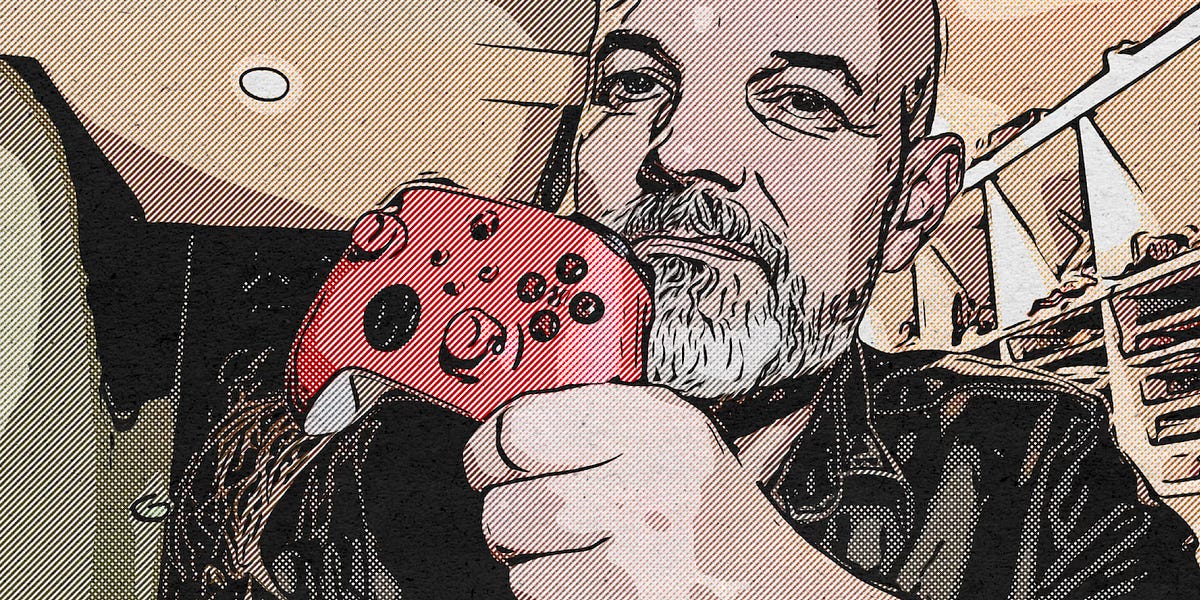
Immediate internal changes are expected as Activision Blizzard CEO Bobby Kotick departs. Analysis suggests Microsoft may appoint Sarah Bond as the new CEO of the subsidiary to address historical workplace toxicity and signal a commitment to diversity. This leadership transition coincides with a broader industry trend where traditional "icons" are being replaced by a new generation of executives. Furthermore, the legal discovery process during the acquisition—including leaked internal documents from Sony and Microsoft—has provided an unprecedented "all-you-can-eat buffet" of data for analysts, offering deep insights into cloud gaming, mobile strategies, and executive decision-making.
The successful closure of this deal is likely to trigger a new wave of industry consolidation. While firms like Disney and Netflix are rumored to be seeking major intellectual property acquisitions, financial constraints and high interest rates may favor licensing models over outright purchases. Geographically, the focus remains on global expansion, particularly in China, where companies like Apple are leveraging gaming partnerships to build market bridges. Ultimately, the acquisition serves as a catalyst for a more informed, data-driven era of gaming, though the burden now rests on Microsoft to integrate these massive assets without stifling the creative culture of its new studios.
SuperJoost · 2026

SuperJoost · 2026
SuperJoost · 2026

SuperJoost · 2026

SuperJoost · 2026
SuperJoost · 2026
SuperJoost · 2026

SuperJoost · 2026
SuperJoost · 2026
SuperJoost · 2026
SuperJoost · 2026
SuperJoost · 2026
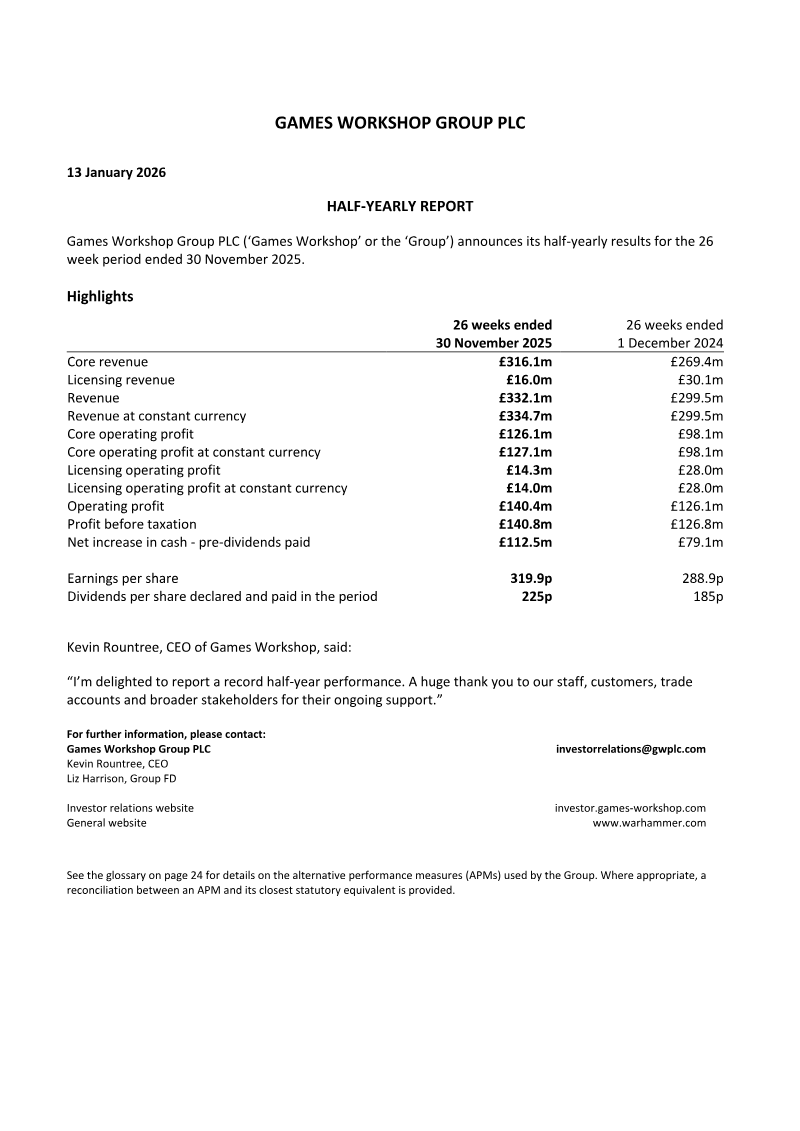
Games Workshop Group · 2025
Drake Star Partners · 2026
Aream & Co · 2026
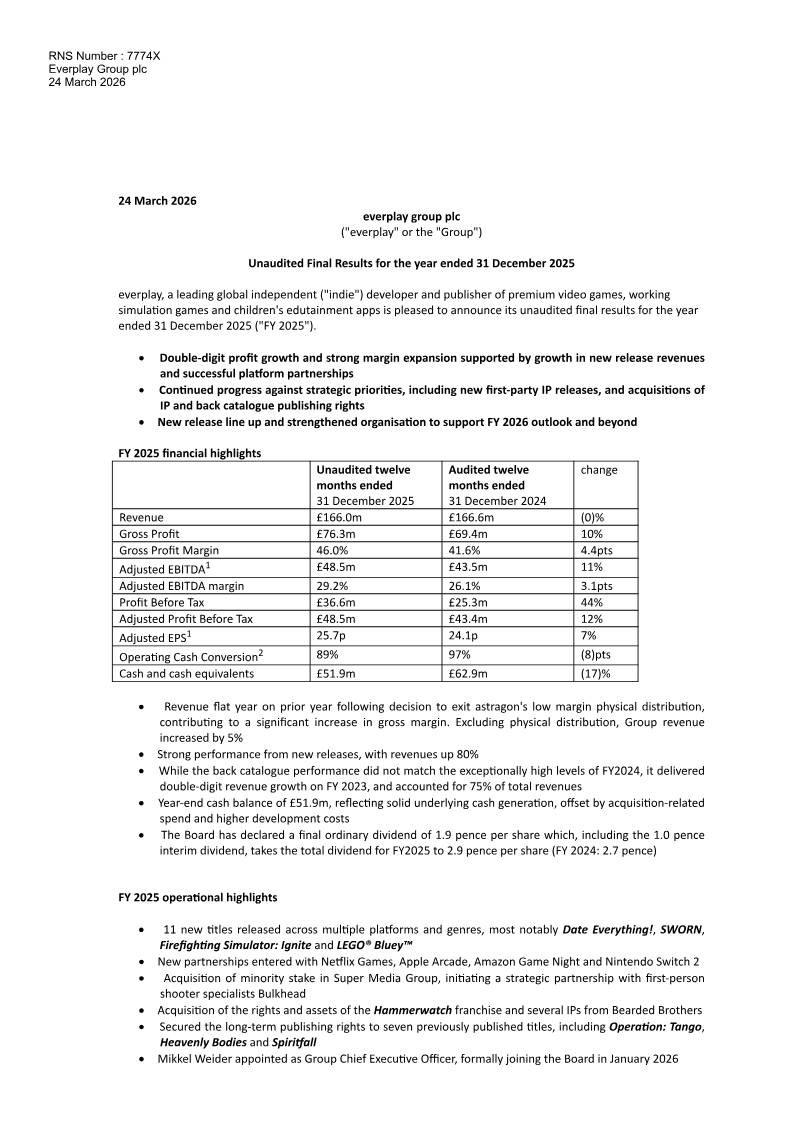
Everplay Group · 2026

Modern Times Group · 2026
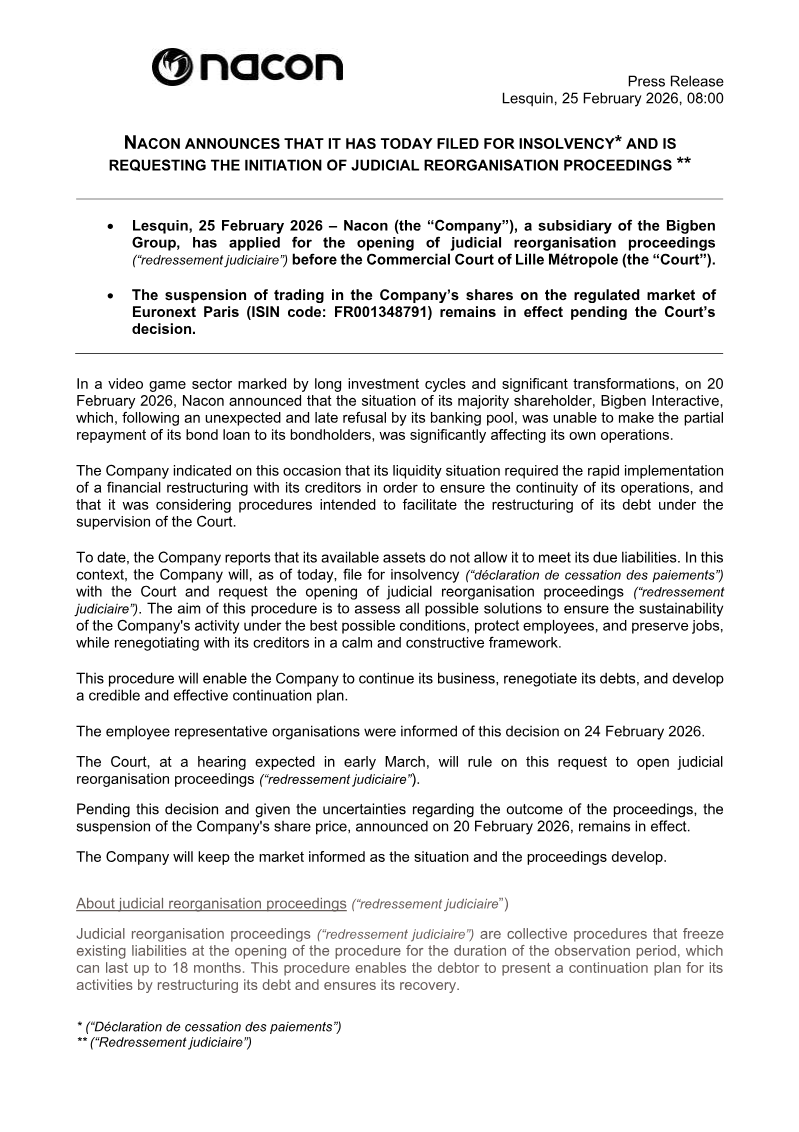
Nacon · 2026
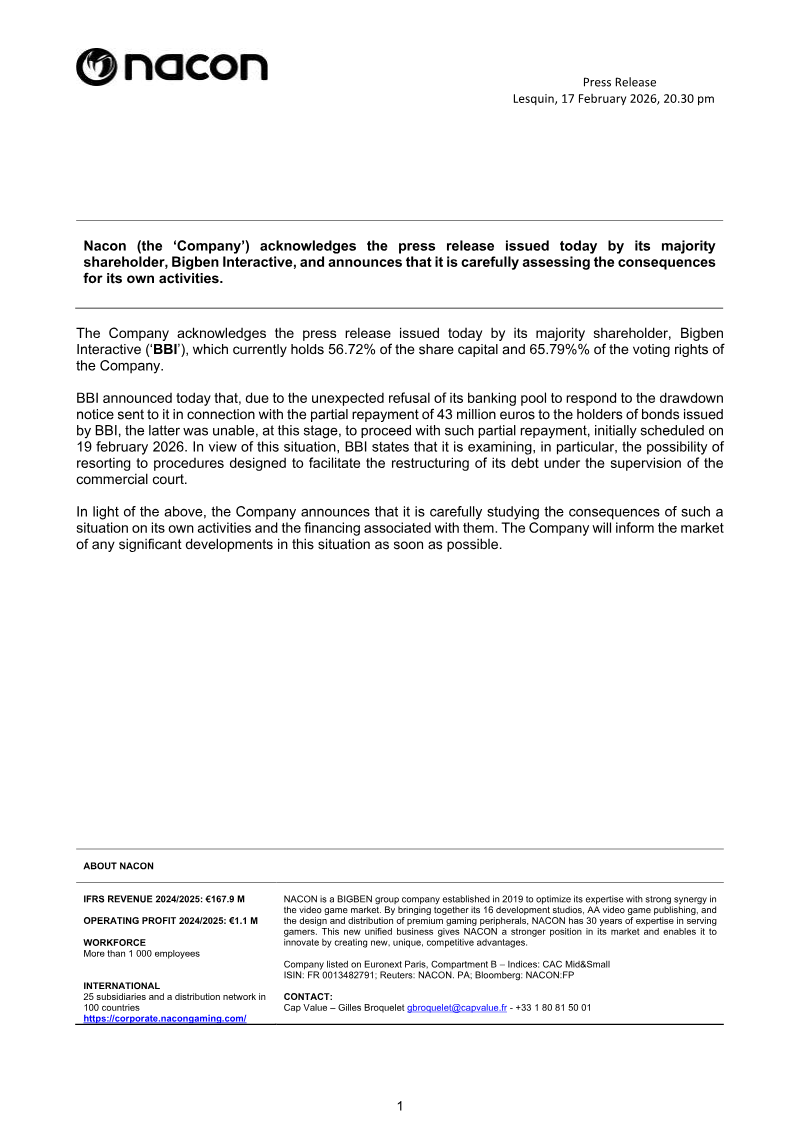
Nacon · 2026
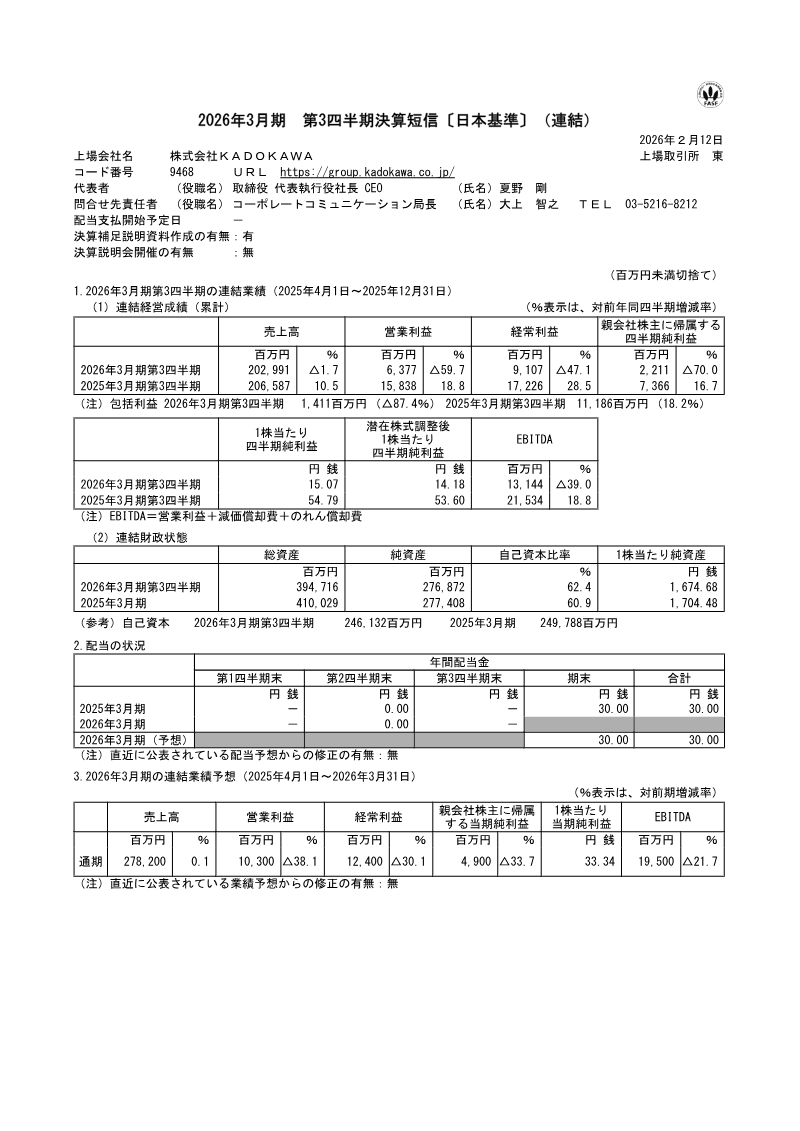
Kadokawa Corporation · 2026
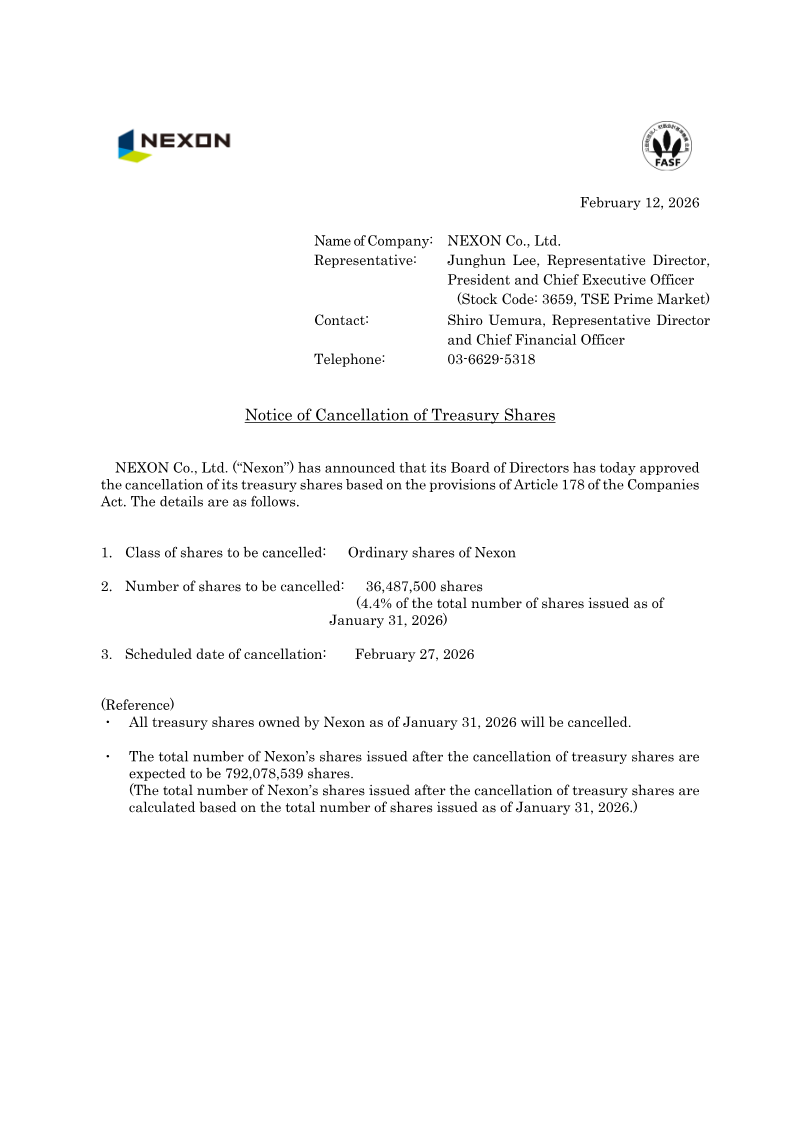
NEXON Co. · 2026
Akatsuki · 2026
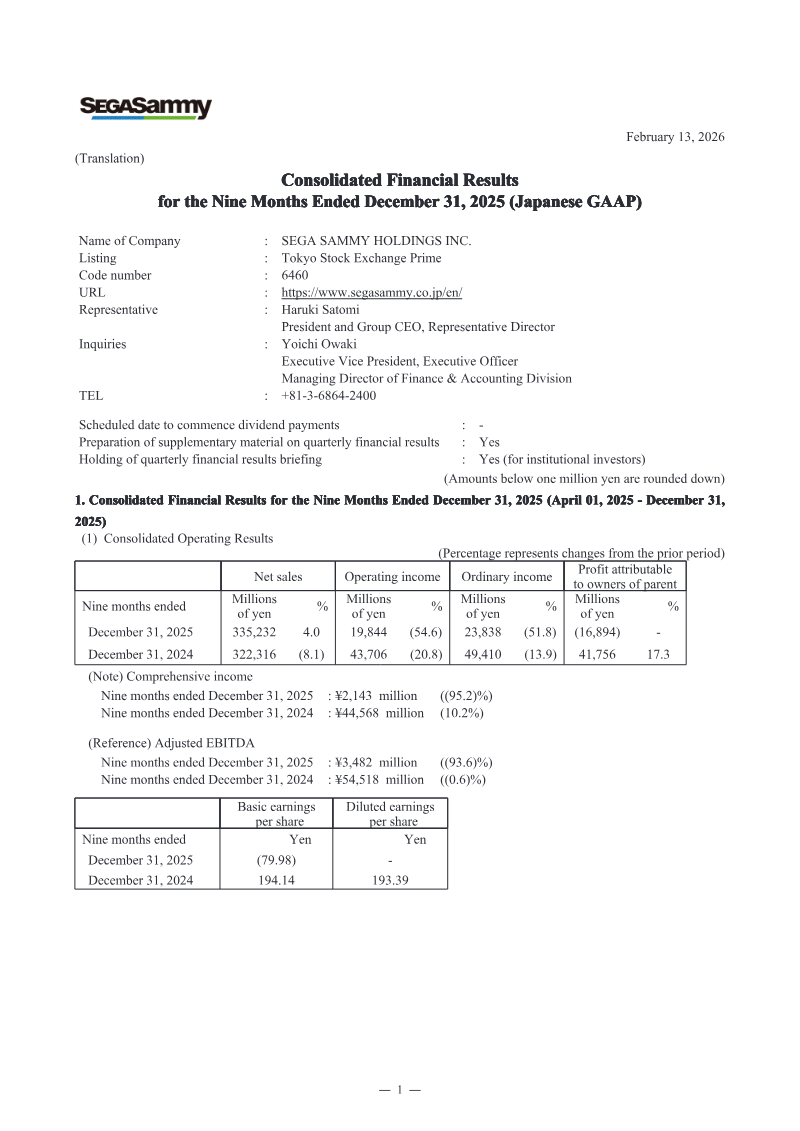
Sega Sammy Holdings · 2026
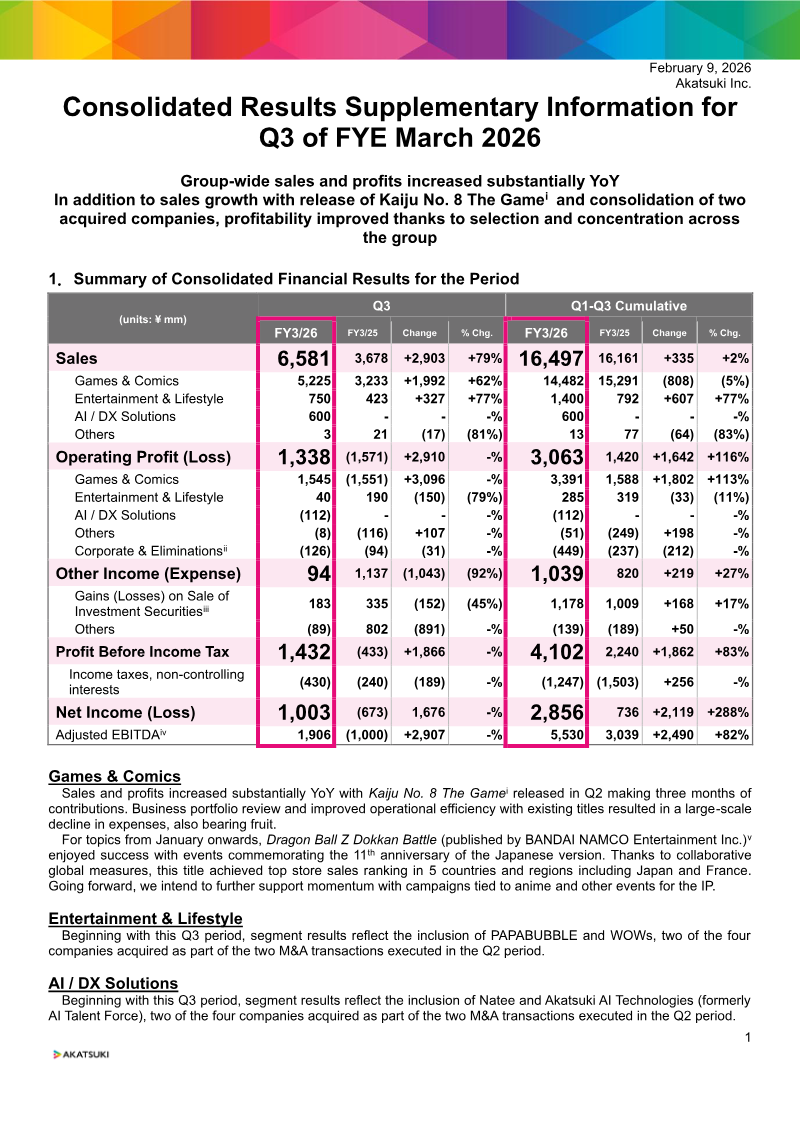
Akatsuki · 2026