This analysis explores a pivotal transition point for the global interactive entertainment industry, arguing that the sector’s long-standing period of consistent growth is nearing a plateau. The primary thesis suggests that gaming has lost its "anti-cyclical" status; having fully integrated into the mainstream, it is now vulnerable to the same macroeconomic fluctuations and investor volatility affecting the broader tech sector. This shift is evidenced by the recent decimation of 2018’s stock market gains and a move toward market saturation in mobile gaming, particularly in China.
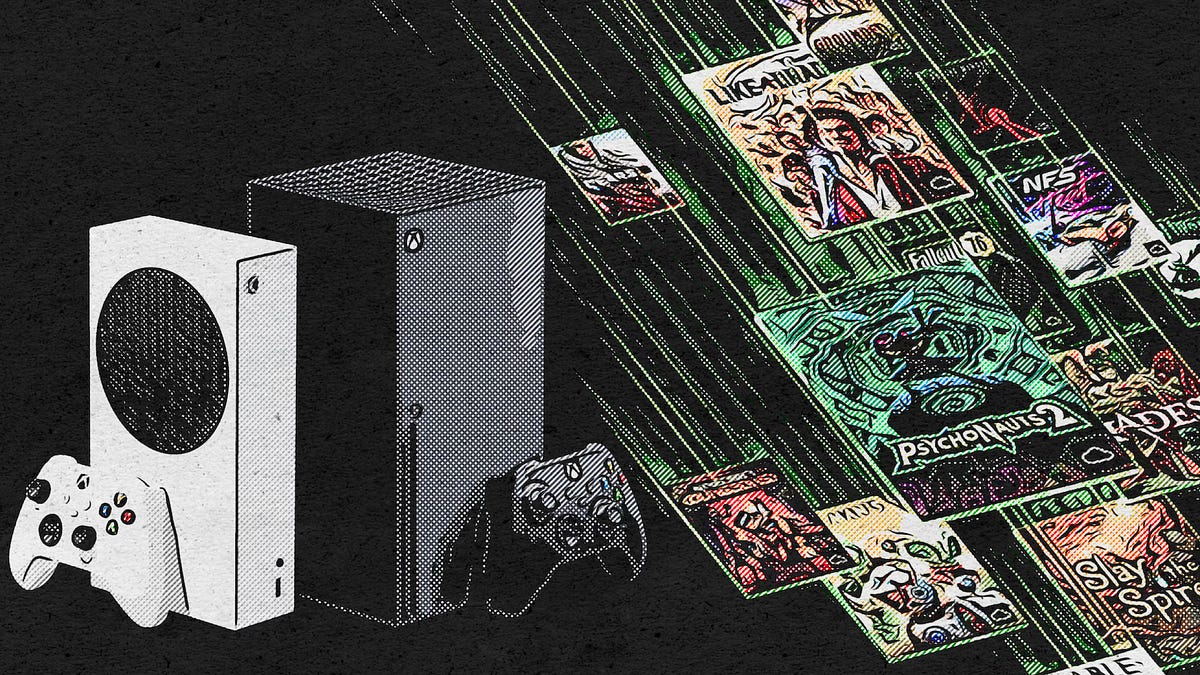
Key findings highlight structural changes across major industry players. GameStop is identified as a primary indicator of distress, having sold its Spring Mobile business for $700 million to manage $819 million in debt amid a failed six-month search for a buyer. Additionally, the report notes the end of the current console cycle, with Nvidia’s weak Tegra chip sales signaling potential missed targets for the Nintendo Switch. Meanwhile, tech titans like Microsoft, Google, and Amazon are pivoting toward cloud computing and vertical integration to capture future market share, despite the "foggy" consumer demand for cloud-based AAA content.
The scope of the analysis is global, covering North American retail, South Korean patent filings, and Chinese regulatory impacts on firms like Tencent. Methodologically, the insights are drawn from financial earnings reports, patent filings, and market performance data from late 2018. The conclusion suggests that as the industry matures, its future will be defined by platform convergence and the ability of hardware manufacturers to transition into service-oriented, cloud-based models.