
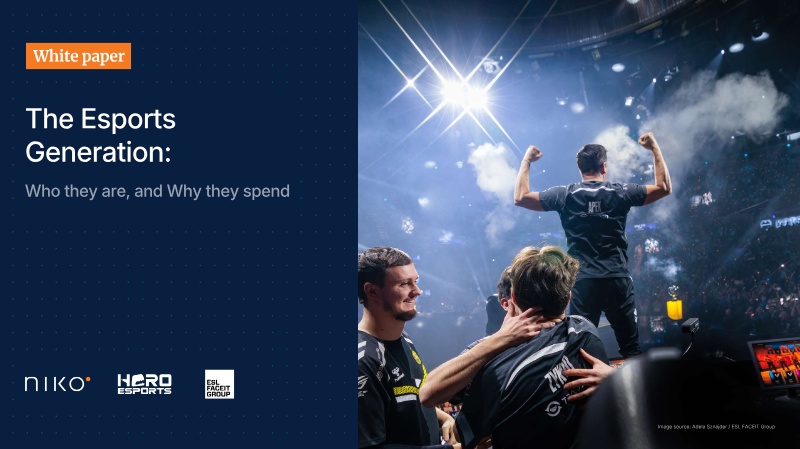
The Overwatch League (OWL) Grand Finals at the Barclays Center serve as a primary case study for the current state of the esports industry, demonstrating that high-budget, publisher-led competitive gaming can successfully cultivate a dedicated fanbase and diversify revenue streams. While the event showcased high production values and strong fan engagement, it also highlighted a disconnect between traditional marketing strategies and the unique preferences of gaming audiences. The failure of the mainstream-oriented halftime show suggests that brands and advertisers must build activations from the ground up rather than applying traditional sports formulas to a new generation of media consumers.
Broader industry trends indicate continued momentum in the esports sector, evidenced by significant capital infusions such as Meg Whitman’s $100 million investment in Immortals and Chinese streaming platform Douyu’s pursuit of a $600 million to $700 million US listing. Traditional toy manufacturers are also finding success through digital integration; Hasbro reported a return to profitability driven by the digital growth of Magic: The Gathering and Dungeons & Dragons, contrasting with Mattel’s revenue decline and subsequent workforce reductions.
Financial performance across major tech and gaming firms remains mixed. Electronic Arts reported $749 million in quarterly revenue but faced investor disappointment due to slowing growth in live services and Ultimate Team revenues. The launch of Origin Access Premier signals a shift toward subscription models, though the publisher faces challenges regarding its reliance on sports titles and a lack of original intellectual property. Meanwhile, Facebook experienced a 25% drop in share value despite 42% year-over-year revenue growth, reflecting market volatility and concerns over data privacy and long-term stability.
SuperJoost · 2026

SuperJoost · 2026
SuperJoost · 2026
SuperJoost · 2026

SuperJoost · 2026
SuperJoost · 2026
SuperJoost · 2026

SuperJoost · 2026
SuperJoost · 2026
SuperJoost · 2026
SuperJoost · 2026
SuperJoost · 2026
Newzoo · 2022
Niko Partners · 2026

Almedia · 2026
Gamesight · 2026
Sensor Tower · 2026
Sensor Tower · 2026

AppLovin · 2026

Sensor Tower · 2026
Newzoo · 2026
Modern Times Group · 2026

InvestGame · 2026
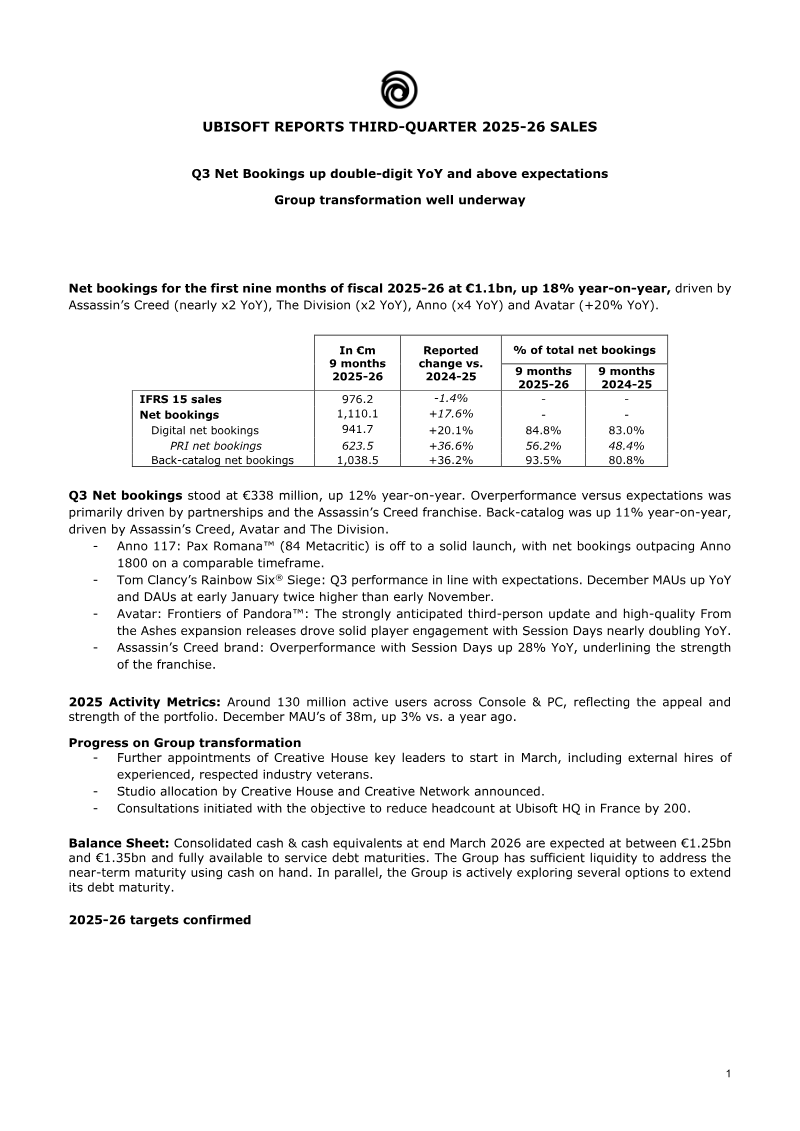
Ubisoft · 2026