1 free read left. Create a free account for unlimited reading + AI research.
Create free accountWhitepaper DiGRA
1 free read left. Create a free account for unlimited reading + AI research.
Create free accountWhitepaperDiGRA
Distilling the key insights…
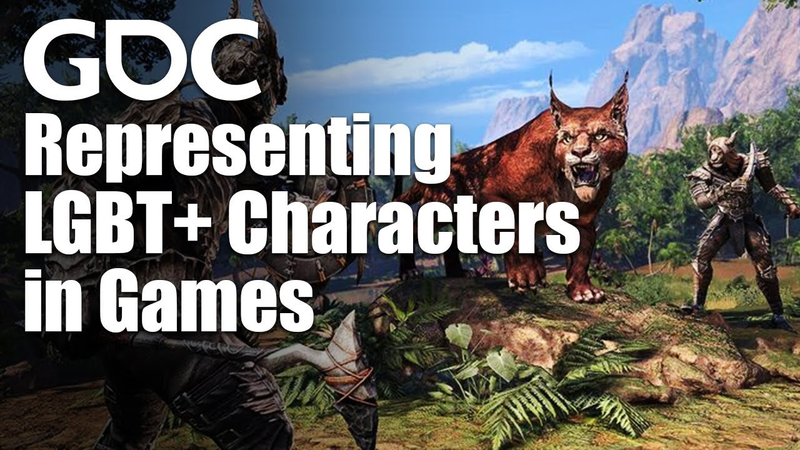
This study examines how transmasculine characters are represented in narrative-based video games, asking whether their portrayals challenge or reinforce hegemonic masculinity and whether they fall into stereotypical patterns. Motivated by a gap in game studies scholarship relative to film and media research, the author analyzes seven characters drawn from commercial and independent titles, identified through existing literature, social media discussions, and online criticism. The methodology combines close narrative reading with autoethnography, the author being a transgender man whose own reflections on empathy, discomfort, and distance serve as an analytic tool alongside the textual analysis.
The findings indicate that the selected characters share several recurring traits. Most are non-playable figures who provide supportive presence to protagonists while holding minor narrative roles. All undergo physical and social transitions, frequently including medical interventions, and their transitions are often framed as pivotal moments accompanied by traumatic events. Symbolic gestures such as cutting one's hair mark the decision to transition in some cases. With one notable exception, the characters express conventional, hegemonic masculinity, avoiding alternative or delicate expressions of gender. They are generally accepted by their immediate circles but not by wider society, producing a sense of ambiguous acceptance. The author reports that the playable character Tyler, developed with substantial input from transgender people and LGBTQ+ organizations, was received most positively, while the other representations often felt stereotypical and produced emotional detachment.
The study concludes that the increase in transmasculine characters has not translated into substantively diverse portrayals, as these figures tend to reaffirm rather than subvert hegemonic ideals. Alternative masculinities appear rarely, often only in subtle form or in paratextual materials. The author links the quality of representation to the absence of transmasculine creators in the development process, suggesting that greater involvement of trans men as authors could yield more authentic and varied depictions of transmasculinity in games.
DiGRA · 2023
DiGRA · 2023
DiGRA · 2023
DiGRA · 2023
DiGRA · 2023
DiGRA · 2023
DiGRA · 2023
DiGRA · 2023
DiGRA · 2023

DiGRA · 2023
DiGRA · 2023
DiGRA · 2023
DiGRA · 2023