1 free read left. Create a free account for unlimited reading + AI research.
Create free accountWhitepaper DiGRA
1 free read left. Create a free account for unlimited reading + AI research.
Create free accountWhitepaperDiGRA
The study frames the experience as an individualized communal experience.
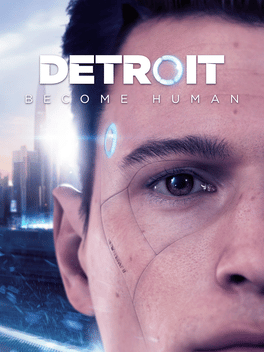
Victoria Lagrange's study of Detroit: Become Human examines how players experience this interactive narrative, arguing that the game produces an "individualized communal experience" in which players' choices are shaped by, and compared against, those of others through shared data and online discussion. Drawing on 268 participants recruited largely through fandom social media, the research finds high immersion (6.07 to 6.49 on a seven-point scale) and a strong sense of perceived control over the story. Its conclusions describe reported experience rather than measured behavior, since the findings rest on self-selected survey responses.
Empathy emerged as an unevenly distributed response. Players rated their care for Connor highest (5.61), followed by Kara (4.84), with individual participants tending to invest most strongly in one character, whether Connor, Kara, or Markus. Replay was similarly prominent: 83 percent of participants had replayed the game, averaging about five playthroughs, and replayers were especially likely to be involved in online communities. Yet choices rarely varied drastically across replays, and the study acknowledges that the causal direction between replaying and community involvement remains unclear.
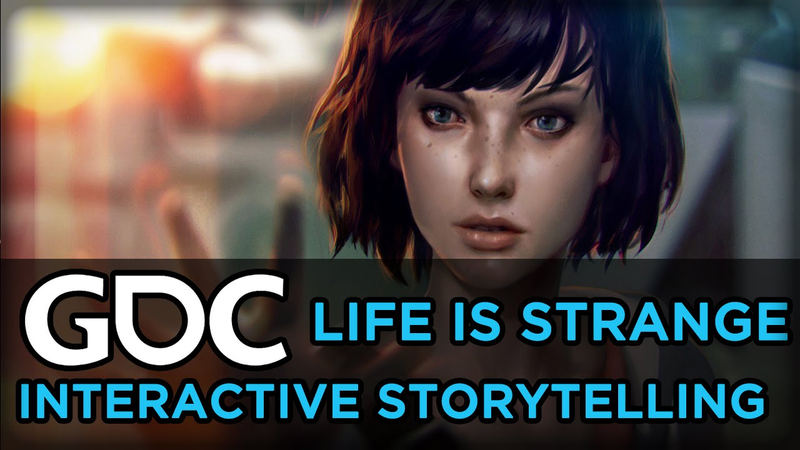
The research also reports mixed effects on players' perceptions of their own lives. For some participants, playing the game altered how they viewed their real-life decisions, while for others it had no discernible effect. These results are qualified by a significant sampling bias, as recruitment through fandom channels likely skewed responses toward highly engaged players. The author cautions that the findings cannot be generalized to other interactive narratives, such as Life is Strange or The Walking Dead, without further study.
Finally, the study includes demographic and playtime data alongside a reference to developer claims. The developer's 2021 statements suggest that over 75 percent of players finish the game, compared with roughly 15 to 20 percent across the industry, and that 3 to 5 percent achieve full completion. These figures are self-reported by the developer and have not been independently verified, so they are best understood as context rather than established evidence.

Game Developers Conference · 2024