1 free read left. Create a free account for unlimited reading + AI research.
Create free accountArticle DiGRA
1 free read left. Create a free account for unlimited reading + AI research.
Create free accountArticleDiGRA
Distilling the key insights…
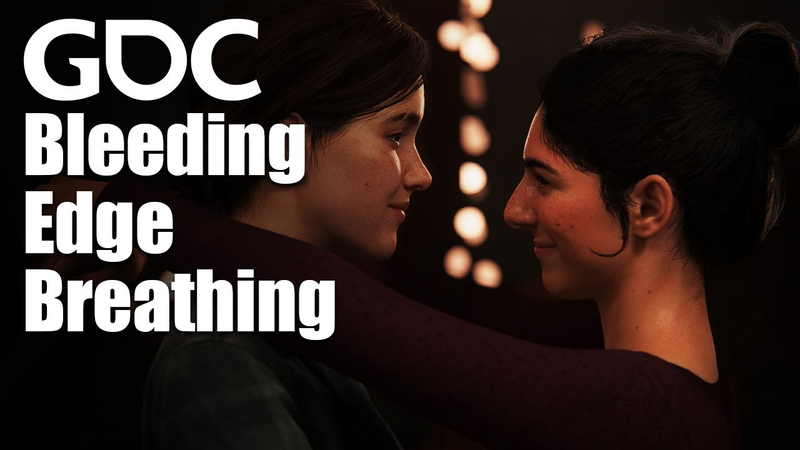
This paper examines how motherhood and feminist identity are represented in Naughty Dog's The Last of Us Part II, positioning the post-apocalyptic video game as a speculative space for rethinking gender roles, social identity, and maternal agency after the collapse of established structures. Drawing on theories of the post-apocalyptic imagination and matricentric feminism, the analysis argues that the game uses its devastated setting to complicate traditional conceptions of femininity, particularly through the pervasive presence of violence that is framed as both a necessity for protection and a reconstruction of the maternal.
The paper situates its inquiry within a longer history of women's underrepresentation in video games, where female characters have often been cast as damsels, sex objects, or absent figures. Mothers in particular have fared poorly, frequently being deceased before the narrative begins, killed during play, or cast as villains or monsters. While recent post-apocalyptic titles such as The Walking Dead, Horizon, and The Last of Us duology have offered more complex and diverse portrayals, the author contends that the intersection of gender identity, empowerment, and mothering remains underexplored.
The analysis focuses on how the maternal is constructed as a social and personal identity feature through narrative and visual language. It examines the relationships of Ellie and her pregnant partner Dina, whose bond is strained by Ellie's vendetta, and the trajectory of Abby, who shifts from vengeful antagonist to a surrogate mother and sister figure for two teenagers from an opposing community. Through these arcs, the paper argues that the game suggests possibilities for empowerment in mothering while also revealing the persistent limits on agency faced by maternal characters in a repressive postapocalyptic future.
DiGRA · 2023