ArticleGameDiscoverCo
Steam Games with CCU Staying Power: What Defines Them?
13 Oct 20261 page~12 min full read
While initial concurrent user (CCU) counts are common metrics, the study focuses on games that maintain significant player engagement weeks after their debut.
Key Focus. The research highlights that sustained interest is often driven by specific gameplay loops.
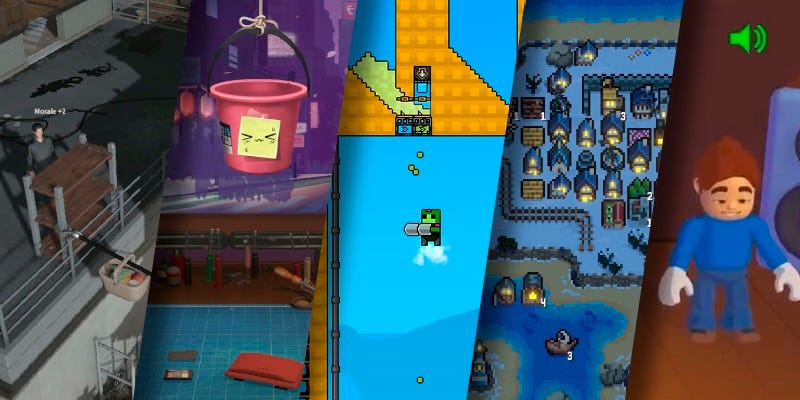
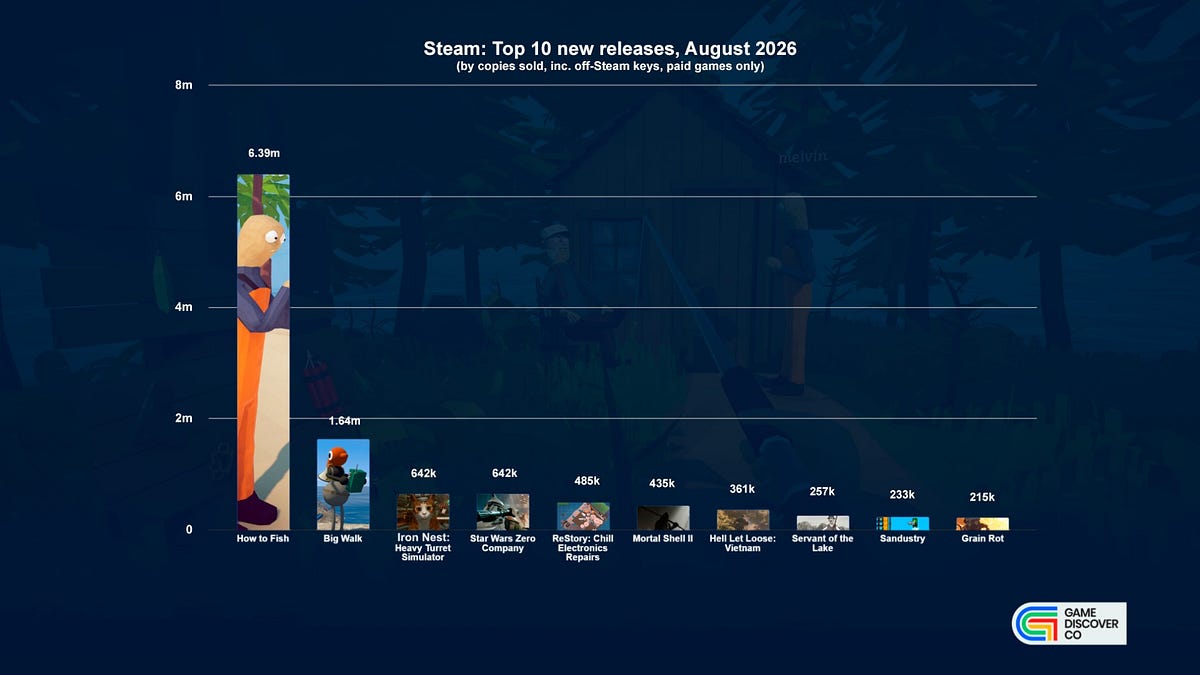
This analysis examines the factors contributing to long-term player retention for Steam games, specifically evaluating titles released in August 2026. While initial concurrent user (CCU) counts are common metrics for success, the study focuses on identifying which games maintain significant player engagement weeks after their debut. By analyzing post-launch performance, the research highlights that sustained interest is often driven by specific gameplay loops, such as satisfying resource management, cozy atmosphere, or innovative genre mashups.
Key findings indicate that games with high retention often feature "bite-sized" or "chill" mechanics that encourage repeated play sessions. For example, titles like ReStory and Sandustry have maintained strong CCU numbers by offering satisfying, loop-based gameplay—such as electronics restoration or complex factory automation—that appeals to players seeking therapeutic or deeply systemic experiences. Additionally, the data suggests that applying roguelike mechanics to historically slower genres, as seen in Combolands, is an emerging trend that successfully drives engagement.
The scope of this analysis covers the global PC gaming market, with a specific focus on Steam platform performance during the third quarter of 2026. The methodology relies on proprietary platform data and comparative analysis of CCU trends to distinguish between games that experience a sharp post-launch decline and those that demonstrate "staying power." The findings emphasize that while high initial sales are valuable, the ability to foster a dedicated, active player base through compelling, repeatable gameplay is increasingly critical for long-term commercial success in the current digital landscape.
GameDiscoverCo · 2026
GameDiscoverCo · 2026

GameDiscoverCo · 2026
GameDiscoverCo · 2026
GameDiscoverCo · 2026
GameDiscoverCo · 2026

GameDiscoverCo · 2026
GameDiscoverCo · 2026
GameDiscoverCo · 2026
GameDiscoverCo · 2026

GameDiscoverCo · 2026
GameDiscoverCo · 2026

The Game Business · 2026
GameDiscoverCo · 2026

GameDiscoverCo · 2026
GameDiscoverCo · 2026
How To Market A Game · 2026
Deconstructor of Fun · 2026
GameDiscoverCo · 2026
How To Market A Game · 2026
GameAnalytics · 2026
Deconstructor of Fun · 2026

Two & a Half Gamers · 2026

Naavik · 2026
Comments