ArticleGameDiscoverCo
How Dressmaker Became ‘Ready to Wear’ for Hundreds of Thousands of Players
9 Oct 20261 page~10 min full read
This indie title significantly outperformed expectations. It achieved an 8.6x conversion rate during its opening week.
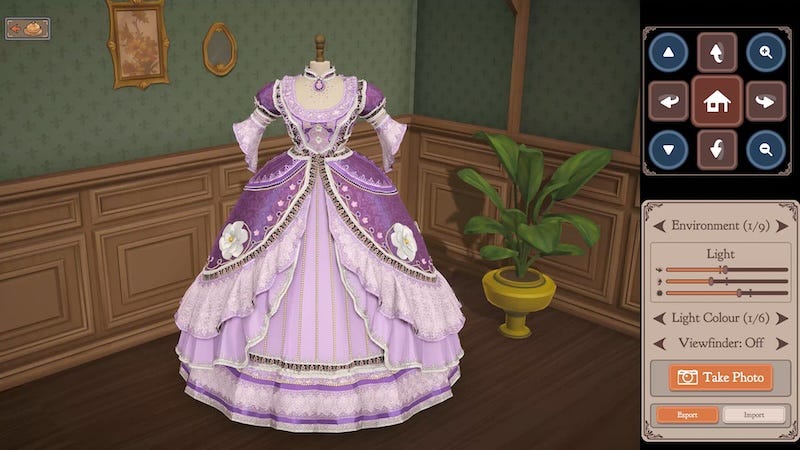
The success of the simulation game Dressmaker serves as a case study in effective market validation and the power of catering to underserved player interests. Developed by a small team of three, the title transitioned from a niche concept to a commercial success, selling an estimated 500,000 units on Steam within its first two weeks of release. The game’s performance significantly exceeded expectations, converting at 8.6 times the projected rate during its launch week and maintaining strong concurrent player counts.
The game’s trajectory highlights the importance of early audience engagement. A preliminary prototype garnered over 600,000 views across social media platforms, providing clear evidence of market demand before the full release. By leveraging authentic subject matter expertise—specifically professional costume design—the developers created a sandbox experience that resonated with players interested in creative self-expression. This approach allowed the game to transcend traditional "job simulator" tropes, appealing to a demographic that values customization and aesthetic detail.
Demographic data reveals that the player base is predominantly female (52%) and concentrated in the 25–34 age range, marking a departure from typical Steam user trends. Geographically, the audience is primarily Western, with the United States accounting for 33% of players. The game also shows high affinity overlaps with titles such as House Flipper and Potion Craft, suggesting a strong market for cozy, creative-focused simulation games. Ultimately, the success of Dressmaker demonstrates that aligning game mechanics with existing cultural trends and validating concepts through early community feedback can lead to significant commercial outcomes even for smaller development teams.
GameDiscoverCo · 2026

GameDiscoverCo · 2026

GameDiscoverCo · 2026

GameDiscoverCo · 2026
GameDiscoverCo · 2026
GameDiscoverCo · 2026

GameDiscoverCo · 2026

GameDiscoverCo · 2026

GameDiscoverCo · 2026
GameDiscoverCo · 2026

GameDiscoverCo · 2026
GameDiscoverCo · 2026

Thomas Brush · 2025

The Game Business · 2026

Thomas Brush · 2026

GameDiscoverCo · 2026

Thomas Brush · 2026
How To Market A Game · 2026

Thomas Brush · 2026

Thomas Brush · 2026
GameDiscoverCo · 2026
How To Market A Game · 2026

Two & a Half Gamers · 2026
Thomas Brush · 2026
Comments