ArticleGame DiscoverCo
What Do s&box’s Issues Tell Us About Launching Platforms in 2026?
29 Sept 20261 pages~11 min full read
Key insights
7 slides
User Retention
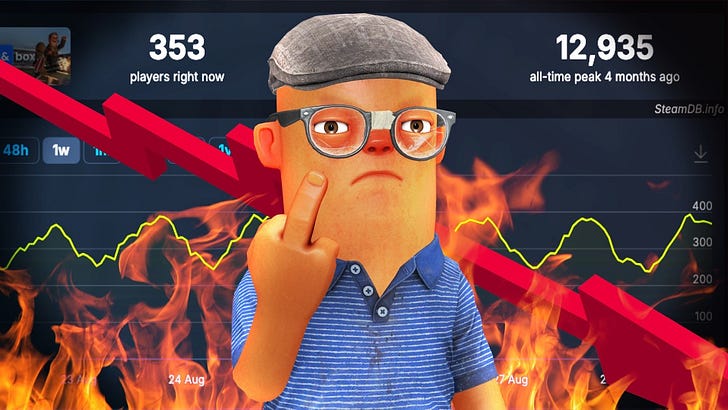
s&box experienced a substantial decline in concurrent players.
The platform's concurrent player count dropped from a peak of 13,000 at launch to under 500 within five months. This occurred despite grossing approximately $6 million.
Entry Barrier
The $20 price point limited s&box's user base.
The initial entry fee restricted the audience to a small, hardcore demographic. This failed to generate the broad momentum needed for a game-creation ecosystem.
Content Gap
s&box lacked a compelling 'lead' game to attract users.
Without a signature game, users had no strong incentive to commit to the platform.
It's like a new streaming service launching without any must-watch original shows.
Missing Hook. s&box lacked a 'lead' game, which was a critical failure for user commitment.
Development Focus
Prioritizing engine development can create an imbalance.
Platforms that focus on engine development over player-facing content risk a lopsided 'maker-to-player' ratio. This issue previously affected Media Molecule’s Dreams.
Developer Onboarding
Steam has shortened the waiting period for new developers.
The waiting period for new developers to release their first game has been reduced from 30 days to 21 days.
Player Incentives
Sony is testing a cashback scheme for digital PS5 purchases.
Reports indicate that £10 kickbacks are being issued for specific titles.
UGC Challenges
Roblox faces legal challenges regarding its UGC economy.
A lawsuit involving $35 million in damages is related to payroll practices using Robux.
Roblox Lawsuit. Roblox is facing a lawsuit involving $35 million in damages related to its user-generated content economy.
1 / 7
Ask AI about this report