VideoThe Game Business
“Some of the offers were actually offensive” – How Forza Horizon rival Clutch found its publisher
8 Sept 202655 min video
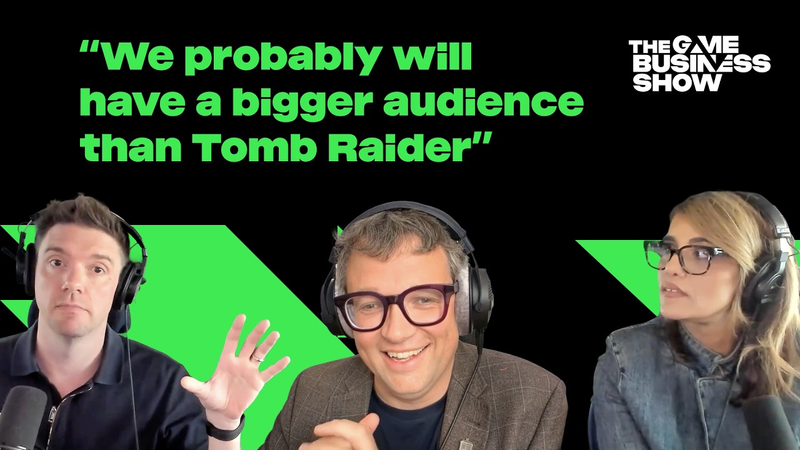
There was a lot of publishers that thought, right, we can take advantage of these guys. We can absolutely take advantage of these guys. Even sometimes coming up with a uh a revshare that was even less favorable to our first deal, which is nuts considering we're in a place where say we didn't need any dev funding.
When you do the same thing over and over because it worked, it's like, yeah, it'll work and it probably might probably work a second time and it might work a third time, but people are going to get bored of that and they're going to reject it at some point. And at the point at which they reject it, it's going to drop off a cliff. We absolutely believe that within Amazon games, we probably [music] would be their biggest game. I think probably believe, yeah, we probably will have a bigger audience than Tomb Raider. I would want [music] gamers to consider us one of, if not the best game developer in the world. Hello and welcome to the game business show. This week's edition is sponsored by Helpshift, a keywords platform. Now, Helpshift is an AI native player engagement platform, but it's designed to be a good one. According to
Helpshift, players do trust AI to help them. It's just that most AI in video games weren't built to. It says that 66% of players are comfortable with AI handling their issues first, as long as there's a human being behind it. 74% want it resolved without leaving the game, and 58% will quit over a bad support experience. Studios agree, too. 80% of studios see AI becoming the default for player support. Helpshift believes it can close the gap with care AI. Now, one AI agent can handle a lot, but not everything. A billing query and a self harm disclosure cannot share the same tone, rules, or guard rails. Care AI lets you build individual specialist AI agents, each being an expert where it matters and handing off to a human when it should. You can find out more at helpshift.com or check out the video in the newsletter attached with this very show. Speaking of which, let's get back to it. This week, we welcome two of the
founders behind Maverick Games. Studio head and creative director Mike Brown and COO Harinda Sanger. Now, Maverick Games is a team made up of mostly leaders from Playground Games, specifically the Forza Horizon team. Mike was formerly the creative director on Forsa Horizon. Now, the studio formed in 2022 and in 2024 signed a deal with Amazon for its first game. That game is called Clutch, a title that looks quite a bit like Forsa Horizon, but is actually a bit more story focused. Earlier this year, Amazon dropped the title and handed it back to Maverick as we revealed exclusively on the game business despite the fact the company had basically funded the whole thing. Now, Maverick then took the game on itself and revealed the title at Summer GameFest in June. Incredibly, after the reveal, Amazon has gone back to Maverick to try and sign the game for its Luna streaming platform. We broke that story, too, via an interview we did with Amazon back in July. Anyway, although the game was mostly funded, Maverick did want
some publishing support. It did want a bit of extra finance to launch the game properly. So, it went back out looking for a publisher, and it found one in Focus, the publisher behind A Plagues Tale and Space Moon 2 and and Snow Corona and games like that. Now, two weeks ago, I finally caught up with Mike and Harinda for a pretty candid interview on the end of its Amazon partnership, why it's picked the publisher it has, the offensive offers it received from others, the unpredictable performance of racing games in the market, and its goal to become the best video game studio in the world. It's a great chat. Actually, before we begin, for those watching this interview, you'll notice that Mike and Herinda are in a car. Specifically, they're in their Fiat Multipler, which is in their office, and they used it as part of their live stream to reveal Clutch. Anyway, I virtually joined them in this car for this interview. That's all I'm going to say. Please enjoy it. Hello, Mike. Hello, Arinda. Welcome to the show.
Hello, Chris. Thank you for having us.
Hey, Chris.
Is this the car you're driving to Gamescom in? Is this the uh
uh Well,
that was discussed. this car. Uh, well, we did try and drive it in a circle around the car park once and it didn't make it. Um, and so the thought of trying to travel it all the way across Europe is a little bit daunting. Um, I dare say we'll do it at some point. Um, at the moment though, it's it's indoors and due to fire and safety uh, regulations, we've had to like remove some parts from the car so that it can't just uh, spontaneously ignite. So, at the moment, it is it is a non-running car with some bits removed for
Yeah. We uh when we joked about taking it on the road to Gamescom to Chris and Andy who look after who look after this and source the vehicle for us, they were just like, "No, not a chance." Not even trying to get into conversation about how we can get this going. Nope.
I honestly think at this point it would be cheaper to just buy another multiplier and then drive that one to Germany.
Although surprisingly hard to come by, aren't
Well, they are very rare. That's kind of kind of part part of the part of the charm.
Yeah.
Yeah. Well, let's talk about the news that's just come out, which is you've got a publisher. Clutch has a new
company publishing your game, Focus, Space Marine 2, and A Plag's Tale and Snowrunner and all those sort of games. So, go on. Why them? What made them the uh the ideal partner?
We we'd actually spoken to Focus a whole bunch of times. They were um someone that we spoke to way back before we signed our uh first uh publishing deal. And at that point in time, their business didn't really stretch to the level of spend that we were looking to do. I think in to be really really truthful about it, they obviously very very much like the game. I think the game actually does kind of fit with them quite well in terms of the the things that we're pushing for in our game. Obviously, it's the game is set in France and they are French. Um that is like a very basic uh observation, but it's not nothing that is actually something that they are focus company in France that have like good I guess home team support. And our game is kind of quite French with its setting and theming. But first time around we were punching high and looking for perhaps a little bit more money than Focus would typically spend on well any game. This
time around that wasn't the case. We were not really looking for much or any money at all to be honest. That wasn't really what we were after. What we needed was publishing and distribution services. So key thing is marketing which as a little independent game developer we don't really have any people or resources for. Um, so all of that would just be kind of out of pocket spend with external companies which is a big cost and just a big a bit of an unknown for us. Additionally, publisher services such as QA, localization, uh, customer support, all of this stuff, which
I think can perhaps sound a little boring, but is actually crucially important uh, in getting the game over the line to market. That's kind of what the the sort of things we're looking for. And at the moment, we were, I think, a pretty pretty appetizing offer because the game was effectively done. there's no risk around kind of can the game get finished or is the game good because you can play it and you can come and sit with us and you can spend several days playing it and Focus did that and that was actually quite reassuring more than everyone else we spoke to. Focus were insistent on spending a huge amount of time with the
game. They had people play it for like a full week where they kind of played through every single piece of content, every single feature uh single player and multiplayer. We never actually saw the report, but there would have been like a detailed internal report giving a full kind of status of the game. I think that just shows like a a level of kind of commitment to us and that they're taking it very seriously
in terms of focusing. You listed some of the titles there. They're obviously not the the biggest publisher in the world. But they do consistently deliver quality and they do consistently kind of overperform I think what people would have expected and I think that's true both critically and commercially. Like Plague Tale picked up like a ton of awards, right? both both of them very critically acclaimed. Uh obviously last year they had huge success with the Space Marine 2 game. I think again more than more than most would have bet on on that game and that then puts them in a position where they've had a kind of frankly a big hit with Space Marine 2 and their business needs another big hit, right? And obviously we're also trying to make a a big hit and with a company like that we know that we will be one of if not the biggest thing they
have going on. When you plug into I'm not going to mention a name but you can fill in the blanks yourself. If you plug into a much larger uh maybe American publisher, sometimes there's just no way that you can be the most important thing to them, maybe not even in the top three most important things, you're just a bit of their business where they've got an opportunistic chance to, oh, we can just pick this up now. All we have to do is fund marketing and then we can get a bit on the back end. And that doesn't really have the appeal to us because we're just a a thing on the shelf for you. you've clocked us being a bit cheap, a bit of a kind of honestly a guaranteed bit of money making because there's so little cost going in that you will just make money. That's not really what we want. We want you to show a bit of commitment and show that you're going to kind of put your whole organization behind us. And even before the sign, right, as I just mentioned, they had very senior people in their company spending a full week in the game and I think they kept it afterwards, didn't they?
Yeah, they kept on playing, didn't they?
Um, and that's just like they're taking it really really seriously. like I'm not going to name the names of who were playing it, but it was like really really senior people within their
company were spending a lot of time with it. And I think there's a level of kind of commitment and belief that they've shown there which give me reassurance that they're going to kind of put their best people and put their best efforts into it, which isn't always true with large other publishers, which
no fault of their own really. They just have bigger parts of their business that are worth more money that they have to put their kind of best people and best efforts into.
Yeah. Um,
it's interesting you say that, right? Because it might sound really obvious that somebody plays the game, but quite often they don't. They just don't. And it's important to us. We are a developer. Our game and it's our first, it's our own IP. It's the first title that we're bringing to market. It's really important that people are invested in it just as much as we are. And finding the right partner to do that was that was really important to us. So having people that play games that are actually making decisions, it's so key. And I think that you don't, rightly or wrongly, you don't get that a lot in publishers where they're actually really do care about the game versus how much we going to make out of this.
Yeah. There's, we've been through this a lot with a lot of different people, but you're you're in certain rooms with like, you know, maybe there's seven people from the publisher all serving different purposes. You've brought multiple PCs, consoles, you've got multiple screen setups. You've come there so we can do a really long demo. And like two of them will come and pick up and play it and oh yeah, okay. Yeah. Yeah. Okay. It feels like that. Oh, yeah. Okay. All right. Cool. And you're like, we've flown like 14 hours to get here. [laughter]
You you've not even played for 14 minutes.
Flown 14 hours. We bought a rain TV. We bought a PC. Carried it across the [laughter] across continents.
And in a lot of them, they are just they are focused on purely on the the business and the commercials. And it's like they're looking at it going, "Yep, game looks good. There appears to be a video game here." Um, and then they're getting straight into the the business of it. And I think there is a missing piece there where
like do do you actually like it? Do you want to work on it? You you guys in this room are going to be like we'll be working together on this. Do you do you like it? Because that's going to affect how much you're going to put yourself into it. How much you're going to like commit to it. And yeah, I don't think
perhaps they realize how that looks to us when you're like they're saying nice things. They're saying, "Oh, yeah. Game look really good. Yeah, great. Great. Yeah, everything seems seems good." They actually you realize like do you play games ever? Do you do you I don't I don't know if you do. And it it goes back to people make games, right? And it is still a business of relationships as well. So we were in a very fortunate position going out to look for the right partner to work with cuz like Mike says we had everybody interested in us. Everybody we spoke to and more we chatted to first time around we're chatting to again. Um, but it's about how they came into that relationship. And you know, it's not a surprise the industry is not in a great place. And we as an independent developer, I think there was a lot of publishers that thought, right, we can take advantage of these guys. We can absolutely take advantage of these guys. Even sometimes coming up with a revshare that was even uh less favorable to our first deal, which is nuts considering we're in a place where, let me say, we
don't need any we didn't need any dev funding, right? So it was a very very different scenario and it
we were just I think we were quite taken back with how some of the people were coming in with us really weren't we? So
yeah I mean it's probably not that surprising to you Chris but like we present it with confidence in Spago. We present it like this is this game is great. We know it's great. This game is finished. This is the schedule. There are no notable risks. You can see everything. You can check over everything. We're happy to be completely transparent. So we come into it like completely confident like and as as H says not actually asking for them any any dev funding just you publishing services. Sorry punch the mic and I think that we do that with confidence honestly to tilt a deal in our favor because we don't want you to think that you can push us around and bully us. There is an option where we just say no to everybody and and just go ahead and take the risk and self-publish and do all those things that I just described earlier that we don't really know how to do but we could try and learn on the on the way. that is an option that we could have gone with and that's kind of how I wanted them to feel that we're able to just we can just walk away. We don't need we don't need you. We'd we'd very
much like these services. We'd like the the the d-risk on our part of you taking care of these things for us. But yeah, some of the offers were um well, they're actually offensive. [laughter]
Well, I'd just like to take the moment though to say all these publishers will be really happy to speak to you again when when we're coming with our next project. Well, we didn't say anything.
They'll they'll be scratching their heads and things aren't.
Yeah.
Well, Focus is quite an interesting um company. They like to do things for specific audiences that are very targeted and then has potential to break out and that's their whole we just had them on the show last year and even their smaller games like the Snowrunners of the world, they they're they're profitable little titles that do very well in the in the in the niche that they do. And also, I've told this story on the show before. I met up with the Times Splitters developers go going back very very far. Yeah. And they told a story about how they made the decision to go from Idos to EA with Time Splitters 3, right? This is different era, different EA, of course. And with
Time Splitters 3, they did these they did these test mock reviews, right? And um the reviews for Time Splits 3 were great. It's a good game. At the same time, they were publishing a Golden Eye game, which is odd. Time Splitter's devs were the original Golden Eye team. And the [clears throat] reviews were coming back poor.
So EA moved the marketing budget off Time Splitters 3 onto Golden Eye because they needed to sell more copies of that. and they just thought times bits will look after itself because it reviewed well very radical in design just mortified and that's the those are the decisions big companies have to make right it was probably a logical decision like we need to make sure that this sells well this is probably going to sell itself
and you really don't want that when it's your baby right
you've been doing a lot of the PR yourself lately
um are you handing it all over now
they will be certainly helping with helping us with that thing yeah we we've been you said we've been doing ourselves we have had some external help with that
oh yeah but I mean you've been leading it yourself I meant Yeah. Yeah. I mean, I suspect Focus will still very much like me to to jump in front of a camera and talk about the game from time to time. So, I think you I don't think that will be uh stopping anytime soon. And
honestly, we've we've found this stuff to be quite quite high value, pretty good ROI on things like this where you kind of take an hour to go and and chat about the game. We've been getting pretty strong feedback on that. And so, effort in versus rewards out are pretty pretty favorable. So, I'm pretty sure we'll be carrying on doing that. But yes, Focus will now be uh helping us out with all of our PR and marketing, but I don't think that means you'll see much less of me. Uh if you're worried about that, Chris.
Well, I was more I was more thinking about because you've got that maverick spirit which is the thing, right? It's the reason the name and it's it's the it's that innovation that comes through the idea is it's from the how you built a studio to the case [clears throat] you're making, but also I imagine the way you want to talk about it because even the reveal video was different, right? And it's just I thought, well, that's in keeping with who you are. And I guess when you hand stuff over, there's an element of we want to make sure that you retain that spirit of of your identity.
It's funny you say that because even with the reveal video, we did cuz I'm pretty sure that um most AAA publishers if we said we're about to announce our uh really big budget at the time um AAA
game out of a back of a two grand multiplier uh and start it in a 10day stream in our car park and move it in. they would be like, "No, you're not." But you're right. It was absolutely in the spirit of being maverick and doing things in a different way. And I think you, Mike, have got a really strong opinion about how that should come across as well, really.
Um, yeah, exactly. I I I've worked in and with big businesses a lot and the maverick spirit, if if you wanted to call it that, it it is a push back on the very common, if not business philosophy, then it's definitely a business behavior, which is to just kind of repeat the thing that worked. And that doesn't sound stupid, right? It worked. Repeat it. But you only get away with that so many times and you don't know how many times it is. And when you do the same thing over and over cuz it worked, it's like, yeah, it'll work and it probably might probably work a second time, it might work a third time, but people are going to get bored of that and they're going to reject it at some point. And at the point at which they reject it, it's going to drop off a cliff and it'll go from being this thing that worked to the thing that is now worth nothing. And you see that in our
industry like all the time like when when we have business shifts from loot boxes to battle passes to purchasing premium skins like you okay well the skins people are paying 12 quid for skins right get skins in every game skins in every game and there comes a point where the cliff arrives and it's no one's ever buying a skin ever again. That's true for so many things where the the point that an audience just gets fed up of it at some point and then it doesn't tail off and doesn't like like come in smoothly. It just it goes away. And so rather than going, okay, let's repeating the same things we've done previously, etc., well, let's try and have a guess of what either what could be the next thing or at least something that hasn't been done before so at least feels fresh. And that's that's kind of why I come into these things. It's like you we know the audience. We know we know players. We know we know what our gamers are like. Let's try and come at these things with with things that are are fresh and new and interesting and exciting. Like the multiple thing like it was it was gimmicky and it was stupid, but it was geared around right at that point. We we've got no publisher. um we we did have some marketing budget. It wasn't a lot and we
need to make the whole world now about us. And it's like what can you do? Which is so so unusual that it kind of forces people social media to talk about it, influencers to talk about it, game sites to talk about it. Um we wanted to get headlines in the week of Summer Gamefest on basically every game's website and we are a relatively unknown studio and a game that's certainly completely unknown. and I want his front page on every single games new site. And it's like, well, how do you how do you get that in a way that is still wholesome, still like
Yeah. Like I could have obviously gone on to Twitter and just said something absolutely outrageous, which would have [laughter] would have done the job.
On a daily basis, very very uh likely to happen. I'm not going to
Yeah, it's always a risk.
My Twitter draft folder is so spicy. All all that like I want to send that. It's like, do you want to save us a draft? Yeah, I will. But very spicy. But that was kind of how it comes about. It's a right, we want to get huge amount of attention for virtually no cost um in a way that kind of feels playful, fun, and wholesome and then gets people
understanding what the game is and knowing about and and it honestly um as much as it was my hesitate to even call it a concept because it was a bit it was a bit stupid, but it achieved a level of cutthrough and awareness that we would never ever ever have imagined. And yeah, honestly, if I known it was going to go as wide as it did, I probably would have done a different script. The stuff that I was talking about in that video where we're talking about like like car car customization and underglows and stuff, it's like general audience like your mom and your dad, they don't they don't care about that. They don't care about that at all. Um, we didn't even mention Monaco in that video
and it was upside down. Yeah, [laughter] if if there was any question about whether it was live, [laughter]
um, the app that we were using, I think, didn't write itself on the camera. I wasn't upside down.
I'll be honest, it looked like a stylistic choice. I thought it was quite I thought you did it on purpose.
What was really funny is I was sat on the opposite side and watching it, I was
like, "Oh, it's upside down. This is actually hilarious." [laughter]
Yeah. Yeah.
I thought it played into the uh sort of
the chaos of it. Well, yeah, it did. I mean, it was pretty cutting cuz I was I'm holding it like this and I can see um some of the chapter happeners on the tech side over there and they were I could see him be like but I didn't know what it was. So, I just had to carry on. You
had to carry on. That's it.
Something has gone wrong. I have no idea what it was. But I think it it played out well and I think added to the fun.
Yeah. One of the things I do like about our reveal as well is the way that we did that. It felt very playful in the way that Maverick is. Right. So that was absolutely our studio spirit the way that we are and everything that we are as a as our culture and personality. Um and I don't think maybe with that whole stream the way that was done I don't think people would have expected to see how well quite frankly stunning our game is and then the quality and the prestige that game is off the back of that 10day stream as well. So I think that was it kind of fell into the we're playful but we are actually delivering some really cool amazing stuff. Obviously, I've been
covering uh your story since you formed um which 2022, I think.
Yeah.
Yeah. Yeah.
But I don't want to assume that all of the uh listeners of the game business know. So, let's go back. Let's go back to the deal you signed with Amazon.
Um that the G, you know, for the game we now know is clutch. I mean, obviously, hindsight's a wonderful thing, but why did that I mean, I guess the partnership has been a good one in an unexpected way, but why what why at the time what was it you thinking this is these are the ones?
Um yeah, I mean, it sounds I don't know. Hopefully it doesn't make me seem stupid now, but at the time really bought into a vision. I believed uh in a lot of a lot of what they were saying they were doing and going to do. Um yeah, so this is all these conversations are taking place kind of end of 2023, very start of 24. We kind of locked in around around GDC um in in 2024, so March 24. And the pitch was that they are exceptionally well funded, which you can believe because it's Amazon. And their remit is
to become the biggest AAA publisher. And they and you're like, "Okay, cool. That's I I like that they're aiming big. Like being the biggest is is good." And that does match with how Amazon operate generally. They are um if we're going to be in the business, we're going to try and be the best or the biggest uh in in this business. And this holds a this older pitch of what their whole portfolio would look [clears throat] like and the other games and a lot of those games um weren't announced. Obviously people know about about Tomb Raider. Um the Lord of the Rings game was announced before obviously it's now shut down. New World was making money there. At this point I think the console version hadn't come out yet. Um and and there was a few other things that actually as pitched um seemed like a a credible like portfolio for a AAA publisher. They also had the fact that they'd acquired um MGM to become Amazon MGM and with that like an absolute an absolute treasure chest of IP and and
they they they sold they sold us on a on a dream of where of where Clutch would fit into that
and at the time it made complete sense and as I mentioned earlier with with Focus like you you
when you're jumping in with one of these companies you you want to be a really important part of the business and you in truth in the whole Amazon business, you could never be important because AWS makes an untold billions. Um, and so you can't really on an Amazon all up level become important. But on an Amazon games level, like we absolutely could. We absolutely believe that within Amazon games, we we probably would be their biggest game. I think probably believed, yeah, we probably will have a bigger audience than Tomb Raider based on the historical performance of Tomb Raider. And I hope that doesn't bite me in the ass, by the way. Um and um [laughter] um but Tomb is a Tomb Raider is a known thing, right? They they sell like a pretty consistent amount every time. Um
they've got a TV show coming out with it and
they do you but based on historical
performance of you can kind of get what where they're going to reach. Um beautiful open world driving games do have a pretty high ceiling uh in terms of total in terms of player reach. So you're looking at this portfolio as pitched and thinking, "Yeah, we could probably we could probably probably be their biggest game." Uh, at least in in time, maybe not game one, but like game two, game three, we probably probably ultimately become the biggest thing they've got. And therefore, you start to be the thing that that publisher is building their business around. Um, that's loads of things have to go right in order to reach that that end point. But it's
it's it's it's a thing that you kind of dream. It's a dream. Yeah. If you believe in it and
you can see a path to that point. Yeah.
Yeah. Exactly. And and certain other businesses um and again trying to avoid just naming it for in case pick your large American publisher. They have games in their business that make like billions and billions every year in the way that a game like ours just can't quite do. Like we can do big money but not the same as a a big sports game that has loads and
loads of microtransactions for example or or another really big game that's coming out this year. there's um those kind of games will always be the most important part of those businesses and there's nothing you can do to ever unseat them.
Um whereas I think you kind of you want to be in one of the publishers where you can be that or you can get there
and Amazon could have been that.
Yeah, that's what it felt like and it feels silly now that I kind of bought into that dream.
I don't know. I don't know. I think at the time the industry hadn't quite fallen apart by the when we start looking at that and there wasn't but there wasn't that many um partners that we were talking to at the time that were offering the kind of budget that we were looking for they felt like the right people for us and say they when they spoke to us every interaction we had with them it felt like they believed in what we were doing as well and they could take our IP to that next level that at the time I don't think any other publisher could so it felt it's absolutely felt felt like the right thing to do.
Yeah. Yeah. You can always say that, you know, big companies moving into games,
it doesn't often work out, but sometimes it does. And you know, if PlayStation Sony is probably one of the biggest and strongest examples of that, right? if you were Snosis, you know, in 1995 or whatever and you jumping in, you know, the the benefit it had there at least for a period of time and you even Warner Brothers and TT Games and and and Rock Steady and all those sort of, you know, getting involved at the early stage of that can they can certainly pay off. But then, you know, the the Amazon did a thing that it it does and other companies have done. They changed their plans. Did you I mean, did you see it coming? Um
I don't think I mean we had a really good relationship. The day-to-day relationship with them was it was pretty good. I mean they they they had hired some people really um experts in the field as well to work with us and it was a honestly it was a it it was a joy working with them but they went through some big redundancies right and obviously their business started to change and we then I think we started to see see some of the strains coming
through of that. Um that was it was relatively quickly before um that was almost like when they made some redundancies on October that I think that was the first time that we started to feel the effect for for us. Um, but we were still, you know, we we we were still heading for
and I I've said this to them to their face um in in an episode of the show we did recently where I was a bit like, [clears throat] but Matt Clutch seemed to still fit with the vision. Like I I understood like we're moving away from MMOs. That's not the space I want to go in. Want to go in something a bit more mainstream and a bit more mass market. And I was sitting there going, but that's what you're that's what that's what I felt you were making. So I felt it fit. So um and even though um I understood, you know, I could I got it. They were scaling everything back. I did think it sort of fit in the same way that Tomb Raider because Tomb Raider is a bit, you know, it's a it's a cinematic element, has a mainstream appeal. It could be a they've got a TV show. I got I got why they kept hold of that and I was I was personally surprised they didn't keep hold of the game. But um yeah, [laughter]
but but but it's ended in a good pretty good situation, right? Because I think from what I understand uh the game's pretty much very close to being done when they when they sort of pulled out. You've now retained the IP. So, in my head, you've effectively got a almost fully funded AAA game handed to you. Um, which I mean, you made, but
I wouldn't say hand it to us, Chris. We did have to make it.
Yeah, [laughter]
we kept it in our hands. You mean kept?
I I I beat you to the caveat there. I mean, you obviously had to make it, but you know, in terms of from a financial point of view,
yes. Yeah.
Was there any cause for concern when that happened or were you just thinking, I can't believe how lucky we've got?
I mean, some people would have been concerned. Um, the um I've had very different reactions because [laughter] when Mike was like, "Huh,
okay. [snorts]
I ain't that guy, Chris. I a
me I when when uh when well you told me cuz you had got the news told me and I was like, "Oh god, right, cuz you can't the first your first instance, as you will see, right, is there is a lot of
stuff that we're that we're going to have to change now. We're going to have to pivot and start thinking about the long term." That's the instant reaction.
I mean, H is so conventional. should have already been thinking about who she's going to make redundant.
Oh, stop it. Don't don't say that. [laughter]
Um I
I um yeah, I in in the conversation with as as I'm finding out like I know I know the terms of our deal really well. So, I'm I'm already like and honestly the timing of it was um just in terms of uh I I can't get into the specifics of the how the deal was exactly structured, but the timing of it in terms of specific dates were really favorable in terms of what would happen next, I guess, in terms of commercials. So, as I'm being told, I'm just like, okay, cool. Cuz I knew that we got all the rights back. I knew that the the terms meant that they just lose every everything in terms of rights to sequels and even even the right to be told about sequels and things like that would all fall back to us. And in terms of just the the the
commercial dominoes that would then fall were were good. They were favorable. Um and so in the conversation where I'm getting told basically I'm being dumped, I'm a bit like this is going to be good.
[laughter]
I'm already like, this is this is this is not this is all right. Like it feels bad because they're breaking up with you, but it's like get to keep all the stuff. It's like they're breaking up with you, but they're just going and you get to keep the house and the car.
Well, yeah.
And the dog. [laughter] Um, but when I'm telling you perhaps I don't know, you might you might not have as quickly done done the maths and realized
well I so I knew it was favorable but like I say you start thinking about what the what the effect of is within your entire business straight away
within obviously your 30 seconds to process was very different to my 30 seconds to process. Right. Yeah. And obviously as a business that at that point that that was the only income the business had, the only money coming in was from them. And so that that tap stops and that is bad. Um and
then the next time we can effectively get income is releasing the game. And so as a business that is bad like you you need you're supposed to have cash flow. Um but the numbers did add up to to reach reach the bit where the next bit of cash flow would happen. And now I know uh you can't talk about it, but now Amazon is is says to us on the show that they want to they want to resign it for Luna, which is um
yeah I
Yeah. Um I mean they could have add it if they wanted it. They didn't have to dump us.
Um but yeah, we are um we we as as I mentioned Chris, we're not
cuz
there's some live conversations. So I think we just can't really jump into that one unfortunately. I I know it would really nice to tie that in a bow. Um
yeah. Oh yeah. Well, for for me it sounds um you do not have to comment on this. Um but for me it sounds like um somebody bought a house, gave the house back to the original owners and then asked if they could rent the room.
So that that's that's my um that's my um
um that's my uh that's my sort of take on it. But which is obviously good for you.
Yeah.
Yeah.
Let's talk about Plut then. Um well it's a cinematic racing game. I why who would you say is it for? Is it is it Forza players?
Um well what I'll say is that and I obviously know that for our audience very well. Um I know I know what they like. I know what what they've enjoyed over the years and I know what what they've not not been able to get out of that game. Um and I think first and foremost we're not we're not going to be here and be so be so silly as to claim that we're we're going to kill Forsa Horizon. we're going to take that whole spot because I don't think that's wise and I think any game maker that is going to have their pitch be that they're going to usurp the the dominant market leader. Um well that's I think that's really high risk. I think if we if we swap genres and we said I'm going out pitch in a game and I'm saying I'm going to we're going to we're going to we're going to
kill Call of Duty. We're going to take the Call of Duty spot. No no no one's going to back that. No one's going to give you money to do that because it's stupid. You can't kill Call of Duty. there's like five separate development studios, some of the best best game makers in the world on it with a budget of untold [clears throat] uh millions um and a huge audience that adore that game. And so you're never going to kill Call of Duty. So instead, you have to go those players that bought Call of Duty, they can buy a second game and and instead you need to see what what fantasies are not being fulfilled by the game they're currently playing that we can offer that means that they'll jump over and are playing per second game. and clutch was always intended to be kind of complimentary to Forza. There are there's obviously gameplay in our game that is similar to that. You you still drive beautiful cars around great roads in gorgeous gorgeous environments, but um is never really going to touch on story. That is nothing that that that they're going to go big on. In any in any case, it's it's actually something that probably doesn't hope they don't upset get upset me saying it's something that that franchise has historically been
fairly weak on, but it's a thing that gamers and people love. We love characters. We love stories. We love that across all of our media. That is a that isn't genre specific. Like Tekken has great characters and great stories. I don't think that's anything to do with even video games. that is just a human thing that when we meet characters that are interesting, that are flawed, that you can kind of kind of root for as people, we like them. And I think adding that into to this genre in a way that
strangely hadn't really been done um certainly not recently. Um and certainly not well, um I think does actually have really broad appeal. I think for all those players that are getting getting a kick out of force horizon 6 of which I understand there are a great many of them um I think this offers something that um is complimentary to that experience where if you've been playing for Horizon 6 and having a great time
you'll probably install clutch and realize that it it's offering you offering you
a familiar experience in some areas but then a ton of different stuff that that other game isn't offering
and it has an kind of almost innate uh
human appeal
equally it it's really good fun and it's got really beautiful cars and you can drive around South France which who doesn't want to do that. So there's a there's an innate appeal to it I think on on just that level as well.
Find it interesting. Obviously the other game I racing game at Summer Game Fest at the same area was Star Wars Galactic Race. A very different game that [clears throat] also has a story uh uh component to it with characters and maybe it's it's the thing. Well, here's the thing. For 20 years I've been looking at the video game charts and market data analysis and I love to predict how well a game is going to do. And the games I find almost impossible to predict are racing games. a dirt will come out or um a Need for Speed and it will do really really well. I'm like, "Oh, great." And then like two years, three years, whatever, however many years later, a sequel will come out and it does nothing.
And I sit there and go, "Huh?" [laughter] And it might be it wasn't quite good enough. I didn't scratch the right itch. But my my weird assumption for a while was that people don't need that many racing games on a console player. You get one, you've got maybe you want to off-road one, maybe there's a maybe it's a couple, but you don't need to have
another one like three or four years later. And then for the horizon comes along and throws that theory out the water because every single time there's a new for Horizon it does incredible numbers. Um you live it. Can you explain it to me?
Yeah. So um I can try. Um so I think that um I think for Horizon has a offers a very base fantasy. Um the [clears throat] the like oneline descriptor of a fort horizon game is it's a it's a festival of music and cars in country and whether that that country obviously changes per game but the base fantasy do you want to go and drive around like this this fun music festival that has a load of cars in it in in Japan, Mexico, UK, wherever. The oneliner of that is like really really crisp and I think has a a very very broad appeal. Now then the game backs that up with it's got incredible graphics, load the cars, um great great gameplay, um great social features, blah
blah blah. Um but the the oneliner pitch of it is good enough to get your interest and go, "Yeah, that sounds like something I would enjoy." Um that's also true for The Crew. Um where the crew is, we've built basically all of America and you can drive across it. That's pitch. And I think straight away you're like, "Okay, that sounds interesting." And then then they back up with all all the other the other stuff. And I think The Crew is, to your point, an example of a game that you might have struggled to predict the numbers on, but then performed exceptionally well. Um, Need for Speeds do tend to always do well because I think they're obviously it's a huge IP and it's it's a beloved IP, but again that that kind of that edgy feel. It's like under it's got underground street races versus cops again is a the oneliner of that is already cool. I think you then get into some other games where the oneliners are a bit more complicated and I think things like what is the the oneliner for grid? It's a bit it's a bit harder to to grasp that. Um, and therefore you can make a really good grid game that will do quite well, but it's that required the game to be really good, but like your time splitters
example earlier. If a game comes out and it is dead good and it gets really good reviews, then you can I guess the future perfect do really well.
Anyway, [laughter] that's not this isn't about time splitters. Um,
um, I
different world back then.
Yeah, different world back then. Yeah. Yeah.
The simpler world. Need for Speeds did do well every single year back then.
They've they tended to always do well. I think is the core pro promise of Need for Speed is is it does have broad appeal for for for clutch for everything we do. It's a cinematic driving game. The oneliner is still great looking game has a load of beautiful cars and you can drive around the South France and Monaco and that oneliner is you the way that you would describe it to your mates is enough to make them go oh that sounds good to have a look at that. And then and then once you've got that first that first little bit of interest, that's when you go and bring in everything else. It's got these really cool characters and stuff and there's gameplay and there's all these kind of uh unique game modes where you do all these high speed highspeed car chases and all that stuff is secondary. But the first the first thing we say to you is is that it's beautiful, beautiful open
world, beautiful cars, south of France and I think that has very very broad appeal. Um, that's one that I think basically all men will be like beautiful cars in the south of France. Great. Um, it's it's it's got just a very very broad kind of like first appeal. And I think when you're trying to predict your other racing games, I think if you if you came at it with that lens, what is the one sentence, the one line, the first thing they say to you? If that's a bit weird or it's a bit confusing, um like I think let's let's be mean. All right. So, test drive unlimited solar crown. What is it? What's the what's the Because it's drive around Hong Kong. It's like it it doesn't have the same like Hong Kong's cool, but I don't think it has the same like holiday vibe that you just want to bloody love to go drive around Hong Kong. Like no one said that.
Like [laughter] like it's it's not got the same like vibe as Fors
[clears throat] Horizon 6 where it's like do you want to drive around Japan? Like bloody yes I do. You don't innately have the want to go and drive around Hong Kong in the same way that you would uh Japan and therefore that makes that game's
job like a little bit hard to go and find an audience.
Yeah. Um, like Screamer is another example where it's a really actually interesting fun game. I actually quite quite like Screamer, but
the one line is like confusing, right? It's it's hard to understand what the the first the first grab of you is.
But I even had the problem with like F1 games. Like I know part of it was linked to the season, how exciting the actual F1 season was, but one one year it' be like the biggest game and the next year it's it's a shadow of what it did the year before. And I
I have some opinions on that as well. Um, yeah. [laughter] So
that's surprising. He doesn't, doesn't it, Chris? He's got an opinion.
So, everyone I I'll give you two I'll give you two two opinions on this, which have nothing to do with any games I work on. So, this is just just my opinions of as a as an external observer. Sometimes attaching a big IP like that, you you think you're doing it to to expand audience, but it doesn't necessarily do
that because in order to be a a person that's going to go buy a Formula 1 game, you have to be really somebody that watches Formula 1 broadcast on TV. There's no like casual passer by gamer who doesn't really bother with Formula 1 that's going to go you know what I will get the Formula 1 game though. Um and I think somewhere that we saw this was when uh when Dirt became WRC where Dirt long-standing IP had had peaks and troughs but you know decent game that's had some some big hits in there. Um, and actually as an IP can reach a casual audience because if if like me when you were a kid you played a lot of Sega Rally or if it was V Rally or it was Colin McCrae, whatever like game it was that that that you you'd kind of seen of that genre at some point in your life that that is a thing that could go, you know, I don't mind a rally game now and then I could go and pick up a Rally game.
But as soon as you attach the WRC license, it's now a bit serious and it's like, well, I don't really watch WRC on TV. I don't really know who the drivers
are or what the teams are anymore. It all seems a bit serious in its presentation. And so suddenly the audience for that actually shrinks to just the people who watch WRC on TV versus the people that played one of the Colin McRae games on the PS2 when they were a kid. And taxing IP can actually can actually tighten the audience rather than expand it. Even though
you you'd think the opposite is true. And yeah, I think for for F1, it's a bigger IP than um WC obviously. But I do think it's a am I currently watching it on the TV. Um and that's going to be the thing that is got to happen first before I then go and pick up the game.
And if it's an exciting season, you might have more people watching the TV. It's interesting. I went to one of my first ever press trips was to a WRC race basically and I I was there for a couple of days and it was amazing. I think it was Milestone that was publishing. It was releasing the game back then. Had the license then, but back then Dirt was the bigger IP. That was the big rally game. So, uh, maybe you're right. B, basically, I was agreeing with you is what I was doing.
Yeah. Yeah.
Um,
it's interesting. It's kind of it's somewhat counterintuitive that you think
attaching a brand to it is is getting you a bigger audience, but
in some cases it does. It can have an opposite effect.
I'm conscious of the time. Um, we big long answers here. I love it. Um, what how how big is it Maverick now? What's the latest with the studio?
Yeah, so we're uh we're around 140 people.
Wow. So yeah, we are a big old studio. October last year, we moved into our our new customuilt uh studio, which we're very proud of. It's a really nice space. Um people seem to like coming to the studio, so that's a good thing. Um so yeah,
we probably would have spent less on it if we'd known that Amazon were going to dump us two months later.
That's 100% [laughter] true.
We didn't. So we've spent the money now.
Yeah, we spent the money where where Yeah, it's been worth it. Yeah.
Yeah. And is it so is everyone internally or are you doing the trendy thing and doing a lot of outsourcing and stuff like that?
So we we have been we've worked with a number of outsource partners uh throughout the project actually to make sure but we don't I know we're a big
team now but we don't want to be a 300 person team because that is that comes with its own headache with having that that bigger team. So we will always work with the right partners. Um we've had some successes we've had some not so successes with that but um we work with Flex. We've worked with Flex quite a lot. they've been quite embedded in in our team and I think that is where it works really well where the the outsource is almost part of the embedded team and they're working on a day-to-day basis as much as they possibly can. So they're you know they're on our teams, they're looking at our um our DevOps and they're completely but it it's a lot of people here would not know whether they were permanent members of the team or part of an outsourcer and that is where it works really well. I mean obviously I have some experience working at an outsourcer so I've seen where it can work well and where it doesn't. Um so and I do think the smaller outsource teams where you can have that ability to take the right people across the board. I think that works really well
with flex in particular there is a benefit to proximity as well kind of we're in in Warick they're in Birmingham
on the global industry scale that's the same place.
Yeah. And so [laughter] um and so they are able to just be be on site be in the studio and they're in the same time zone. Yeah,
it's a popular conversation on the show at the moment. You your studio was set in 2022. So it's a little different where a lot of studios are setting up today. They're going right we're going to have a core team of 30 and we're going to do the whole Hollywood model of bringing people in and then scaling up and scaling down and and we don't need to because they're outsourced and things like that. And the fear I think the industry is particularly the western industry is going to be a lot of outsourcing to place like India and China where it's cheaper and that kind of stuff. But oddly, you've just said the same thing as um when I interviewed Fuse about Star Wars where actually they're they they've won with
people that are closer.
There probably are times where um it makes sense to go with the I guess cost-saving efforts in the in in the east. But games are really really hard to make and like to make a good game is really like really difficult and things constantly go wrong and you constantly have to like work through complicated problems and there is a benefit to doing
that with people who have been in the industry a long time. and have made a lot of games and have been through a lot of these a lot of these struggles that you're facing. Now, that's not to say those people can't be in in Pune in India. They can, but there aren't as many of them over there as there are in the UK that have been making games for as long as video games have been getting made. And when you're working with kind of a lot of the outsource partners here, you're speaking to people that have themselves, you know, shipped shipped eight to 10 games. And I think that yeah, you could do it cheaper somewhere else, but there is real value to working with people that have got either recent or historic experiences that can can bring to bear. And that definitely is true for for flex that you talked about there. Like those are guys that have just add real real value. Um, which you I don't think you could get that from a newer company offering cheaper services elsewhere.
Certain markets good at certain types of games and UK is very good at making racing games from the very beginning. This is this is what British game developers make. Um, so it there's an element of well that's where you would necessarily go to look for that kind of talent whereas maybe if you were making
a game in you know an RPG you might go hey let's see set see who we could partner with in Eastern Europe.
Yeah. The one thing I will say as well when we set out we were quite ambitious about what we wanted to do. So we did hire we were I think we were incredibly fortunate really early on we attracted the some really amazingly talented senior people. So, we had them. We didn't want to be a studio that we're still making the same game. We haven't shipped our game seven years on, eight years on. We wanted to make sure we got this out cuz, you know, it doesn't matter all the good we're doing as a studio. You're only as good as your last game. And we, you know, we needed to get that out as quick as possible really. So, I think had we outsourced larger parts of it, I'm not sure we would have got to where we needed to as quickly as we had as well. So, I think that I think that's a key factor. So with outsource I do think it depends on you as a studio where you are in your studio life where you are in the project cycle as well. I mean we've come to cuz because where
we've come to an end of a lot of those um those outsource relationships that we that we had just because we're almost done really.
So we're ambitious as a studio. So I think we will continue working with the right the right outsourcers and not grow hugely more than what we are now. But yeah, it's always about finding the right people that that the team can work with as well.
Yeah. Uh I did have a few other questions, but I'm well out of time. Where would you like to see Maverick in I'm going to say 10 years because game development cycles are a lot longer than five. Um can be where you'd like to see Maverick in 10 years.
I want us to be a studio that people admire. I want us to be a place where uh people don't just um apply for the role on the website and think, "Oh, right. I'm just going to sit back and wait." I want people to feel like, god, they've just got such incredibly talented people there. What do I need to do to get a job at Maverick? And so, we're constantly attracting the right people. So, I want to make sure that Clutch is all going well. Well, we're probably in Clutch four, five, who knows, right?
Let's not announce for sure. [laughter]
Uh, but I want I want uh Clutch to be up there with one of, you know, a reputable IP. Maybe we're working on project two by then.
Hopefully, we're on project two.
Well, project two, not Clutch. [laughter] not to as in a second. Yeah, something else.
Um
uh I mean I would aspire for us to I think a lot of your framing around that is probably thinking about uh how game developers see us. I would want gamers to consider us one of if not the best um game developer in the world. I think that's that's kind of 10 years I'd want to I'd want to be in that. There is no there is no like award or league table that determines that. But it is a thing that does get discussed like people people are saying it now about Insomniac, right? is a thing that I think is big in gamer discourse now. Is Insomniac actually the best studio out there? And um they they might be actually they might be. I want I want us to be in that level of discourse. Um and that's that's kind of where I'm shooting for.
I don't I don't know whether you know this Chris, but our mission statement in the studio and it has been from the
start is we will be the world's number one studio celebrator of our exceptional team, vibrant culture, and iconic games. So maybe that tells you what we where we'd like to be in 10 years time.
Yeah.
Can I say that I interview people across the world and they've all got slightly different. I always love how matter of fact and quite blunt in a way European game developers are. I love how ambitious American game developers are. British game developers are relatively uh like they could have a massive hit and I go, "Yeah, I did all right." Yeah, that is a but I talked to you Mike and you you you give the [laughter] it's a it's is a it's it's just different than what I'm expecting here
deluded insane. [laughter]
Yeah. Can you can you confident can you imagine what it's like partnering with him on a day-to-day basis, but I think I'd like to think we complement each other quite well in in because like even in the way that I think is I just think you know you were saying what your response was cuz we've quite often said is and you know this Chris about me is the thing that I've always set out to do. I want to make the industry a better place like what we do matters. I want it
to have an impact in the industry. I want people to learn good practices here and take that on into other places in the industry. And for you it's always about games first.
Yeah. Yeah. I think to to to touch on what you've you've said there Chris, I've
something that I've found throughout my career really is the first step on achieving like really remarkable sometimes potentially impossible things is just saying you're going to do it. Saying you're going to do it and meaning it. And I'm not going to go into the details of it because um it touched on a bunch of stuff that my friends at Playground uh were involved in, but time and again um over there I would just say this is we're going to do this thing and on saying it it sounds mad and then two years later when you've done it,
it feels great. Um, and and I do I do think that people generally we we hold ourselves back because you don't want to sound stupid by saying you're going to do saying you're going to make the with the world's number one studio. It's stupid. But if you say it with conviction, you believe it. And you
then the thought that follows that, well, how are you going to do that? What would you need to do to actually make that real? And then do you know what the ball's rolling? It's happening. Like you may not get there, but the alternator is like going, "Well, we'll just see how we get on."
Yeah.
Hopefully it'll be all right. hopefully we'll still be going. Um, instead you say, "No, we're going to be the best in the world." And then the the thing that happens then is you start to think about and talk about, "Well, how do you make that happen?" And someone's going to do it. Someone's going to be the best. Like,
yeah,
let's have a go.
This is somewhat disconnected to what you just said, but I look at Playground, for instance, and they are the crown jewel in Xbox Game Studios, right? They're the biggest performing, the most consistent game developer.
Yeah, I'd argue they're not the most famous one. Some of the the names that get punted around with is always who wants to keynote this event. Nobody's mentioning the leaders of Playground. I'm like, but they're they're the out of the Xbox studios. They're the they're the ones that delivered for all consistently. I always use that as an example of I don't know. Maybe it's just our slightly more self-deprecating, less ego way, but I don't know. I didn't
Yeah. I mean, well, knowing those
leaders as I do, um like two out of the three kind just don't really like to impress. Um no, I imagine you'll see a lot of Ralph in the coming months. Um but um
yeah, sorry. I' I've sort of derailed. Mike H. Thank you so much. I love the story. I like the way you've ended up. You've been given a good start, I guess, in terms of having a game. There's not too much risk in it and it's looking good. The feedback I'm hearing is really positive. So,
yeah, it's that good. The game you should try. You should try it, Chris. Pop it. Give us I'll [laughter]
Well, thank you so much for your time and good luck.
Thank you very much for
Well, that's it for today's episode of the game business show. Nice to hear from a new ambitious studio. The game does look very good as you'd expect from the Forza Horizon. Folks, we'll be back with more news, analysis, insight, and interviews in the days and weeks ahead. Of course, to make sure that you don't miss any of our big interviews, any of our big stories. You can head to the gangbus.com and put in your email address and you'll get a newsletter at least three times a week. It's definitely worth it. You should give it
a go. It's actually free. We do have a paid tier as well. It' be nice to become If you're interested in becoming a paid subscriber, please do. It supports all of this. But that's it from me today. Until next time, thank you for tuning in.
Auto-generated captions from YouTube — names and numbers may be misheard.
Maverick Games is positioning its debut title, Clutch, as a cinematic, story-driven racing experience designed to carve out a distinct niche rather than directly challenging established industry titans like Forza Horizon. By focusing on a high-appeal, accessible premise set in the South of France, the studio aims to capture a broad audience while maintaining creative control. The project, currently supported by a team of approximately 140 employees, utilizes a hybrid operational model that integrates external partners as embedded team members to ensure quality without the burden of excessive internal overhead.
The studio’s path to market has been defined by resilience and strategic independence. Following the unexpected termination of a partnership with Amazon Games due to shifting corporate priorities, the studio successfully retained its intellectual property and rights. This transition allowed the team to seek a publishing partner that demonstrated genuine engagement with the game’s vision. After rejecting several offers deemed unfavorable or dismissive, the studio secured a partnership with Focus Entertainment. This collaboration is intended to provide the dedicated marketing and operational support necessary for a successful launch, ensuring the title is not deprioritized within a larger corporate portfolio.
Looking forward, the studio emphasizes the importance of keeping core development in-house to foster a high-performance culture and maintain production standards. By prioritizing unconventional, high-impact marketing strategies, the leadership team intends to maximize awareness despite limited budgets. Ultimately, the studio seeks to establish itself as a world-class developer by setting ambitious, public goals and delivering iconic, character-focused experiences that fill identified gaps in the current racing genre. This approach reflects a commitment to long-term sustainability and creative integrity in an increasingly competitive global market.

The Game Business · 2026

The Game Business · 2026

The Game Business · 2026

The Game Business · 2026

The Game Business · 2026

The Game Business · 2026

The Game Business · 2026

The Game Business · 2026

The Game Business · 2026

The Game Business · 2026

The Game Business · 2026

The Game Business · 2026

The Game Business · 2026
The Game Business · 2026

The Game Business · 2026

The Game Business · 2025
Deconstructor of Fun · 2024

Deconstructor of Fun · 2024

Deconstructor of Fun · 2024
PCF Group
PCF Group

The Game Business · 2026

Deconstructor of Fun · 2026

The Game Business · 2026
Comments