1 free read left. Create a free account for unlimited reading + AI research.
Create free accountArticle Game World Observer
1 free read left. Create a free account for unlimited reading + AI research.
Create free accountArticleGame World Observer
Beyond the platform fee, additional deductions include VAT, sales taxes, corporate taxes, and currency exchange costs.
Cost Factor. Steam takes a 30% revenue share from a game's gross earnings.
Developers on Steam keep only about 55 percent of what players actually spend, according to analysis by discoverability consultant Simon Carless. A title that grosses $1 million will net just over $500,000 once a chain of deductions is applied. The purpose is to correct the common assumption that gross sales figures approximate developer income.
The deductions begin with VAT and sales tax, typically 10 to 20 percent depending on the country, followed by Steam's 30 percent revenue share. Corporate taxes, such as 20 percent in the UK, and exchange rate costs, which matter especially for non-US developers, reduce earnings further. Refunds add another drag: across the No More Robots publishing portfolio, the average monthly refund rate by unit ran between 5 and 8 percent. Refund rates vary by country, with China tending higher, while strong first impressions and loyal niche communities help keep them low.
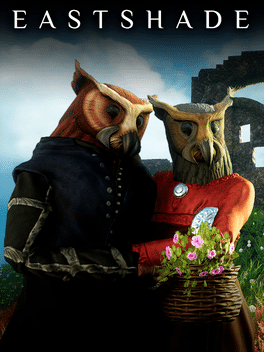
The estimate is corroborated by Eastshade developer Danny Weinbaum, who reported roughly $2 million in gross revenue across all platforms, translating to about $1.1 million after platform cuts.
A separate, later piece on the same page covers Chris Zukowski's analysis of Steam "wishlist inflation," using data from 160 games split into 2020-2022 and 2023-2025 release cohorts. In the release month, newer games sold 0.22 copies per wishlist versus 0.45 for the earlier group, and by year-end 0.7 versus 0.99. Likely causes include easier wishlisting on Steam and festival-driven hype. Zukowski concludes that wishlists still predict sales as reliably as before, though the conversion coefficient has shifted, and that wishlist velocity offers comparable forecasting power.
Each row is a game or company this document names, each column a document, oldest first. A mark means that document names it. Select a row to see those documents.

Game World Observer · 2026
Game World Observer · 2026
Game World Observer · 2026
Game World Observer · 2026
Game World Observer · 2026
Game World Observer · 2026
Game World Observer · 2026
Game World Observer · 2026
Game World Observer · 2026
Game World Observer · 2026
Game World Observer · 2026
Game World Observer · 2026
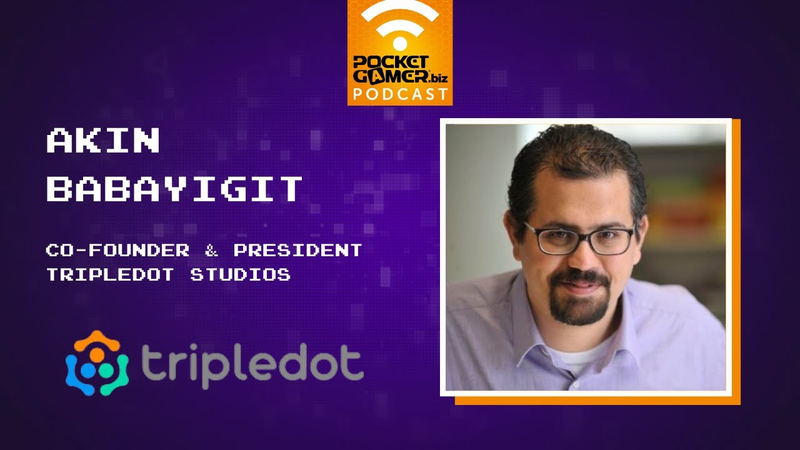
PocketGamer.biz · 2024