1 free read left. Create a free account for unlimited reading + AI research.
Create free account
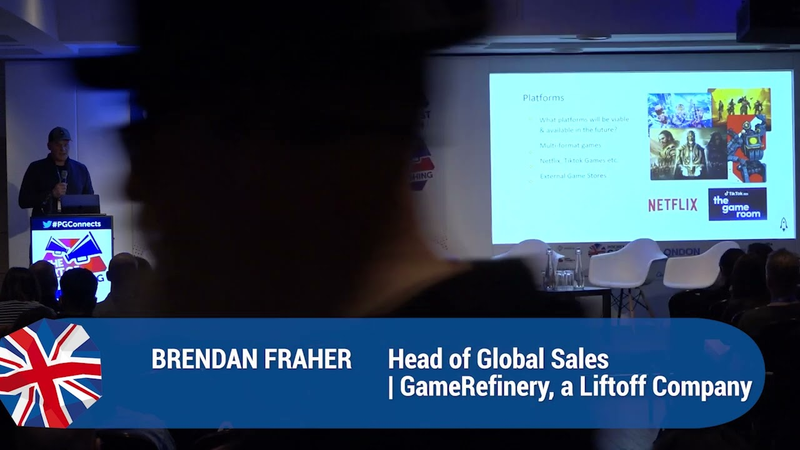
How Game Developers Have Solved Current Market Challenges -Brendan Fraher of GameRefinery.
Key insights
6 takeaways- 01Mobile developers are increasingly adopting a multi-platform strategy, expanding titles to PC and console to reach broader audiences and circumvent mobile store restrictions.
- 02Traditional genre boundaries are dissolving as player motivations evolve, evidenced by mid-core titles like Call of Duty Mobile where users demand high levels of social features and customization.
- 03The industry is shifting toward a 'game as a platform' model, where mini-games that offer tangible rewards like character shards or in-game currency are used to sustain long-term player engagement.
- 04Developers are successfully lowering innovation costs by integrating proven features from other genres—such as seasonal passes, decoration systems, and mini-games—into their core gameplay loops.
- 05Game hybridization is now a standard industry requirement, with 100% of new strategy games incorporating RPG-style mechanics and over 80% of casino games utilizing collection-based meta-elements.
- 06To maintain relevance in a competitive market, developers must move away from viewing mobile as an isolated ecosystem and instead implement high-definition experiences and mechanics traditionally reserved for console and PC.
Ask AI about this video
Transcript
foreign [Music] [Applause] game Refinery who is going to talk to us about how game developers have solved current marketing challenges from game Refinery thank you very much Oscar hello everybody um I guess we have a couple of slides and to go through yes all right so as Oscar said uh topic today is how gamer finders have solved current market and challenges we
all know let's say there's a degree of let's say turbulence let's say and maybe even let's say four coming turbulence let's say at the game Market let's say is going to be let's say um Facebook um a little bit let's say about um about us um so those of you are not familiar with game Refinery Mark ask me do I have it do I need a all right well maybe I'll talk through these lines yeah so as I was saying that um doesn't there are let's say a lot of let's say challenges let's say that are that are coming up not many developers have actually let's say been solving these let's say already a lot of the big let's say the companies let's say worldwide that they've been thank you so much yeah so a little bit about me um for those of you are not familiar with game Refinery we've been in operation over seven years uh we work with the major developers and worldwide
my role is to ensure growth of the company and we do this by delivering insights and solutions to our partners that are designed to meet their needs and what I'm going to do is I'm going to identify the most common ones in this presentation I'll provide as well as much as I can and what they've been doing to solve these challenges we change the names a little we know that developers don't like to share their competitive Advantage let's say with the competition but to get on so that the the learnings and the solutions are from let's say a lot of the tier one developers uh East and West uh established let's say Regional developers as well and um and fast growing developers too some of these challenges that you may already know are unless you already have highlighted uh we hope to give you some ideas on how to solve them and we also hope we can also confirm some assumptions on what you've been doing to try and solve your challenges so uh today's top three takeaways we start with the end what the conclusions are so
platforms uh where do people play games what's available to them and what do developers expect to be available uh questions uh people are asking is what should we be looking out for what seems to be growing what's viable and so on and can we start moving let's say you know to other that can we start moving out of handhelds let's say are they let's say um something let's say that's relevant for us uh players who is your audience and then very importantly who could be your audience are you reaching them all are there ways to reach it is it only let's say true um true true UA what are other companies doing what motivates them to play what could motivate them to play how do we get to find them now as we know targeting is a lot more difficult now but there are ways to get around them and we'll go over some of those and then relevance uh free to play market trends are very much a moving Target I think that's what people love so much about the mobile game industry move so fast uh many different genres lots of hybridization Lots let's say of interesting let's say new games coming up markets let's say are different learnings from those let's
say as well so many genres many different player types and of course to make it even more complicated we're seeing hybridization in the best performing genres as well so how can we make right decisions on what to bring to our games and best case just have the right shortlist let's say of features that we should be let's say bringing so let's be making the right decisions and let's stay relevant in a competitive market so platforms so free to play is expanding rapidly to other other platforms that is what's happening now you're going to see let's say a lot of let's say games what if historically been let's say on mobile appearing let's say on other platforms it's a big opportunity to reach new and more players Escape store restrictions as well let's say and so on biggest examples course of extensions let's say in the Diablo Immortals that's not it because of course we're seeing very similar heart HD experiences on mobile for example like apple Apex Call of Duty mobile the technology is there and you
can have similar similar if not let's say the same let's say Experience mobile gaming is not just turn based 16-bit let's say anymore those things are a thing of the past I'm sure everybody knows this players now expect more and what's great is that we can give them more too but the main questions have been asked are how viable are these new platforms and can we meet reach more and players if we do decide to go let's say a multi-platform so many developers have been looking let's say at a PC and free to play let's say on Console you're going to be seeing let's say a lot of that I would advise everybody to start looking seeing let's say which ones let's say would be um let's say a new let's say platforms let's say outside there uh stereotype let's say police PC games would be like all guys like Oscar and I uh who like playing Total War and let's say simulation games but that's not the reality of course um some of the most popular type games let's say on PC let's say are Roblox where the people that they mainly play let's say fortnite let's say and so on you know the younger Players let's say are on there it's really diverse let's
say um platform platforms like Netflix tick tock lots of the major developers and even let's say smaller ones let's say are really looking at those evaluating them are they there yet are they let's say viable you know is there an actual let's say um is there a route to success there too an external Source uh can we be more successful if we have payments outside at the big players and new platforms for mobile games are becoming very real and developers are breaking new ground on those um every week and many of the new developers are HD developers are looking to the free to play market for engagement mechanics uh because they know that that it's the right test lab for what works so it's actually going the other way so anyone in Mobile start really thinking let's say about let's say in platforms many of the major developers are actually doing it and then players so let's get the obvious stuff out of the way uh Mobile gaming is a platform
players just don't have one game let's say on their phone in fact they have many over let's say a long period of time short period of time median period of time and that spread of games let's say can fit to let's say um a profile so questions developers have been asking who is your audience and then what is their motivations let's say for playing that one question I always like to ask developers are is that do you know what the number one fashion game on the market is at the moment and most people would say well it's a project makeover you know is it let's say love Nikki and so on no it's Call of Duty mobile that's the number one because mid-core players they love their customization and decoration weapons skins uniforms emotes let's say and so on so uh do you like competing against others and of course let's say having let's say their Dali dress up as well or action figure let's say customization so developers are looking at this so that no matter the genre and what are the successful games doing let's say to be engaging let's say in monetizing and then how can we get to those let's say Players let's say as well
uh there's a real reason let's say why seasonal passes let's say in piggy banks that are appearing let's say in casual games and the same way on the other side why collectible albums and non-competitive killed events let's say appear let's say in slot games there's a real overlap let's say of the audience uh they're attracted by the core but then they stay let's say you know for the matter so there's what we start thinking is well what other games do they play from a motivational let's say point of view and again developers are looking what are those games they're playing what are the features that they're being used let's say to engage those players just because it's in a casual game doesn't mean it can't work in a slots game if the top games and slots all have particular types let's say features they can absolutely work let's say in casual games similar as well on strategy games well people who make strategy games play RPG games and there's a reason why you're going to see all of the major strategy developers are going to have a RPG meta indoor games
coming coming let's say in the next let's say a couple of quarters what those features are going to be well the blueprint's already there they're successful RPG games out there we go and look at what have they been doing how have they been doing it and then start bringing those let's say into their games which then brings us to relevance so how are they doing this in practice and what's been done right now and what's coming Okay so many other major challenges Innovation is expensive I mean everybody knows this right questions are what should we do and how should we do it and then also start looking at liveops we need to know what good looks like right and then start steam that where's the opportunity space inside there so with this it's not a big surprise in the room to hear but then of course you're like how do you solve it how do you solve let's say uh expensive Innovation well
absolutely innovate I blow the doors of what's possible of course you know be unique and so on but then also give the market what it says that it wants at the moment what's happening with the top 20 15 what are they doing see that maybe as the Baseline that's the foundation and then start let's say moving moving from there like a good example let's say of this would be the second biggest fashion game on the market project makeover the top genres for women aged 20 to 40 are matched tree games fashion games and narrative games and then that's what they did they created a game that meets all of those drivers I will get into that let's say a little bit again about how you can even let's say use let's say all of that to start looking let's say at different audiences as well so super important to be looking at the top performing games what are they doing to keep their games relevant and what updates are they bringing because again we know let's say that the market is absolutely very much let's say a moving Target and then this is one of the next
ones hybridization hybridization is an Ultimate key to success look at what's working and then start bringing it into let's say our our games so a couple of tree numbers here which are really interesting more than 80 percent of casino games use collection hybrid matters and why is that because it's been working in casual games it's been tried and tested the blueprint is already there there's no need to innovate let's say on this um a couple years ago that was zero and now look at it 100 of the new strategy games um are all hybrids what type of hybrids RPG hybrids why is that because they share the same audience just as I said before and then how should we be doing it well they're successful RPG games out there have a look what they're doing water let's say they're best performing let's say um features I maybe start thinking about like you know to bring it you know to your games and then 60 of the most successful match three games utilize the hybrid meta elements uh and that's growing let's say all the time like decoration events I mean how many match three games have we
seen with a a decoration meta that's completely disconnected from the game because the market and the players actually want it so uh if you're smart you'll choose something that doesn't break the core which of course is very expensive to develop an interface with the main game but then having a nice collection renovation renovation meta that gives some rewards like for your existing currency for example lots and lots of different let's say methods let's say and benefits to that too but it's not just features and I keep the game fresh let's look at a couple of different examples of wow let's say developers are doing this and have teams looking at this is that having the additional let's say matters also allows you to be able to let's say reach out more so project makeover and a great example let's say of a of a of a really unique way of let's say using let's say you know the additional meta elements that they brought it allows them in their creatives to move out of their Lane without the need of having Rogue gags
should I say which potentially could generate a bad feeling with the audience of course no one likes let's say being catfished and so on so the lines are being blurred so I would say go for it uh similar as well with puzzles and survival and absolute UA let's say success story yes it's a SLG game but their UA execution was relying leaning in really really heavy onto the match tree element there are a lot of examples of match trees of good let's say creatives let's say in campaigns out there they didn't have to let's say you know to invent the wheel let's say at all here okay and then another example we'll go into a little bit more detail detail on going on let's say from hybridization is bringing mini games to the actual let's say again bringing me mini games to your games we're going to see a huge trend of this this coming let's say this year because they're already let's say being let's say um developed so
if we take a look let's say at uh AFK Arena so it's a very successful Auto Battle RPG but what they've done is over the last let's say couple of months they've brought in a matchstree Mini-Game a Shoot Em Up mini game and also let's say a dice aboard dice let's say minigame let's say as well and what they've done is that when they brought it in it was really just the mini games added let's say to an additional let's say an additional let's say element that the players could play to keep it fresh let's say against all of the other let's say um uh idolarpgs out there as well but that you could play The Match 3 game but it didn't break the game because what it was doing was was generating more gotcha tickets and gotcha and character shards so that in essence you were just being able to let's say uh generate a lot of let's say the the currency inside in the game but also keeping let's say you know the feeling let's say I'm fresh as well so uh when they brought their uh match
three it was a pure match three no um RPG let's say element of it as well 90 levels any match three developers here will know that let's say that's let's say just Amateur hour that's tiny amount of number a number but it was fully linear there was no monitorization but the idea was was that it starts bringing let's say new gacha charts um a lot more let's say um uh in-game let's say currency and so on didn't break the game but provided something fresh let's say for the Players let's say as well similar as well and this brought in the um the shoot em ups they didn't just invent this let's say out there they went and looked let's say what were the biggest let's say uh and successful shoot them up let's say games let's say on on the market use that let's say as the blueprint worked out what the what the correct let's say um progression would be and yet again starts giving you gotcha's different character shards let's say and so on and they didn't stop there because then when they brought their
dice board events which it was a very very interesting let's say um PVP event where what you can do is you can you can have let's say different buildings that generate stuff and so on but again same idea look to all of these other let's say um games that actually had this saw that it actually innovated they had the right let's say blueprint let's say for it was able to quickly let's say create a um a mini game that didn't destroy the game but also lets it add it and of course a lot of their UA let's say campaign was let's say on this as well so I said the the mini game Loop here doesn't take away to the main game acts the main game it still let's say an idle RPG but what they do have is is just lots of currency that's been let's say created that has mini games that actually appeal to the players which of course keeps them let's say relevant let's say as well so as I'm yes running out of time um we want to keep this let's say a
tight 20. so look all of we all know let's say mobile gaming is a platform so what we've seen is all of the major the most successful developers be it let's say big or small looked all genres don't just look let's say to your lane don't just look let's say what what let's say your closest competitors are doing think who is our audience who could our audience be and then start looking well what's best to breed social features what's best to bring iaps what are best to breed let's say events what are best to breed let's say passes and so on what our best to breathe and then of course hybridization because it's a way of being able to innovate fast keep up let's say what the market wants but also allow you let's say you know to do let's say your own unique part as well so with that and I'm not going to make Oscar let's say too upset let's say I'll be happy to listen to have any questions let's see from anyone thank you very much that was great thank you so uh I think we've got him I've actually got a minute to have a copy of questions we have a minute so anyone got a question I mean I
personally find it fascinating when you can actually show the use of this hybrid model in terms of the games I think I mean one of the things I wonder about is um with all the sort of fake lessons that we've seen where people have started to take these fake ads and started to actually use them as game mechanics properly is that where this hybrid mechanics coming from or are you seeing there are they kind of testing mechanics to put into other games or is it actually intrinsic to the new game so what I would say Oscar is at the start it was like drawn spaghetti at the wall what works and stuff like that yeah so having like you know like you know like small little mini games and then people would go and it's like okay that's not the game but then when you see less with other developers that they would actually have like the same AFK like is a really great example those minigames they don't add to the main thing at all but they're there let's say on let's you know the the bar at the bottom so it's not Rogue it's like I was brought here to play let's say shoot them up I can play shoot them up but then the progression on those kind of pull me in lets you know to the main part which is the main Monitor and they can they can
sort of see how they can engage in that game and then evolve with the other mechanics that then keeps them playing exactly and that's the smart that's the smart way of doing it yeah and I think that's the it was an interesting conversation in Helsinki about those fake ads and how everybody hates them but actually what we're seeing is we're showing accessibility and if you can to show a reason to return in a game that gives that same sense of accessibility then it works make sense got it uh last chance for a question if anyone had one rather than just me talking I will say in that case Brandon thank you so much sir that was great pleasure thank you [Applause] [Music]
[Applause]
Summary
The mobile gaming industry is currently navigating a period of significant market turbulence, prompting top-tier developers to adopt new strategies to maintain growth and engagement. The primary thesis is that developers can overcome these challenges by embracing platform expansion, diversifying audience targeting, and utilizing game hybridization to keep titles relevant in a fast-moving, competitive landscape.
Key findings indicate that mobile gaming is increasingly expanding into multi-platform environments, including PC and console, to reach broader audiences and bypass store restrictions. Developers are no longer viewing mobile as an isolated ecosystem; instead, they are adopting high-definition experiences and engagement mechanics previously reserved for other platforms. Furthermore, audience analysis reveals that player motivations are shifting. For instance, mid-core players in titles like Call of Duty Mobile demonstrate a high demand for customization and social features, proving that traditional genre boundaries are becoming increasingly porous.
Hybridization has emerged as a critical strategy for innovation. Data shows that over 80% of casino games now utilize collection-based hybrid meta-elements, while 100% of new strategy games incorporate RPG-style mechanics. This approach allows developers to integrate successful features from other genres—such as mini-games, decoration systems, or seasonal passes—to refresh gameplay without disrupting the core loop. By analyzing successful blueprints from top-performing games, developers can effectively lower the cost of innovation and improve user acquisition.
The industry is moving toward a model where games act as platforms for diverse experiences. By incorporating mini-games that provide tangible rewards, such as in-game currency or character shards, developers can maintain player engagement and provide fresh content that aligns with market trends. This analytical approach to feature integration, combined with a willingness to look beyond one’s own genre, serves as the primary mechanism for sustaining relevance in the modern mobile market.