1 free read left. Create a free account for unlimited reading + AI research.
Create free accountWhitepaper Journal of Games, Game Art, and Gamification
1 free read left. Create a free account for unlimited reading + AI research.
Create free accountWhitepaperJournal of Games, Game Art, and Gamification
Sesame Credit functions as a massive, gamified social control mechanism in China, designed to monitor and influence the behavior of over one billion citizens. By integrating financial history, consumer habits, legal compliance, and social media interactions into a scoring system ranging from 300 to 900 points, the system incentivizes desired behaviors through rewards like shopping discounts and priority services, while imposing penalties such as travel restrictions for low scores. The primary thesis posits that while the system is marketed as a tool for fostering social sincerity and commercial integrity, it effectively serves as a sophisticated instrument of state surveillance and behavioral modification.
The analysis utilizes the Octalysis gamification framework and Self-Determination Theory to evaluate the system’s mechanics. Findings indicate that Sesame Credit relies heavily on extrinsic motivation and "Black Hat" tactics—such as scarcity and avoidance—to compel compliance through fear of social exclusion and loss of privileges. Although the system exhibits high approval ratings among certain urban and younger demographics, the research concludes that its efficacy is rooted in a combination of China’s historical tradition of obedience to authority, advanced big data monitoring capabilities, and the promise of material prosperity.
The scope of this study covers the implementation of the social credit system in China leading up to its planned mandatory status in 2020. The methodology is qualitative, relying on a comprehensive review of academic literature, Chinese government documents, and media reports. Because direct observation of the system’s internal operations was impossible, the study synthesizes existing secondary data to interpret the socio-political implications of using game design elements for large-scale social engineering.

Journal of Games, Game Art, and Gamification · 2026
Journal of Games, Game Art, and Gamification · 2025
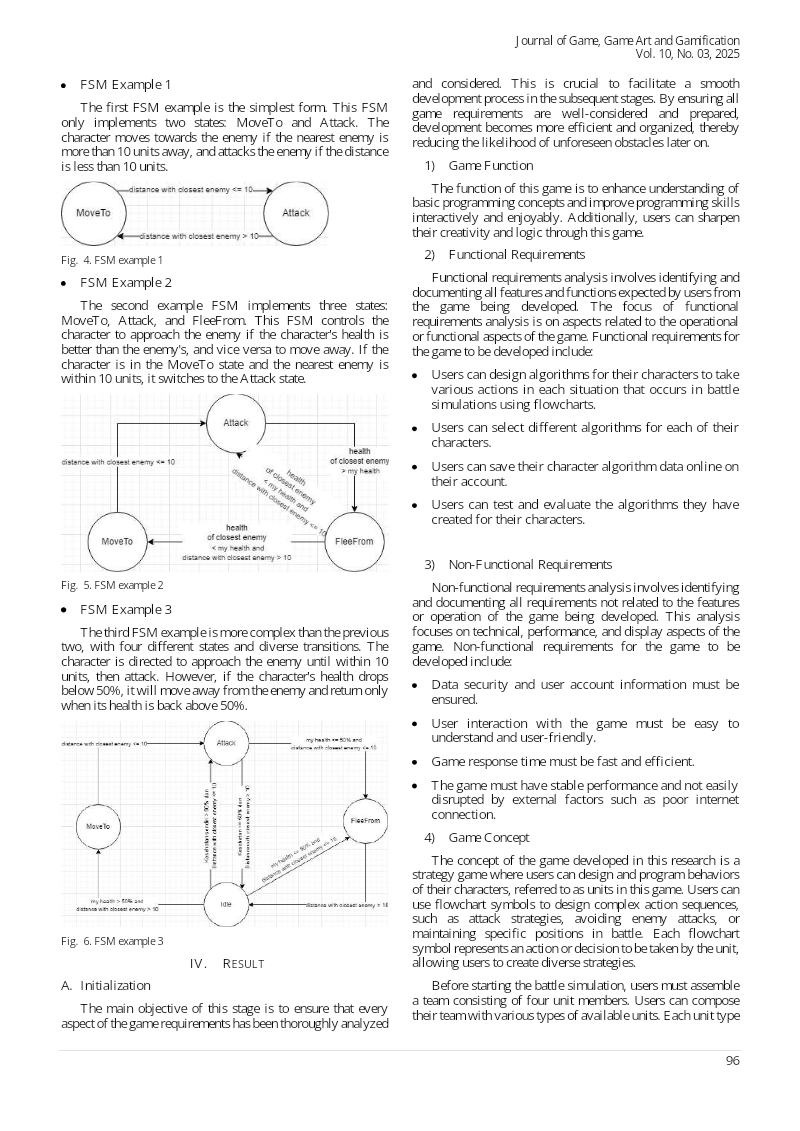
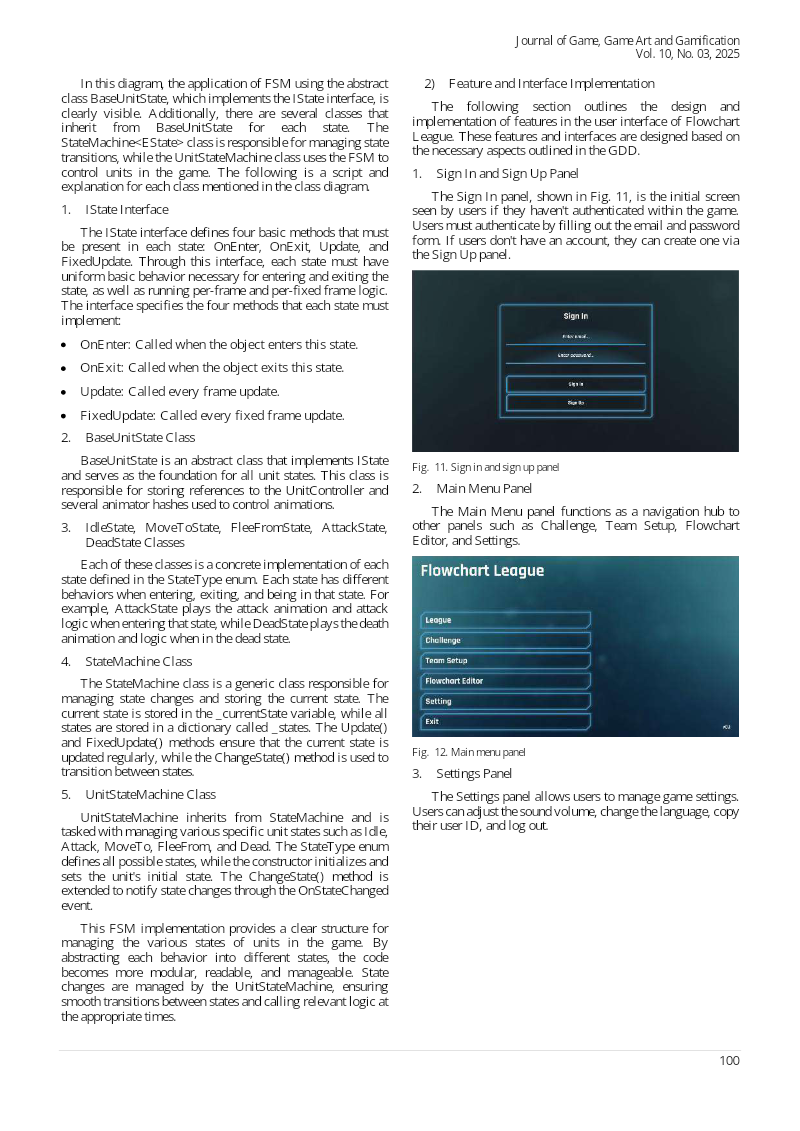
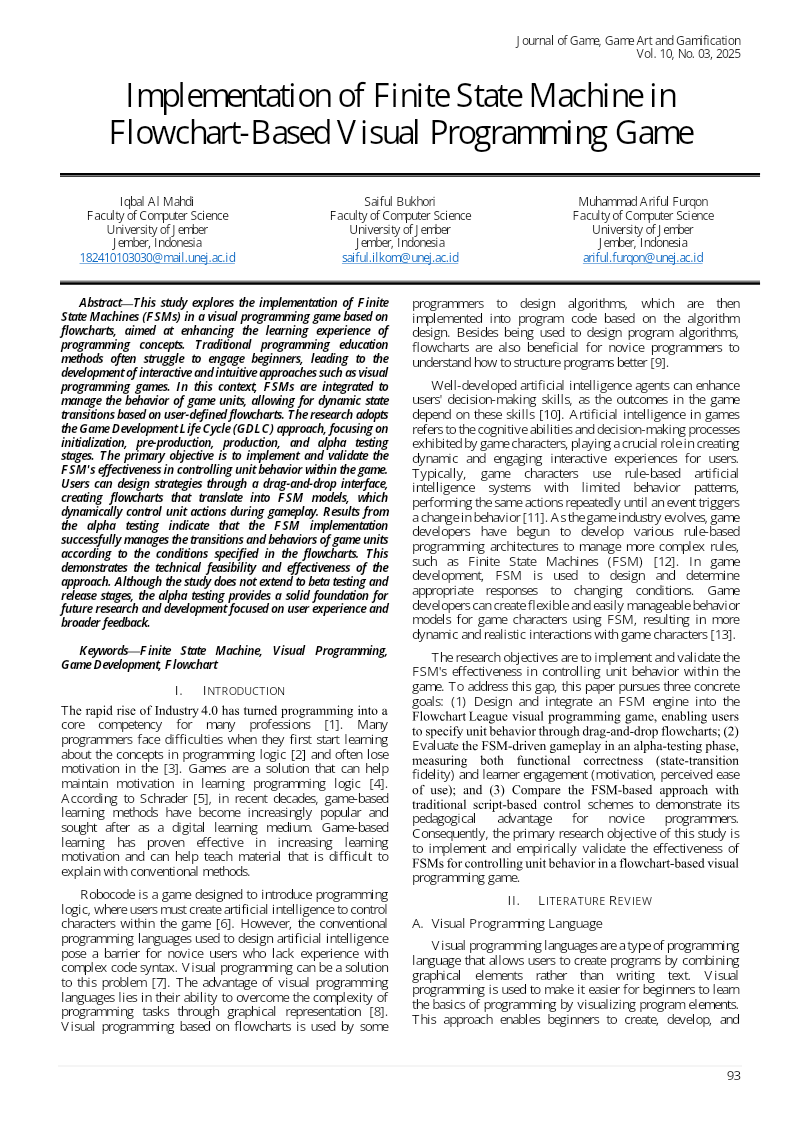
Journal of Games, Game Art, and Gamification · 2025
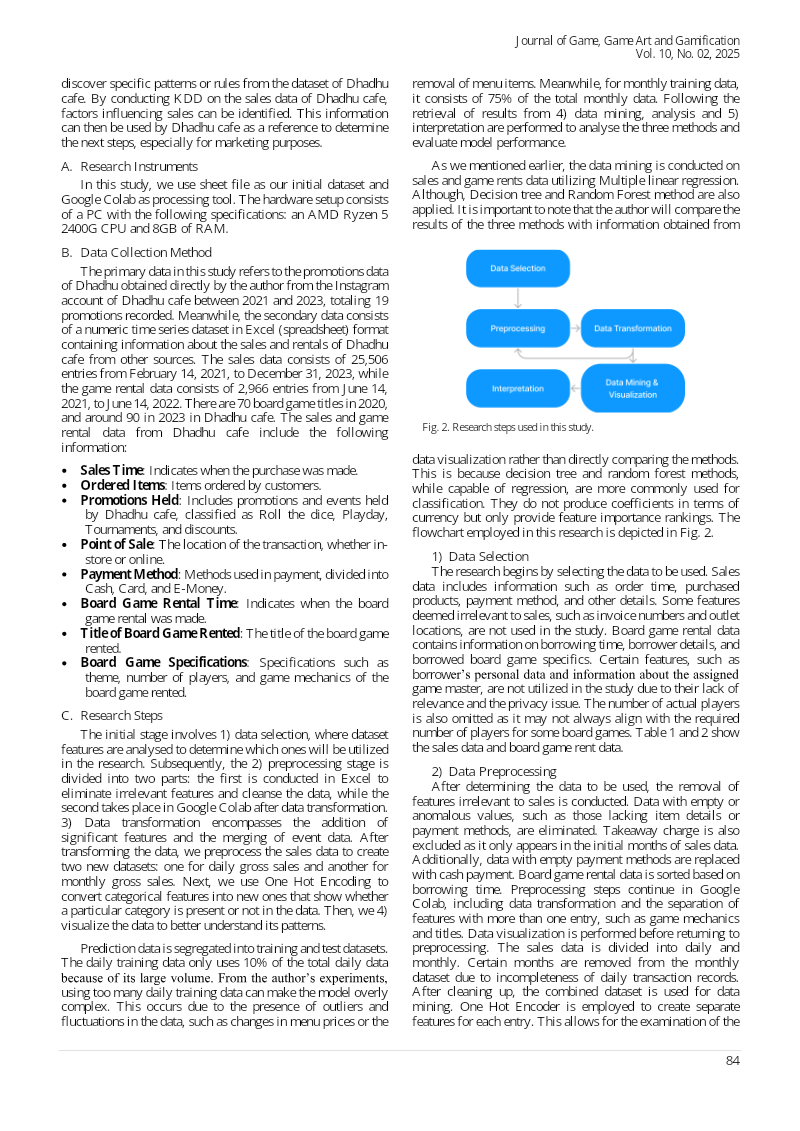
Journal of Games, Game Art, and Gamification · 2025
Journal of Games, Game Art, and Gamification · 2025
Journal of Games, Game Art, and Gamification · 2025
Journal of Games, Game Art, and Gamification · 2025
Journal of Games, Game Art, and Gamification · 2025
Journal of Games, Game Art, and Gamification · 2025

Journal of Games, Game Art, and Gamification · 2024
Journal of Games, Game Art, and Gamification · 2024
Journal of Games, Game Art, and Gamification · 2024
gamevironments · 2026