ArticleGameDiscoverCo
Schedule I's Solo Smash Hit & the Rise of the 'Crewlike'
28 Mar 20251 page~8 min full read
Key insights
6 slides
Key number
Schedule I reached 190,000 concurrent users on Steam.
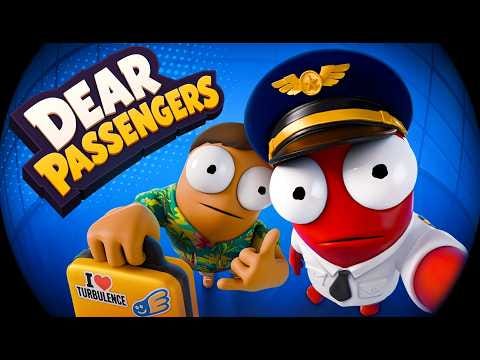
The solo-developed title achieved significant commercial success. It blends accessible resource-management loops with high-engagement co-op multiplayer.
What changed
The indie market is shifting toward 'crewlike' titles.
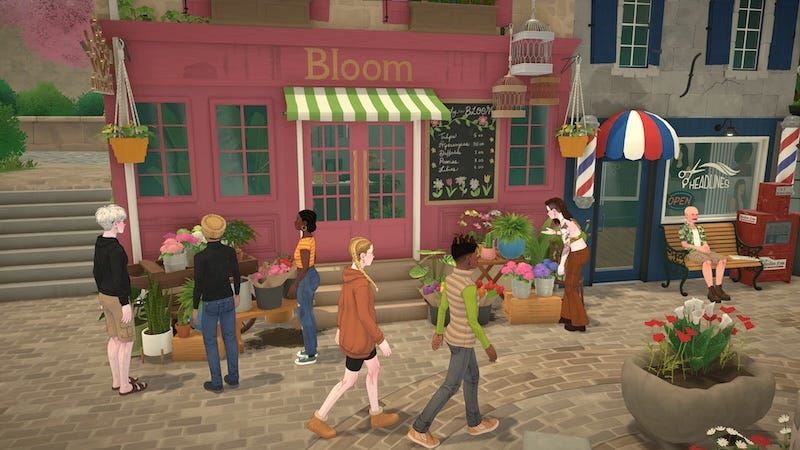
This subgenre is defined by first-person experiences that prioritize social interaction, voice chat, and collaborative goal-setting among players.
Core loop
Crewlike games combine resource management with social collaboration.
The genre succeeds by combining accessible resource-management loops with high-engagement, voice-chat-driven social collaboration.
Discovery engine
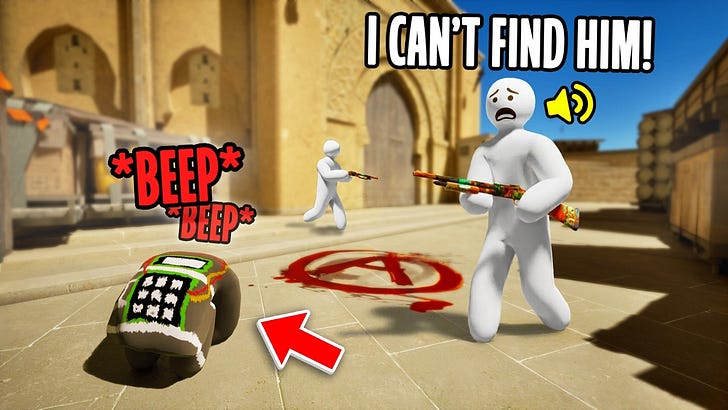
Watchability on social video drives independent developer success.
High watchability incentivizes influencer participation and organic discovery.
Discovery shift. Commercial success for independent developers is increasingly driven by 'watchability' on social video platforms.
Tooling access
Unity enables solo developers to build complex co-op projects.
Democratized development tools allow solo developers to execute complex online co-op projects. These projects compete with larger, studio-backed titles.
Design priority
Market demand prioritizes intuitive interfaces over high-fidelity graphics.
The market shows a reduced emphasis on high-fidelity graphics. It prioritizes intuitive user interfaces and entertaining, accessible social experiences instead.
1 / 6
Ask AI about this report