1 free read left. Create a free account for unlimited reading + AI research.
Create free accountWhitepaper University of Copenhagen
1 free read left. Create a free account for unlimited reading + AI research.
Create free accountWhitepaperUniversity of Copenhagen
Distilling the key insights…
Neural network-based games frequently face stability challenges when players identify and exploit specific model weaknesses to disrupt intended gameplay mechanics. To mitigate these adversarial strategies, an ensemble learning framework integrates a baseline neural network with specialized models developed through transfer learning. This architectural approach allows the system to recognize and counter distinct exploitative behaviors—such as distraction tactics, non-standard line work, or symbolic representations—without degrading the model's proficiency in standard, non-adversarial interactions.
The implementation of this methodology within the drawing game iNNk demonstrates that ensemble models provide superior consistency compared to singular neural networks. By training specialized components on targeted adversarial datasets, the system maintains high accuracy across diverse player inputs while effectively managing the risks of overfitting on limited data. This dual-layered approach ensures that the game AI remains robust and balanced, successfully adapting to unconventional player tactics while preserving the integrity of the core game experience.
While the current framework proves effective in controlled environments, the reliance on manual identification and collection of adversarial strategies limits its broader scalability. Future advancements in this field will likely prioritize the automation of strategy discovery through clustering techniques and programmatic data augmentation. These developments aim to transition the system toward a more dynamic and self-sustaining AI architecture capable of evolving alongside player behavior, ultimately fostering a more resilient and engaging competitive environment in neural network-driven gaming.
University of Copenhagen · 2026
University of Copenhagen · 2026
University of Copenhagen · 2026
Association for Computing Machinery · 2024
University of California Santa Cruz · 2024
University of Copenhagen · 2024
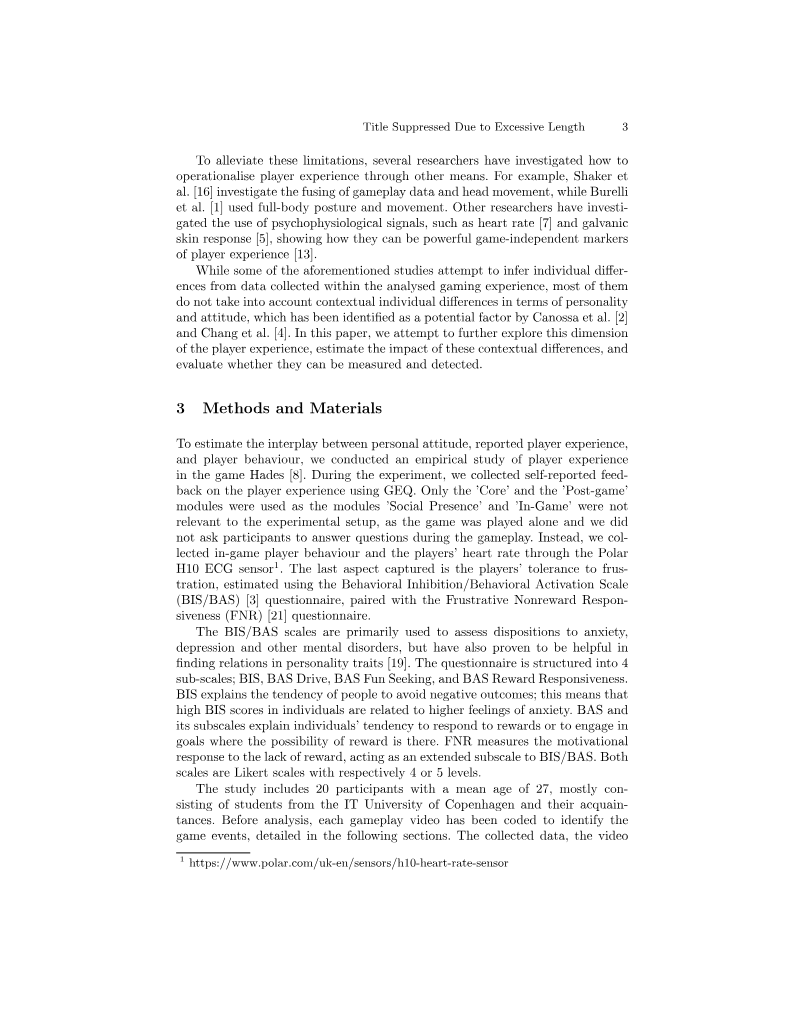
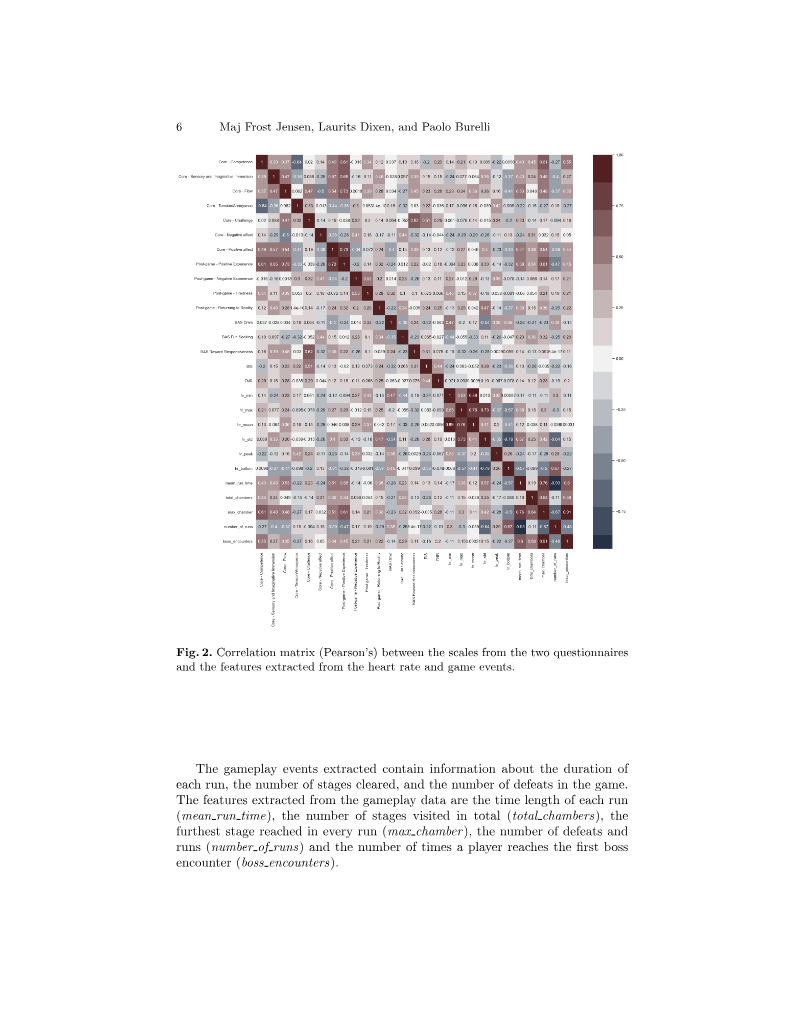
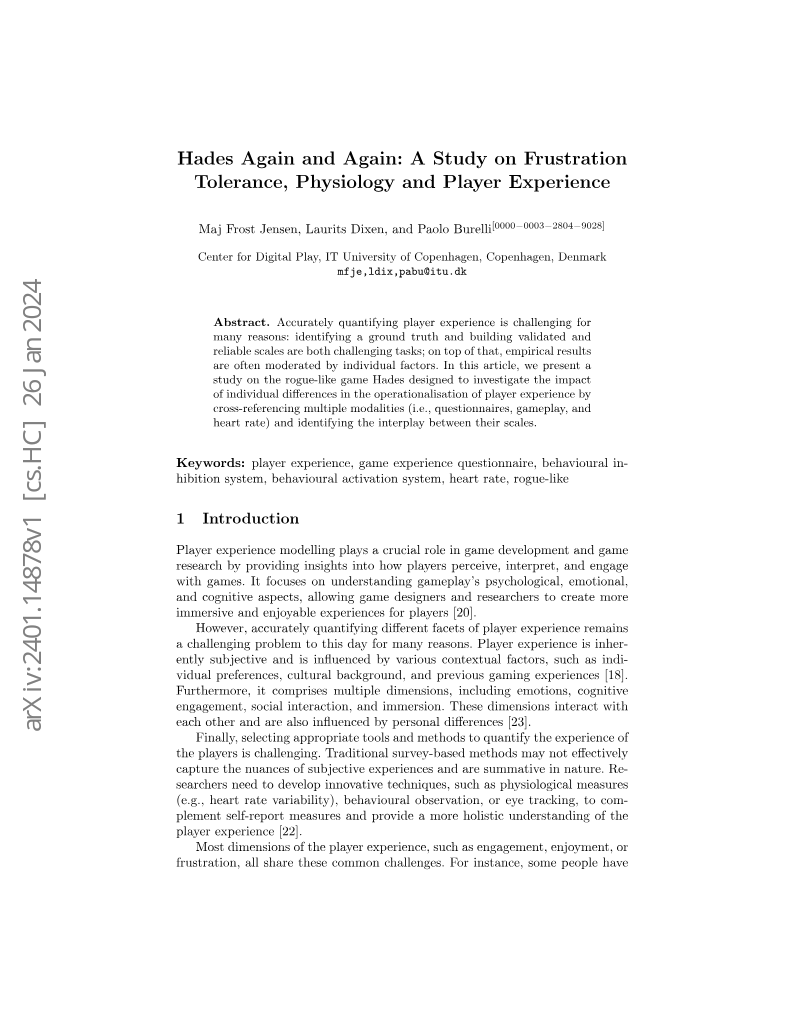
University of Copenhagen · 2024
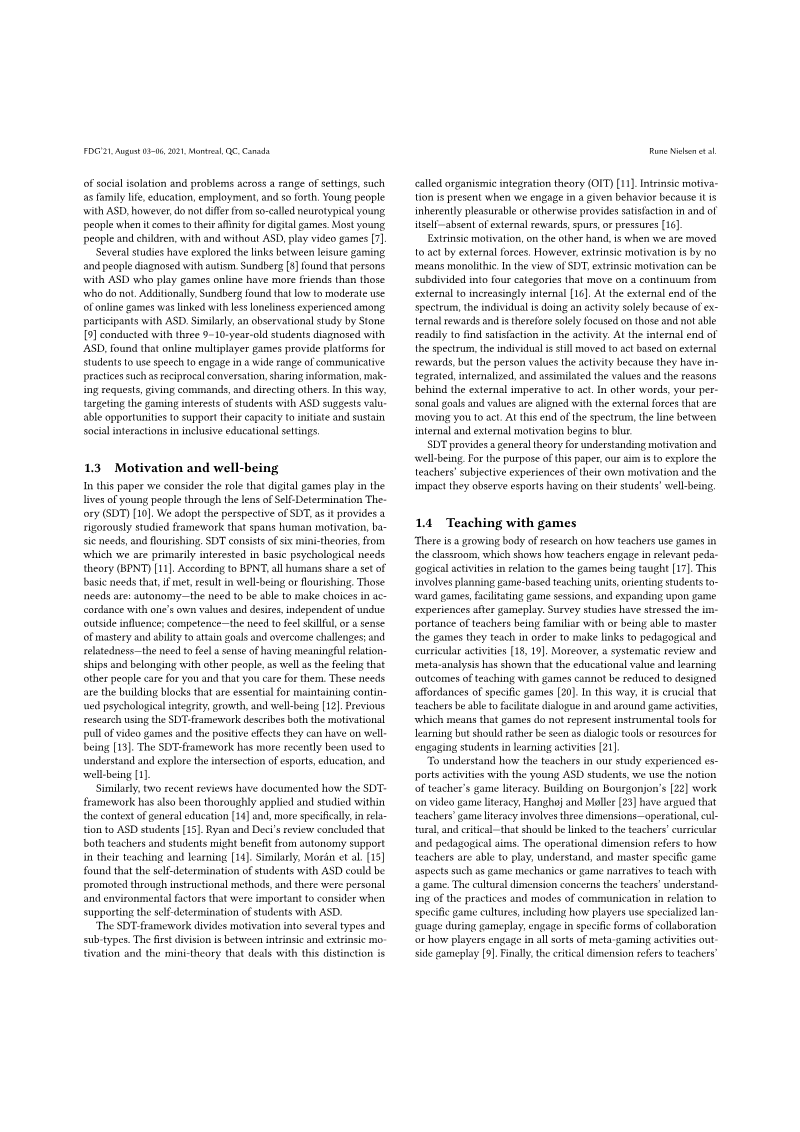
University of Copenhagen · 2021
University of Copenhagen · 2020
Drexel University · 2020
Drexel University · 2020
University of Copenhagen · 2020
University of Luxembourg · 2025