1 free read left. Create a free account for unlimited reading + AI research.
Create free accountWhitepaper Ludic Language Pedagogy
1 free read left. Create a free account for unlimited reading + AI research.
Create free accountWhitepaperLudic Language Pedagogy
Instructors and students co-construct narratives in real-time.
It's like building a story together brick by brick, rather than reading from a finished blueprint.
Core method. Story-asking involves instructors and students co-constructing narratives through targeted questioning.
Story-asking is a collaborative, ludic pedagogical strategy used in language instruction to foster student engagement and language proficiency. Unlike traditional storytelling, where a narrative is delivered to students, story-asking involves the instructor and students co-constructing a plot in real-time. By moderating the process through targeted questions in the target language, the instructor guides the class in defining protagonists, identifying problems, and brainstorming solutions. This approach is primarily utilized with novice learners but is adaptable for higher proficiency levels, serving as a flexible tool that can be integrated into single lessons or extended across multiple sessions.
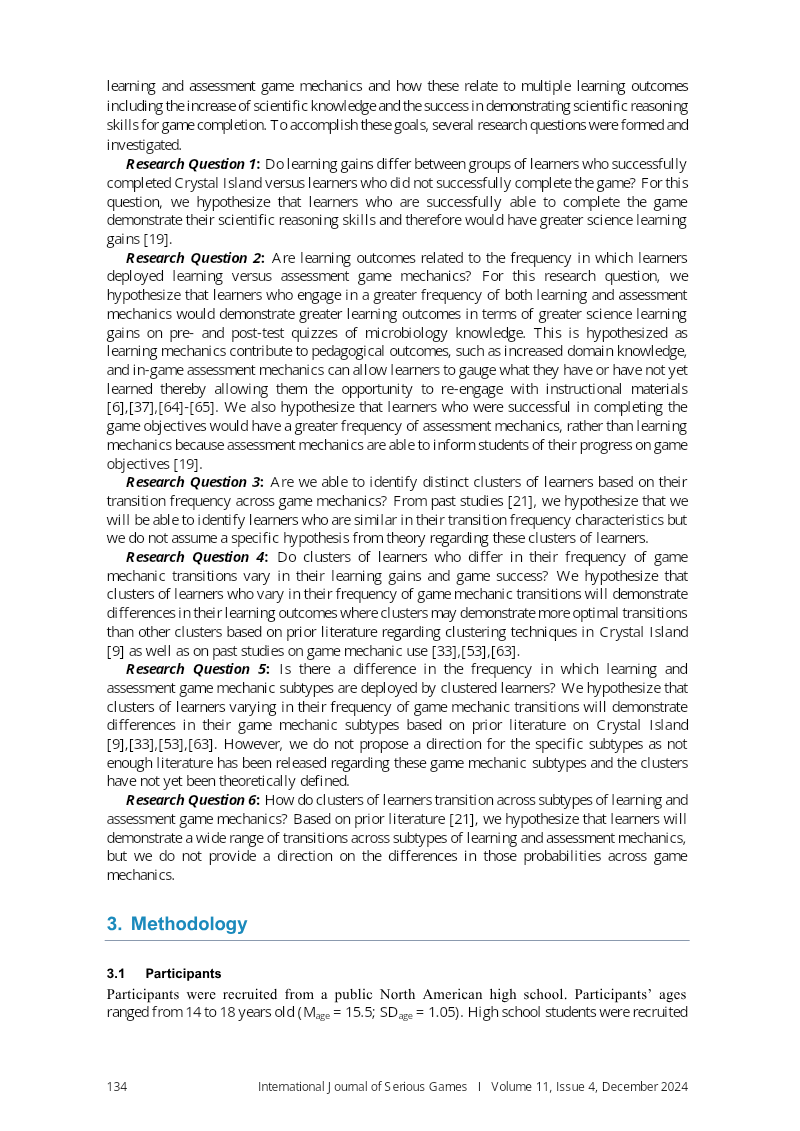
Research indicates that story-asking aligns with Self-Determination Theory by promoting student autonomy, competence, and relatedness, which significantly boosts intrinsic motivation. Studies comparing this method to other instructional approaches show that it consistently meets or exceeds learning outcomes in listening, speaking, reading, and writing. Observational data suggests that story-asking generates higher levels of student participation and vocal engagement compared to more conventional, teacher-led classroom activities.
Despite its benefits, the practice faces critiques regarding the potential for reinforcing cultural stereotypes or heteronormative tropes, as the narrative content relies heavily on student-generated ideas. To mitigate these risks, educators are encouraged to balance story-asking with diverse materials that center on authentic voices from target language communities. Furthermore, because the technique requires high levels of spontaneity and classroom management, professional development—specifically through observing experienced practitioners and participating in demonstration lessons—is recommended for instructors seeking to master this imaginative, input-based approach.
Ludic Language Pedagogy · 2026
Ludic Language Pedagogy · 2026
Ludic Language Pedagogy · 2026
Ludic Language Pedagogy · 2026

Ludic Language Pedagogy · 2026
Ludic Language Pedagogy · 2026
Ludic Language Pedagogy · 2026
Ludic Language Pedagogy · 2026
Ludic Language Pedagogy · 2026
Ludic Language Pedagogy · 2026



Ludic Language Pedagogy · 2026

Ludic Language Pedagogy · 2026
Serious Games Society · 2025