1 free read left. Create a free account for unlimited reading + AI research.
Create free accountWhitepaperSerious Games Society
Distilling the key insights…
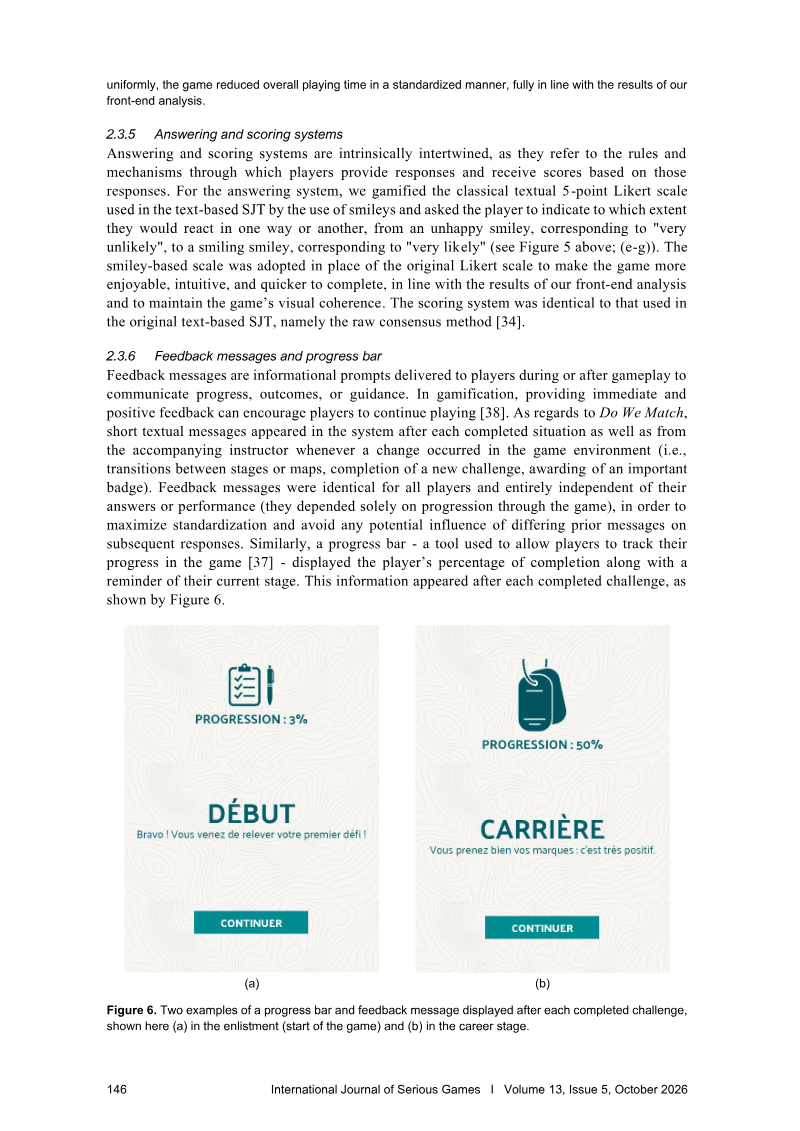
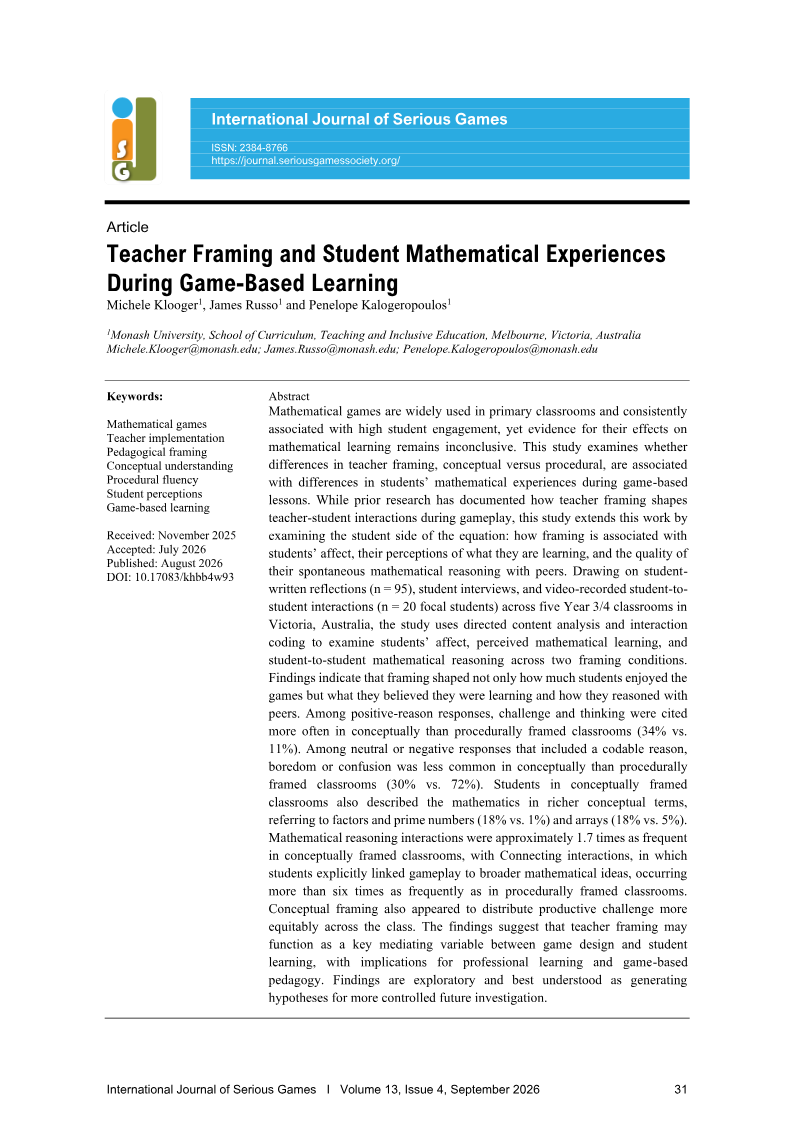
The Belgian Defense has developed a gamified Situational Judgment Test, titled Do We Match, to modernize recruitment processes by replacing traditional text-based assessments with an interactive, narrative-driven experience. By integrating game mechanics such as progression systems, badges, and immersive military storylines, the tool aims to increase candidate engagement while evaluating essential professional values like loyalty, collaboration, and flexibility. This initiative reflects a broader industry shift toward utilizing game-based assessments to improve the candidate experience while maintaining the standardized rigor necessary for high-stakes personnel selection.
The development process utilized an iterative Scrum methodology, balancing user experience design with the constraints of professional psychometric testing. Through a study of 544 military recruits, researchers compared the gamified version against traditional testing formats. Findings indicate that while the game successfully maintains acceptable reliability across most scales, it faces significant challenges regarding construct validity and internal consistency. Specifically, the introduction of visual elements and sequential item presentation appears to complicate the factor structure, resulting in limited item coherence compared to conventional text-based instruments.
Ultimately, the project demonstrates that while gamification can effectively enhance recruitment tools, it introduces inherent tensions between player-centric design and psychometric precision. The current data suggests that further refinement of item structures and more robust confirmatory factor analysis are required to align the tool with professional standards. Future iterations must prioritize reducing confounding variables introduced by game mechanics to ensure that the assessment remains a valid and reliable predictor of candidate performance. This work serves as a critical case study for organizations attempting to navigate the intersection of interactive entertainment and formal psychological evaluation.
Serious Games Society · 2026
Serious Games Society · 2026
Serious Games Society · 2026
Serious Games Society · 2026



Serious Games Society · 2026
Serious Games Society · 2026
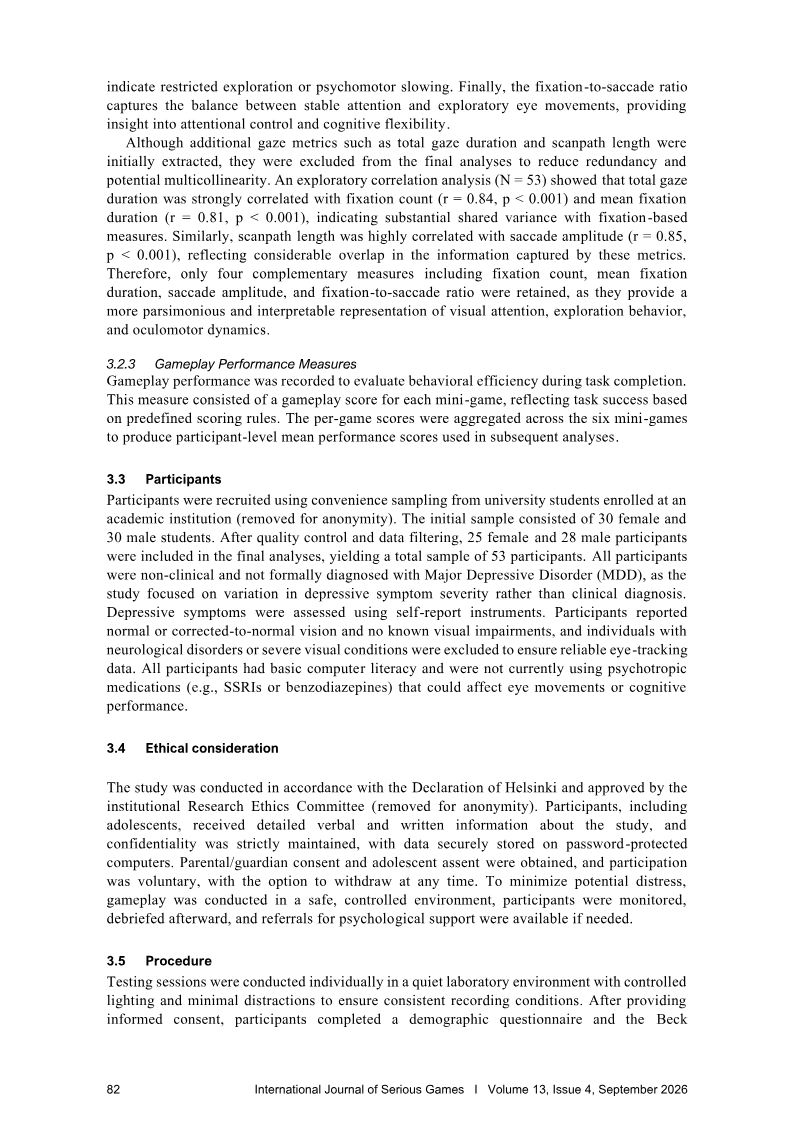
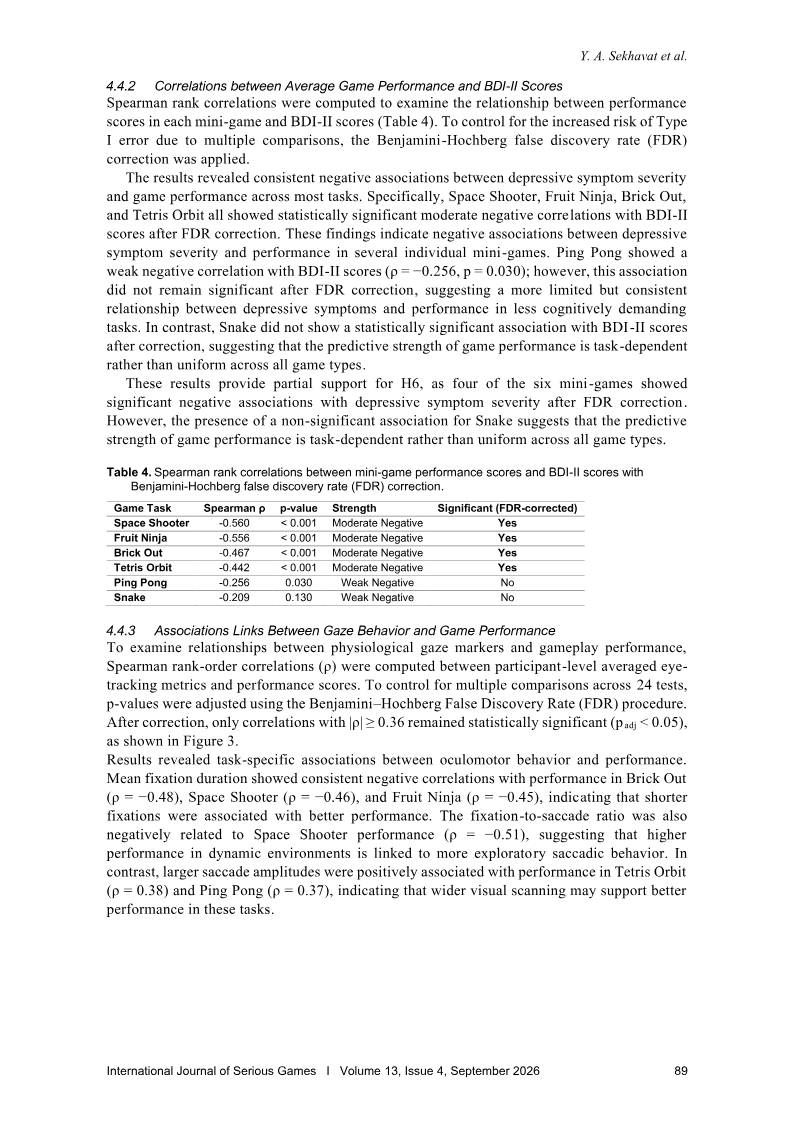
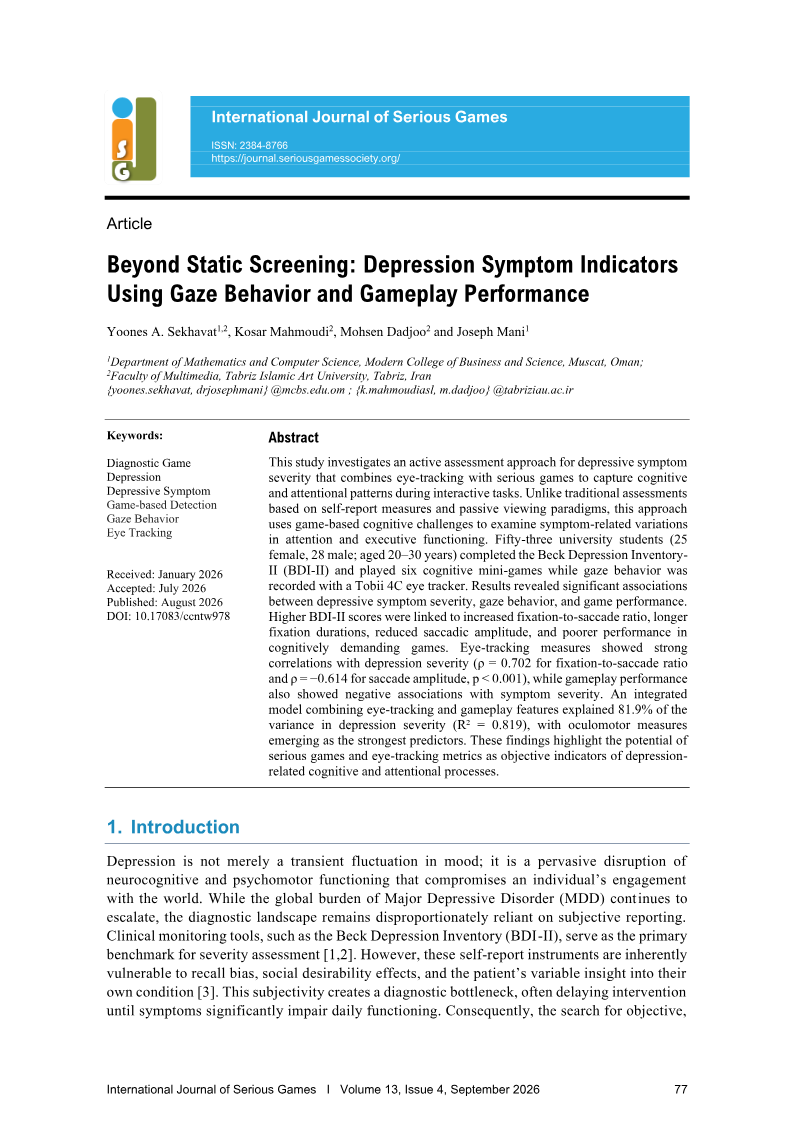
Serious Games Society · 2026
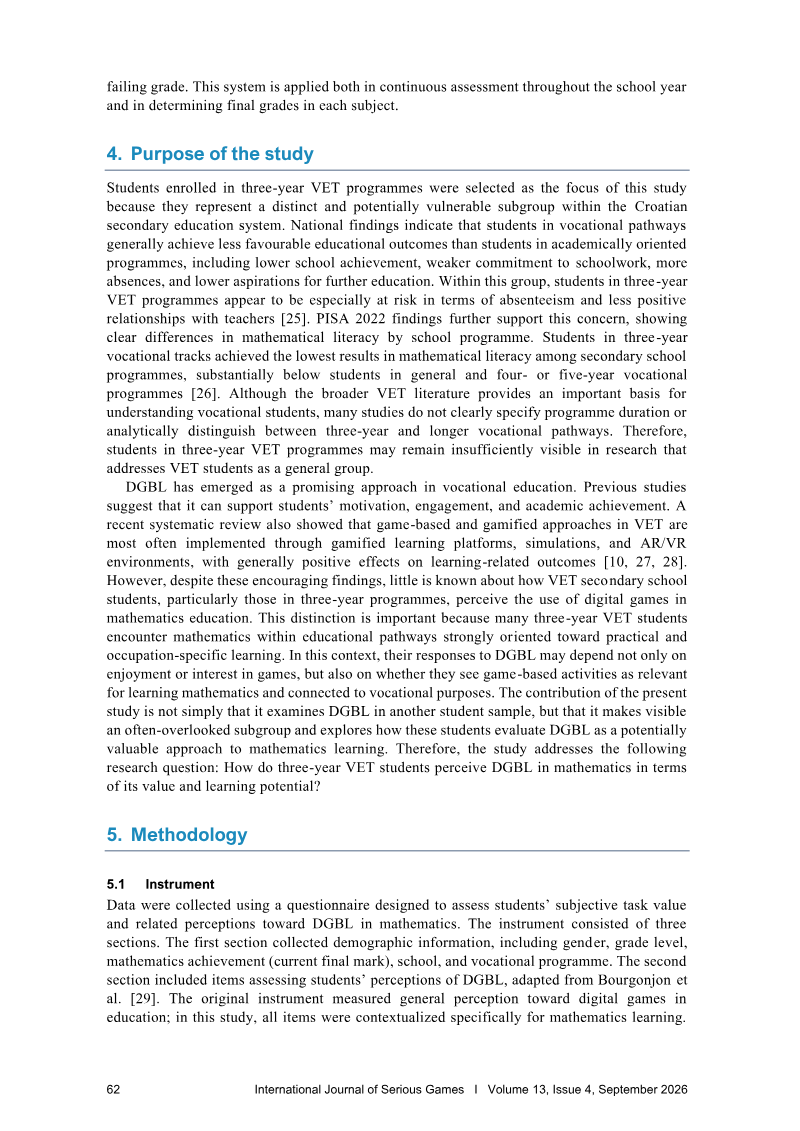
Serious Games Society · 2026
Serious Games Society · 2026
International Journal of Serious Games · 2026
Serious Games Society · 2026
Serious Games Society · 2026
International Journal of Serious Games · 2026



Comments