1 free read left. Create a free account for unlimited reading + AI research.
Create free accountWhitepaper International Journal of Serious Games
1 free read left. Create a free account for unlimited reading + AI research.
Create free accountWhitepaperInternational Journal of Serious Games
Distilling the key insights…
Serious games function as critical boundary objects that facilitate data exchange, mutual understanding, and collaborative problem-solving among diverse stakeholders. By structuring interactions and mediating complex service contexts, these tools enable organizations to move beyond traditional design methods. The primary thesis posits that serious games serve as essential mechanisms for both early-stage exploratory ideation and the final delivery of integrated service experiences, particularly within the state, government, healthcare, education, and urban planning sectors.
A systematic analysis of 88 research papers reveals a distinct functional divide based on medium. Physical games are predominantly utilized during the early phases of co-creation to foster collaborative exploration and ideation. Conversely, digital games—specifically simulation and management genres—are favored for their ability to model complex systems, making them ideal for scalable service provision and professional training. These findings suggest that the strategic selection of a game format is contingent upon the specific stage of the service design process and the desired level of system complexity.
Despite the clear benefits of gamified co-design, successful implementation remains contingent upon overcoming significant barriers, including high development costs and potential user resistance. Best practices for mitigating these challenges include the adoption of iterative design cycles, the employment of skilled facilitators, and the integration of robust collaborative mechanics. While current literature confirms the efficacy of these tools in facilitating stakeholder engagement, the field is currently constrained by a reliance on short-term evaluations. Future research must prioritize longitudinal studies to better assess the long-term organizational impact and the overall sustainability of game-supported service innovation.
International Journal of Serious Games · 2026
International Journal of Serious Games · 2026
International Journal of Serious Games · 2026
International Journal of Serious Games · 2026
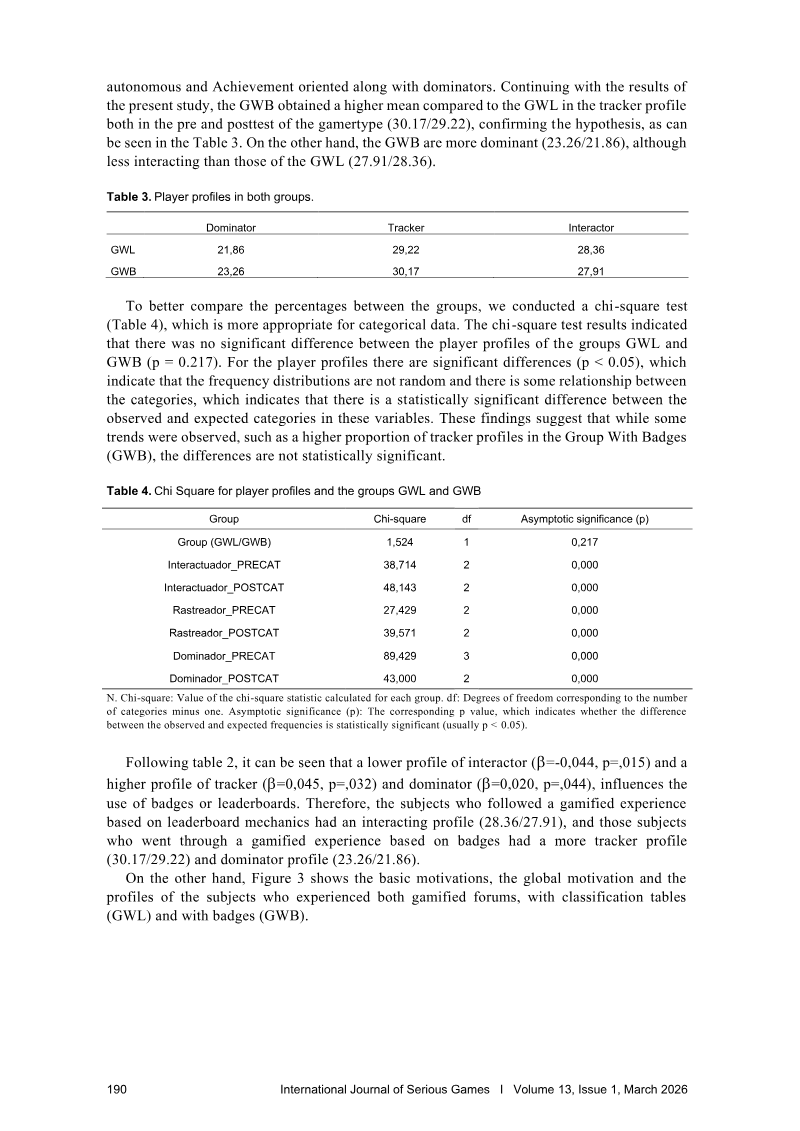
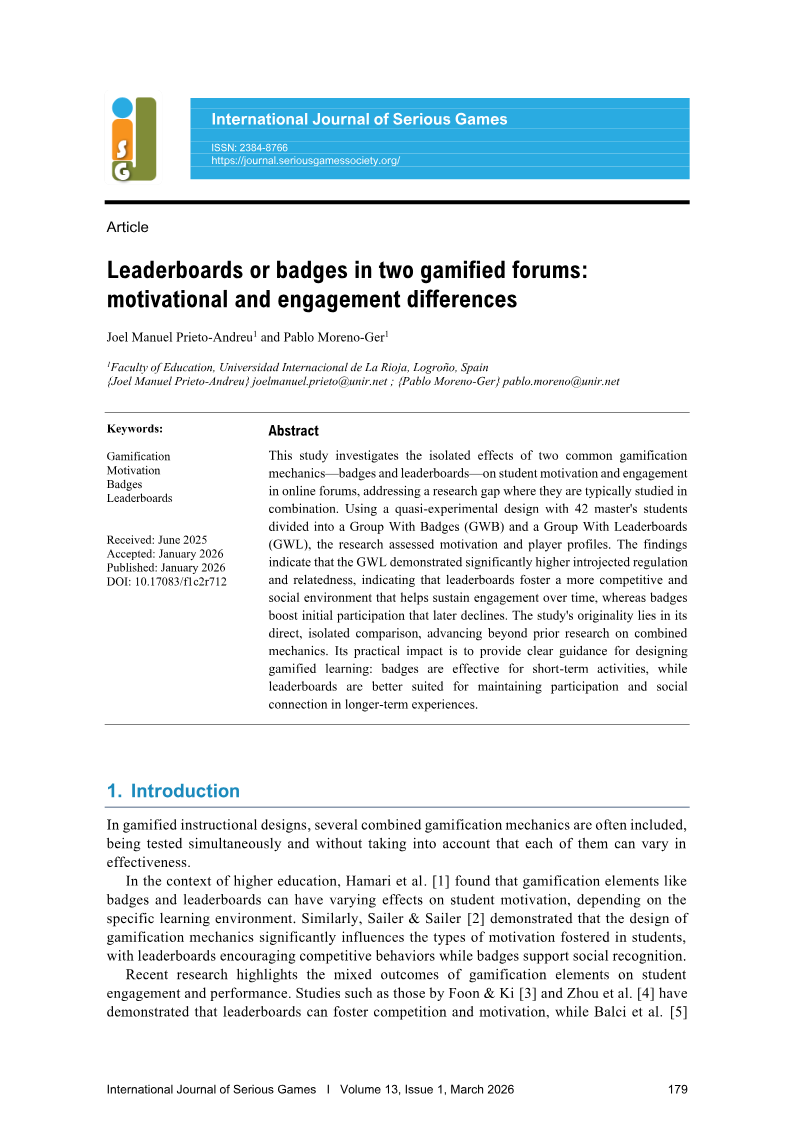
International Journal of Serious Games · 2026
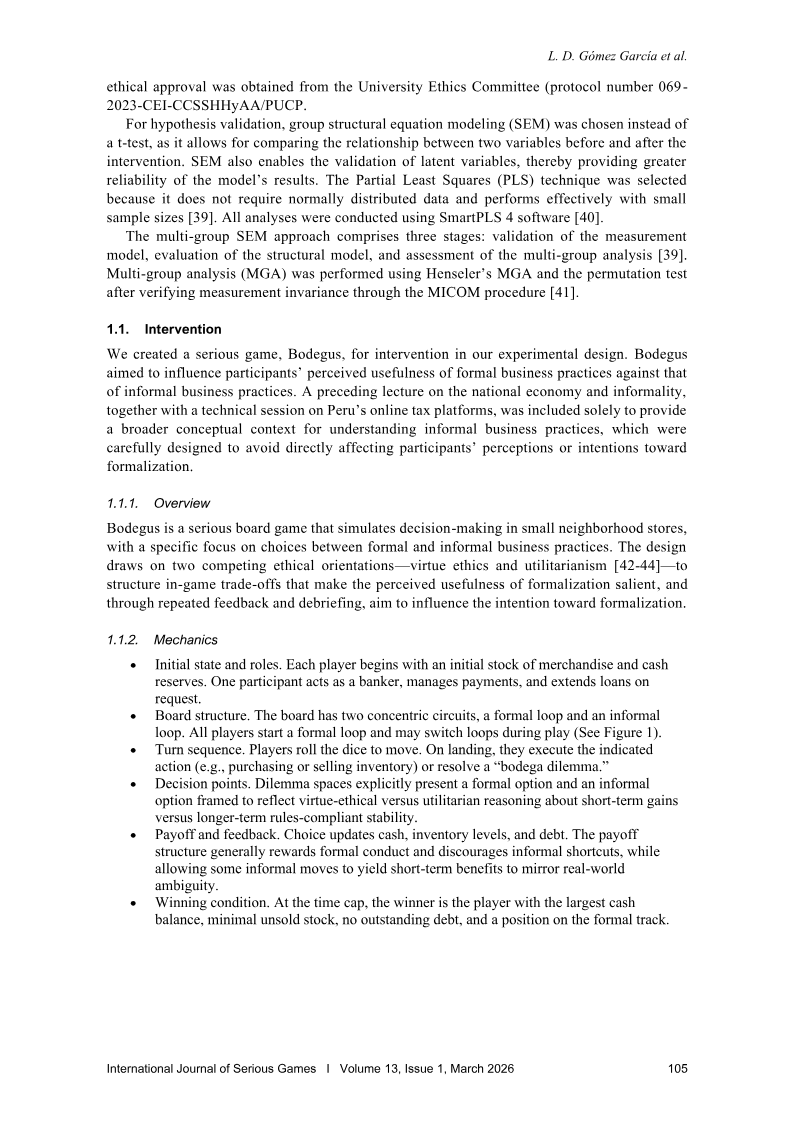
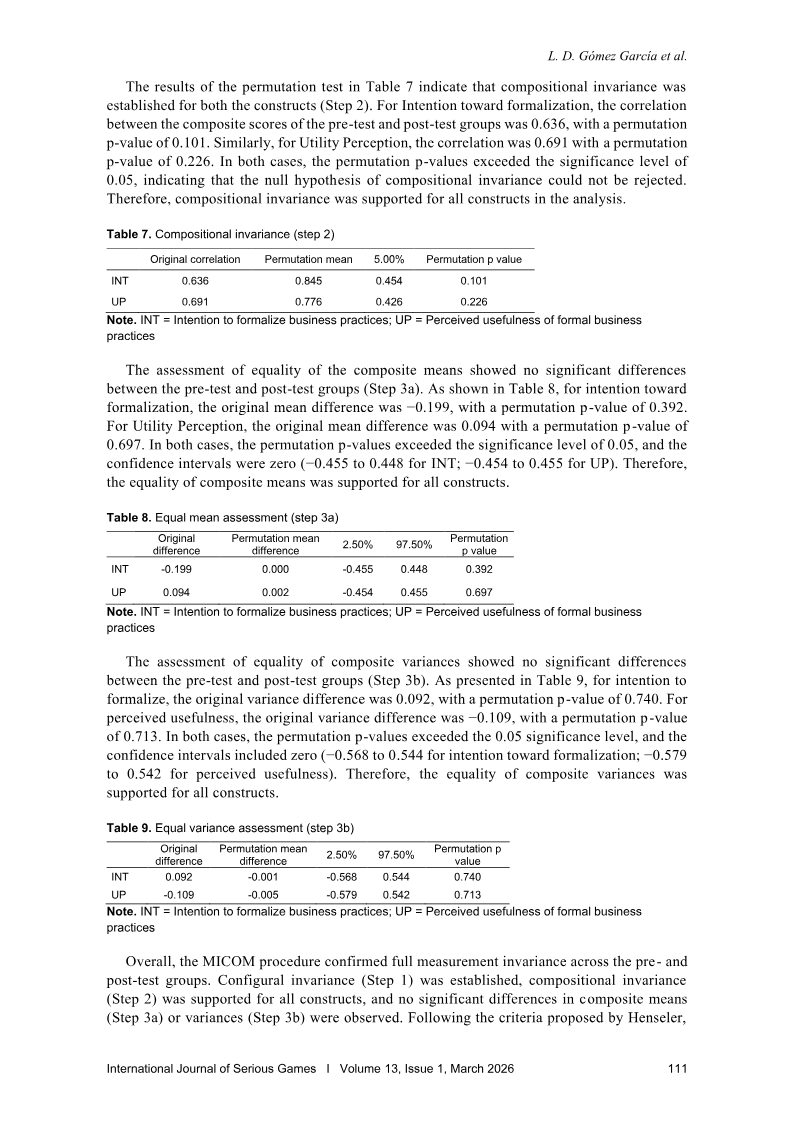
International Journal of Serious Games · 2026
International Journal of Serious Games · 2025
International Journal of Serious Games · 2025
International Journal of Serious Games · 2025
Serious Games Society · 2025
International Journal of Serious Games · 2025
International Journal of Serious Games · 2025
International Journal of Role-Playing · 2026