1 free read left. Create a free account for unlimited reading + AI research.
Create free account
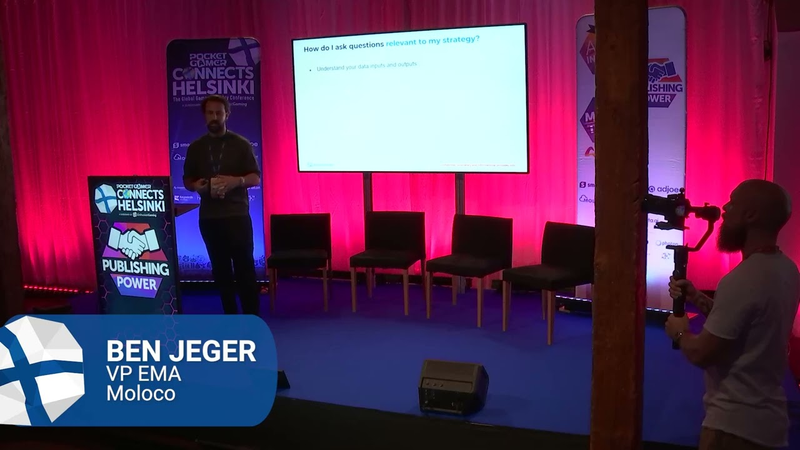
Questions you Should be Asking Your DSP - Ben Jeger, Moloco.
Key insights
6 takeaways- 01Replace static budget management and manual targeting with rigorous A/B testing and data-driven experimentation to allow automated systems to maximize performance.
- 02Treat advertising as a scalable investment rather than a cost center by focusing on incrementality, cohort maturity, and long-term payback periods.
- 03Stop attempting to 'outsmart' machine learning algorithms by restricting placements, as modern DSPs optimize for high-value user behavior across all available exchanges.
- 04Shift the focus of DSP partnerships from manual, granular control—such as managing specific publisher lists—to long-term ROAS and scalable investment strategies.
- 05Prioritize business-critical KPIs like day-30 ROAS over superficial benchmarks or simple attribution metrics to better measure true growth.
- 06Establish partnerships based on transparency and data-backed decision-making rather than anecdotal evidence or legacy-based questioning.
Ask AI about this video
Transcript
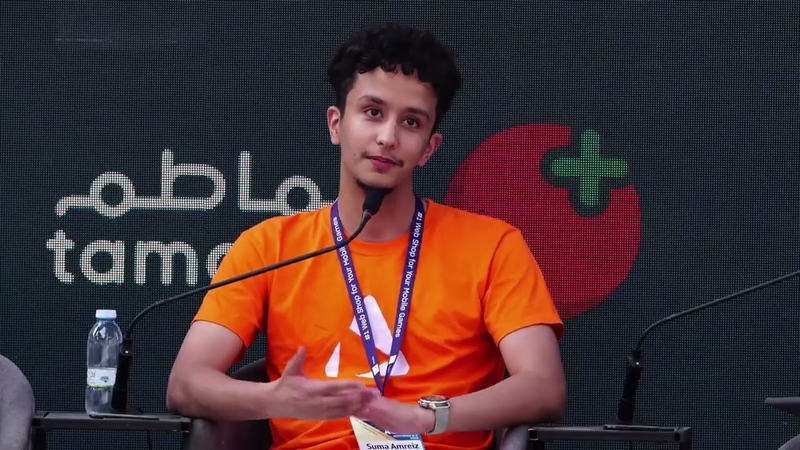
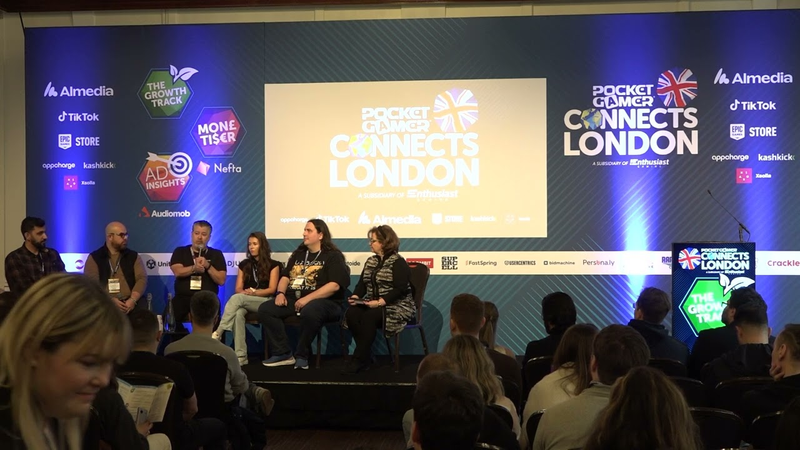
[Music] [Applause] [Music] let's get things started in the monetizer track the first talk is about questions you should be asking your DSP and I'd like to invite to the stage uh Ben from Malo coming up and introduce yourself Ben first off it's good to be here um Helsinki is slightly cooler than the rest of Europe which is uh a very nice change um so I I think this is a a different type of um title that we chose and obviously it's it's slightly uh
provocative um but really what what we're trying to do um despite that title we are not going to give you a list of questions that you're going to go out and ask your dsps uh that's not what going to happen today what we are trying to do today is help you think about um how machine learning driven dsps operate how you can uplevel your thinking and with that um hopefully your the quality of your questions will improve so that's just a bit of a caveat and before we do that I'm going to give you um shortly uh a few words about me and more importantly about mocco um which will help justify why I'm here and why we are here to talk about this topic um I joined this app uh Performance Marketing world uh bit over 10 years ago um started in a company
called sponsor pay which is now which then turned into fiber and is now part of digital turbine um and then I spent seven years at apps flyer which is a leading mobile measurement partner and very recently in November of last year I joined malocco um and malocco is the uh leading per performance DSP in the world and what we do is we we help uh games and apps uh find and acquire new users in a profitable way and if you I'll show you a few um numbers about us um 12 offices around the world we have more than 500 employees and the vast majority um of them are much smarter than me uh they are um Engineers they
uh machine learning engineers and data scientists um and that's powering um our capabilities and our growth but this is not about mocco um but it's uh this talk is about and understanding dsps and how they operate and and Modern Performance Marketing and one point to address here is is just um the scale and the capabilities of of dsps for us um it's basically means that we have access to every single um user with a smartphone out there and that is the power that a DSP provides um and I think it's important to note all right so I already caveated the the talk um from from the start
I think um there won there is no there's no such thing as a silver bullet as you know those um live in games sometimes but um for us today um we are really going to focus on uh your thinking uh process and understanding uh machine learning um Power dsps um so we said what are the questions to ask I'm going to start with uh what not to ask right so we we we learned um in life that there are no such thing as bad questions uh it's probably true but today I'm going to state that some of the questions um are bad to ask a DSP because it it will lead you down the wrong path of thinking um and it won't be it won't allow you to uh grow your
business in the way um of asking other questions that you should be asking okay so here are some examples of uh questions that we hear and that we think um show um the wrong type of uh thinking process um what is an ideal monthly budget and spend I think first off the terminology spend to use with a performance DSP is um probably wrong because what we think the way we think about it is that you're doing you're investing into um your uh business and this is a performance Channel and the idea of a performance channel is that it delivers Returns on your investment so there's a Concepts like roas uh R OAS return on ad spend
and this is um a just a a completely different way of looking at advertising um so spend is wrong budgets uh should be by definition um then if it's an investment it should be Limitless and it should grow with um with your uh return so what you should be worried about is cash flow and uh payback periods um which which are all valid questions and and things to think about but actually uh this is an investment opportunity and it it delivers returns and you keep on growing um your business that way um another question what's your reach in term of number of users as I showed you earlier um any DSP is plugged into all
of the exchanges that are out there um there is uh essentially infinite reach every single human with a smartphone is reachable by um a modern DSP there's a Nuance to that question which might be not a bad question which is uh how many um uh bids per second can you process so processing power is relevant um and uh so so that that's fine to understand the technical capabilities of actually turning this potential user pool into uh actually customers processing the bids and then being able to deliver um a bit against those um but that's just the Nuance on that another question what published Publishers do you advertise on so this is something we hear constantly um and once more it it means that uh the the concept
of uh machine learning user targeted machine learning performance is not fully understood because Publishers are one data point but they're not um it's it it's not the approach that um a a modern state-of-the-art DSP will take so you're going after specific users and you don't care in which um publisher this user is actually in um what is the maximum potential of my app in the same way you have infinite possibilities sky is the limit um there are uh all of these users out there which are um playing and buying in in multiple apps uh so the there needs to be a process of I I'm
spending I'm investing and then I'm iterating uh and changing constantly to to max out and then uh build up and and and have new possibilities of growth so potential is infinite um so that's those are the fundamental um Concepts that that are important to understand and and and basically um yeah just just approach a a DSP with with a new uh just just a new way of thinking and and not think in the old categories of Publishers audience targeting um and and and reach uh there's just uh it's just a different ball game and I think you're all able to um adapt um that way of thinking and
now uh we discussed what you shouldn't do um and I think what what we should be doing now is like changing gears and um I I mentioned that I'm not going to share with you exact questions but I'm I'm sharing thinking Frameworks and and um and and giving you pointers as to what makes sense how to think about it what to um know and here we go [Music] um first off uh there's the concept of understanding inputs and outputs there's I think what what you need to do when you start working with the DSP is understand what data points do they actually need how do they optimize and how do they get hold of that so understanding that and then once you receive outputs there's also the the
um making sure that you have a conversation with them about how to interpret uh these type of outputs uh Vitali um and I we we spoke earlier and um remind me what you what you said about inputs and outputs yeah yes yeah so I I'll summarize uh sorry that we didn't follow Dave's advice about the microphone I'll I'll summarize um what vital is saying is that there's not always a linear um
correlation between inputs and outputs for example uh what we see often is going back to the question about Publishers and and where you're advertising uh we often get asked uh and and and our customers are analyzing and say okay we're seeing great results from these and these Publishers um they're driving exceptional returns shouldn't we be targeting those more and that is what we means by input and output don't are necessarily correlated just because um a spe specific publisher or certain exchange is doing extremely well for you it doesn't mean that stopping working uh targeting the other um Publishers and exchanges will yield better results and and will help you grow so just taking a new approach discussing that with your DSP and understanding how they operate and how their models find you the users and help help you grow is really
key um comparing Apples to Apples it's it's got really really complex out there um we have um an ecosystem now where you have MMP measurement you have apple scan um attribution you have incrementality and and and what what what that means is you need to understand um yeah the incentive structures of different companies and different players in the space and and you have to unfortunately or with with a growth with a growth mindset that you have where uh you you fortunately have the task of becoming an expert in in measurement and really understanding deeply how things work so that you can be the best manager of your invest ments and make wise
investment decisions into the channels uh that are most profitable but in order to do so you really need to go deep and this is something that your MMP your DSP and so on can help you upscale and it's a really important thing to do and with that process your questions will become better that you that you ask um your DSP and others um another thing really important looking at the big long-term picture uh a DSP unlike other channels often delivers uh users that mature much better than other channels so you will have cohorts of users that DSP delivers that over time uh RW increases and taking a just taking a different yard stick uh when you when you look at uh the results of a DSP over a longer period is something that is
highly advised otherwise you might draw conclusions that are um detrimental to your to your growth um when it talks when we talk about benchmarks we get asked about benchmarks and really important is understanding what are the kpis that are actually relevant to you and who are you comparing who is the party that is delivering those benchmarks to you who are they comparing uh you two so comparing a a casual game with an RPG game is something that will probably lead to wrong conclusions and focusing on cpis might be relevant for you but in other cases a day 30 Ross might be the kpi that you actually
should be comparing yourselves to to your P set so really thinking about that deeply uh having that conversation is uh important and lastly um I want you to ignore everything I said uh challenge everything I say uh push back um um and speak to different people speak to uh other companies speak to your peers out there um and take take a a mindset of testing and testing and retesting and testing again because there are plenty of opinions out there um but every app is unique and and and every channel is unique and that combination makes it really difficult um
to trust anyone without actually having data to back things up so so so that's I think uh really the most important lesson so be curious um push back and and and make sure that you have uh make data back decisions um and that brings me to the end thank you so much thanks very much we got we probably got a um if anyone has a question we can probably take a question or two before we move on to our next speaker is there anyone in the uh in the audience who'd like to take the advantage of of asking Ben a question while we've got him here no oh oh the yes good thank you good spot um I I would love to hear maybe a slight bit more elaboration on the input output aspect of you know information um
especially when hooking up you know it into your own apps like in in which way does that help you target the audience um that I wouldn't be aware of for instance right so I think um so one point that that that I mentioned and I I can elaborate a little bit is um you will you will some of the the data that you will receive from us because in in our case we're completely transparent you'll see exactly uh which publisher which exchange delivered um which user to you and then you will be able to see okay this is a profitable acquisition or not um and drawing the conclusion of okay this is a great publisher or this is a great exchange I should be doubling down here and please
um deny list and only allow list this specific um combination um of publisher and exchange uh will most likely mean that you are getting fewer um of these users that you so value and are profitable so that having that open mindset and saying okay I'm I'm going to let the machine do the do its magic and actually find users wherever they are wherever in whichever ever app exchange combination will allow me to grow my business much better and um in a profitable way rather than trying to outsmart the machine which it becomes increasingly impossible but as I said it's worth a test if you disagree with that push back and and run an AB test and see okay one I want want to see if I'm better than the machine and then
hopefully you'll have results and data to to back it up perfect thank you I think we'll have to leave it there thanks again another round of applause for Ben fromo thank you very much a
Summary
The primary objective of this analysis is to shift the perspective of mobile game and app developers regarding their interactions with Demand-Side Platforms (DSPs). The central thesis posits that traditional, legacy-based questioning—focused on manual targeting, publisher lists, and static budgets—is counterproductive in an era defined by machine learning. Instead, developers should adopt a growth-oriented mindset that treats advertising as a scalable investment rather than a cost center, prioritizing long-term return on ad spend (ROAS) and data-driven experimentation over granular, manual control.
Key findings emphasize that modern DSPs possess near-infinite reach, making questions about specific publisher lists or total user reach largely irrelevant. Because machine learning models optimize for individual user behavior across all available exchanges, attempting to "outsmart" the algorithm by restricting placements often limits growth and profitability. The analysis highlights that inputs and outputs in machine learning are not always linearly correlated; therefore, developers must move away from simple attribution metrics and toward a deeper understanding of incrementality, cohort maturity, and long-term payback periods.
The scope of this guidance covers the global mobile performance marketing industry, specifically targeting developers and marketers managing user acquisition. The methodology relies on industry expertise and the operational realities of machine learning-driven platforms, which process vast amounts of bid data to identify high-value users. The analysis concludes that the most effective strategy involves rigorous A/B testing, challenging existing assumptions, and focusing on business-critical KPIs like day-30 ROAS rather than superficial benchmarks. Ultimately, the most successful partnerships are built on transparency, a willingness to let automated systems optimize performance, and a commitment to data-backed decision-making rather than anecdotal evidence.

















Comments