VideoPocketGamer.biz
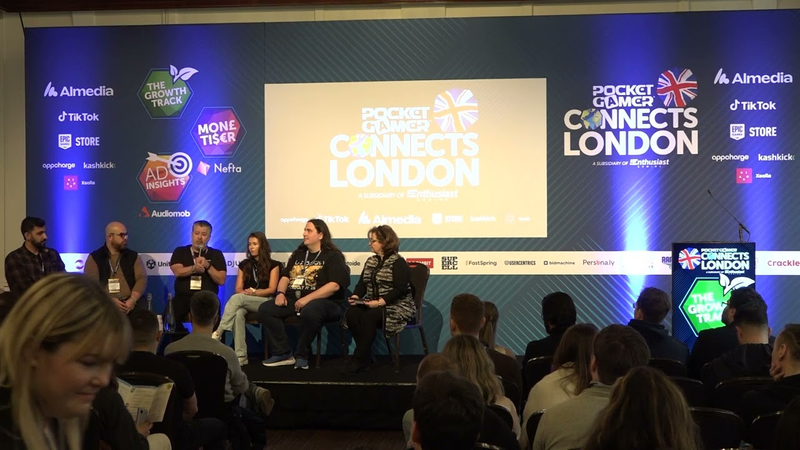
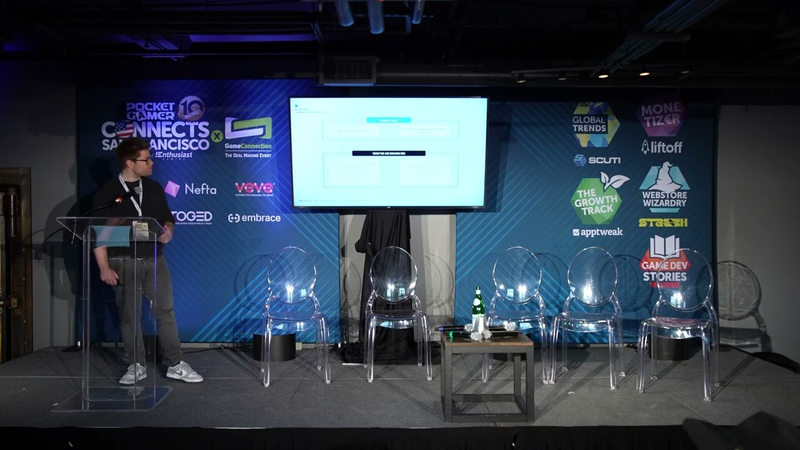
Session: Rewarded UA In 2026: The Growth Playbook - Jan Sommerfeld, Almedia.
9 Feb 202621 min video
Transcript
Next up, we have Jan. Jan's is going to come up and Jan is where where Oh, there you are. There you are. Going to talk to us about rewarded user acquisition in 2026. So, tell us all about the growth playbook. Come on up. There's a controller here.
All right. Hello. Good morning everyone. So, yeah. My name is Jan. I'm COO here at Aarki Media and I'm going to guide you over the next 15 minutes a little bit through our predictions what we're going to think is going to happen in this year in rewarded. What are the main changes, the main hypothesis and I guess how can you profit from it? What do you need to do to make the most out of it if
you are in you know, using rewarded or planning to do so. So, without further ado, it's going to revolve around two main hypotheses. So, the first one is going to be about yeah, how rewarded apps will catch up in terms of access and allocation with the more classic and traditional UA channels. So, the good news is not much is going to change for you except for the fact it's going to be even more easier and even more scalable. While the second point is going to be about how the engagement economics and the rewards in rewarded is going to you know, require potentially you to work even more closer with your product team and the monetization team to get the most out of rewarded UA. So, the first part, let's actually talk about you know, what is what is access allocation and engagement and essentially for us it's kind of the main journey of user acquisition. So, the first step is you know, the access to gamers, the UA channel you're using, you know, are the high-quality people there, the ones with a high likelihood of being engaged,
interested in the game, obviously hopefully also spending, and also the volume to ensure scalability. Once you have those, it's about the efficient allocation. So, you're matching the gamers with the right games. It's about the data-driven, you know, understanding of the user preferences, the real-time bidding to do this as quickly as possible, again, to increase their likelihood of becoming a high-quality end spender. And then the last step, this is actually you know, materializing that likelihood in terms of the engagement. So, what do they actually do after they install the game in day zero or day 30 or day 360? Um are they actually, yeah, spending money and driving value in your games? And yeah, so here's a bit of an overview of how we view the landscape. So, obviously, the classic UA channels, your mobile DSPs, social medias, Google and App Store. Um so, this is all about access and allocation. So, you know, classic DSPs and AppLovin, they may not have the scale, but they really, um because they don't have their own user
base, they're just mediating, but they especially they're really focused on quality, you know, primarily their publishers are games. Um this is what their algos are trained on to really know what to show what user. Social media, Google, Apple Ads, their strength is essentially the volume, you know, essentially the entire population are on at least one of them. So, of course, also the gamers are going to be there. Um and while they might not be specialized on games, there's still enough, you know, sufficient data and they enable you to optimize your VOAs and or building look-alike audiences to get the right users. Um but obviously, none of them actually really, um foster the engagement because that's not what they're doing, and this is really what rewarded is about. So, especially if you're looking into, let's say, the more classic order rewarded, um uh channels, so offer walls, networks, or rewarded videos, so they are of course also driving engagement while they're short-term. But again, they don't have their own user base, so that means the quality and the volume really
entirely depends on the third-party publishers that they integrated with. Again, they also don't have any sophisticated allocation. It's really just targeting via CPI. And again, the quality really depends on the publisher. And this is the thing that's going to or this is actually changing or what started in the last year and it's going on this year. That the newer generation of rewarded apps, so the ones that actually have their own user base, which enables them to drive the volume and the quality on the access side. And also, they're getting more and more sophisticated in terms of um yeah, allocating. So, really now after 2-3 years of having a huge database and a so having a huge user base, understanding the users, matching them with the right game, and also starting more sophisticated bidding systems. So, let's start just with the access part. So, already we actually conducted a study and this is already something actually I presented exactly 1 year ago here with the users. And we already here heard that around 50% of gamers at some
point, mobile gamers at some point had some um yeah, experience with rewarded platforms. So, in the US, that's 100 million users alone, and that is just really old data from last year. So, a lot has changed actually over the last year. More and more users have used it, so we can probably say safely 100 to 150 million users now in the US have some experience with rewarded. So, there is the huge um volume. And you know, just ourselves as an example, you know, we ourselves acquire around 3 to 4 million users per month into our platform, Freecash, have hit like 60 million users um a few weeks ago. And the beginning of this year, our app was number two on the iOS store in the US. So, you know, there is a huge amount of volume there. Of course, we still don't compete, you know, with the likes of Meta, Snapchat, Google, and more App Store in terms of volume, in terms of the user base. But, and this is then what we again different, it's about we highly specialized on gamers. Because rewarded,
if it's done well and if it's done good, it serves to some extent as filter, you know? Sure, we also funnel through a lot of maybe low-quality users at the beginning. But over the time, if it's done well, these people don't earn anything, they're not really, you know, getting much out of rewarded platforms is done if they're not really gamers, so they're filtered out. And what's kind of left over on the rewarded um platforms, the long-term users there are really gamers. So again, meaning of course also all the advertisers and games advertising there getting access to those gamers. And this is again the main difference to um the old rewarded networks or offer walls that didn't have their own user base, so it was hard for them to keep up the quality users and retarget them because, you know, they were not their own. What's also different is now this whole topic of how are the users then matched with a game. So again, Rewarded around 2 3 years ago was primarily about defining CPI, it was a lot of manual work still for, you know,
a UA manager to pick the right GEOs, pick the right devices, the right campaigns um themselves, pick the rewards. And also even going down on the publisher level, you know, where are the users coming from from my network and then figuring out where's the good quality or not and then making adjustments. Because on the other side, on the user side, what they get to see is primarily a really static list of offers, primarily influenced by the CPI, the more the more on top it is, but that's it. And again, we're seeing that this is going to change most likely, that it is coming closer again to the more traditional channels um again like how you do it on Google or Meta um or the DSPs, you define one goal, which is primarily of course your ROAS, and then it's really up to the UA channel to do all the optimization of the underlying KPIs such as CPI in order to get the most ROAS and hit your goals. Because on the other side again, on the user side, what they're seeing is not a static list anymore, but really a
dynamic list of personalized offers and recommendations. Yeah, that's ideally matching with the user and can change. And you know, the CPIs can be adjusted so that again, you as user acquisition managers get exactly the right amount between volume and quality. Yeah, and so this is basically again, I mean, I'm saying these predictions because we are also doing them. And we've introduced around like end of last year our own new bidding system called Max ROAS. So again, it's only about now defining the ROAS. And this is something we're rolling out to all our advertisers I guess in this month, beginning of February. And we can actually already see like what's happening. We are able to really drive the volume now while keeping the performance the same in this event here because we are now flexibly able to adjust, for example, the CPIs and drive
the volume in the right geos and the right campaigns and in order to scale. So yeah, to quickly sum it up, rewarded apps are going to get closer in their capabilities for access and allocation. Of course, these still are the USPs of social media and the DSPs, it's still their strength. While the USP of rewarded apps is of course the really part on the end, which is driving the engagement after the install, after the allocation. So what is the impact here now on, you know, gaming UA and how is this developing? Let's go into the second point I mentioned at the beginning. Um and it's primarily, of course, related actually to the rewards because there's you know, there's one main driver and variable that will influence the performance on the classic UA channels, the non-rewarded ones. It's the creatives. This is what you optimize and change and test in order to get the
quality up. While on um the rewarded networks, it's the rewards. But, which users are you giving how much um and for what in order again to get the most out of this. And yeah, so now I'm going to explain a bit in the last part how you drive up that engagement part um in 2026 through your rewarded platform. Um but for a start again, like a bit, what is actually the purpose of rewards? What do we mean with that? So, it's actually not about luring users into starting a games, giving them some rewards at the beginning, and then hoping they will just get hooked by the game and stay because of the gameplay only. Sure, the gameplay is important and it really helps. But, essentially, you need to think as of like reward and your rewarded platform as a loyalty program. One that goes hand in hand and supports the gameplay that you have in parallel at key milestones. And what's the key about a loyalty program? It's really the long-term thinking, right?
The more you play, the longer you play, the better you are. And the longer you are, the more rewards you get. You know, I don't know if any one of you are I don't know user of Amex or even some hotel loyalty program, but what would you think if you know, you just get stop you just they stop giving you your points or your rewards um because now you're already a customer, you don't need it, right? You would actually get angry. You want more if you're actually spending and doing more. So, this means, you know, you really need to get into the long-term thinking. So, it's about optimally allocating the rewards that you have over the entire lifetime of a user, not shooting all the shots early. Of course, this requires lots of data and understanding and predictions, you know, that you know which user to spend early and which users do you have to spend late on money. But again, as the rewarded platforms now have like two or three years of experience, they should um know this better and better. So, and this is of course like a step-by-step approach. So, what we've seen actually in the last year, it was
really about extending the the rewarded window from 30 days to around 90 days. So, this is actually an example here from what we did last year, um where we extended from 50 to 90 days. So, we just extended the rewards, giving higher value incentives and introduced at later [clears throat] stages, and basically really increasing the performance. And this is going to continue in the next year. So, we're really going to see, you know, actually optimization for day 360, if it's of course that type of game that has these long-term value players. Not really talking about hyper-casual games. And really going into um yeah, these endless rewards. And this, however, requires a bit of strategic alignment, which we're also going to see um in gaming, especially potentially for games that are newly developed. And this is really making sure that these two reward funnels that we have, so one is the in-game rewards funnel, right, which is about like the the gaming rewards, the stars, and the
things you earn, and the fun of the game in itself, and then you have also the reward um or the engagement funnel that is in parallel happening on the rewarded platform. And ideally, you actually need to build them in a way that they complement each other. So, you know, that somehow, for example, the um events and the milestone you can reach on the rewarded platform are some form of side quests, right? So, it really complements the game that you have. Yeah, but the question is basically who is doing this, right? If I'm building a new game, who is actually thinking of like the reward channels? Because in traditional teams in gaming, we have kind of these split responsibilities. The UA team is responsible for the stuff at the beginning, the creatives, the install, maybe also the onboarding sign up of the user, and the the performance in the beginning, but primarily it's about that finding the right channel that gives this access and allocation. While then the product team and the monetization team is responsible for the engagement part, the actual gameplay, and the performance that comes after.
Um, yeah, and so here the thing is, if you actually want to be successful in rewarded building a new games, wanting to consider both um, UA and product together, you need to build the team in that way. Um, I think Yeah, this is I think what I was just like what our prediction is, this is what we're going to see that really the best performing games in rewarded um, will approach a bit more of a collaborative approach where UA and product um, will have to work even more closely together. Yeah, so then um, second point is about it's going to be like more about optimizing your bids in general just for the rewards and the quality. Um, the rest is up to your rewarded UA uh, your rewarded UA platform, so you can become a bit more lazy so to say in in that sense. Um, but um, yeah, because the rewarded platform will do more and more of the optimization part of you, but that and this is going to be my last point, it
requires one really, really important thing, and that is the data. So what we're also going to see is that you know, as game they need to share even more data than what they're currently doing, because this is the thing that enables the rewarded platform to actually optimize. Because in that whole, you know, it's not about actually only the UA team and the product team working together and collaborating. It's actually also working together with the rewarded app. Because the game decides, you know, what events and actions to send to the rewarded UA platform and how they could complement best with the game that they have, but it's really up to the rewarded UA platform to decide, okay, which users actually get how much reward and for what event and um this is really up to the UA platform. Um yeah, and so there's a couple of points that you then need to do. Um so the first step is, you know, you need to make sure that um yeah, you also send the long-term events and data to your platform. So really, you know, the platform also understands what are those
long-term value players, the ones that are really engaged after 1 or even 2 years. Um yeah, to also know which ones are these players and optimize for them. Um so ideally then also, you know, ideally the reward window never ends. So that's something I said before, you need to think of like really these endless rewards, really making sure you have events in the long run. Um and also making sure these events they have a bit you know, you give them more context. So for example, you know, what are the completion rates, how long does it take to reach them, which kind of user will reach these events. Because in the end, we want events that are obviously correlated with quality, right? Because we want to reward quality users. We're not necessarily interested in giving rewards to users that do stuff that is not actually uh related to like long-term engagement. And then also, and this is a bit more technical, really make sure the tracking works, especially for those last and long-term events, because these are your most valuable users, right? If you get them pissed because, you know, the tracking doesn't work, so they don't get
rewarded on the rewarded platform, it makes them not only angry at the rewarded platform, but also actually potentially on the game. Um yeah, and also, and this is the last point then, don't pay for what you already have. Also, we're going to see probably data there's more data shared about the users that are not coming from the app platform. So, basically, the whole user base is shared because and then it also enables your rewarded platforms to build suppression lists. Um you know, so that users are not actually targeted again that are already in the game. Um yeah, so we're also seeing this more and more and and we started doing that with advertisers. And um Yeah, I would say that completes it. So, as last point, um us being a rewarded platforms, of course, what are we going to do? We're going to give you a reward if you check your back. There's going to be a small little goody bag with gifts and also you're going to be able to um win an uh Acer Rog. So, yeah, uh fill in the crossword puzzle, give it to our booth, and then you have a chance to earn your own reward. Thank you.
Thank you very much. I mean, for me the uh the thing about last year is this is the final nail in the coffin of the idea that just getting new, you know, volume of users was good enough is no longer good enough. It's not It's not valuable. Getting long-term retained users, people who are actually going to, you know, think And obviously, rewarded is very much keyed into that longer-term engagement. Do you think enough people have understood the importance of that the value proposition is less about the number of people coming in and more about the quality of those people coming in?
Most have understood this, right? I mean, because they're All our advertisers they realize all the volume that doesn't help them if they don't do anything, right? So, it's I think this is already in the minds of most people because reward is not like it is 10 years ago where it was really about just getting them to install it. You know, actually, rewarded platforms they don't even reward the install anymore, right? Because this is zero value to anyone. So, it's really about the long term.
Yeah, it's kind of funny because
obviously, I was doing that job at Unity that period of time. And even then, what we were doing is trying to teach people how to integrate the ad as something players wanted to enjoy. So, for me, it's It feels like we just come back to uh the kind of original emotional intent that we had when back in the Unity Ads when we were starting off, getting that sense of players engaging with the game. Very, very quickly, I've got a quick uh question there. It's going to be really, really quick.
Um the need for really good data when it comes to these rewarded ads. That influences when a studio should probably engage with a company like yours. And I was wondering if you had any thoughts on like when a studio should start thinking about that given that you know, pre-launch and you have that rich amount of data to be able to have some of those predictions around D
Yeah. Um I mean, it's not necessary, of course, like I mean, it's Well, that basically depends a bit on
your trust, right? I mean, because you don't have potentially your own, let's say, predictions and your own uh analysis already of the progression, but that's also not necessarily bad because what we've also seen, right? Because we are actually working quite different in terms of our progression compared to other traditional channels, right? So, even though you have maybe the data of how your progression is from users coming from Meta or Google, the progression of rewarded is going to be different. So, in any case, you're going to see different different ROAS curves and so on. So, it doesn't actually matter if you start early because there's going to be differences and you need to learn.
Auto-generated captions from YouTube — names and numbers may be misheard.
Key insights
7 takeaways · ~3 min read- 01Rewarded user acquisition has shifted from focusing on install volume to prioritizing long-term engagement, with platforms now extending reward windows from 30 days to 90 days and beyond to drive Day 360 performance.
- 02The US market for rewarded platforms has grown to an estimated 100 to 150 million users, with major players like Freecash acquiring 3 to 4 million users per month and reaching a total user base of 60 million.
- 03Modern rewarded platforms now utilize automated bidding systems, such as Almedia's 'Max ROAS,' which allow advertisers to define return-on-ad-spend targets rather than manually managing individual CPIs.
- 04Successful rewarded UA strategy requires deep collaboration between product and UA teams to align in-game reward funnels with external platform incentives, ensuring rewards are distributed across the entire user lifetime rather than front-loaded.
- 05Advertisers must share comprehensive long-term user data and event logs with rewarded platforms to enable effective optimization and the creation of suppression lists that prevent redundant targeting of existing users.
- 06Rewarded platforms now act as a filter for high-quality gamers, as long-term users on these platforms are inherently more likely to be active players compared to users acquired through traditional, non-specialized channels.
- 07Rewarded platforms no longer incentivize the install itself, as it provides zero value; instead, they focus on driving specific, high-value actions that correlate with long-term retention and spending.
Ask AI about this video
Cite this video
Citation
Generating citation…



















Comments