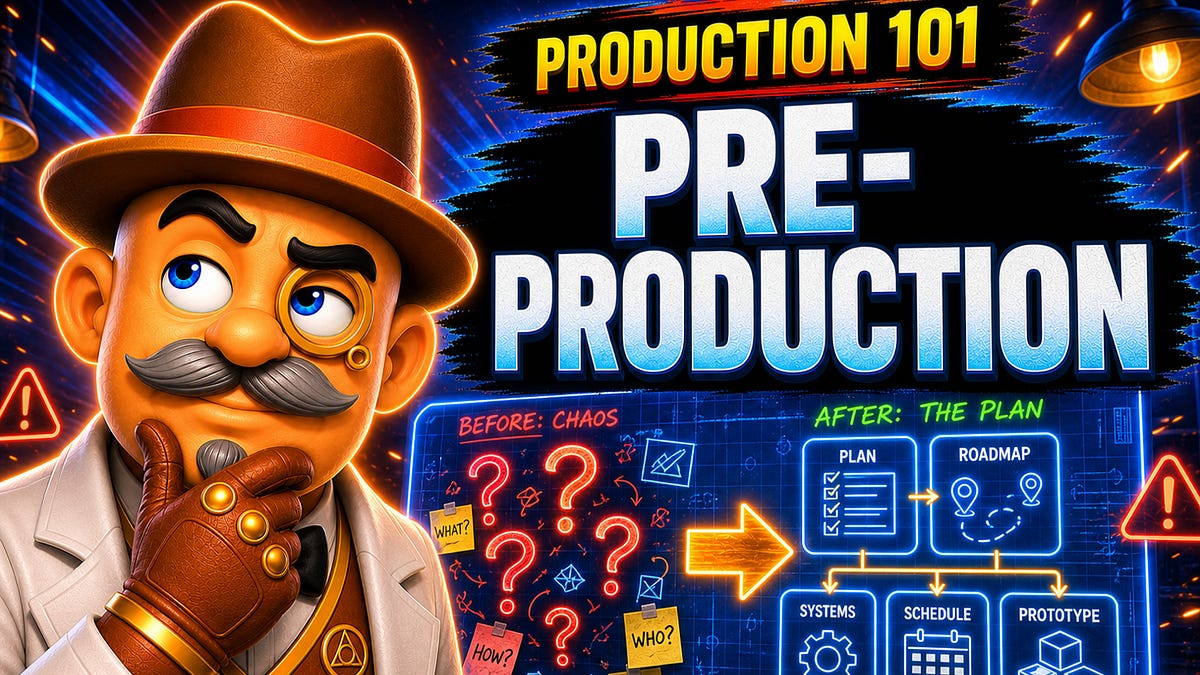
Pre-production serves as the critical foundation for game development, functioning as a period for risk mitigation and strategic decision-making before the high costs of full production are incurred. The primary thesis is that games are often won or lost during this phase, and producers must actively manage uncertainty by tracking dependencies, recording key decisions, and ensuring that foundational questions regarding design, technology, and team structure are resolved. Failing to address these ambiguities early leads to reactive, expensive, and disruptive changes during the production cycle.
The producer’s role during this phase involves maintaining a rigorous record of decisions and open questions to prevent knowledge loss and ensure alignment across the team. Key responsibilities include overseeing technical pre-production—such as engine selection, pipeline setup, and platform research—and developing a staffing model that balances project needs with budget constraints. Prototyping is highlighted as a vital tool for validation, though it requires careful oversight to ensure that technical or architectural choices made during testing do not inadvertently lock the project into suboptimal long-term paths.
Effective pre-production concludes only when the core design is validated, key technical risks are mitigated, and the team is properly resourced. The analysis emphasizes that compressing this phase due to external pressures from stakeholders or investors is a common root cause of project delays. By explicitly documenting assumptions and maintaining a clear, evidence-based transition into production, producers protect the project from the significant financial and operational costs associated with mid-development rework. This guidance is intended for game industry professionals, focusing on the essential, often intangible, management tasks required to set a project on a sustainable trajectory.

Game Production Alchemist · 2026

Game Production Alchemist · 2026

Game Production Alchemist · 2026

Game Production Alchemist · 2026
Game Production Alchemist · 2026

Game Production Alchemist · 2026

Game Production Alchemist · 2026
Game Production Alchemist · 2026

Game Production Alchemist · 2026

Game Production Alchemist · 2026
Game Production Alchemist · 2026

Game Production Alchemist · 2026
Poki · 2026
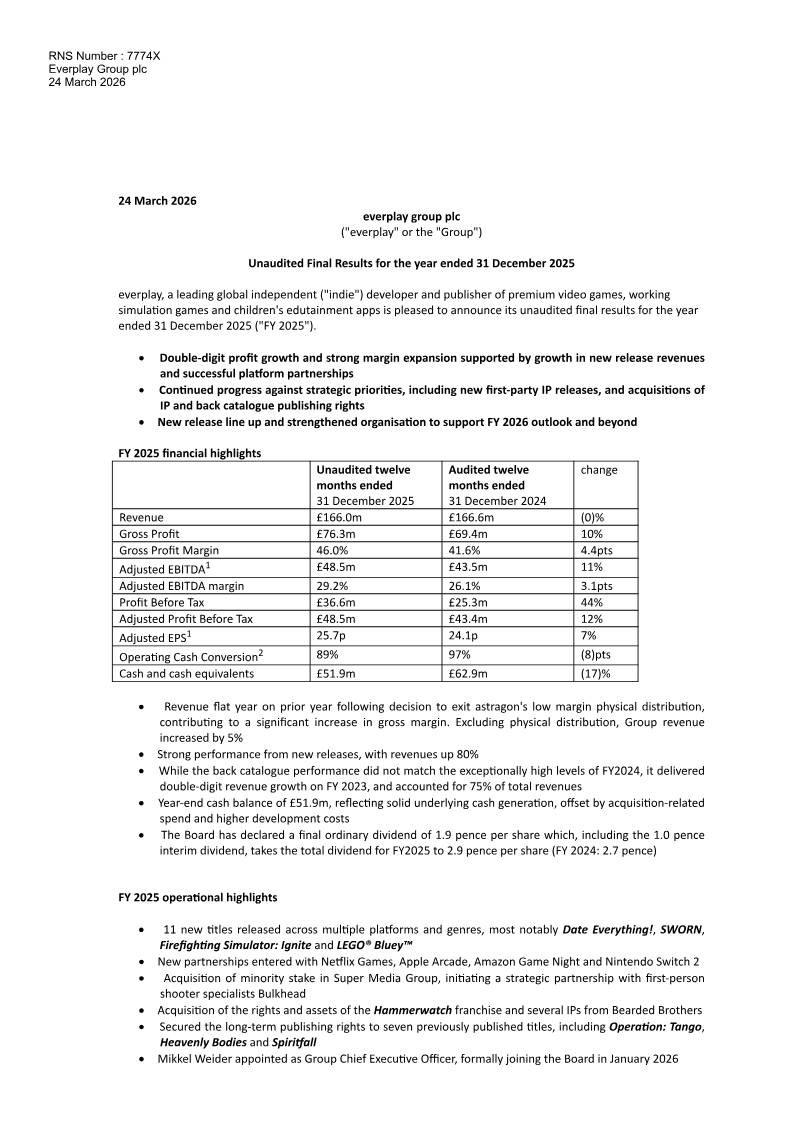
Everplay Group · 2026
Take-Two Interactive · 2026
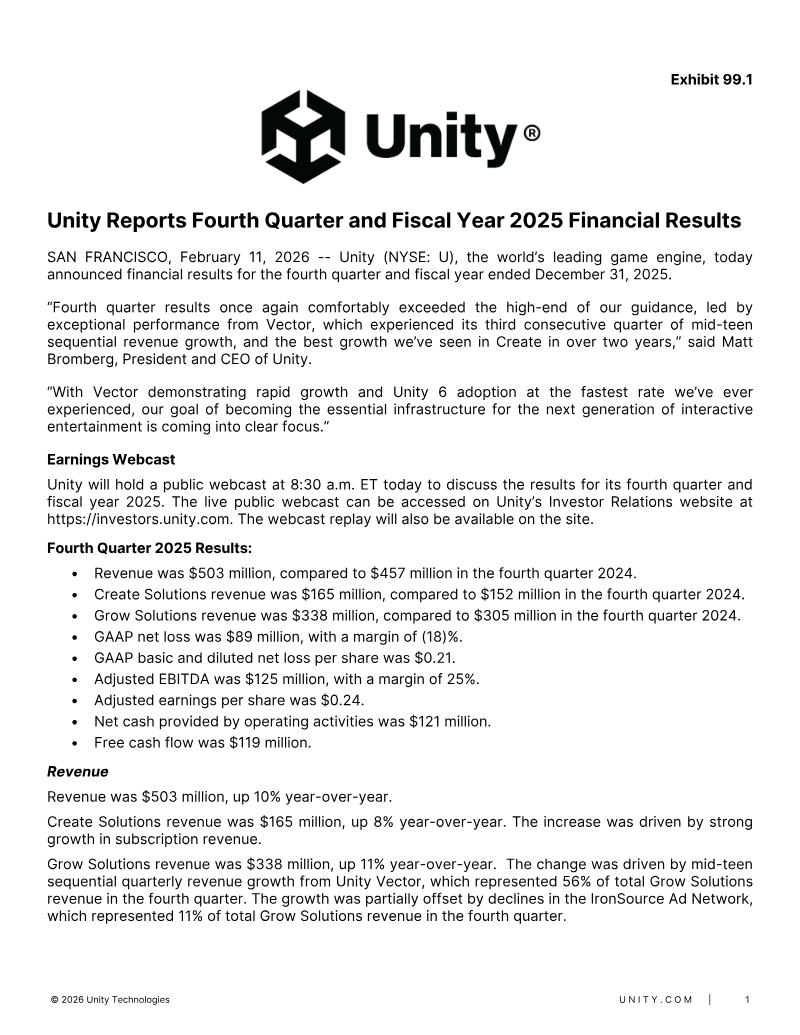
Unity · 2026
Poki · 2026
InvestGame · 2025
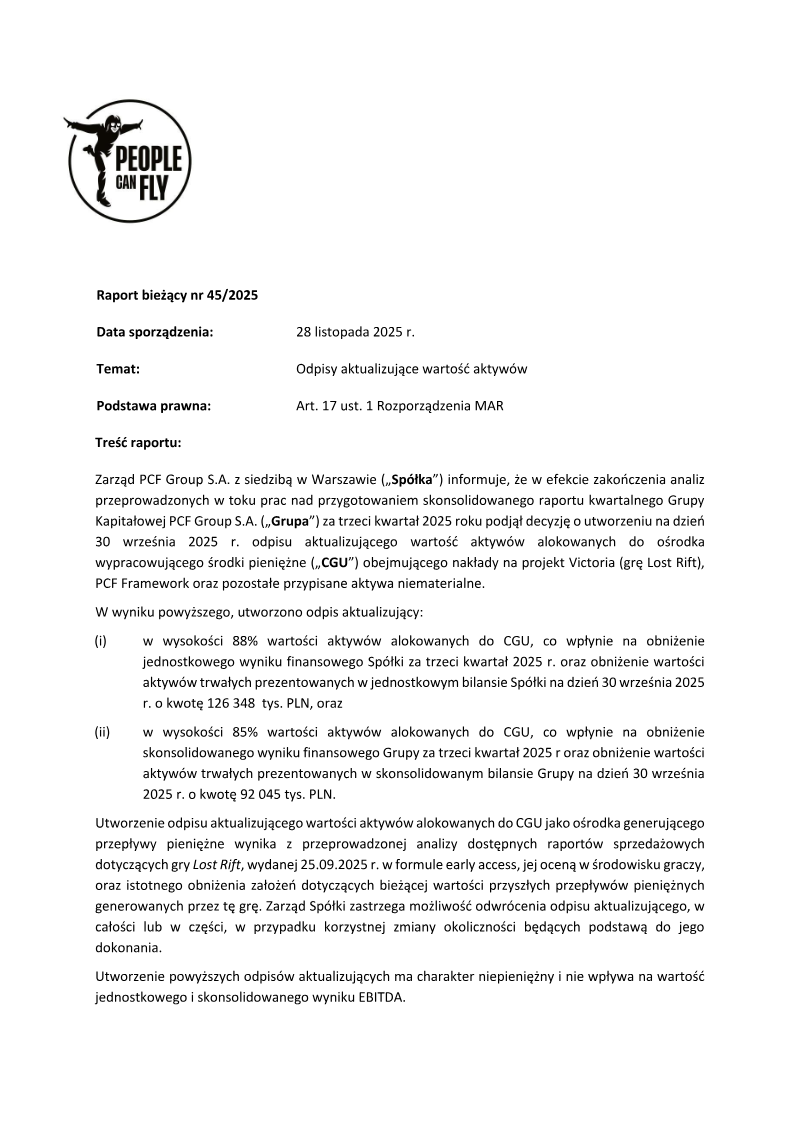
PCF Group · 2025

Metaplay · 2025
Konvoy · 2025

Google Cloud · 2025
VG Insights · 2025
KOCCA – Korea Creative Content Agency · 2025