1 free read left. Create a free account for unlimited reading + AI research.
Create free account
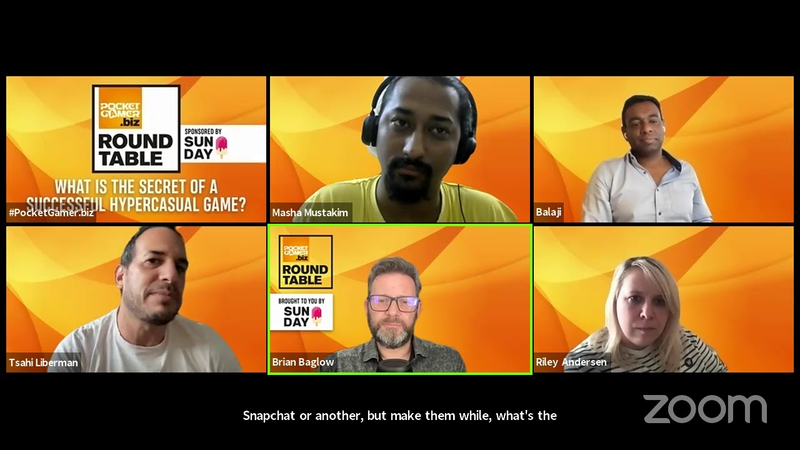
PocketGamer.Biz with Sunday, RoundTables - What’s the secret of a successful hypercasual game?
Key insights
6 takeaways- 01Development teams should remain lean, typically consisting of three to four people, to facilitate rapid prototyping and agile market testing.
- 02Successful studios balance creative inspiration with rigorous optimization of interstitial frequency and mediation to capitalize on fleeting market trends.
- 03Emerging studios often require partnerships with established publishers to gain necessary access to user acquisition expertise, monetization data, and technical resources.
- 04Hypercasual success depends on communicating the core mechanic within a three-second video advertisement to minimize cost-per-install.
- 05The industry is shifting from purely ad-driven hypercasual models toward hybrid-casual designs that incorporate meta-layers, narrative elements, and arcade-idle mechanics to improve long-term engagement.
- 06Developers must prioritize data-driven performance benchmarks over creative intuition, pivoting immediately to new concepts if retention and lifetime value metrics are not met.
Ask AI about this video
Transcript
and we are live to the internet good afternoon everybody good afternoon world welcome to the next in the increasingly wonderful series of pocketgamer.bez roundtables uh brought to you this time in association with our friends at sunday and this afternoon we are going to be looking at the secrets behind the incredibly successful and juggernaut that has become um hyper casual gaming my name is brian baglow i'm the managing editor of pocketgamer.biz and we have a fabulous afternoons inspirational and informative entertainment for you we have a panel
that's just absolutely oozing with talent what can i say it's going to be absolutely fantastic and i would urge you all out there uh don't be shy don't be afraid if you have questions please please um ask them now put them in the chat put them in the q a and we will make sure that we get to as many as we can because you do not get a lineup of talent like this in a moment i'll ask a all of the panelists to introduce themselves tell you a little bit more about who they are and what they do but uh before i do that i would just like to kind of really set the scene for you um at pocketgamer.biz we carry news updates we try and champion the cause of mobile gaming and over the last couple of months the last several weeks there has been more and more hype coming through about hyper casual it really seems to have captured not just the imagination of the world's players but of the uh the the publishers the funders the financiers out there every day brings an entirely new batch
of news and updates from the the forefront of hyper casual so it's really one of these areas that mobile has not just pioneered but is really taking out into the world and introducing to a huge new audience so without further ado uh panelists if you would like to come in here i'll i'll ask you all to introduce you introduce yourselves and uh we'll get things started so uh first of all masha could we come to you can you tell everybody out there who you are what you do and a little bit about your role sure thank you very much so uh thanks for the invitation really excited to be in this panel uh so many people so many talents and so many people to learn from so my name is marsha mustaqi i'm the ceo and co-founder of a potato so we basically work with hyper casual games we have been working with hyper casual games for about three years now so far we have published around four games uh hypil good icing on the cake prank master and pawnshop master if you have played these games uh so far our
portfolio games have been downloaded around 150 million times and uh so so and we're going to continue our journey uh on the hyper casual so yeah we are completely focused on hyper casual now and that's how we are uh going fantastic thank you uh balaji we'll come to you next please sure hi hi everyone thanks brian first of all thanks poker gamer for organizing this amazing uh panel roundtable and you know inviting uh this esteem co-panelist one thing is it's cool to see that all of us have at least more than one hyper casual hits so uh we will go we are going to be you know talking about the other points here about the topic yeah i'm the head of publishing for sunday a fast-growing hyper-casual publisher basis of germany we are part of apply group and yes we work with many many developers around the world and our focus is on making uh sustainable uh you know hyper casual hits with sustainable profits like that
wonderful thank you very much indeed bilaji that's perfect and riley next if you would be so kind yes hello and uh thank you for having uh here today and arranging the panel it's super great to be here and so i'm the ceo for mommy games and we also make hyper casual moba games uh i think in this panel we are probably the small developer we are eight people in total and we have so far scaled one game we have one hit we do have others we have scaled as well but they haven't worked as well as abc runner so in january february we raised around half a million uh us dollars and now we're building out the team and also focusing a lot on our back end so we can use the data more actively fantastic and active use of data bear that in mind folks i'm sure that's going to come back thank you riley and last but not least at sahih hi everyone and thank you pocketgamer for the invite
and hi ryan hi everyone on stage and in in the crowd uh so i'm sorry liberman i'm running the uh the product and data insights for lightneer a studio based in helsinki finland uh working with uh top charts publishers already have several heads uh each over 30 million downloads uh i've been in the industry for quite a while close to 16 years so i've i've seen it all and and hyper casual is exciting and it's a speed game and uh i'm excited to see what's what's going to happen in this panel which kind of war story is going to be shared so thank you fantastic thank you all very much indeed um and can i just say it's like as something of a a pro home cook the fact that we've got alpha potato and umami and the company names is clearly tickling my palate so yummy yummy
it's not just the audience that are learning i'm learning while we go fantastic thank you well what i thought we would do is because we're looking at the secrets behind a hyper casual hits so um let's go through the sort of the various stages of the the game life cycle starting off i guess with design and because you know it's it's famously difficult to come up with new ip in the the traditional end of the games market the pc the console market so when it comes to hybrid casual where do you actually come up with your ideas do you do you iterate on existing licenses is it all about the new the fresh and the you know the un unexpected where do you actually draw inspiration from and i'm going to come to you first really if i may yes yeah so i guess for us you can take different inspirations right um of course other games and in general we always look at the twins what's going on out there but i think for me personally it's a lot about what i experience in my
everyday life i have like a huge note thing on my phone so each time i experience a feeling that i think would be cool and conveyed into like a game mechanic i write it down and also when i see other games ah we could maybe mix this with this like mix two different games into a new one and it's also a big one for us and looking at different themes and what's going on already but i would say mainly like feelings what i'm experiencing in the world trying to convey that into a game experiences interesting interesting masha can i can i come to you next and ask how about you guys how have you found where your inspiration comes from so uh we do it in many different ways we definitely like as as i told everyone here like like a 24 people team right now so like a lot of minds are there and different ideas you know like uh we get lots of ideas from our team members so
we iterate on those and but what we mostly focus on is you know like from the marketing side because the market trend and you know like what people want uh it is very difficult to understand and you know also to figure out what people are want and what we how we can utilize that insight and and and do it so every like we we all know like you know like hyper casual games are basically has two pillars like you know like marketability and engagement so if you don't have a game uh if you have a game with you know like extreme high retention but you have you know extremely high cpi you cannot you know like publish that game so having a game that is uh well marketable is very important so for that we heavily rely on market insights and we closely work with publishers to understand what kind of concepts and what kind of games might you know appeal to our current audience and then based on that we make assumptions and based on
that assumptions we come up to come up with concepts we try those concepts and you know like learn from the tests and make new assumptions and go from there that's that's how we you know like build the concepts test and make make new concepts that makes sense that makes an awful lot of sense sahih uh would you care to chip in on this point sure so um as masha mentioned that there are many ways to do that and we are doing that both internally and externally internally in terms of brainstorming with the teams with the different teams what is fun as in in a day-to-day activity what makes us stick with something that we sell online that make us think that we think can be a great concept but also what i'm specifically looking on uh and helped by the team is looking cross industry see first check like every day we have the systems for that but also we do that as well manually uh
we we look across social media see what's what what is interesting what are the top views for specific trends on facebook snapchat tick tock instagram that's that's the like the basics but also look on different industries so looking into the sports into entertainment into the fashion into the cooking industries and see hey this is a trend that had 10 million views just in the last two weeks so it's interesting for us to understand and dissect what is working there what makes people laugh what makes people play that game or comment on that game so that's um that's highly interesting and we analyze that we use several platforms um i don't know if i'm allowed to say names but um we have we're all friends here we are friends so so uh we use uh we use boutique insights for also understanding the markets uh seeing new released uh prototypes being sent to the market seen the changes in different creatives and see what it what what effects it has on
the market of course follow the charts but for us it's also see hey is this like the car theme is very popular now so let's make a take on that the fidget toy trading is popular now so let's see if we can make something that will shine that have that usb before that market gets saturated and of course follow the the fluidity of the market day by day but uh it's it's mostly based on data that we get across industry and i want to give like uh just a couple of examples if if i will uh so one of them is 100 buttons by pantheon which is a really interesting game that went top charts really quickly uh backed by coda platform and that is based on a combination of several activities which are based on tick and youtube videos of children or teens trying different things get liquid sport on them it had massive amount of views on the social media and
that went several weeks in a row so that's something that drew our eyes then we saw 100 buttons and then so another two prototypes like that and um i mean uh uh it's it's interesting also to ask riley about the lego the lego based game they are working on the brick game which immediately after that i saw several prototypes follow that like it doesn't mention lego because it's an ip but basing on that you already see many runners following that step for many racers because cars are really strong now so just just a couple of and and current and also a current trend now is the great challenge where people climb crates made of plastic fall down and you can do interesting stuff with that so it's it's very cruel sometimes but it makes user thick excellent fantastic wow that was influenced and and belay can we come to
you at last but very much not least what is it that you guys at sunday are seeing sure i mean uh we work with many many publishers right so we have we do see a different uh sorry we work with many many developers and then we do see like different developers at different approaches like riley say uh riley mentioned that developers were very strong and you know gamifying their everyday experiences or um or like you know things that see they see on tv or a show or whatever right and then there are developers who uh focus on trends of course it's sometimes tricky because it's easy to get your marketability test uh you know past the flying colors when it comes your you're on a hot trend but then when it comes to uh you know going a little bit deeper and gamifying that friend that's where a lot of people do face challenges um the other day we saw it we met a developer who uh you know came across the idea based on uh the experience in second life right which is doing amazingly well in terms of tests
so yeah it can come from anywhere it can come from a triple a game it can come from your experiences of course there is more organized or systematic approach of following the trends and the charts that tons of tools there is ethopia magic censor tower you name it every everything you know some of them are better in other in terms of a few features but you know i i wouldn't say anyone is less than the other uh what we as publishers do and probably uh it's important for developers and their publishing partners to avoid a a to to provide is uh to use the nba topology we see this high potential and high challenge quadrants right uh so you have the risk recorded where you want to try something new but it's risky because at the end of the day you want to keep it as close to system one as possible right when it comes to hyper cash flow so if a player is not able to understand your mechanic in maybe there's in three seconds of the video then it's too risky but sometimes out of that comes your moonshot game which suddenly raises up the charts and then you see this gold mine where you know there is still some it's not too
crowded and you still are banking on a you know a mechanic or a team or a trend that worked and then what we suggest is not to not to go when it's in the cloning phase when there are too many of the same games and you know the audience is facing the fatigue of seeing just similar similar games right uh so it's good uh for for developers to come up with the ideation then use the publishing partners to validate these ideas uh because a publishing partner would have more resources and access the tools that's my take on it fantastic that that's that's incredibly interesting and i'm going to follow up on that but we've had one question from eftim who asks how big are your research teams and is it designers doing the research is it a collaboration between designers and researchers and i'll open that up to to any of the panel i can take that i mean how big and it's a hyper casual by definition the teams are lean i mean if you're too big then there's something wrong there um and then just to uh follow up on that
yes not just designers but every every person of the hyper casual team is involved in research as the beauty of the hyper casual is like you know you you're not you're not working in modules or silence right right from day one including the ua team you're all together uh doing doing the research of the test and everything but yeah that's amazing that's amazing now i want to come back to a topic that you all kind of touched on which is the idea of validation because obviously in hyper casual as you just said belargy it's all about lean it's all about you know short-term projects so how are you validating an idea is it are you using external players are you are you sort of prototyping what's the next step if you've got something where you think you've got a decent mechanic it's on trend how do you go about validating it how would you recommend you know anyone in the audience thinking of hyper casual game development would go about validating their concepts
well yeah always validate with data right i mean that's uh i mean that's the only way to do it in hyper casual i mean you'll see tons of ideas tons of concepts one line ideas 10 line ideas and every and and to be honest it's very difficult to say one idea is bad than the other one ideas stands out right the data is the only way to validate those and uh yes the uh you do there are platforms uh that can help you instantly do it right like facebook and specifically there are audiences that you can use to validate this data for example if you test on a facebook audience network and you're testing just about marketability and don't worry too much about cpi in the beginning if you do know that within a certain threshold you can get the cpi down during your scaling phase and you just want to validate your idea or mechanic um it's pretty uh it's pretty straightforward to do it with a facebook audience network and um our suggestion is since a type of casual looking at a global audience and you're looking at a basically your
business model is like you're looking at high cpm countries right where your ltv is better than cpi just test in those markets uh at the end of the day you're not like you know going after wheels or you're not going after specific uh user cohorts uh so uh yeah it's i think even for developers it's super easy to do that and i believe even people like you know mommy games for example you know you test internally even before going to a publishing uh partner fabulous yeah i would say facebook as well uh testing cpi super super early or somewhere else where you trust the data right whether you do your early test on snapchat tick tock facebook as long as you know how to read the data uh like the early data right um at least because i can hear that we at umami games we were a bit uh slow on getting moved from the whole angel i love getting moved from ios over to android and and that can just
give you a long period where you're testing and thinking what the hell is going on if your eyes are just like rising rising rising and you don't understand and you're like oh is it us don't we know how to make games anymore right so so being on the right testing platform is is way better now only right but also being aware of the market all the time and being like changing over to to where the market is lying is super important also just to add to that for example if you're testing a gamer on that trend probably tick tock it's like a good audience for you right so yeah uh largely these established platforms phenomenal thank you very much folks and so i i kind of have a follow-up question in terms of originality uh we have another we have another question in from the audience um which approach the ideas is more potential from your viewpoint getting inspired by existing hyper-casual games or going for originals
so if we can fit that one in quite quickly so i i can uh give you some of my opinions about it so uh so we at alpha potato we mostly try for the originals because what we have seen is when when you're trying to uh you know like replicate uh from the existing games marketable marketability becomes very challenging so if you can come up with something original usually the marketability uh of that game is uh good and uh the the scalability of you know like marketing becomes much easier uh normally if you have you if you're doing it from the you know like copying or like being inspired by existing games then in many many the chances you're going to end up with something that can be cannot be scaled well so so usually what we try we try to understand from current market trend
that what users want uh and you know what what are the core uh activities that users are doing what are the experiences that are user looking for and the kind of assumptions we make and come up with different new mechanics and try it in the market and so far we have been kind of able to you know like generate kind of fresh experiences in the market and have been able to scale i mean the publishers have been able to scale those games widely so that's that's that's uh what we at alphabet we're trying to do wonderful wonderful anymore for any more yeah okay uh so so we take a kind of a mixed approach to enlighten ear because we we do look on the market and and and see those hits that we uh i wouldn't say replicate but uh it get influenced by but it's it's highly risky to be all original so we on one hand we have to ride on an
easy to play easy to understand mechanic that players already love and and and and it's it's it's easy for them to to do the onboarding process and even understand for one video uh what is the game and how it is played but on the other hand we are looking on market trends and also doing trend trend prediction and trying to understand where the market will be in several months in terms of either events or different mechanics that are growing or different teams that are growing slowly but massively and then we try to give our secret sauce our special unique originality whether it is in visual or whether it's in humoristic feature to that game and try to mix that together and going back to what you mentioned about um testing a game so of course ctr is highly important even before you have a game you can test with the video and see if this is if this is interesting for our audience
and and we we also use in different phases of that you know creation of the game we use also play test cloud where we can take like 10 people that are representing uh like a a cluster of the of the audience and trying to understand their experience in playing that game but of course it's a longer process yeah that's my take that yeah that makes a great deal of sense um i've wow what a lot of fantastically good answers and so i've got a couple of another quick questions before we move on to more into the development side of things i i guess the first that i'm curious about is is there any value in branding within within the hyper-casual market you know it's become a hugely a huge opportunity um for brands license owners uh within you know the mainstream the console games market but are you seeing any interest in the hyper casual space does having a brand involved add anything
you mean in terms of user appreciation or in terms of quantization uh well what's the angle my that's that's my question to you guys is would there be value in user acquisition by having you know a lego or a coke or a fifa you know involved or is it just is the nature of hyper casual far more about you know the core mechanic in the in the kind of the trend i mean as a general rule of thumb if you have like a cool brand i think it does help with user acquisition right i mean if you have a recognizable brand with a global audience people want to check it out for sure um does it add value in terms of having a higher ltv and stuff i don't think so right because at the end of the day uh you the design has built this and more and more we see that it's moving towards in that direction right where design uh directs or influences the ltv um like you know if you design make sure that not make sure by ensures that a player watches rewarded video for a
positive impact on the game then it's more profitable in the long run um and then does your brand allow you to put uh you know different or unique game content that's the other question uh so yeah i mean these are the questions but in general and in hyper casual i have not seen such a big difference so far from a brand influence perfect one thing that might be interesting to think about remember that was it's a little while ago there was this uh game called the baby the game which was this rapper dude so it's as far as i understand it's like a one guy developer who sits and develops games then he just uh put the videos out on tick tock and instagram and and they just some of them go viral right so in case you have a brand that that really sparks just like everything else in hyper casual right sparks something that in a trend that can create virality that could potentially work we talked a little bit also with different companies
that does these in-game ads where like the play one thing is you can of course make more money right that's always great extra revenue streams but where i think it could be kind of interesting is for example we're making this a game with makeup currently and now we have a lot of different makeup bottles etc that don't have any logos and do we need to create fake logos to make them look like something similar or could i just get money for having a real do logo on the mascara instead of having to make a fake one just some inputs yeah i want to add i want to add on that it's interesting what you mentioned thank you brian um working with uh with an ips is is a long process it's hard it's expensive and you have to abide you know i've i've worked with nickelodeon and sesame street and disney um on on different ips so um as i mentioned long process you have to use the alcohol palette you have to use their characters it's like it i i don't think it's
it's aligns with the development process of a hybrid casual game which is highly speedy and then again hyper casual is is you know mass target audience and and mostly ips are directly the specific uh cluster of an audience children elderly uh men female and uh and and it's hard i think uh you know i i've seen several uh several new releases or prototypes of apple casual that are using you know the like of facebook the logos of snapchat the logos of instagram so i don't know what that but the nature of the agreements over there and if they can use the logo just just as is it as it is but working with a with an ip is more than that and when you have to incorporate all of that into a culture that is highly speedy two weeks eight eight ten eight to ten days to create a prototype that's like two words collide but i can say it's
interesting to see if the future for example with netflix whether they would be interested or would be interesting for them to take some of those tv shows they already have the data they already have the the the target audience which they understand the different suggestions and do like uh an array of small games that can represent that target audience but hey it's just a thought that's that's a really really interesting point and yeah yeah it to me this kind of represents where where hyper casual is really diverting from the mainstream of games which is it seems to be that the data and the understanding the use of data is intrinsic to the whole of the hyper-casual um sector do you think that's fair to say yeah yeah i mean it's highly data generation yeah fantastic okay so we're going to kind of move on from from design into development because at psy you you get you kind of segued into that very very neatly thank you very much and so when it comes to development again
you've all mentioned a lean and agile approach you know it's very rapid to sort of get something to the point where it can be validated so how do you approach the development process is it's a very small team can it accommodate a larger one how should a studio a developer looking at hyper casual be looking at their development process i'd love to i'd love to tap in please do it i don't want to hug the mic um yeah we work with different internal teams there are there are other studios and in my previous companies we work with external teams as well which is culturally a challenge as well because each team works in different time zones on a different with a different complexion of people with different you know conceptions of the gaming industry um but yeah we work with small team three to four people game designer artist developer developing immunity rapid development we start you know with
in array of concepts then validate them then speak to the publisher hey this is our top three let's pick one and then move forward to that we develop mostly you know eight days per prototype for a cpi test um yeah i think it's it's it's it's all about first the mentality um mentality of hey this is hyper casual we don't have to we don't need to fall in love with our concepts we can walk for two weeks on that and then throw it away uh after ctr or cpi test and then uh you have to be open-minded to different genres so of course there can be a team that will only on runners because they're the hottest thing in the market currently which is leading towards puzzles as we speak um but uh but you want you want teams that could be cross genres so if they need to tomorrow to move and create a puzzle game or they need to create a fidget game need to create other games they can
move slowly to that and develop that fast um other than that um like remove hierarchy use flat hierarchy you don't want that bureaucracy of hey i need approval from from my manager for that and from his manager to that so it's very like command the unit process where you need to you need to see results uh very fast and of course as much as you can as much as the culture allow that have fun in the process because if you don't have fun in creating that game and that goes without saying for any gaming team um you would see that you would see those results um in in the in the outcome but also remind you have to also be open-minded to be working with the market trends so you can you cannot be developing something which is disconnected from what is happening in the market
that's a fantastic answer thank you one of the opinion i would like to share about the development is like uh i i like in the very early stage of like if if some developer is just starting to bake hyper casual games and you know like they have some experience in game making other casual games and all often times developer you know like feel like you know we have to put extreme production value into this before testing and really it has to be super polished before you can test in the market and for that you know like oftentimes developers spend uh weeks even months into you know making a game and then testing it so that's uh that's that that that's that's what i would say it's a complete no-no for hyper casual so you know like it's very important to understand how much is enough uh for for uh you know like testing income in terms of you know like uh polishing the visual and the overall experience yes the experience will be you you need to understand what is that what what the core of your game is so as
as soon as you you believe that that core of your core experience of the game is there you should go ahead and test this the game and you know like every hyper casual game basically starts with an assumption that these kind of mechanics would would do well and often times not not often times like almost the 90 of the times our assumptions are wrong so you know like prototype quickly uh just just make sure you have the core experience there and test test the game and find out whether it works or not so that's that's the goal of the game that's that's that that's what i think fantastic rayleigh yes yeah i agree a lot uh with both of you um i think [Laughter] but yeah definitely with development like the way we do it right i think yeah one point i wanted to say for aside that the thing is super interesting that's why it's so cool it's data driven right
you don't need a manager because the data is the manager the data will tell you whether it's good or not so so having someone yeah but the way we work um is very specific specific right so we just scaled the team so we're still refining the process of how is it going from being free developers to certainly being eight right um and we've had to focus like what we have tried to focus a lot on is like the win lose condition like what is the rules of the game and then don't add anything that don't support that right because what we had experienced in the beginning was for example it could be like a sticker puzzle right and then someone comes in and use one and a half week and making the nicest sticker animation of a sticker like going off but was that the game if it was a puzzle i would probably rather see the windows condition with just squares and no visuals at all to get a feel of the game and see what the rules of instead of some nice animation just for my experience and i think much is so
correct for us especially in the beginning it was it's very hard to uh to value how much polish is enough and what is enough right and the more games you make the more you test the better you just get a feeling for it so see this this is fantastic because again when you look at a lot of game development um outside the hyper casual market the teams fall in love with their game they're passionate about their game they they want to make it the best so you have feature creep you have you know the constant battle to to polish it as much as you can but uh it's really interesting um i think it sai you said you don't have to fall in love with your game you know it's two weeks and it's gone it can be in the past and it's a it's either the publisher's problem or the team are already working on something else um so how do you how do you balance that that that quality obviously the focus on the core mechanic is a key here but is that something that you that you you test for as well what will people put up with you know is is again is it
data driven really you know do you do you kind of go that's we think that's good enough but let's see what um the players see so for us it's been like after i have like i basically don't do anything that make hyper casual games and i've done that for the last two three years so from experience but i mean it's always a bit of a struggle right but for us also when you're aware of it will be a question of time and money right because it's also a way if we keep using two weeks on every prototypes i might think that's a little long actually yeah because as everyone says if only one percent will be a hit right capacity also is a big factor at least that's my opinion we try to use this like we try to optimize for success which means we try to test as many stuff as possible right to have the best better chance of actually hitting an interesting design and once you have been like this panel is full of super talented people so i think people have a
pretty good feeling of what will work and what won't when that said we do still test some of the very innovative games because we feel like what if this is the next big thing right you don't really know uh so like a combination of testing some very innovative projects and then some that we that are the chance of them being a hit is probably bigger right uh yeah you have to go a little bit both directions um that okay can i comment yes of course you can um so yeah uh we have to remember that the normally um for studios that work with the publisher it's a two-way dance because you have you have those weeklies uh with the publisher and then you can use you know their insights and and data data-driven platforms and you you get that you get that feedback from them by their experience so they can only they can also have like an eye on the market and say hey guys this like this concept you have to change the colors here you have to change the those features and
those different mechanics but of course it's a it's a conversation because you have this that secret sauce for that game and which you think it's important to emphasize that could make a change or make it a hit um but also very important in the very early stages to look at the game to see first of course it's fun but also i mentioned that understandability to understand what this game how do i play that it's very easy it's one tap it's one finger i need to move that object through obstacles and be careful i mean i i need to see even in the early prototypes or even in the in the in the videos i need to see the fail moments and the success moments and it creates some anticipation for something for the player how is the progression okay if i play that for 20 levels what would gonna happen so you have to imagine all that and see hey is this interesting enough and of course you run your own team's experience um you know so aside of those of those
tests that you always do from when you have a prototype um yeah that's it yeah i would like to just add a couple of things to that um you know if you're if you're working with their publishing partner you know always use them as a sounding board right sometimes it happens that you do your best possible research and you know with a limited amount of time because usually you have the small teams right um and then it so happens because high percentage is so fast that in the two or three weeks that you've been prototyping suddenly you have like 20 games with the same mechanic the same thing pop-up which you might not look into because you're already in the development phase and you're not researching anymore but your publishing partner would be able to give you that insights hey guys you know what maybe it's time to take a break on this and then move on to the next concept right uh that can be one thing or sometimes uh you know you have a great idea that does great on your marketability test but when it comes to product maybe it's too hard to take it beyond a certain level right so it's always good if you have some kind of an internal uh
some kind of a benchmark that with every iteration you're able to increase your d1 by at least like five percent uh and you're able to increase your playtime by at least like 100 seconds right that that keeps that gives you like a you know database decision making process as to whether i'm this is going forward or is i'm like flatting out on this idea um so i would say yeah just use your publishing partners resources as much as possible and also you know if some of your if your publishing partner does have like in-house tracking tools uh that helps you when it comes to this mb there's this harder scale that's between this mvp and scaling right you're almost there and you want to go across the finishing line and that's where all this uh all this can help you yeah yeah that's that's absolutely golden um bellagi thank you very much indeed for that and and that brings me to a couple of questions that have come in from the audience so the first is um is it possible to develop and publish hyper casual games on your own or do you need a team you know and i would i would actually add that add to that do you
need a publishing partner um it depends on how big you want to scale it if you're happy with you know whatever resource and it's absolutely possible right to do it without the publishing partner you have all kinds of credit system available from facebook google you have also all uh you know uh vcs that finance just the u.s pen so if you're looking for a publishing partner only for the ua money then it's not absolutely important uh i we also have one people teamwork like you know games that are doing 30 40 million downloads right but again that's one game in two or three years so it depends on your personal goals and ambitions but if you're looking uh i would say if you're looking for much more than ua money it's all these markets research these tools the insides for example we have a team who had already a hit which sent profitable right two weeks ago but they are already working on the next ideas and they were having performance issues in that game so they tried it for a couple of days like hey guys you know we don't have the bandwidth can you help us
then you know your publishing partner gives you the resources to help you out there so if you're looking for a partner for a long-term benefit you know i would say yes and also depends on the publishing partner right but yeah you don't need it to develop or publish your game oh so i think we are pretty good example of i think what we always talk to other developers is about is about also where are you on your journey right and one thing is like what is your team interested in second is uh where are you on the journey for example i can say for ourselves at least in beginning we work with some of the biggest publisher out there because we needed know-how right we we come from the game industry from tactile games ourselves but they make casual games so we needed to learn what hypercash was so we wanted to work with some of the biggest publisher in the beginning now we work with uh with joypack a smaller publisher that helps with other things but don't really uh but maybe more like a partnership um that works very well for us we have a
dream we want ourselves published but that's also because our team have the interest of self-publishing so what we're trying right now is to build the tools that i think is needed to self-publish one thing is you can self-publish and you can use all these tools other created but maybe also because of our background from a very data-driven casual studio we know how important it is to build the right data structures to be able to like enhance your monetization and tv and maybe we will talk about that later as well but i do think it's it's possible but with that said there is a big gap from working with a publisher to self-publishing uh but maybe uh in the future there will come more and more tools or solutions or other good examples of people who have gone think about hyper casuals is a very young business channel right hopefully that's my hope as a developer that within the next couple of years we will hear more success stories of developers who went from working with publishers to self-publishing who can
hopefully teach other and share how they uh they went that direction right yeah that's interesting that's interesting masha you've got your hand up did did you want to jump in here yeah so uh one of the things uh i mean the balaji was talking about like if you just need the ua money definitely don't go to the publisher but uh when you're starting uh as as you know like starting to develop hyper casual games one of the things that is very very important for you know like the early early stage you know early stage experienced developers to really understand and get the feelings about like how much is enough how much contents are enough what kind of polish do you need what kind of tweaks that you need that kind of you know like things come with experience and when you start when you're just starting you should definitely start working with the publisher to get those understanding first without that you know like you are most likely to you know overspend your time and resources into something that you
are you're not supposed to because as as also biology said like you you probably started with a concept and then you know like hyper casual is a very speedy speedy market and like you started with the concert and within a week there will be like that there can be like 20 different uh games with a similar concept so that kind of market insight and also you know the experience and understanding about the mechanics and themes those things come with experience that if you're just starting out you definitely should start with a publisher don't go alone but you know after you have gained some experience understanding and you have a team or like you can do it yourself you know by with market research and other stuff if you can't do it then sure i mean you can do it alone that's that's my opinion but if you're just starting out go with the publisher fabulous sahih you you wanted to jump in yeah just to summarize what everybody has mentioned here wonderful excuse me the job excellent um yes so so mainly i see i see you know a
studio um evolution as as three phases you know starting as a as a team starting to develop games hyper casual games understand the market maybe you know thinking about even hybrid casual games then starting failing failing failing then maybe succeeding in a medium medium way and then looking or being noticed by a publisher which for me it's also like a sign of prestige if you start working with a publisher it's something that exposes you to plentitude of data insights platform of different mechanics of how do we work together as two different teams there's a small studio and there's a whole team of ua monetization and data that works with you and scaffold you on the way to potentially creating a hit and then if you if you would like to move to the next phase which is self-publishing you need to have that knowledge of user acquisition monetization and the sorts
and and and as well you know the the funds to do that uh but but that's that's that's the way that you need to go in order to reach that goal um and and i think you know um also brainstorming with the publisher is interesting because for me for for countless time we got like their internal pictures for us not always it was successful of course it's it's a way for them to say hey we pitched those three ideas let's make this one and you can say no but it's it's already coming from a place that we tested that internally this is something that we think that will succeed in the next several months let's do a take on that and uh and and it's important to be in the process to understand the relationship and also make your name out there it's it's like a a good free pr for you so hey this small studio is working with voodoo with sunday with crazy labs that's you know
a sign of performance or quality in my opinion at the very least yes i was about to just uh you know mention that as well and just to add to that it may happen that not every studio or team is the same right you might lack the resources or the expertise in coming up with this marketability ideas but you're really good at design you can go deeper that's where a publishing partnership can help because publishers are more than happy to give you ideas if you can make a game out of them right definitely and also just want to say that we we have to now research what the perfect publishing setup for almost a month right and it is it's a huge jungle if you don't have a pure very very deep interest within data data structure and forming like a setup i would say go with a go with a publisher for sure and then they also say atomic games we've been has since 2019 we wouldn't be where we are today if it wasn't for the publishers we
worked with uh so yeah just to say it also so people don't get the idea that self-publishing is easy in any way it is definitely not yeah and definitely not with the whole scat network and google also going into the app tracking yeah just to say it is a yeah do not underestimate it i don't even have the pitch publishers that's amazing well they you this is all coming together very nicely and we've also seamlessly moved into the actual the realm of publishing um while we were at it so you know this is just ticking along perfectly um so the other question i guess when it comes to publishing is is how do what do you look for in a publishing partner you know obviously it's filling in the skills gaps it can be the money for user acquisition it's like where else can a publisher add value to a small development team or somebody who's not yet got that far on their hyper-casual journey
uh sorry is that a question for me or i'm just opening this up to everybody but yes go on balaji please if you would oh sorry um well like i said many many things right depends on on yours i i i would like to give like a real example uh that that is very recent and very relevant to this right uh we have this uh public we have a developer partner studio called regular duck turkey um seven months old uh you know young child when they met us uh they were just two or three people um had their concepts out was turned on by another publisher they looked at the game really loved it turned it around we published and now the game is profitable right then regular duck does does have an option if they want really to try to you know self-publish but what we did is in after two months of uh the game being live we increased the ltv by 30 right uh now the studio sees this value in a publishing partner and for them to build they have two choices either to i
don't know grow that deal by three four times and build all this uh plug in all this you know uh expertise or just making great games that they enjoy so they decided to do that and said like hey you know what you want to add like maybe um one more part i mean classic pardon uh hyper casual it's like a designer two coders and one artist right that's how you you make sure you have like four to five prototypes a month and and then you just keep on adding your pods uh so it really depends if uh you know what kind of partnership you're looking at you want to just keep coming up with cool concepts that work make the games release and move on to the next one or you want to you know evolve yourself into a self-publishing outfit but to be honest i would say it's really possible to be hybrid right you can you can publish one or two games yourself why not but it doesn't mean that if you have a case or if you have a game where you want a publisher to partner up nobody is going to say no to like a good
game concept if they have to scale and make it bigger as well and in today's world it's totally possible not to be exclusive to a publisher of course you have benefits of going exclusive uh but it's also possible to be uh independent in that sense right so you really look at the publisher do they have the team to help you do they have the they provide you with like we belong to the app like group so we do leverage that business intelligence tools and data we get from other sister companies we provide it to the developer and one of our principle is developer empowerment right what that means is we get the right set of data the expertise and the creative feedback for them to make the decision so i would say the growth is faster in that way when you have that kind of a partnership and and still it leaves it open for you to do whatever you want wonderful that was pretty comprehensive and very on message so congratulations anyone else want to jump in on that
that's okay don't feel that you have to because we're moving on to possibly the most um fascinating and important topic of the evening which of course is monetization and lifetime value um as we all know or perhaps we just um suspect hyper casual can be huge and incredibly uh you know lucrative for the right game but when it comes to monetization what is it that we're talking about are we still talking about just huge numbers of people but rewarded video ads where where do we see hyper casual going it's how do we actually take that next big step i think there's a difference in saying maybe where's hyper casual going and where is it right now i mean in my experience right now we're still at the stage where uh the majority of the games are being monetized with interstitial and rewarded
that's right and very very light in-app purchases right uh i do feel like we see more and more hype like guesses or tries on hyper casual uh we've seen what's at home called idle arcade and differently where you we see more and more features i feel like from from from the casual genre being placed within um hyper casual and different tries on it so where is it going i mean i can only say for ourselves we are definitely looking into hyper genres more classic mechanics could be the the the puzzling ones in all different kind of forms and trying to combine them uh but i think also one needs to maybe look a little bit on your team right well uh is it is it doable right to give that direction uh i've seen heard a lot about the in-game ads lately as well um i think there's a lot of if you have a super cool that's our vision right if
you have a great test setup it would be super great to be able to test x amount of different more hybrid features within your own um game because it will just i think it will differ a lot from game to game some games will fit well with these type of features and also fit well together with others um i don't have know-how enough to know whether there's a pattern in it but i'm sure there is hey well you know in-game ads could work perfectly for the makeup game you mentioned earlier ac can i comment on that yes of course you can't say um yeah so uh from our experience we see the market going more and more of course it's it's a mixture of interstitials and rewarded videos we see more and more rewarded videos um in in hyper casual games of course it it depends the placement of that rewarded video whether you're multiplying the amount of points you get at the end of a level or whether it's a lucky lucky-based uh unlocking for you know
like a social casino kind of elements that are embedded into hyper-casual but interstitials as well can also make a difference for example in bazooka boy where we work with supersonic um we inserted the interstitials after level nine instead of level three which uh when we when we did that on level three it affected negativity negatively on the ltv and um it's actually we managed to increase the place play time to uh uh 1200 seconds and uh and in an impressive oppressive amount of of of numbers after that um so it's it's a mix um of course as i mentioned it's a placement question but as in in terms of where the market is going i see more and more of the market towards uh going towards hybrid casual and more narrative driven games we see that even you know watching
games like streaming live or baby baby life 3d um which add you know elements of text not a lot of text because we don't read i i don't say that is a literacy problem but players want to just click choice a or b but this is more a decision making game and in terms of other publishers we've seen uh arcade idol growing up um you know building your own base building on your own mind building your own housing so it's it's interesting to see how you can add uh longevity to that ltv and to your game so interesting direction the market is going what do you guys think i'd like to add for the uh new new uh developers who are coming to you know hyper casual so early early in our development you know like we have had different concepts with uh kind of okay
cpi's not like very low like okay cpis and we have a spend ton of time with you know like uh new game features new contents and metas to you know like increase the ltv and in many of the times we have you know we like now we understand we had spent significant amount of time for something that we couldn't increase we had to kill kill those games so earlier in this uh earlier biology said like you should have some matrix when you are trying to increase ltv like you know uh you know like whenever you're trying to ltv increase the ltv you're basically you know trying to increase the attention you're adding content that motivates the user to see more rewarded videos and basically you know like see more interstitial which basically goes back to the retention so so often times it just goes down to the concept and the mechanics you're working with some of the concepts and mechanics is much easier to increase ltv and some of the mechanics and the concepts are not that easy to increase ltv so you know you should have some strict metrics
but by like if you can increase the retention or like you know the rpi of day zero rpi uh with like one or two iteration fine if you can you know maybe it's time to just move to the next and next concept so that's that's what i wanted to add so yeah apology go ahead you want i i interrupt all good all good all good points and so what where it's going um you know it's a couple of questions here right uh for sure every year we have this uh many many discussions that's going towards hybrid casual and you know and and what not uh we do see increase in hybrid casual games but again uh you know it's not possible for everyone to make hybrid casual games and and still you know there are a lot of players still playing hyper casual games right uh concrete examples of what we see from our games is what i can share is it's from plughead for example uh we saw a definite increase in ltv by like 30 and sometimes more by just improving the d7
d30 detection right and what specific things we did there was uh level design had new mechanics and some unblockable content rewards and skins this this works but for a game like cad escape that is eight months old and is still profitable uh we are seeing that we are able to increase the ltv by by doing mediation optimization right uh and and nothing else so i would say super important that you also work with the publishing partner who have this in-house measurement tools to uh to to uh you know for you to be able to take those decisions uh where do you need to focus your decision making on um yeah each game is different for example runners have usually lowered tvs but but they never get old right there's always a runner that that comes on and off but our hybrid casual games the the answer for for making profitable more higher ltv games um i would say there's still so much more in uh hyper casual games right um so yeah that's my take on
it i would say a depending test the game drag they test your um interstitial frequency for some games it really works for 45 seconds and for some games it's 30 seconds so having these tools and having this constant test also helps you use the data people use the data but sadly and folks it looks like we're almost out of time so i'm i'm gonna wrap up but before i do i think um i would really like to ask if you had one tip to pass on to somebody developing a hyper-casual game what would it be can you sum it up um and i know that's a big big ask but if you had one piece of advice um masha can we come to you first please uh for me it would be like you know like study the market make assumptions uh prototype as fast as you can and move on wonderful that's it little and concise that was a hyper casual piece of feedback love it uh bellagi
i may sound sexy but i have to say it you uh work with the right publishing partner who would compliment your inner uh your friends and uh you know and and fills your weaknesses i mean everything that we have been talking about i can summarize with that one statement yeah smart business decision you know think about what you're doing love it thank you riley yes i'll have to say something else right but i agree with both mesha and bellati uh this is good it means they're not talking nonsense okay so this is perfect i would say um don't make a feature and and test it if you don't know how to measure the results that could be true but also i think what measures said is also very correct like the prototype prototype prototype prototype if it is for the first time developers a developer system who don't have experience just get started and probably pick a publisher as well but just get started it takes i think with everything
in life so red did it take like 10 youtube videos to become good at it the same with games start making them straight away it will take a couple of tries to become good at it anyways that is superb thank you riley and and psy last but very much not last but not least um yeah so i i i could say develop fast kill faster right it's it's catchy but i think uh really the secret in my opinion is always be data-driven that lead your decision look around you in different industries the ideas are not coming only from games it's it's from fashion it's from cooking it's from sports it's from wrestling it's from so many adjacent worlds that you need to be inspired with so always look into that uh data but also you know ask us the teams around you why do they play what do they watch on tick tock on snapchat on other what make them wild what's the one video they all see in school so it's
not just that audience but you would see that um you would see that transition really fast from you know the tick-tock viral video the snapchat vibe video the youtube charts interesting videos to something which is immediately a prototype that is tested and then waited uh against others so be that ribbon phenomenal if you didn't watch the rest of the video and you only watched the last three minutes of of this whole round table you still walk away with some really really valuable advice and folks i cannot thank you enough and we had a huge amount to fit into a very short space of time um ladies and gentlemen people over the internet if you asked a question we didn't get around to it i apologize but do come back to the next one do keep your eyes on pocketgamer.biz because obviously we will make sure that we um cover as much of this as we possibly can um so i
need to let you know about the uh the big hyper casual pitch which is taking part as uh taking place as part of pocket gamer connects digital number eight in the next few weeks if you're working in a hyper-casual game if you've got a concept that you think is worthy and to be published by one of the big publishers out there like her friends sunday and then do come along and we would love to see you there that's just about it for this afternoon so it only remains for me to thank masha balaji riley and sahih again it has been a real pleasure folks and i hope you all enjoyed it and we look forward to seeing you at the next one thank you very much take care thanks brian pleasure to be here thank you thank you thank you thank you for everyone else yeah bye-bye thanks folks take care now
Summary
The hypercasual gaming sector operates on a foundation of rapid iteration, data-driven validation, and a relentless focus on marketability. Success in this industry is defined by the ability to communicate a game’s core mechanic within three seconds of a video advertisement, ensuring low costs-per-install and immediate user engagement. Rather than relying on intuition, developers utilize analytical tools and social media trends to identify viable concepts, maintaining a lean, agile team structure—typically consisting of three to four people—to facilitate swift prototyping and early-stage market testing.
The development philosophy prioritizes core mechanics over high production values, emphasizing the importance of emotional detachment from individual projects. If a concept fails to meet performance benchmarks regarding retention and lifetime value, the most efficient strategy is to pivot immediately to a new idea. While original mechanics remain a primary driver of scalability, the industry is currently shifting toward a hybrid-casual model. This evolution incorporates deeper meta-layers, narrative elements, and arcade-idle mechanics to extend player engagement beyond the traditional, purely ad-driven experience.
For emerging studios, navigating this competitive landscape often necessitates a partnership with an established publisher. These collaborations provide essential access to user acquisition expertise, monetization data, and technical resources that are otherwise difficult to secure independently. Although self-publishing offers greater creative autonomy, the capital and analytical requirements are significant. Ultimately, the most successful developers are those who balance creative inspiration with rigorous performance metrics, utilizing publisher-provided insights to optimize interstitial frequency and mediation while maintaining the speed necessary to capitalize on fleeting market trends.













Comments