1 free read left. Create a free account for unlimited reading + AI research.
Create free account
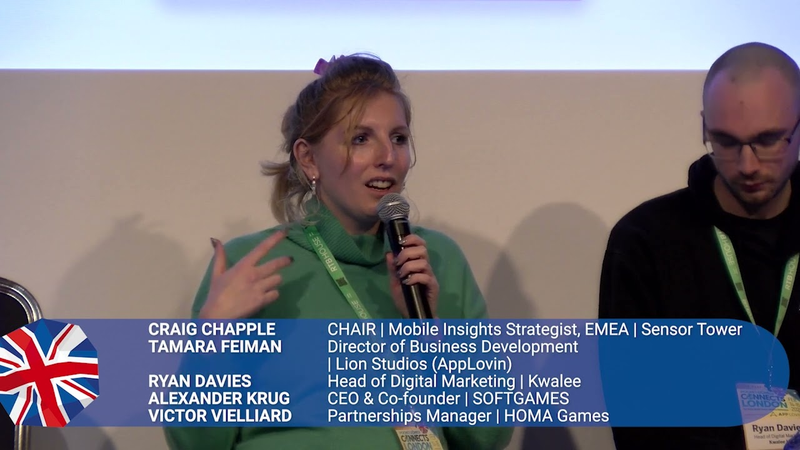
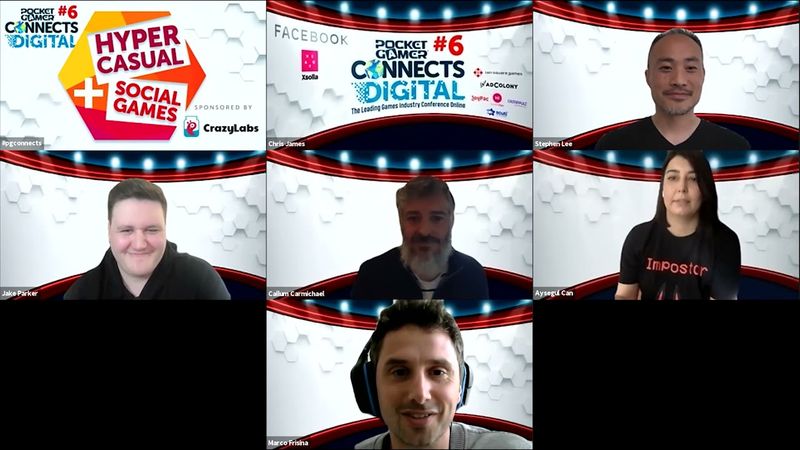
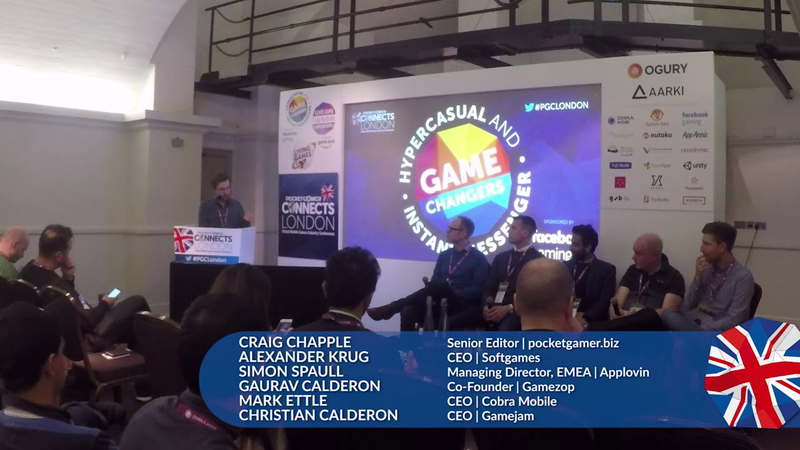
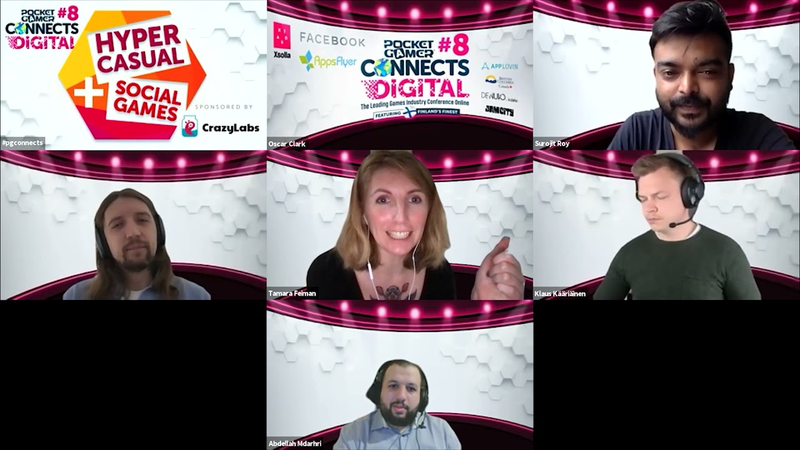
Panel: The Challenges of Being Innovative & Unique in the Hypercasual Market
Key insights
6 takeaways- 01Successful hypercasual strategies often involve aligning game concepts with a team's specific internal strengths and passions rather than blindly chasing market trends.
- 02Hypercasual development requires a mindset shift toward rapid failure, where studios often test dozens of prototypes over several months to identify viable projects.
- 03The hypercasual business model is defined by the inseparable relationship between user acquisition (CPI) and monetization (LTV), requiring developers to treat marketing and game design as a single, integrated process.
- 04Studios can improve long-term sustainability by moving beyond simple ad-based monetization and exploring ways to build direct relationships with users, such as collecting contact data for future retargeting.
- 05Developers can pivot failed hypercasual concepts with high user retention into more complex, successful products by adding meta-progression systems, as seen in the transition of the game Spire Blast to Apple Arcade.
- 06Live operations in the hypercasual sector differ from traditional gaming by focusing on iterative ad strategies, level funnel adjustments, and content refreshes rather than seasonal events or long-term community management.
Ask AI about this video
Transcript
we are going to now uh go to our panel so we've got carol from auburn light who's going to moderate for us uh the panel is about the challenges of being innovative and unique in the hyper casual market kind of a perfect uh segue from what uh shai has been talking about and in fact what john has been talking about earlier today so hopefully carol will join us in the group uh thing fingers crossed there we go hi karen how you doing thank you thank you so hello everyone my name is carl i'm the ceo and founder of orbital nights we've been in the in the mobile business for nine years now and recently we've got like some some success with hyper casual and that's that's why i'm here uh we raised a number of games with wood or maybe you've played some of them was castle wreck crazy kick and recent force master
uh and i'm happy to be uh leading this panel today so uh let's kick off this this panel with with with introduction so maybe let's start with sarjit and please correct me if i mispronounced your name you said it right uh i'm sorry i'm a co-founder of firesquare interactive which we were the creators of three big hyper casual hits in the past 18 months or so they were soap cutting acrylic nails and hair dye all three of the games were published with our publishers crazy labs and in the last few months you may have heard that fire score was also acquired by crazy labs and this is part of crazy lab's big expansion into the india market where we've started a number of accelerators and we'll be starting a lot more in the coming year that's awesome thank you uh tamara could you give us a quick intro yeah hi everyone my name is tamara i'm business development director at lion students i've been at line and hyper casual for a while doing like my main
focus right now is to find talented students to onboard those students and help developers to succeed uh lion students is a part of applaud and family and we're doing a lot of great games that you can find in the top charts so that's that's awesome thank you thank you klaus what about you greetings yeah klaus carrillon here and the ceo at chestercraft and uh a little bit of chestercraft we basically do consulting and assistance for game companies to do proper monetization designs for different games that is that is really awesome thank you let's now move to abdullah hello everyone i'm and i am the ceo and founder of cinco games and we've recently found the kokoro games we've shifted our focus to hyper casual games this last year and i
am here to share a little bit our experience with the hyper casual games and and learn from you guys a little bit hello great thank you so uh so the topic for this panel is that is we should be discussing about the challenges of being innovative and unique in the heart casual market and uh i find it really interesting because for me hyper casual is all about innovation right so uh i i think the good point to kick off this discussion is maybe to start from the top of the funnel uh so i'm just wondering about your ideation phase so where do you guys get your ideas and how and how do you manage to keep a healthy stream of new ideas so uh which is probably the real challenge here at least from my perspective and i'm wondering what's your take on that what's how do you you know keep being innovative in that field and what are
your challenges so uh maybe let's start with sajid sure so um to give you some context we've tested you know a number of ideas and as a development studio in the in the past um 18 months or so and um it is very challenging to constantly stay relevant and we've seen that uh you know of course after some time you tend to run out of ideas and sometimes you need help from your publisher or you know you need to look elsewhere but in our experience i think um you know accepting first of all that we are going to be failing at a lot of ideas is very important and that then tends to lead us to conceptualizing twice or thrice the number of ideas that we'll actually go into production with uh in a particular month of course there are many places to look for ideas but the way the place the market has reached today it seems like whatever we do produce or any tests we do do they have to they have to kind of be relatable and that's that's what we
found is is the key to today's market to cracking it is to be relatable and to give users something that they're already familiar with yeah that's a great point uh yeah what about you tamara like you're you have like a perspective of a publisher so that's going to be uh something different from mine and i'm wondering how do you look at the ideation phase i guess you probably have a some sort of process to help the developer i'm just wondering what your thoughts are yeah so first of all i would say that any person like everyone at line are id8 and we call it spak so like any idea can be a winner idea and everyone has different backgrounds and experiences so they can bring their thoughts to the market but when we talk to the developers of course we're sharing our ideas but from the idea part to the game there is some flow right there is
some path uh to go through so i we usually give three advices and like ask three questions first is like is it different or better that is already in the market and of course we usually push everyone to do different this is more into like aligned with the uh innovation part that we were like that we were mentioning before the second and what is your vision for the final product because uh of course hyper casual is very cpi focused but at the end of the day you should have some product good product metrics right and you should have ltv and like final vision of the product is actually will help you to achieve that and the third one is does it align with your strength so like like is it fits this idea feeds to your team's uh
strengths what they can do capabilities what they like to do uh that's very important if the team likes the idea basically uh or uh if the team sees this idea it might be even theirs but they are not seeing it how to finalize it at the end of the day so that might be also some like issue but uh yeah that's pretty broad maybe a bit rough but yeah three questions different better uh what is the vision for final product and third does it align with your strengths yeah i think the last point it's really important and i i we've internally at orbital night you know learned it the hard way there was a moment where you know the simulator games were really really popular and we wanted to follow that trend we didn't even we even did you know uh people popping game you know pretty disgusting one you know try trying to follow the strategy you're
not the only one you know yes yes i know but you know we what we found out during that process is that's i mean we are not i mean we are not into making those kind of games and we were better off you know doing what we call internet power fantasies and once we realized that and you know switched back to the games that we liked doing you know we immediately managed to land on another hit so i think that's a that's a that's a really good point just to be aware of your field strengths and uh maybe you know try to be at least a little bit focused maybe straight you know trying to be talent it sounds like like an oxymoron but you know being aware of your strengths i think that's a that's really fair point uh what's your what's your take clause um actually if you don't mind i'd like to ask tamara about those questions that you just listed so you say that the first question is that how do you differentiate uh from from uh kind of
the existing games what's that one of the questions that you ask so kind of what are the uh on your your perspective to kind of things that makes a game differentiated is it the graphics or or some mechanic or controls or basically how big of a change do you find is necessary to have an uh differentiating game on the market basically everything that you listed might be like it might be i don't think that graphics uh in its own will be enough uh but it's affixed with controls or a theme setting like uh different feeling different theme uh we can see mechanic uh like just swipe mechanic right uh used from game to game but it's always a different game right due to some other criteria due to some other features
uh yeah it can be different in multiple ways uh uh yeah it may be male focused it may be female focused right it may be very broad and generic uh it may be like i can actually do that all day long but uh uh yeah it's very important to follow the games that are not only top in top charts but also that uh other developers are just putting to the store uh and it might give you a sense of what is being worked on right now and um like by ideating it can help you with your ideation and it also can help you with eliminating and actually uh going away from some ideas that you had um yeah
yeah fantastic play and play the games uh like on your phone that's all yeah i'm just curious because from uh kind of our perspective we try to find you know kind of the innovative and unique ways on the monetization side as well because so that's kind of a list uh let's list the topic when designing kind of a new hyper casual game that because of course the right answer is the ads like in 90 of the cases but i i think kind of there's always a room to discuss always that when thinking of design like from the ground up that how can you affect the whole feeling of a game by doing a whole different kind of a monetization design not just kind of making uh making a different game mechanic and adding ads into that so so do you do any of you guys and tamara find kind of a ways or kind of unique ways or have you found unique ways to kind of make monetization in hypercasual games or is that kind of a straightforward thing for you
uh can i just do a small comment i honestly believe that monetization is just a cherry on top of the cake and not and it cannot be your main focus is the main focus is your core gameplay and the feeling of the game and if the game is well retaining well engaging and it has like unique it gives unique experience for the player they will play it you will easily monetize them and like by easily i mean like with some like with some a b tests let's put it that way but uh yeah uh it can be with uh purely advertising monetization it can be with some features and some introduction of an emperor jesus of course it can be hybrid monetization uh
i don't think that uh anyone does these days purely in advertises in hyper casual uh but yeah uh but it is of course uh important to think about monetization while you are ideating like you have to understand how you're going to monetize your game and like this gameplay because like for example for puzzles it will be mostly with interstitial some hints and some skip videos for example based on the game's complexity but uh with the simulation games it might it will be different for some um for idle games it will be upgrades and uh some other stuff so yeah uh everything is important uh and it more comes to the second point of what i said about like final vision of the uh of the product of the project idea um yeah but uh we're definitely not doing
that uh like you know as an innovation only [Music] yeah and before we move to um i just i just wanted to add one more comment because when you said that i realized that when we moved when we started doing hyper casual games i i found it really liberating you know that it is i mean so simple i mean so straightforward because you focus at this on the early stages purely on gameplay right before that we were so obsessed about you know building games throughout the ieps and figuring out how we gonna monetize them before we even had a game you know you know what i'm saying so and and what when we when we ditched that approach and you know when we embraced the hyper casual way i mean everything clicked i mean i i really i really i mean i love that approach i
mean i'm i'm skilled perfectly because i'm a game developer and a gaming gamer myself but you know i i love you know working with games that way it's i found it so liberating so yeah i mean that what would you say just resonated with with my experience and probably we should move to abdellac oh please correct me if i mispronounce it no no it's uh it's uh all right so what's your take what's your take on that ideation phase i will calculate from a developer development point of view okay what we are finding ourselves doing is that we are uh two or three developers uh right now so what we do is uh when we want to start on a new idea we take two archery regimes okay and we start uh prototyping many prototypes around each of one of those
team in the first week after the first week we then choose the the the three concepts that uh looks to us have a chance to to be uh to be successful in the market yeah this is how we are doing with our ideation phase it's kind of like a game jam approach right yes exactly we are taking our inspiration from game jumps exactly right yeah right so i'm just going to have to sense uh the orbital wave we've got yet another approach there's like uh 20 29 people in the company so like quite quite a few and we have like we have a notion board where everybody can post ideas and each week we do a meeting and we vote on those ideas and you know every idea that goes you know needs a certain threshold of votes and
you know if you reaches that it goes into the idea backlog and then we have a prototyping team which is you know free to take any idea from the backlog prototype we aim to you know to stick with a three week three week you know period before we push it to test and get some early kpis and those logic apis will determine if we do another iteration of if we kill it so that's kind of the way we do it i mean i was i was curious about your approach because we sometimes we you know run into cases where we have like no ideas because we run out of all of them and then and then you know there's this we are kind of doing the same thing like that you are doing looking for a theme and then you don't brainstorm around it and and fill that board again so that's kind of that's kind of our approach um yeah stay staying in that sergeant mentioned that when you're doing like a lot of ideas when you're testing a lot
of ideas it it means that you're going to fail really often i mean most of the time fail i mean we did we're doing hyper casual for like two years with something like 80 80 different prototypes and only only three of them well kind of three and a half if you count people pop pimple popping uh managed to be a successful successful you know kid games so the question is how do you you know how do you cope with that you know when working you know in a space where where most of when you're constantly embracing failure uh when most of your ideas fail and how do you keep how do you keep you know motivated you know how do you keep on you know killing those ideas and moving to the next one with the same you know with the same attitudes uh with the same energy levels just wondering what how how do it goes how do you guys go about it so maybe let's start you know from the end
now abdullah what's your what's your what's your approach so uh actually our approach is uh that after we choose those those two games we are working on we are trying to reach a certain level of polish in those games okay and and we put them on on the market watch what we want to achieve by that is yeah maybe they can't be successful and be a hate game okay but but they can generate a flow of money to keep going and what i've noticed in the when we switched to the hyper casual game market is that many developers are developing many many many games okay and when you go to their store for example you find many prototypes and there are some good ideas there but but they are
they aren't polished so for example if a user stumble on your store and play one of those games for example he will never come back again so we are taking a little bit of a different approach to to to polish a little bit those games so even if if he plays a user play those games they they will enjoy them and maybe try another game and stuff like that uh yeah okay okay instead of killing the idea we we try to to to mature it to a certain level okay before we we go to another idea okay aren't you afraid of the that you can spend too much time on an idea that's you know that you probably should have killed earlier and i'm asking this because i've been in that situation quite a few times so uh actually we are not but but we are
killing those ideas in the in the first prototyping phase okay because we are prototyping a lot before we we start working on on something that seems could have success we already have killed those ideas that that are that that we are sure can't catch past okay but we put we only polish the ones that we think could have a certain level of success but we stopped working on it when it is polished enough okay yeah okay that's because you have this uh game jam approach and you do this like internal prototyping first yes exactly okay that's a that's a clever approach uh klaus what's your what's your thoughts on on killing and staying motivated i think there's kind of always something that you kind of can take out from from failed projects it's something from the related to ua or
or some minor part on the controls or something that you could kind of identify from the analytics itself that that was working and and that was a good choice so from our perspective it's kind of far the thrill of trying to find that one thing or two things out of the projects that you just failed and kind of bring the best parts to the next games as well so so that's kind of our take on on kind of approaching the failures that you always need to learn something if you didn't learn anything it was a waste of money and waste of time in in all the senses so that's kind of our take always learned something from the table yeah yeah it's just kind of look look at it not as a not as a failure but as a lesson that's a that's a that's a great approach uh tamara what's your what's your thing yeah i should admit that on not only developers are feeling stressed and frustration uh but also publishing managers and like we also work on a lot of like
multiple games as well you are invested as well right we are also invested and sometimes like i'm not less upset with like one or like with a failure with like high cpi for example or super low engagement uh of one or another game it's first but uh what i found from myself is that um do games and like that you like to play on your own like that you want to keep on your phone even if it is has like high cpi for example it has to be killed and that and if the process of development and um yeah as a process this brings you some joy right it's like i know that it's i don't want to sound so romantic there but uh yeah in general
just take it as an approach just do games that you like and you don't have to then you don't have to kill it yes it won't be played by millions and hundreds of millions of players but you will have it and maybe your colleagues will have it maybe your family will uh will have it on your phones and it still will be a game uh in the store so technically it is published uh so and of course interconnect uh into continuation what klaus has said uh learn from your mistakes like study what exactly uh didn't work out so like go through all the analytics if it is possible if you don't have access to this analytics find a publisher that can give it to you or like talk to your publisher and just get it from them like marketing numbers can tell you a lot for example gender
um like gender and age groups what is maybe cpi is too high because uh age group is like 65 plus and it is too small so that's also like it can numbers and data can give you a lot of answers uh in which platforms what are ctrs maybe just the creatives maybe you can still uh push there and also in-game metrics like what is the play time how many sessions what is the funnel what is the complexity and fail rates all of that can give you a lot of answers and that can help you with achieving much faster uh like like good results uh much faster right thank you like i like your comment about keeping some of the games on your phone there was one of the prototypes that i was actually making which had terrible kpis but my daughter loved it
so there was a best side to it yeah yeah i have i have four four-year-old daughter and she sometimes plays games that are not published yeah and i was like why why why the terrible kpi my daughter loves it right so i yeah but i moved on but i moved sergey what's your what's your approach right so um i want to like give some context to this question as well because um i think one of the things that hypercasual did was it changed the gaming space and the process of development the timelines the resources you need and stuff so you know when when we moved from casual games in our previous startups and we started this company um we changed our mindset immediately because earlier i spent a year year and a half making one game all right and that was a failure so when we started understanding that hey we could fail in two weeks these small failures they don't mean as much you know when you've spent a year two years
building something and then fail that's a long time but when you fail over two weeks on one prototype and then over like six months you have 20 prototypes that you've tested sometimes it still doesn't feel like a failure and you know and that's something that comes with like adjusting your mindset to hyper casual i think at least that's what it was for us so between me and my co-founder we had like four failed startups between us so when we came into this space we were already kind of weathered by the by the storm of our failure you know and that's to bring back to the romantic aspect of hyper casual is that you can really fall in love with this process because especially when you've been burnt by the gaming industry and how challenging it can be i think when you discover that hype casual has so many advantages to it then these failures that you go on are just part of the journey and it's part of the end goal of trying to build a successful studio so i think for us it's more about how we changed our mindset and we're ready for this you know aggressive strategy of failure and that kind of worked for us yeah right that's that's a good point yeah we actually had a uh in our previous startup we actually there's a saying
that failed fast but we put it to the next level uh that we had the mission of fail fastest so we just wanted to find a way to fail as fast as possible so so yeah one way to go i i've been doing uh a year and a half project and failed too and i i know it it hurts a lot and that's that's a good point because uh i think you know that experience i mean we almost you know uh went underwater because of that project but you know we've managed to save the company but i think that experience helped us you know embrace those values like you said you know because sometimes you know sometimes we have this discussion you know what we failed this project but you know we should be happy about it because we did it like you know in a you know couple weeks not not like that that project you know when we were working on it for a year and a half so you know we should be we should be happy because that because we learned that that it's not working you know in this this and this amount of time so i think this this
this mindset and you know this approach really really helps uh great so i'm just really we've been uh yeah we just did like two two questions and we like about above the how you know we've got like a third like i think 50 minutes something like that so there's one more question because we've been we've been talking about you know about ideas about prototyping which revolves above you know around game mechanics and i'm just wondering about you know maybe the innovation hyper casual is somewhere else you know uh there's a you know uh the previous panel you know uh oscar was mentioning you know hybrid casual approaches you know and you know changes to the changes in the in the business model maybe ua strategies maybe in monetizations how do you think maybe there's you know
more room for innovation than you know in looking for you know new and unique ideas new game mechanics maybe it's you know maybe it's your new business strategies maybe it's new marketing strategies what do you think maybe maybe maybe let's start from timer this time around if i understood your question correctly uh like how how for casual can be like is it okay because we we we're talking about innovation right and yeah so focused about you know the ideation and then the prototypes the game mechanics right and maybe maybe the innovation you know maybe we should be talking about something else maybe it's business model maybe it's monetization maybe it's different new way strategies i'm just wondering uh what's your thoughts on that subject yeah so uh
like we can look at hyper casual from different perspective and if we say that hyper casual is a business model of course there are two components there is like cpi and ltv so it's a ua side like uh user acquisition side and uh monetization side uh and in this case i think user acquisition for example in hyper casual are two inseparable uh components right like and it is driving itself and i cannot say like is hyper casual driving uh user acquisition and marketing or is marketing driving uh hyper casual i think it's just they're going one by one and bringing innovation from both ends if we're talking about monetization the
same thing i'm not i'm not sure i think that monetization comes from uh bigger titles and hyper casual is taking inspiration from casual mid-core uh high core a dive of course games and we can see more and more features uh brought from uh highly engaging with the high like longer tail games um even like small features like keys and chest rooms right is it like uh yeah is it only hyper it's not a hyper casual invention right it's still like but it's still in the gaming uh area and uh yeah so i think it's uh just to summarize uh i think that hyper casual
uh takes the best uh from different uh from different areas and even not from gaming as well so how many developers are doing right now prototypes based on the squid game from netflix i've seen a lot already so right it's like situational gaming already situational prototyping so and it's also part of innovation i guess it's never uh uh it never existed before i have never seen like that like it is in the market for a while already couple of like for a year or something right to make a quick game like quick prototype based on a trend but it could we couldn't imagine that a couple of years ago right it would be bad right why you're
still like doing uh like measuring right or farm uh based on some ideas right right i mean i saw some a couple you know publishers developers trying mixing match three mechanics with hyper casual and i think you know to to to rephrase that i mean i was more about you know some out of the box ideas um maybe maybe the innovation somewhere else not in the not in the ideas you know not in the prototypes maybe it's somewhere else you know i don't know where but just i'd like to speculate about uh on it speculate on it with you so uh after alex what's your what's your take so uh the question was is there another way to innovate in the hyper casual games other than than in the gameplay right right and i think that uh [Music] yes i i i fairly believe yes because
what what i think some studios should focus on is uh is on a marketing strategy for example for uh how to to for example have a user acquisition acquisition strategy for example what i noticed is that uh a lot of developers doesn't have users data about their users for example you could build a relationship with those users for example and then you can retarget them later for example you could i'm just a assuming here but you could build a way to for the players so you can collect their emails and then uh communicate about your latest projects and stuff like that yeah yeah i think there is room of of
of improve and we are thinking about some ways uh but i do think that we can innovate in other uh places other than just focusing on the gameplay right all right thank you sergey what's your what's your thoughts um so i i definitely think we're still very early in the casual space and with as with any industry i think there will be innovation that comes i think we haven't even started scratching the surface of the innovation yet we're still riding the first like a couple of waves of this of this hype the market is just about maturing uh we haven't i guess we haven't reached the saturation point as yet but i think in any industry you need a few years before you start you know once you reach that majority level and then there'll be another wave of innovation i'm sure and you know there are innovations that are happening i'm sure on the developer side on the publisher side that we don't hear about and that are specific to those publishers that are developing things that you know are unique to them technologies that can
help them and i think those are the innovations we're seeing right now and i'm sure in the coming years we will see a lot more innovation both on the product side and on the publishing side all right thank you klaus yeah i i kind of asked you all aware of kind of the whole hyper casual genre is rather new in a sense but but still it's kind of a taking a big big kind of a market share now so we can kind of say that hyper casual games are now here to stay kind of but what we will be seeing is uh of course kind of but that the hyper casual will be evolving into something else that we won't be calling a hyper casual genre anymore but it's something all different and kind of fun that's my take when i was talking about demonetization before is of course kind of uh these are kind of tools that we can try to find uh it's kind of an innovative process itself to take the whole hyper casual genre and uh use that as a tool to combine with different kind of business approaches and make something totally
new so that's uh kind of our take in that sense and as as you sorry it mentioned is that uh there's a stuff happening like behind the curtains all the time that are uh being tested and tried out and that's kind of our take chestercraft as well to help and assist find those kinds of different new business aspects and how we can actually use hyper casual as a kind of a tool to create something whole new so that was my previous take on when i talked about the innovation in the monetization so that's like only one one aspect of it so i really find that what we will be seeing uh is uh new genres evolving out from the hyper-casual market but the hyper-casual market itself is here to stay in my opinion yeah yeah the new genres are that's a good point and i i i can share a bit of our own experience what like one of the prototypes that we've been testing uh which which has been cloned or did in parallel i don't know
for sure but but some other publisher which had you know really good retention but not so great cpr and it wasn't actually you know scalable uh so it you know had to be cancelled so we came back to that idea and we've built you know a bigger game around it so you know we took that good retention and build more meta system basically we took this hyper-casual car and built uh like a casual casual progression around it and and we release it as an apple arcade game it's called spire bus and actually what happens it's our best game to date so uh i think you know mixing mixing those things maybe taking what's great about hyper casual the sticky cars and trying to mix it with you know other genres maybe maybe that's the way to move forward maybe there's some you know well what the business folks call blue oceans you know new new new ways to explore explore so
uh that was a really really you know interesting experience for us because we we didn't know how it's gonna end up and you know it worked really great so uh maybe maybe you and people that are listening to us maybe that's that's one way to you know try and innovate um i'm sure you should be i don't know i just wanna add something here um it's very interesting a lot and based on this question that you asked is uh it's just a statement that hey you know maybe hyper casual will not keep evolving but maybe the rest of the gaming industry will evolve into hyper casual in some way and that's kind of maybe what we're seeing with you know hybrid casual and other kind of experiments along the way yeah yeah maybe yeah yeah that that's that's a that's a that's an interesting perspective maybe it's not hyper-casual games morphing into casual games but casual games morphing into the hyper game right yeah yeah that's uh could be could could be that way so
yeah so i can support that because when i have developers coming with a catalog or like even mid-core ideas i'm saying yeah the approach and the process will do the same do core do core game play let's test and then see if it works if it works and you can add meta and all the features etc so the development process of hyper casual definitely can be uh spread across all the genres that's for sure but do you think it's doable for a mid score or even hardcore game like just to take out the car and prototype it quickly and get meaningful data without you know all the surrounding you know systems which you know take months and years to build uh yeah take my words smart okay everything should be reasonable right right but still that's challenging so it's like it's within the topic of our
discussion uh yeah i'm not sure if we should be moving to q a right now it's like we've got 10 more minutes left so let me open up the q a not sure it should be oscar or me doing this for some reason it's not working for me so the first question is uh how much time these games takes to maybe make thank you ah yes i see it now i have two monitors it's been shown yeah so oh hello i didn't realize you were switching over to q a i'm happy to take the lead on that if that helps um so i think there are a whole bunch of questions that came up uh we've got loads of questions uh the first one i think i'll check out you is uh at what point do half of casual games end up feeling like living games obviously i didn't write that
question but it's very much in my in my bag do you guys have any uh view on that kind of the need for maintenance and the drive for user retention over acquisition at what point do you are we talking about live ops uh live up community activity our stuff like that or are we just talking about just keeping the game feeling fresh she wants to pick up on that um uh so do you understand because you're my your my closest sure so from the games that we have ended up publishing um i think so live ops tends to be a little the word tends to be used a little differently in hypercasual we are building new content we're keeping the game fresh we're not necessarily doing events and things like that but we're trying different monetization strategies we're tying different ad strategies level funnels and things like that so in our experience that's kind of what we've been dealing with when it comes to live ops um and not necessarily like seasonal content or events and things like that yeah um carol all right sir
yeah right so i i i have like two perspectives because we we've been doing like classical hype casual games and the experience was kind of like similar to sergeants so we've been doing uh like game basically game optimization for for quite some time and um i mean it's not defined for how long it's more of a we do it until it's start it stops making you know any meaningful you know uplifts uh and it's not again focused on you know on on on seasonal updates you know on events uh but then again when we when we do it differently with spire blast which is this game build you know with hyper casual accord and more casual meta around it we try because we see that it's we get a lot of value of from re-engaging all the users right so um it's not about you know you know getting new users in it's about you know getting all users back you know to check out what's what's
changed and you know oh this is there's this new update and brings some new new features so when we build that we are not necessarily focusing on the long-term retention we prioritize features that are you know quite early in the final so as much you know new to get a healthy balance between you know new and old users just just to be able to you know participate in that so that's that brings us to you know events some sizzle things uh stuff but again we we started doing that because we noticed that uh a lot of you know we we we've got a lot of returning users and that's that's what's driving that process yeah i think the idea of returning users being the focus for the hyper casual end that makes a lot of sense now actually personally i prefer not to use the word meta for this because meta for me means stuff that's not the game so we're talking about the social engagement the um the reason why somebody would youtube or twitch stream this thing the things that are not the
game well i prefer to use the term context because i think context is everything and the context of play the sense of purpose and progression i think thoroughly applies even to hyper casual games if you want them to play multiple times the same day um so i think context is a much more useful word myself personally um but i think uh that's uh that's a campaign of game design language i'm going to lose but i'm going to try for me context is not just progression narrative can be part of it um the in-game economy now i don't mean like big complex economic systems i'm also thinking things like the hot dog economy principle so you know how you buy hot dogs in eights and you get buns in sixes that imbalance is an economy and applying that kind of imbalance in a hyper casual game can work if you're very very careful because it's about
thinking about the context of how do i keep the player um active like they're feeling like they're walking on a ball so they've got to constitute them i've got to get get enough word if i have to do this and i've got to keep doing that that is the game that can work tends to be more complex games that use that but do you get why i use anyway i will talk about the game design for years don't let me tomorrow sorry your opinion on this so this whole point about living games versus um you know when does the happy casual game become a living yeah uh like totally agree with previous speakers uh i think that liveops and hyper casual also coming with marketing along with marketing so if you are introducing if you want to introduce some new content it should because users are not staying in the game that long and it's pretty hard to bring them back on a day 30 for example
usually we're talking about new users so and if it is like new year event for example or some new features it you definitely want to introduce that and show it on on the ads and then it is also important to give it to the users as early as possible because otherwise those users can uh see it as a misleading uh ads so there is a lot of uh like tricky con context uh can be in the live ops and hyper casual so yeah but of course if the game retains and if the game is big and that's definitely should be a part of the publishing process yeah i don't think that like i say i want to keep the kind of the boundaries of what is again relatively kind of firm i wouldn't try to say truck take a game
that's got good retention and then suddenly add um kind of seasonality to it necessarily it might might work in like halloween makes sense but maybe a longer term narrative added to bolted on can often fail very badly but i might take the core mechanics of the context loop and then apply a meta game to make that a bigger game uh and that will be a different game probably i suspect um so klaus what about yourself i mean how do you feel about this kind of balance between kind of going from the sort of hyper casual to more living experiences yeah you kind of sum it up already pretty well but um kind of for my my take of course is always the the numbers itself like like be able to understand that is this really really a good good good kind of approach to continue working with of course so the numbers speak itself in most of the cases but of course there's a kind of cases that you kind of can see that with a very low effort you're able to apply some as mentioned live ups or new features or
live events uh for for some some holiday calendar events or something like that with very low effort but i think kind of uh if you wake up doing this into a game like in in too late you are already too late so you basically have to have the structure planned beforehand that when you're gonna do the updates if you're gonna do those so when the time comes you're actually ready and i'll be able to implement those those with the low as low effort as possible so kind of thinking this beforehand would be my take that makes sense and uh we're out of time but abdullah do you want to add a quick comment on on that topic i think that for hyper casual games uh it i fairly think that it doesn't need the live ops okay but uh as close mentioned those things need to be planned earlier in the development phase of of the game
yeah no absolutely and i think that's why having a kind of kpi driven approach which i think camper casual has really introduced the rest of the industry is incredibly powerful regardless of what kind of game you're making guys i really wish i could spend another hour talking to you i i think there's so much rich deep stuff we could get into but unfortunately i have the uh pressure of time thank you all very much for contributing and carol thank you very much for hosting
Summary
The hypercasual gaming market is currently undergoing a significant transformation, moving away from simple, disposable mechanics toward more sustainable, hybrid-casual models. The primary challenge for developers remains the tension between maintaining rapid innovation and achieving long-term player retention. Success in this sector is no longer defined solely by high-volume prototyping, but by the strategic integration of meta-progression, narrative elements, and simple in-game economies that foster deeper engagement. While monetization remains a vital component of the design process, it is consistently treated as secondary to the core gameplay experience, which must be inherently relatable and aligned with a studio’s specific technical strengths.
To manage the inherent risks of this high-velocity industry, studios have adopted a fail-fast methodology that prioritizes rapid, iterative testing over traditional, long-term development cycles. By utilizing game jam-style prototyping and rigorous data analytics, developers can quickly identify unsuccessful projects and pivot, treating each failure as a necessary learning opportunity. This approach mitigates the financial exposure associated with product development while allowing teams to extract and refine successful mechanics for future titles. This culture of experimentation has become the industry standard, effectively reducing the time-to-market for new concepts.
As the sector matures, the focus is shifting toward the integration of live operations and contextual design to re-engage existing users. Developers are increasingly applying hypercasual testing methodologies to mid-core titles, creating a hybrid approach that balances accessibility with long-term retention. This evolution suggests that the future of the industry lies in the ability to plan for scalability and live updates during the earliest stages of development. Ultimately, the hypercasual market is setting a new standard for the broader gaming industry, demonstrating that rapid, data-driven iteration is the most effective path to creating scalable and engaging digital products.