1 free read left. Create a free account for unlimited reading + AI research.
Create free accountWhitepaper European Conference on Games Based Learning (ECGBL)
1 free read left. Create a free account for unlimited reading + AI research.
Create free accountWhitepaperEuropean Conference on Games Based Learning (ECGBL)
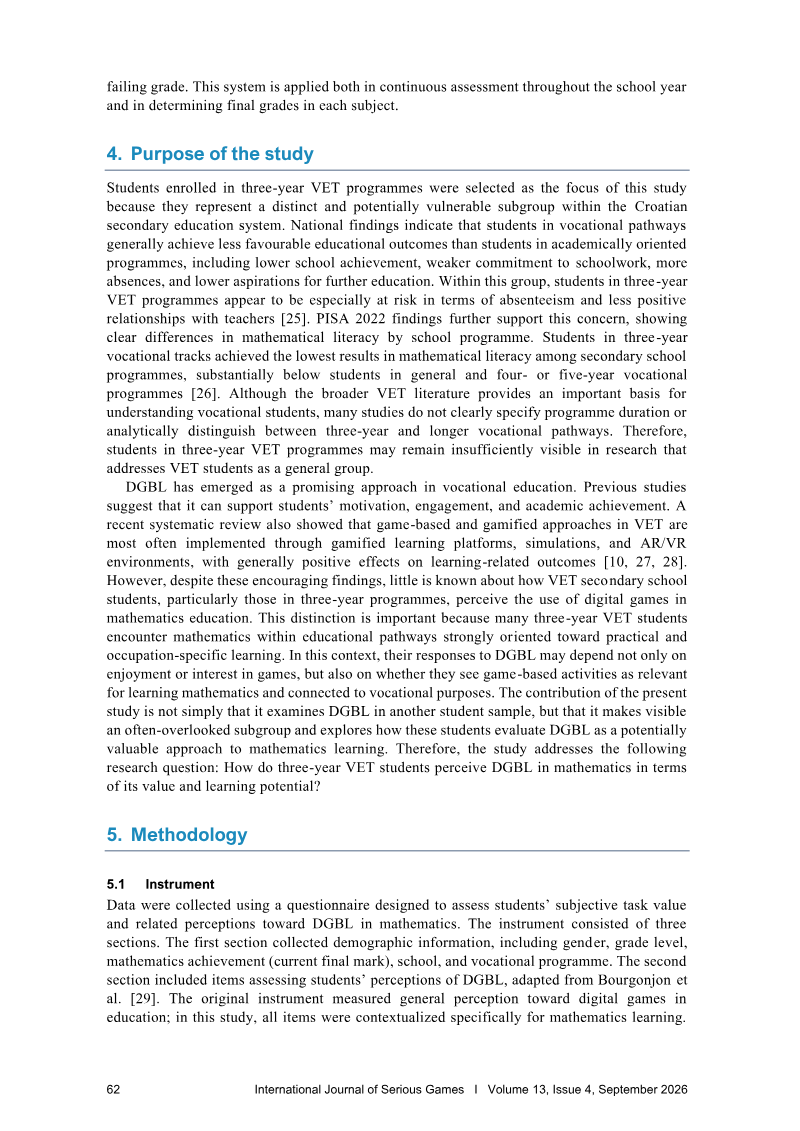
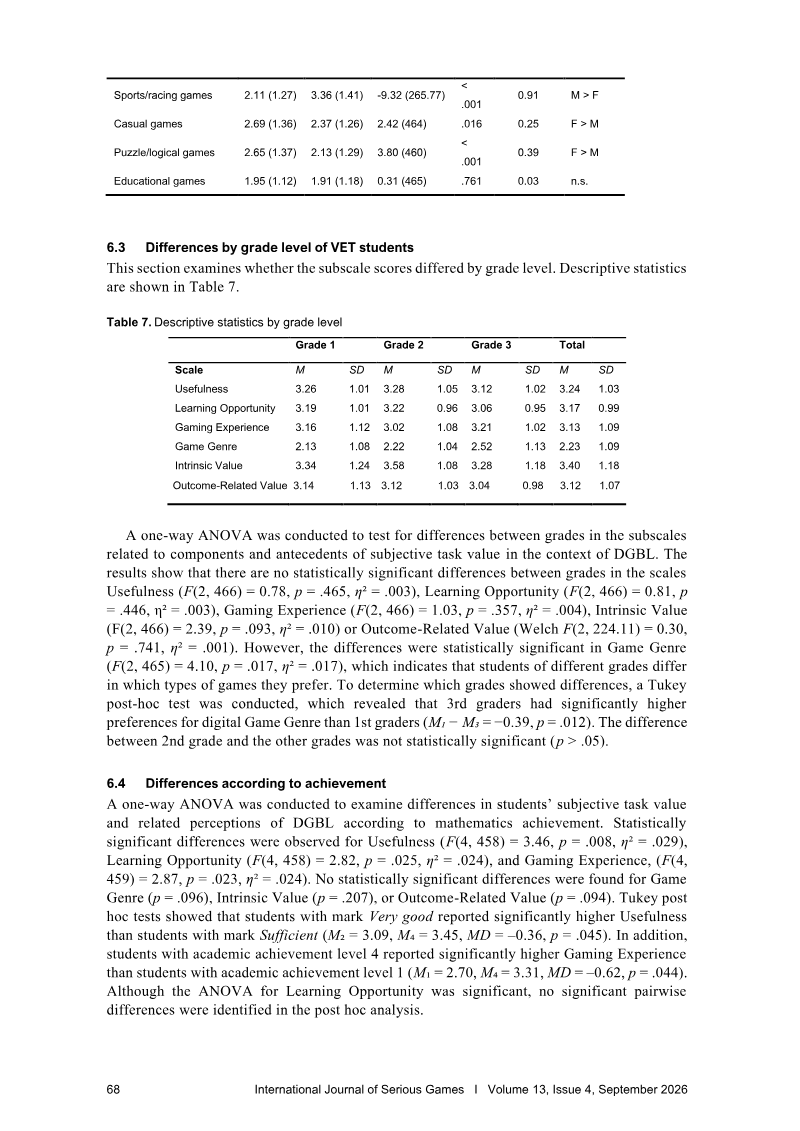
Metropoli and Katopolis were developed at the Faculty of Architecture of the Silesian University of Technology in Gliwice, Poland. They use Monopoly-style mechanics on standard 52-card decks.
Each card works like a miniature municipal profile that players trade and combine.
This study examines game-based learning (GBL) as a tool for teaching urban planning and architecture, using two educational card and board games developed at the Faculty of Architecture of the Silesian University of Technology in Gliwice, Poland. Metropoli focuses on the GZM Metropolis in southern Poland, while Katopolis centers on the city of Katowice. Both games adapt traditional Monopoly-style mechanics and use standard 52-card decks in which each card represents a municipality or city district, carrying statistics on population, area, green space, water areas, and bicycle infrastructure drawn from public sources such as Statistics Poland. The authors position GBL as a complement to conventional teaching, arguing that it helps learners grasp interdependencies between urban functions, transport, and public space through experimentation with spatial scenarios.
The literature review indicates that GBL remains underexplored in architecture and urban planning, with few in-depth studies of effectiveness, coherent didactic models, or comparative learning outcomes. Prior work cited in the paper highlights benefits such as increased engagement, awareness of urban challenges, and support for stakeholder communication, while also noting a shortage of games designed from the outset around explicit educational goals. The authors identify this gap as a motivation for their projects, which were developed through student coursework and a research group between 2023 and 2025.
The empirical component consists of a series of workshops conducted in festivals and in twenty high schools across the Silesian Voivodeship, along with a survey of 202 participants aged 15 to 19. Over half of respondents (51%) rated the usefulness of the municipality cards as a knowledge source as very high, and 40% rated the Metropoli game as a medium for conveying regional knowledge as very high, with most of the remainder rating it high. Observations suggested a shift from rule-focused play toward discussion of transport, spatial relationships, and strategic municipal roles.
The authors acknowledge important limitations: the evaluation relied on subjective perceptions rather than measured learning outcomes, lacked a control group, drew participants from a single metropolitan region, and may reflect novelty effects. They conclude that educational games can bridge urban planning theory and intuitive understanding, and they call for future work on integrated design frameworks, pre- and post-testing, control groups, and studies across more diverse regions.



European Conference on Games Based Learning (ECGBL) · 2026



European Conference on Games Based Learning (ECGBL) · 2026



European Conference on Games Based Learning (ECGBL) · 2026



European Conference on Games Based Learning (ECGBL) · 2026



European Conference on Games Based Learning (ECGBL) · 2026



European Conference on Games Based Learning (ECGBL) · 2026



European Conference on Games Based Learning (ECGBL) · 2026
University of Toronto · 2026



European Conference on Games Based Learning (ECGBL) · 2026



European Conference on Games Based Learning (ECGBL) · 2026



European Conference on Games Based Learning (ECGBL) · 2026



European Conference on Games Based Learning (ECGBL) · 2026
European Conference on Games Based Learning (ECGBL) · 2026