ArticleBrutally Honest
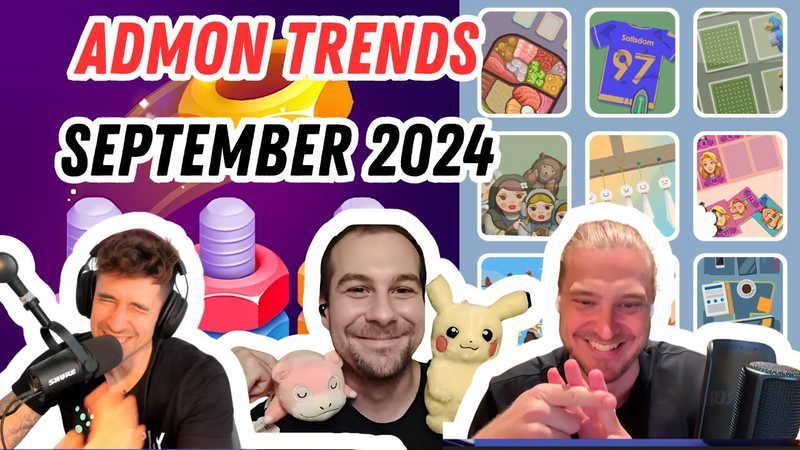
Playable Ads Trends in Mobile Games & Apps: September 2026
14 Oct 20261 page~2 min full read
They are integrated into sophisticated video-led funnels and AI-driven creative workflows.
Key Change. Playable ads have transitioned from a secondary format to the backbone of user acquisition strategies.
The September 2026 analysis of playable ad trends shifts focus from identifying broad industry-wide mechanics to conducting a deep-dive case study of creative output at scale. The primary objective is to evaluate how specific publishers utilize playable ads to drive user acquisition, particularly within the context of increased spending on SDK networks and platforms like AppLovin. By examining the creative strategies of Voodoo, the analysis highlights how established titles leverage specific design philosophies to maintain engagement.
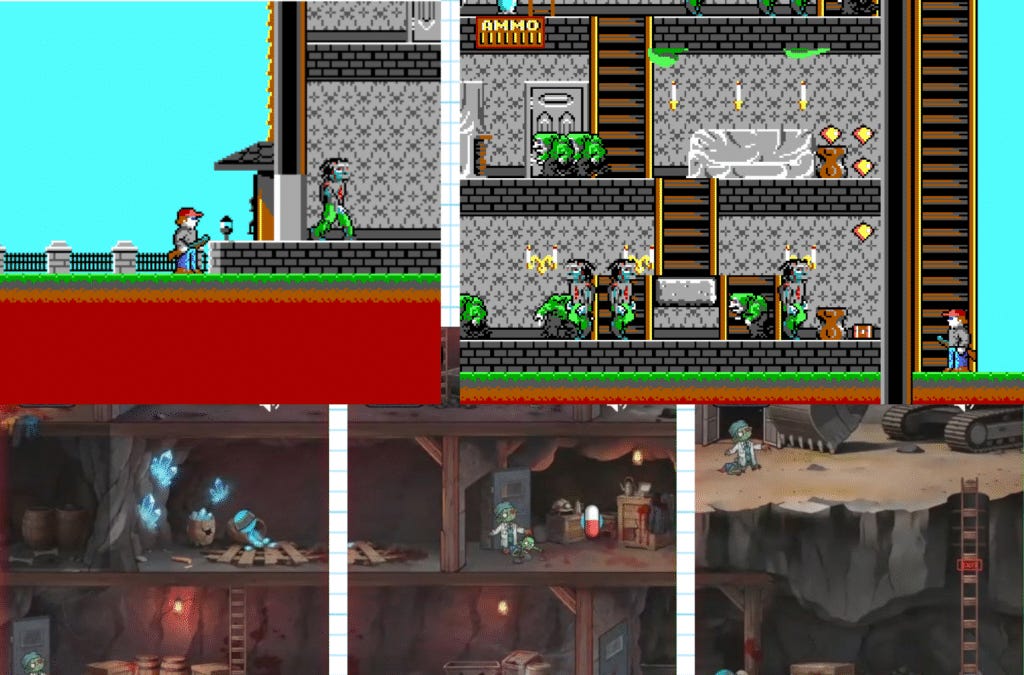
The study centers on three Voodoo titles: Last Extract, Marble Sort, and Loop Sort. Findings suggest that successful playable ads often rely on nostalgic design cues or the addition of tactile, physical interaction layers to simple mechanics. For instance, Last Extract draws inspiration from classic 1990s DOS-era gaming aesthetics, while Marble Sort demonstrates that adding a layer of physical interaction significantly enhances user engagement compared to standard sorting mechanics.
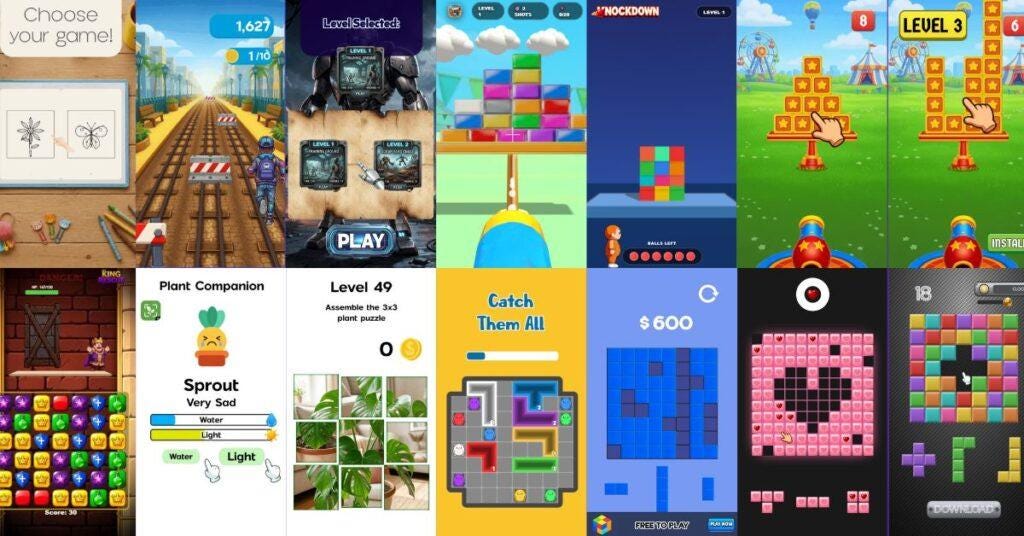
The methodology involves a qualitative review of creative output, moving away from a quantitative list of new mechanics in favor of a granular look at how individual publishers iterate on their ad creative. This approach underscores a broader industry shift where playable ads have transitioned from a secondary format to a foundational element of user acquisition, integrated into sophisticated video-led funnels and AI-driven creative workflows. The analysis concludes that while the market for new playable mechanics has plateaued, the strategic refinement of existing creative concepts remains a critical driver of performance for mobile game publishers.
Brutally Honest · 2026

Brutally Honest · 2026

Brutally Honest · 2026
Brutally Honest · 2026

Brutally Honest · 2026

Brutally Honest · 2026

Brutally Honest · 2026

Brutally Honest · 2026
Brutally Honest · 2026

Brutally Honest · 2026
Brutally Honest · 2026

Brutally Honest · 2026

Two & a Half Gamers · 2026

Deconstructor of Fun · 2026

Deconstructor of Fun · 2026
Two & a Half Gamers · 2026

Two & a Half Gamers · 2026

Two & a Half Gamers · 2025

Two & a Half Gamers · 2025

Deconstructor of Fun · 2025
Two & a Half Gamers · 2025
PocketGamer.biz · 2025

Deconstructor of Fun · 2024
Two & a Half Gamers · 2024
Comments