ArticleBrutally Honest
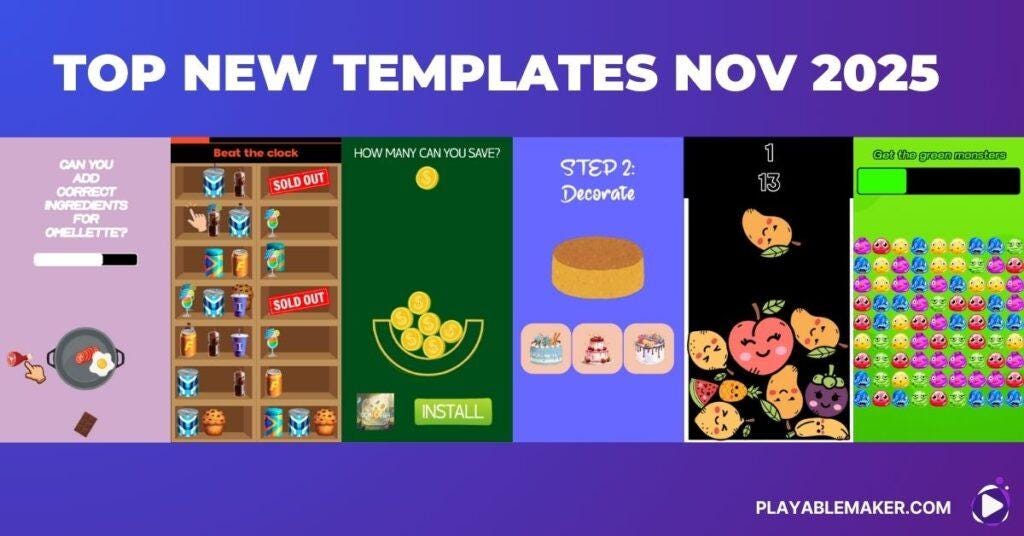
Playable Ads Trends in Mobile Games & Apps: November 2025
19 Dec 20251 page~2 min full read
Key insights
4 slides
Where spending goes
Mobile user acquisition spending is shifting toward AppLovin and SDK networks.
AppLovin and various SDK networks are becoming the primary channels for playable ad distribution. This shift defines the current mobile user acquisition landscape.
Dominant mechanics
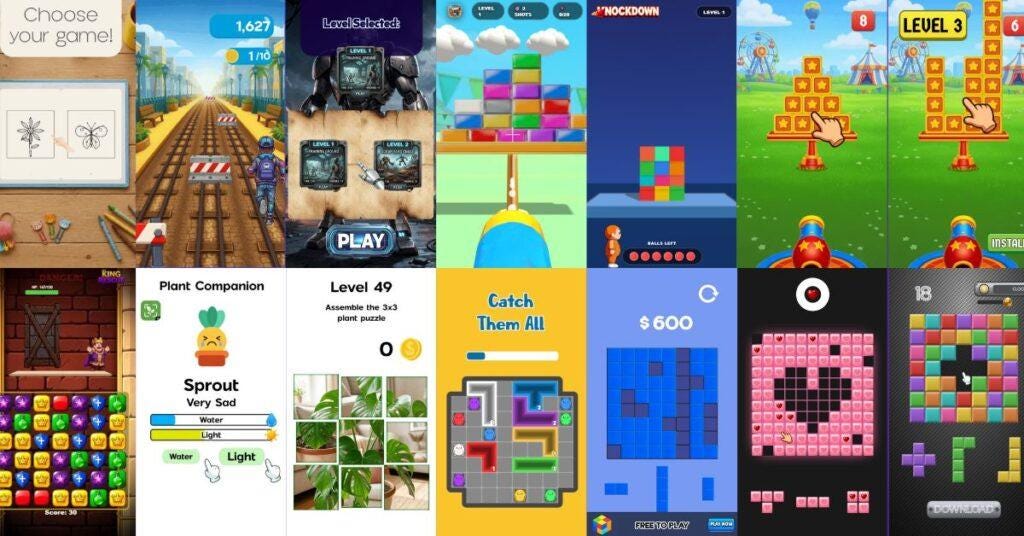
Solitaire and sorting mechanics are the dominant trends in playable ad design.
Solitaire-based playables have proliferated in the mobile games and apps space. Sorting mechanics, where users organize items into matching sets, are also highly versatile.
Thematic versatility
Sorting mechanics use diverse themes like food, flowers, and animals.
Developers apply diverse themes to a single, versatile core interaction in sorting games. This allows the same fundamental interaction to fit diverse themes ranging from food and flowers to animal-based games.
Creative refinement
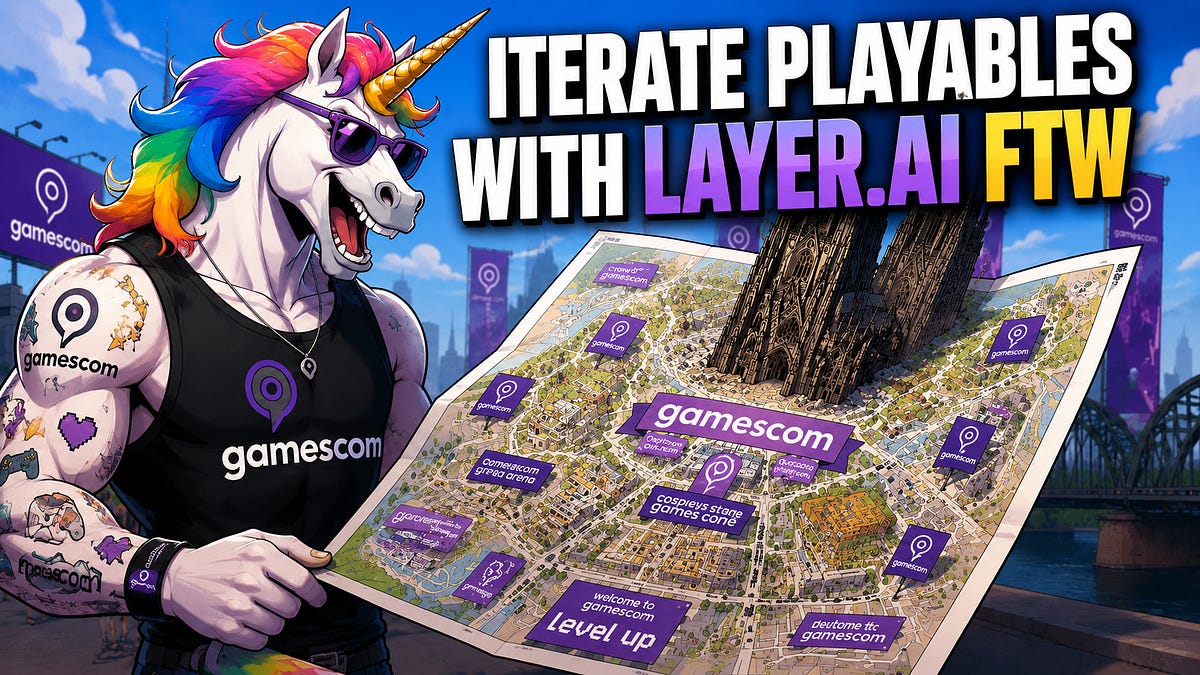
High-frequency iteration is required to maintain engagement in saturated genres.
Constant, high-frequency iteration of creative assets is required to maintain engagement and prevent creative fatigue. Success is driven by constant creative refinement rather than reliance on a single, static ad template.
1 / 4
Ask AI about this report