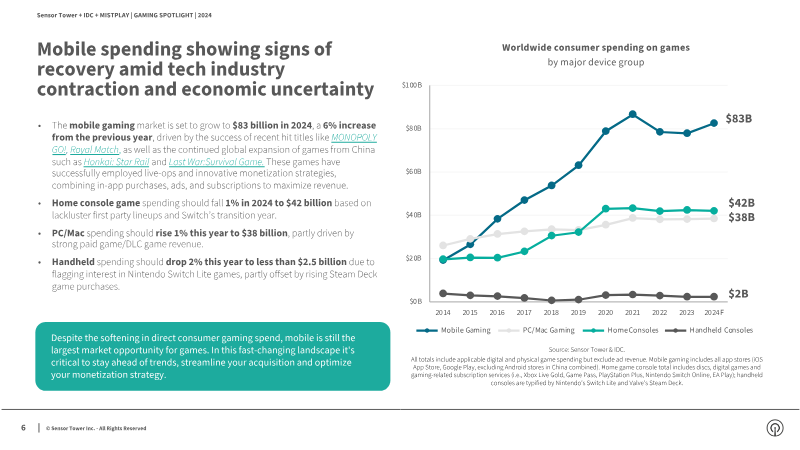
The mobile gaming sector is projected to grow 6% in H1 2024. It is expected to reach $83 billion in consumer spending.
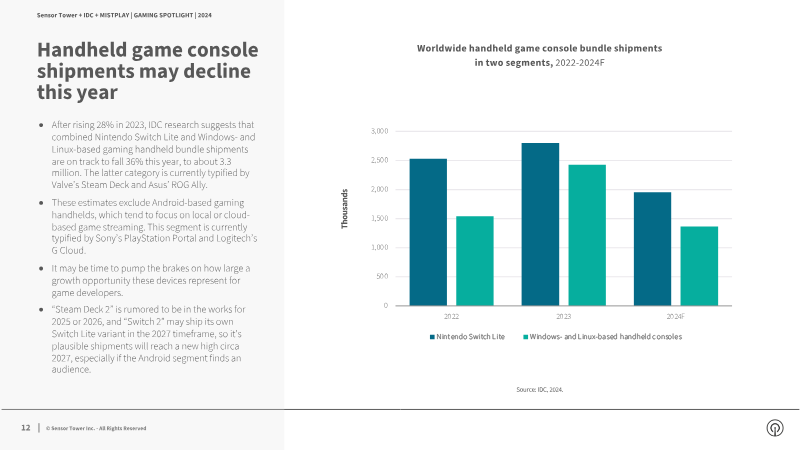
Handheld console shipments have experienced a significant 36% decline.
Games that integrate user-generated content and native advertising are seeing daily playtime figures double. This is compared to traditional titles.
Page 31 of the reportRewarded video ads are currently the most effective monetization format for U.S. mobile gamers. They serve as a key tool for balancing revenue with player retention.
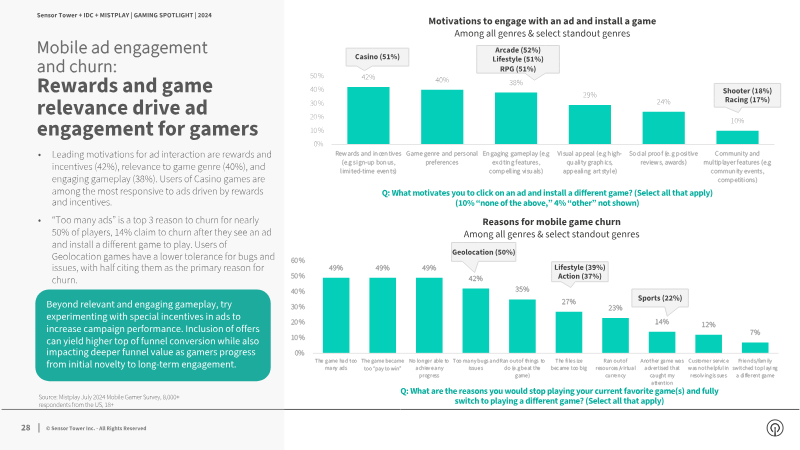
Page 20 of the reportNearly 50% of mobile gamers cite excessive advertising as a primary reason for abandoning a game.
Like a TV show with too many commercial breaks, excessive ads can drive players away.
The global gaming industry continues to demonstrate resilience in the first half of 2024, anchored by the mobile sector’s projected 6% growth to $83 billion in consumer spending. While broader economic headwinds persist, mobile platforms remain the primary engine for industry revenue, fueled by sophisticated live operations and targeted monetization strategies. In contrast, the PC and console markets maintain distinct genre preferences, with shooters and RPGs dominating Steam, while handheld console shipments face a significant 36% decline. This divergence highlights a maturing ecosystem where success is increasingly contingent upon aligning specific monetization models with regional and genre-based player behaviors.
Top-performing mobile titles, including MONOPOLY GO!, Royal Match, and Whiteout Survival, have reached multi-billion dollar milestones by effectively balancing paid user acquisition with deep demographic engagement. These titles underscore the necessity of aggressive marketing in crowded app stores, particularly within the casual puzzle and tabletop genres. However, the reliance on paid acquisition is tempered by the critical need for sustainable retention strategies. Rewarded video ads currently serve as the most effective format for U.S. mobile gamers, providing a necessary bridge between monetization and player retention, though developers must navigate the fine line between engagement and ad fatigue.
The integration of user-generated content and native advertising represents a pivotal shift in player retention, with titles incorporating these elements seeing daily playtime figures double compared to traditional games. Despite these advancements, ad oversaturation remains a primary driver of player churn, with nearly half of the user base citing excessive advertising as a reason for abandonment. To sustain growth, developers must prioritize a diversified approach that blends incentivized ad formats with immersive, community-driven content to foster long-term loyalty in an increasingly competitive global landscape.