1 free read left. Create a free account for unlimited reading + AI research.
Create free accountArticle Journal of Games Criticism
1 free read left. Create a free account for unlimited reading + AI research.
Create free accountArticleJournal of Games Criticism
Distilling the key insights…
Video game criticism requires a fundamental shift away from the pursuit of scientific objectivity toward an embrace of the critic’s inherent subjectivity. Because video games are unstable, fragmented, and inherently incomplete until experienced, they lack a singular, static text. Instead, every interaction creates an actualized textuality that is unique to the player. By acknowledging that the player is an integral component of the game’s existence, critics can move past the limitations of traditional analysis and better account for the vast, unrealized potential within any given title.
The methodology of passion as a critical tool allows for a more profound ideological examination of how games construct specific subject positions. When critics integrate their lived experiences and identities into their work, they become better equipped to identify and challenge the hegemonic assumptions often embedded within game design. This approach does not advocate for uncritical personal preference; rather, it demands a high degree of reflexivity. Critics must provide reasoned, transparent explanations for their reactions, ensuring that their subjective lenses serve as a rigorous framework for uncovering the cultural power dynamics at play.
This analytical shift is essential for the evolution of game studies, particularly regarding the amplification of marginalized voices. By formalizing the role of the critic’s subjectivity, the field can move toward a more nuanced understanding of a game’s emotive capacity and its broader social impact. Ultimately, accepting the incomplete and personal nature of every playthrough allows for more meaningful political intervention, transforming criticism from a detached observation into a vital, transparent engagement with the medium’s complex, multifaceted nature.
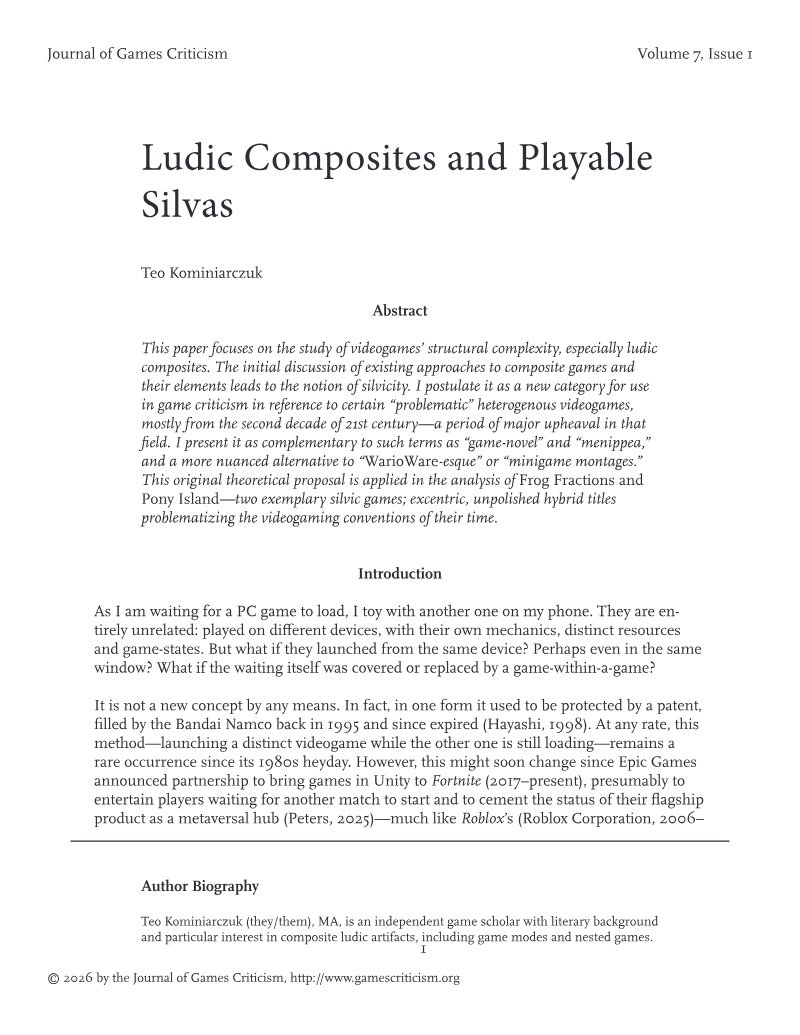
Journal of Games Criticism · 2026
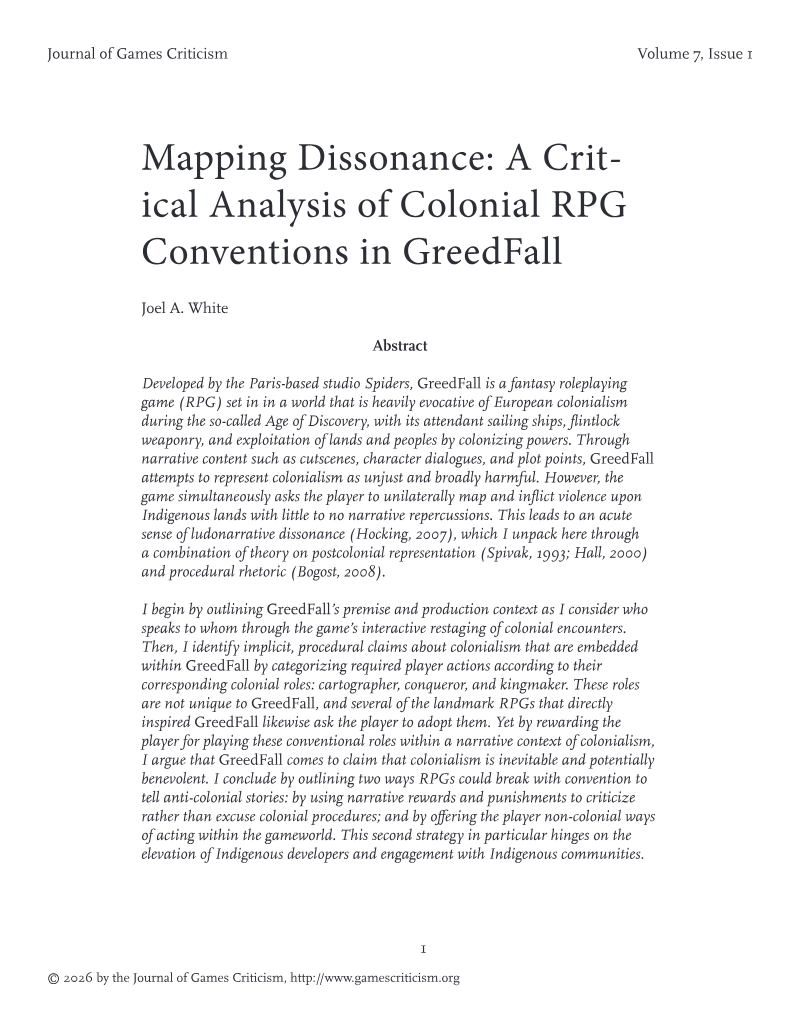
Journal of Games Criticism · 2026
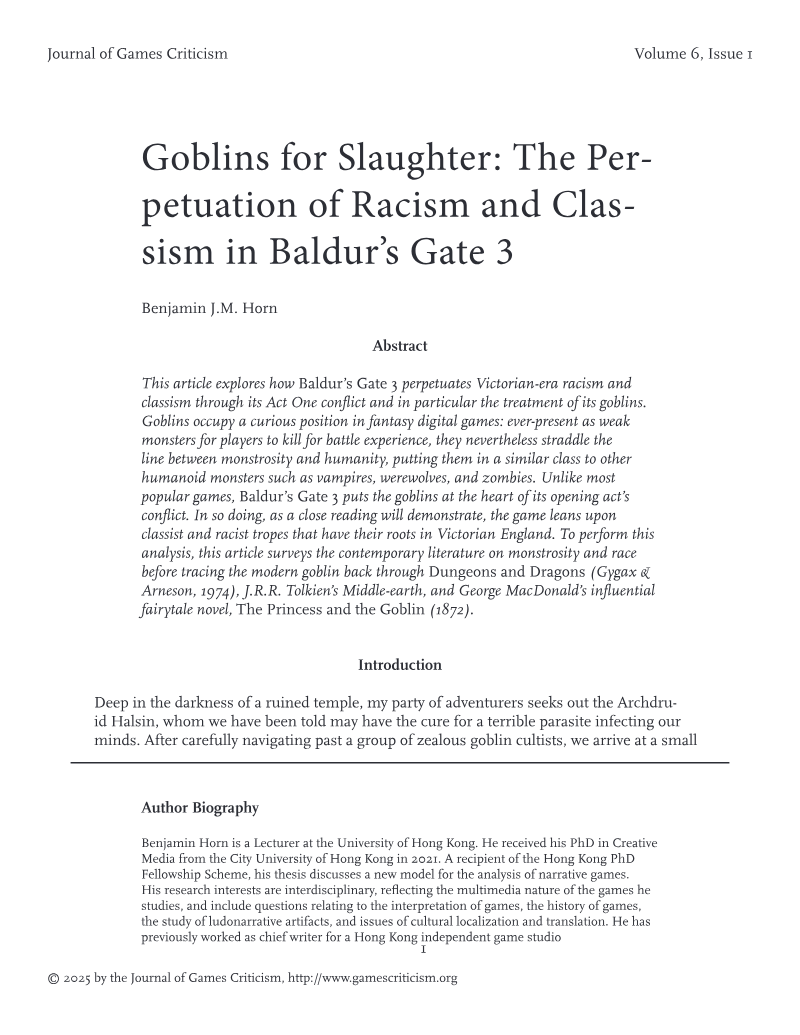
Journal of Games Criticism · 2025
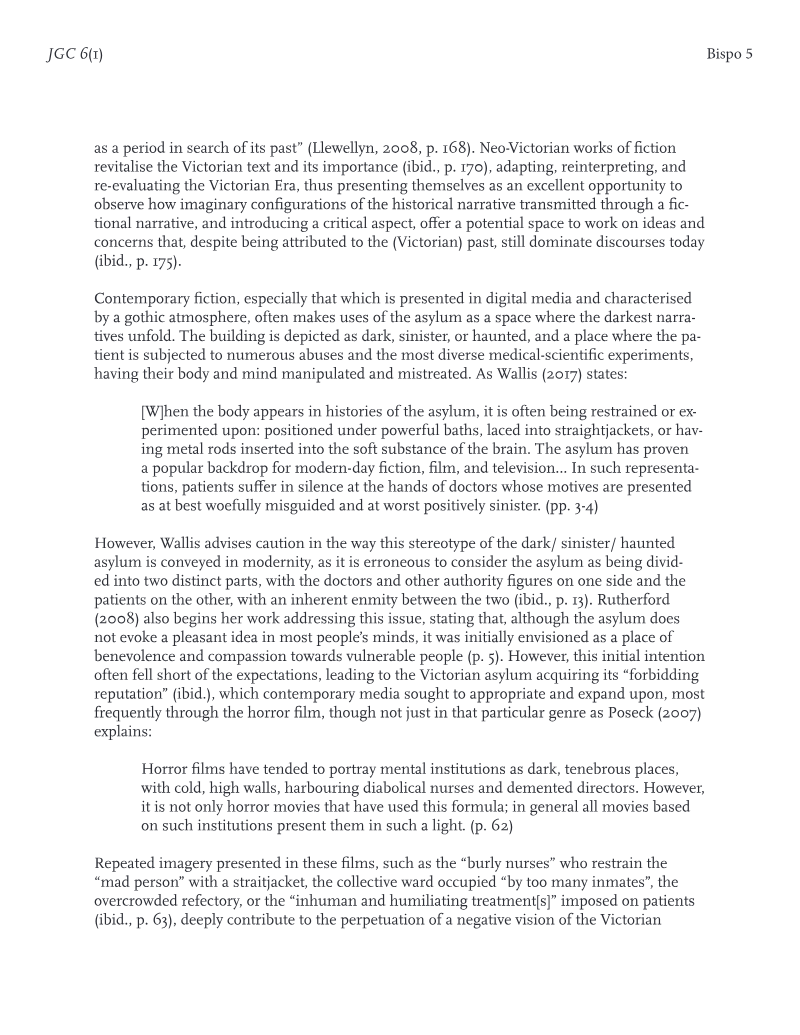
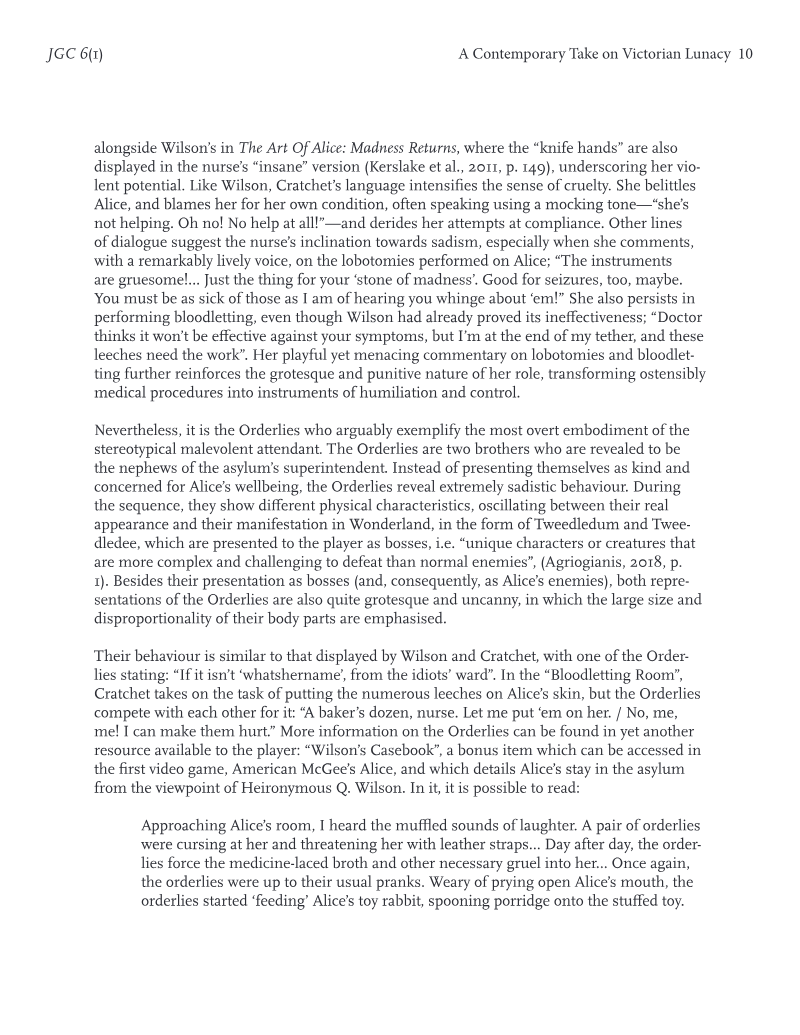
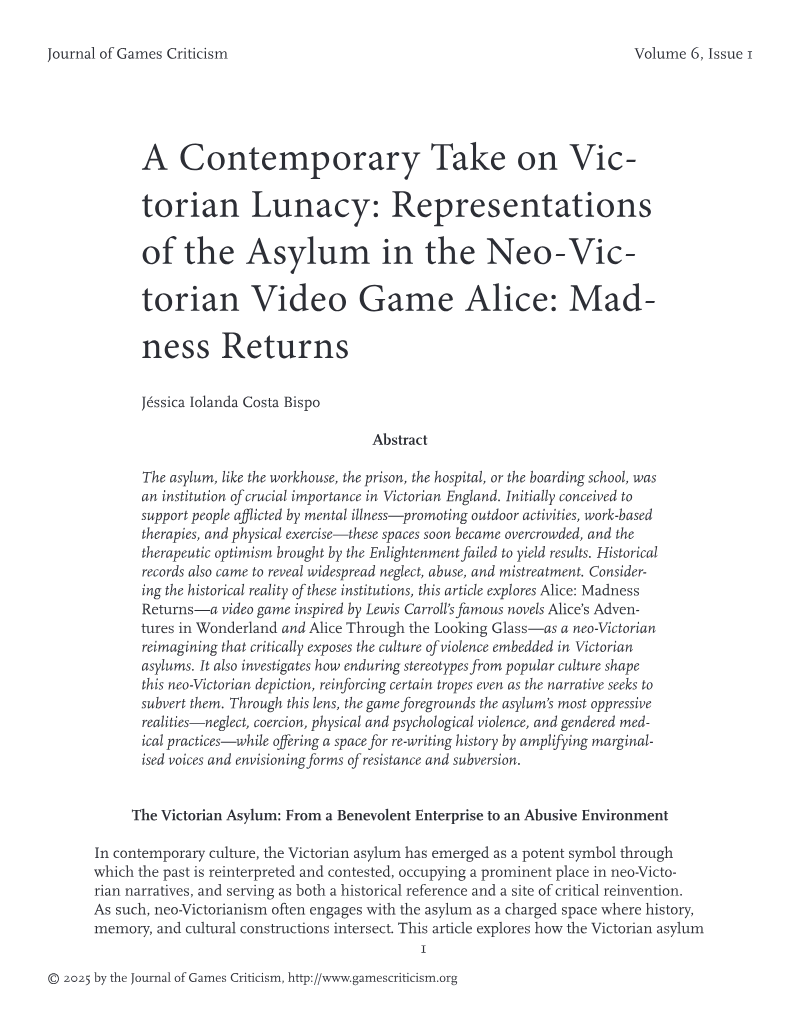
Journal of Games Criticism · 2025
Journal of Games Criticism · 2025
Journal of Games Criticism · 2025
Journal of Games Criticism · 2024
Journal of Games Criticism · 2024
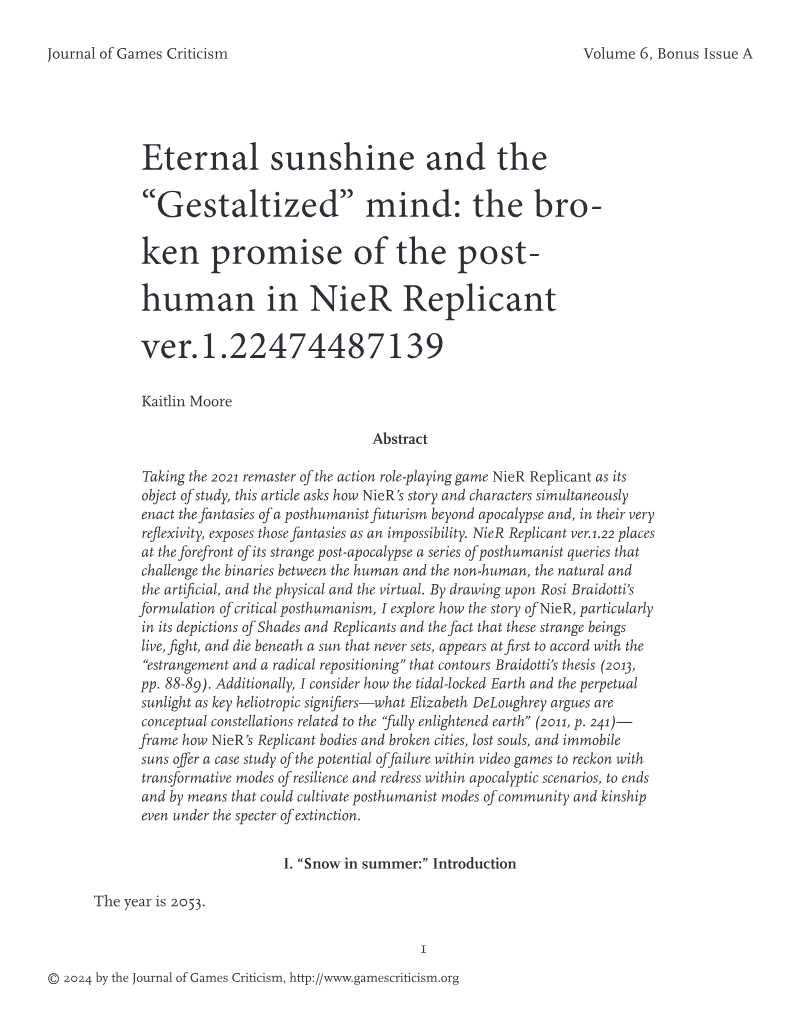
Journal of Games Criticism · 2024
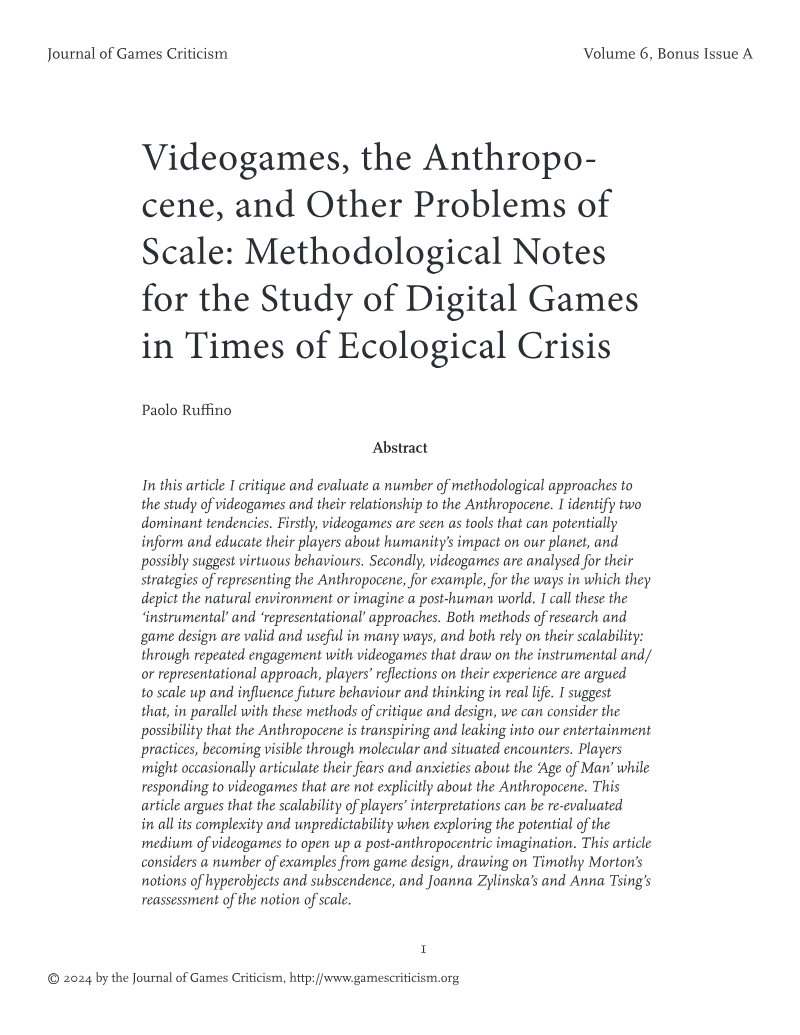
Journal of Games Criticism · 2024
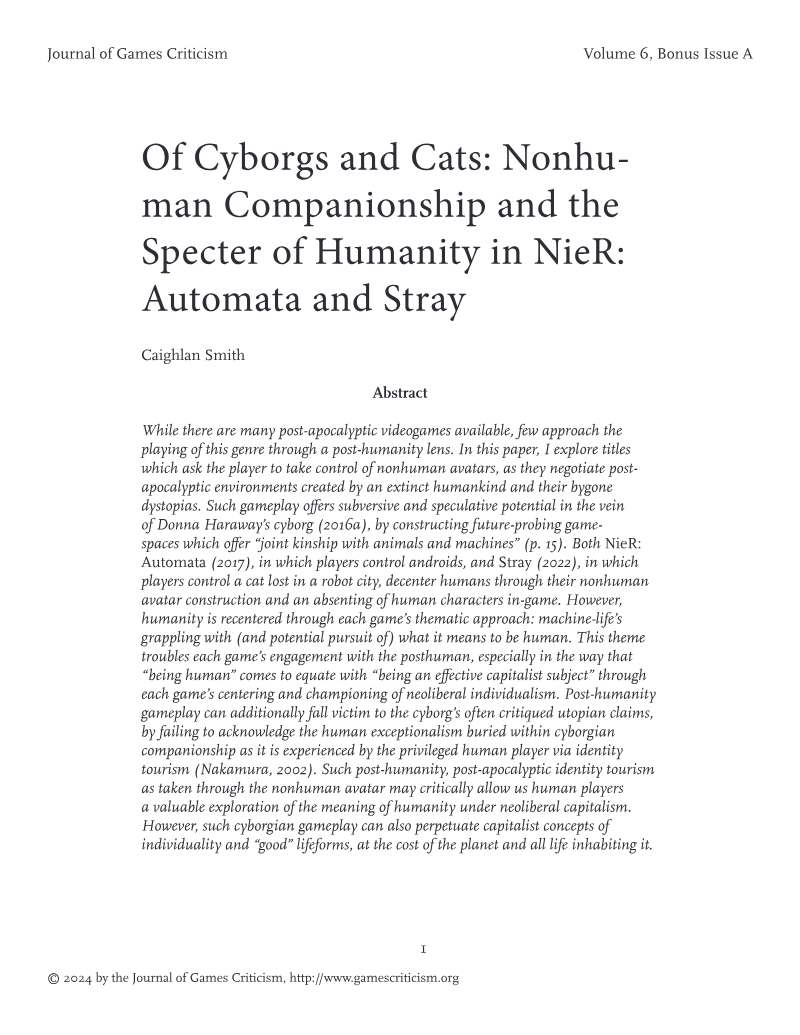
Journal of Games Criticism · 2024
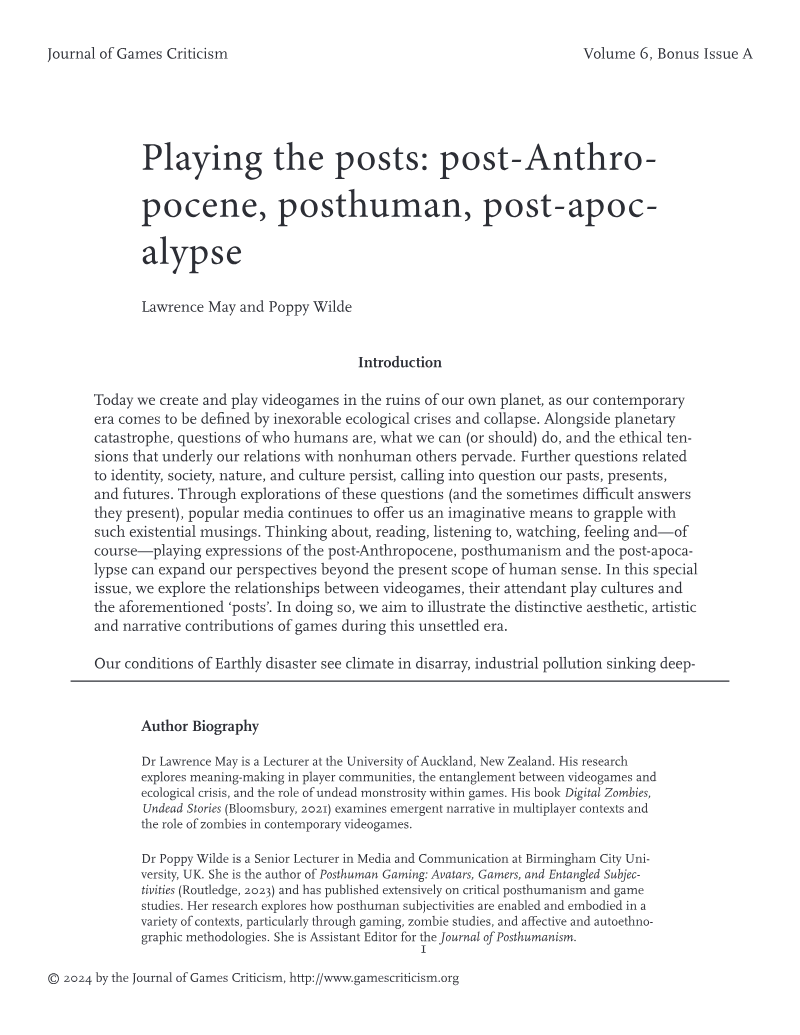
Journal of Games Criticism · 2024
International Journal of Role-Playing · 2026