1 free read left. Create a free account for unlimited reading + AI research.
Create free accountWhitepaper DiGRA
1 free read left. Create a free account for unlimited reading + AI research.
Create free accountWhitepaperDiGRA
This study tests whether party games can foster social connection between strangers.
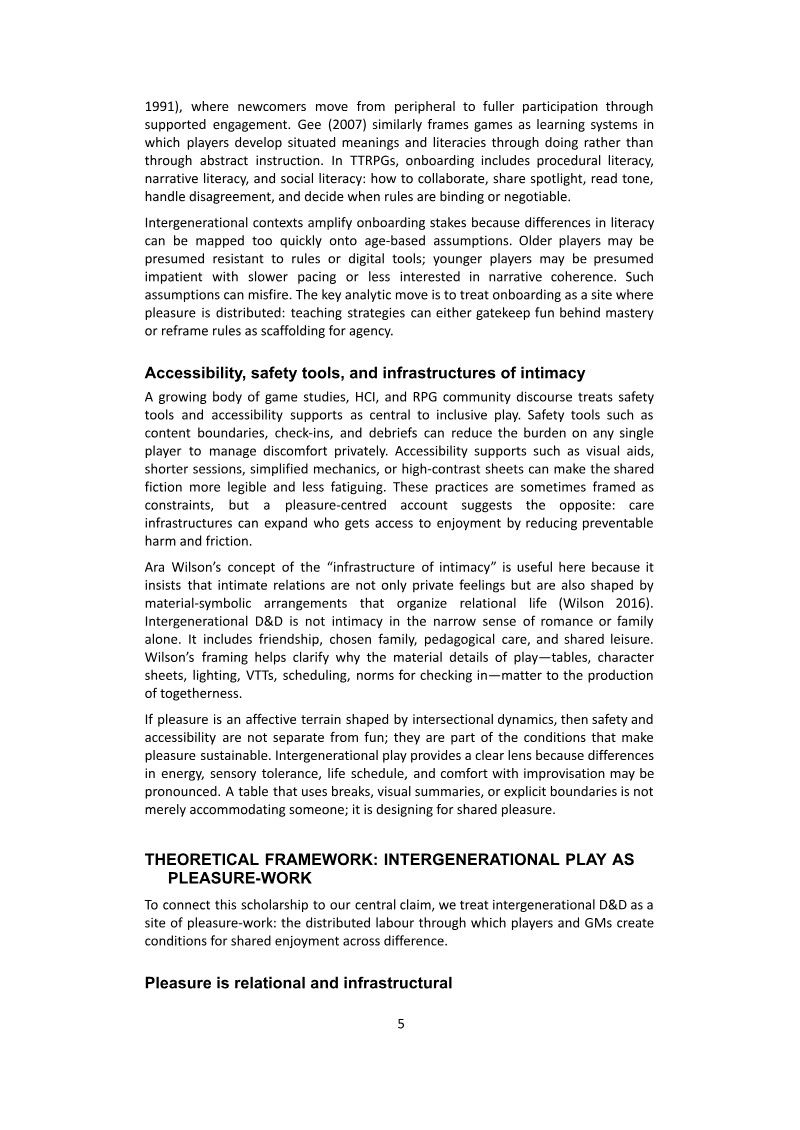
This study examines whether party games can foster social connection between strangers, addressing a gap in research that has largely focused on conventional, massively multiplayer, or location-based games. Its central premise is that gameplay offers a meaningful setting for social connection, which matters given the health consequences of loneliness. Researchers tested three hypotheses: that a 60-minute party-game session would increase perceived social connectedness, that it would increase trait playfulness, and that trait playfulness would moderate the effect on social connection. Thirty participants, recruited from a Finnish university and a volunteer research pool, were paired into 15 strangers who played two Nintendo party games, Super Smash Bros. and Mario Party, for 30 minutes each in randomized order.
Using a before-and-after design, the authors measured social connectedness with the Revised Social-Connectedness Scale and playfulness with the Adult Playfulness Trait Scale. Paired t-tests showed statistically significant increases in both measures (p < .01), with a social connectedness gain of roughly 4.5 points (Cohen's d = .61) and a playfulness gain of roughly 3.8 points (Cohen's d = .39). An ANOVA found that both gameplay and baseline playfulness were significantly associated with higher social connection, but the interaction term was not significant, so playfulness did not moderate the effect. The sample was young, highly educated, predominantly male, and culturally diverse, which limits generalizability. The authors describe the findings as preliminary, and the qualitative interview data, which was still being analyzed, was not reported.
Each row is a game or company this document names, each column a document, oldest first. A mark means that document names it. Select a row to see those documents.

DiGRA · 2026

DiGRA · 2026



DiGRA · 2026
Bryter · 2026