Party Game
Documents
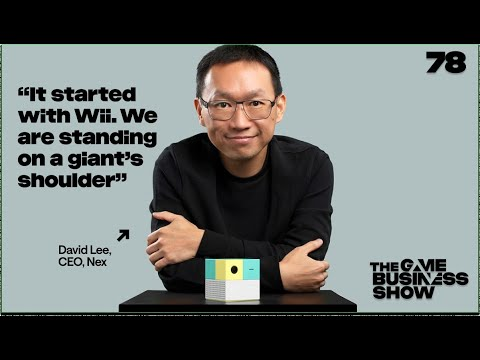
Interview with Nex CEO David Lee: “We want a Nex Playground in every living room”
Nex, a technology company founded by former Apple developer David Lee, has successfully entered the home console market with the Nex Playground, a camera-based, motion-controlled gaming system. Positioned as a spiritual successor to the Nintendo Wii, the platform focuses on family-oriented, active gameplay that utilizes computer vision to track player movement without the need for traditional handheld controllers. By prioritizing accessibility and physical engagement, the company aims to fill a perceived void in the living room gaming space left by major console manufacturers who have shifted away from motion-based peripherals.
The platform’s growth has been rapid, moving from an initial production run of 5,000 units in 2023 to over 600,000 units sold by late 2025. This commercial success is supported by a retail presence in over 5,000 stores across major chains including Walmart, Target, and Best Buy. The hardware is designed to be affordable, utilizing mid-range processing power comparable to previous-generation consoles to keep costs low while maintaining high-quality, immersive experiences. A core component of the business model is a subscription service, which provides recurring revenue that allows the company to continuously update the platform with new content and OS improvements, avoiding the traditional, often volatile, cycle of individual game sales.
Nex maintains a highly curated ecosystem, currently relying on three internal studios and a select group of second-party partners to develop content. This strategy ensures strict adherence to safety and quality standards, particularly for its target demographic of families with young children. While the company has successfully integrated licensed intellectual properties such as Bluey and Sesame Street to drive engagement and credibility, it remains cautious about opening the platform to third-party developers. Looking forward, the company plans to expand its international footprint beyond North America and Canada, with the United Kingdom identified as a primary target for 2026, as it continues to pursue the long-term goal of establishing a Nex Playground in every living room.
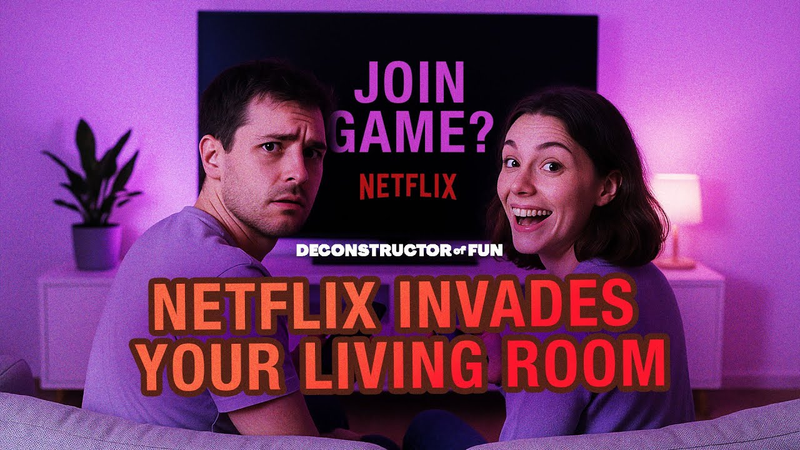
Netflix Games 2.0: The Living Room Invasion Begins
Netflix is pivoting its gaming strategy toward a living room-centric model, moving away from a mobile-first approach to focus on interactive party games played on smart TVs. This shift, characterized as Netflix Games 2.0, aims to leverage the television as the primary hub for social gaming, utilizing smartphones as controllers. The strategy represents a departure from the company’s previous efforts, which relied heavily on licensing mobile titles and porting existing games, a period that saw significant capital expenditure with limited engagement success.
The core challenge facing this initiative is not merely user awareness, as the company has previously suggested, but rather a fundamental issue of product-market fit. While Netflix maintains that discovery is the primary hurdle, industry analysis suggests that the platform has struggled to convert its massive subscriber base into gamers because the current library lacks a compelling, mass-market "killer app." Despite the integration of high-profile intellectual properties and experiments with interactive content, the adoption rate for the dedicated Netflix game controller app remains low, with active user figures significantly trailing the company's total monthly active users in the United States.
To succeed, the platform must move beyond distributing licensed content and instead foster a unique social ecosystem that differentiates it from established competitors like Jackbox Games or existing smart TV gaming solutions. Recent tactical shifts, such as integrating branded experiences into platforms like Roblox and Fortnite, indicate a move toward lower-cost, high-engagement strategies. Ultimately, the transition to party games is viewed as a more natural alignment with Netflix’s core business of shared entertainment, though the company remains in a catch-up phase, competing against established developers who have long utilized mobile-to-TV connectivity to drive social engagement.
- Netflix is pivoting from a mobile-first gaming strategy to a living room-centric model that utilizes smart TVs as the primary hub and smartphones as controllers.
- The company’s previous strategy of licensing and porting mobile titles resulted in high capital expenditure but failed to generate significant user engagement.
- Netflix’s primary obstacle is a lack of product-market fit and a missing 'killer app' rather than the user awareness issues cited by the company.
- Adoption rates for the dedicated Netflix game controller app remain low, with active user figures trailing significantly behind the company's total U.S. monthly active user base.
- To compete with established players like Jackbox Games, Netflix must move beyond simple content distribution to foster a unique social ecosystem.