1 free read left. Create a free account for unlimited reading + AI research.
Create free account
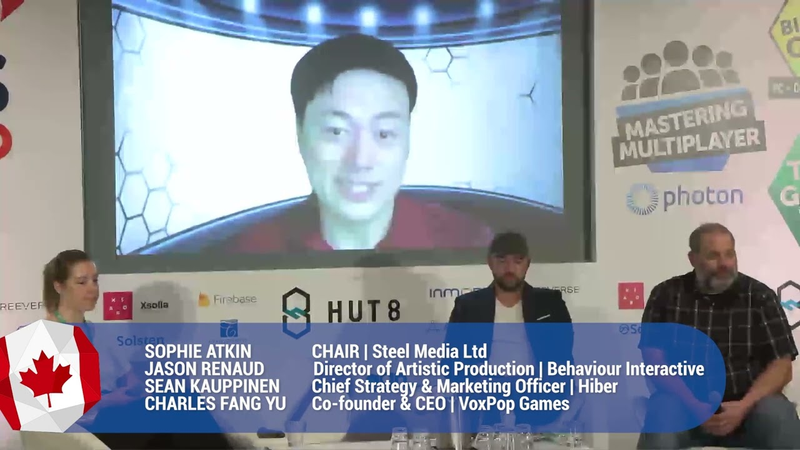
Panel: What Inspires Ex-AAA Creators To Start Their Own Enterprise?
Key insights
7 takeaways- 01The primary drivers for transitioning from AAA to independent development are the pursuit of creative agency, improved workplace culture, and the ability to influence direct development outcomes.
- 02Catalyst events such as corporate acquisitions or layoffs frequently serve as the primary triggers that push experienced talent to abandon rigid studio structures in favor of independence.
- 03In smaller organizations, the impact of individual performance is magnified, making the assembly of a highly dedicated team essential for studio survival.
- 04Successful startups mitigate market volatility by prioritizing a 'holy trinity' of leadership in production, art, and design while maintaining lean operations through modern development tools.
- 05While AAA backgrounds provide a significant advantage when securing venture capital, the current independent market is increasingly constrained by economic instability and industry oversaturation.
- 06The transition to entrepreneurship often creates a paradox where founders sacrifice the personal time and balance they originally sought in order to manage the complexities of running a business.
- 07Founders must possess a multidisciplinary skill set beyond technical expertise, specifically encompassing business operations, legal compliance, and marketing strategy to survive in the independent sector.
Ask AI about this video
Transcript
[Music] we're we're kicking off with a bit of a show stopper here we have uh a panel uh moderated by uh steel media's fantastic sophie atkins what inspires uh x triple a creators to start their own enterprise surprise so can i please have your heartiest welcome for sophie and the panelists hello thank you for everyone joining us today um i'd like to kick off by giving everyone an opportunity to introduce themselves and give a little background for those who don't know would you like to begin all right sure so uh i started in the
industry in 2016 so i'm still kind of a noob to be honest i had my studio for multiple years and now i'm working triple a so i did the opposite of what we're going to be talking about today yeah um i'm sean calpinen i've been in the industry since 1995 and uh i've worked on over 600 games in my career and have worked with a lot of studios that have spun out from aaa and what i've done for 13 years before the last three years is i was actually a consultant and kind of an agent helping studios go through the whole process of raising their money when they leave and then eventually getting acquired again so and charles joining us digitally hi yes my name is charles yu i'm the founder and ceo of box pop games a lot of what we do right now is actually helping independent developers uh get their own enterprises off the ground um and uh while i myself don't have quite a story to background as these other panelists here uh both my partner and my
chairman are x rock star and i can speak to uh their experiences as well as my own getting them on board brilliant and for those who don't know me i'm the event content producer for steel media um otherwise probably the youngest person in the company but don't let that infinite you right um so let's kick it off um so first of all i would like to actually dive into the question at hand for the panel of what inspires extra play creators to leave so um i'll start off with you jason why why do you think people don't want to be in triple a studios and then we'll flip it the other way all right i think uh i don't know i think there might be three reasons why i think there's either the push the pull or the stumble into it uh so if we're talking about the the pull right it's that itch that perhaps you know you've had the best leads you had every opportunity in triple a but you've always had that itch to make your own game and so you know that pulls you to get to get that started uh but it might also be the push too right i know some big studios that don't allow the people to express themselves and grow and so
you know they'll essentially be pushed out and go make your own game and then yeah there's the people that just fall into it sort of like myself right i got an opportunity i jumped into it and enjoyed it so that would be yeah i think that's a fantastic baseline of the reasons why it normally also is triggered by some kind of a catalyst event so either you finished a aaa game and the wonderful publisher then says great now we're laying the team off despite sales being healthy or whatever because they don't know what they want to do with the company or it could be an exit event where your studio gets bought by a large aaa studio and you're like i'm not working for these people i'm going to take this money i'm going to i'm going to actually go follow my dream which is to work with these three to five people that i actually like and we're going to make our own studio and i think the last part is i think a lot of people think wow there's a lot of waste in very large companies what if i could just kind of focus in and make just some pure gameplay and then follow that passion
do you have anything to add charles yes um one thing that my business partners have brought up repeatedly is a feeling of lack of investment in the company um and this can be created by bad management this can be created by uh circumstances in the studio but at the end of the day when you're working with hundreds or even thousands of people it can very may be very difficult to make your vision see to make your voice heard whereas in a small company with only a few people you might have to talk to literally everyone that is in the company every day and you know whatever you own of that company on paper you will have an impact on how that company functions on a day to day right you could own no equity in a startup but if there are five people you better believe you're going to have like pretty substantive creative input on uh how that company functions absolutely and you brought up an interesting point um both sean and jason
that um you know sometimes you it's these creators they want to have that freedom of expression and and i wonder obviously in behavior interactive you've joined them you love them so what is it that you guys do as a company which kind of retains that talent and lets people express that creativity that's a really good question and actually that's the main question i was asking myself before joining behavior but they convinced me that that's what they allowed people to to do and have in the studio um so i think there's multiple ways and i think the thing that sold me the most was actually the reason um was the position that they were hiring me for so my position full time is to help artists so i spend a lot of time trying to better understand them develop tools to do their skill mapping their interests their preferences and then based on that we'll you know offer them a lot of opportunities to change different projects so there's a lot of projects ongoing throughout the company and they have that option to do internal mobility which again allows them to feel more ownership when they don't feel like they
can so if they do want to work on a bigger project and be focused on something then they can and then if they feel you know like that's not working out for me and i want to have an opportunity to be part of a smaller team well most likely we'll have a spot for them in one another another project while retaining retaining the fact that we're in a bigger studio so we have all that support to help them grow and you know you have access to some of the best in the business right which is pretty cool and and charles some of the studios you work with do you find that this is a recurring issue which they come across that they just don't have that freedom of expression and that's why they want to be a stand-alone uh yes right there is a big limit to what you can do to influence a project when you're part of a team that rigidly structured um and frankly the games industry is one in which a lot of people are sort of encouraged to have their own projects anyway right uh people often will work on their own projects on their own time and there can be some uncertainty over whether you own your own project right
so if you're going to be working on your own games anyway a lot of people figure might as well take this to completion and see how far i can get with it absolutely um and sean i i do wonder as well are there any people for instance who okay going on to like mna basically when you have a large aaa studio they absorb an indie do you find that the you know the creators these industries then want to stay in the triple a or do you find they want to leave or how can a how can a studio kind of keep that employee retention so successful acquisitions tend to be where they leave the company culture alone that you actually acquire you bought them as as a larger company because they're doing something right something that you like and the best acquisitions and and integrations come from wow these are things that you guys are doing well we'd love to to bring some of that into our large organization but then also we also see some things
that you might be able to improve like your planning sucks you know you don't have any kind of project management going on but with a little bit of resources and some some training in that area you might be able to produce even higher quality content the biggest thing about all studios and for them to work is culture so at a behavior a company where they have kind of a culture of innovation and exploration i think you do get to have a couple days a year where you get to go and work on projects that aren't core to the mission of the company that are r d days these types of things are really really great for retaining employees because they get to do that expression and then the last point about you know if you're gonna work on ipa on your own time carve that out in your agreement in the first place don't wait for it to come up like hey i built this thing the famous notch story like hey wait a second who owns that does king own minecraft no it's because it was already carved out that he was working on a project on the side and and do you think that more and more big studios are understanding this and slowly
integrating it into the way they kind of run their company i would say they they have to if you think about the feedback in studios maybe 10 years ago people wouldn't go and stand up and say hey we we're really upset about this issue and company cultures have gotten horrible and hopefully they're improving now but yeah you have to listen to the people these days and they're going to tell you what they want to do so you might as well start working with you know as a group and building a culture where it's about collaboration innovation exploration and they're there for the right reasons i mean this is the game industry it's supposed to be fun um and jason um before i go on to kind of pushing more onto the independent side of things are there any misconceptions you feel people have about working for a triple-a well i think it might be uh free food definitely but no i think uh often it might be the uh the studio that you know being different i know that's some of the biggest years again i had that idea as well misconception of not
wanting to work for a bigger studio because i thought my creativity would be dead and i wouldn't have a chance to express myself um but so i think it's a business opportunity and as you were saying right i think it's important that we allow that we allow creativity we push and just to add on that transparency as well i think is very helpful because i think there's a misconception sometimes it's saying you know i'm not being listened to when in fact there's just no communication happening and i think that's something that's super important do you want to add anything or no that was absolutely spot on the transparency part is it's imperative absolutely um and charles then kind of bringing it more on to when people kind of go on and you know create their own independent studios what would you say are some of the biggest challenges that people face the most obvious one is a go-to market strategy right um so a lot of independent studios they don't really have a whole lot of money up front to spend on marketing right actually that's one of the issues that box pop was set up to address i'm
not going to do a whole business pitch for my own company in this panel but um really when you don't have that money to get the flywheel going it's very difficult to get eyeballs on your game right um the importance of these sorts of influencer markets and online markets i think is with demonstrated by a game like among us everybody here probably already knows that story but when it first came out three years ago was kind of a modest failure uh but because of the pandemic and uh because of streamers picking it up basically at random it's literally changed how english is spoken on the internet for better or worse um and yeah so um finding a good go-to market strategy finding a way to actually leverage these resources to get your game out there i think is probably the biggest challenge that independence makes a big studio is they
can sort of throw money at the phone you know you'll never see an independent game taking out ads on the subway on the side of a bus sean i wonder if you have any stories to share about companies you've worked with who have gone independent oh yeah there's a lot of studios i worked with them everyone knows ensemble studios they did the age of empires and a lot of the studios when microsoft walked in and said okay we're going to shut this thing down they said okay and they spun out and it became about seven different studios in the dallas area and some in austin the beauty of that was everyone had like their severance packages so they had a few months in the bank and like okay we've been doing game development for 15 years let's build out some small groups and let's start some companies and you got robot entertainment you got boss fight you got bonfire you got a new toy a bunch of studios and and zynga ended up buying a bunch of these studios which is hilarious because microsoft should have never sold them in the first place or got rid of them um
but it all comes down to they had a catalyst moment and that was wow this is the chance we can either go try and work for somebody else or we could do our own thing and i think with that much experience and you have the right groups of people together so somebody from production somebody from art somebody from design that tends to be the holy trinity like if you have those three three groups you have somebody who can run the business somebody who can actually design the product and somebody who can give it that visual feel and make it approachable then you have the right pieces to start i wonder just following off on that do you feel that potentially though there's this kind of wave kind of coming in and out of going from you know big studios to indie to big and just back and forth throughout the industry that happens all the time if you look at the strategy of lucas arts over the years it's like hey we have these star wars ips indiana jones we're going to build up a studio 400 people oh wait no we're not going to do that we're going to fire everybody and we're just going to license it to everyone else but wait why are we licensing it let's bring it into my house and hire 400 people this would be awesome they went back and
forth and did this about four or five times over the last 20 years and now you know it's kind of stable within disney which is great but it was kind of a show for a long time um and sorry just coming back to you charles very quickly um have you have any of the students you've worked with kind of gone through that experience you've helped establish them set them up and then you know m a happens and they get absorbed into a larger you know maybe a triple a studio as well uh well to be honest we haven't been around that long yet so uh no i i know that's probably not a particularly interesting uh answer in this panel um and jason i i do you have to ask as well you know obviously originally you came from that kind of more entrepreneurial background um what was the experience like in comparison to working you know for a large studio now it's a lot easier now that's the main one i get to sleep a little bit more right so that's always nice um jealous sorry man i got my nine hours every night
it's beautiful uh but no actually it was very fun and i think one of the things that uh we uh we forget is you know as you're saying there's a holy trinity of the main skill sets that you need but there's a lot of other skill sets that you need as well uh and there seems to be some kind of um dilemma between you know like i love working on my alone in my basement not bothering anybody and then you know i can't do everything so i need to hire someone then i need to lead them and inspire them but i don't have that skill set so you know there's a lot of opposite skill sets i'm not sure what the right word would be but that that are required to be able to start a studio and uh it makes it a challenge so i mean if you like being in uncomfortable water that's that's perfect place to be you know i i i truly enjoyed it i had a blast um but you know i think at the end of the day what i realized i loved most was trying to help people grow that's what i want to do so i didn't really care about the games i know sorry you know but for me it was about helping people more than anything making creativity without the stress basically yeah exactly without the stress but um
no it's i think again like a lot of people want to start their own studio because they think they can do it better and that's completely violent and it's fair uh but what i realized is i couldn't do it better so i want to work with the best and help them do the best possible job there's there's a lot to be said for being able to go to bed at night and know you know knowing that if everything goes horrible in the world they still got to pay you like a month's severance you know like no matter what there's something in that versus oh my god top ramen again this is awesome can i buy eggs this week uh you guys are killing me carefree charles sorry oh sorry what did you just say oh i just said uh you guys are killing me so go for it there is a bit of a delay uh between uh
what i'm seeing and i'm sure what everyone is saying so sometimes i start speaking it turns out everyone's oh that's all right um so obviously other than you know the copious amounts of ramen you eat in an indie studio is it also you know it's difficult a smaller team but you know you get this freedom of creativity um but do you find that um i'm gonna type this one at you sean do you think it's harder for them to get investments if they haven't got that aaa background if they're coming purely from an indie you know base and they haven't got the extra play is it harder to get that support i'm always the one that says if you don't have background producing things you probably have a really hard time getting venture capital in fact it's probably impossible especially because you're probably trying to pitch a game project versus a company that's going to fill a need that isn't currently there and the skill sets tend to develop a lot easier when you're in a large company because you can see oh that's what that role does that's what that role does here's the responsibilities i get it and you put five to ten years in
at a company and then you know you're at riot games and you're now a lead game designer you want to spin out there's a pretty good chance we can get you some money right you're gonna you're gonna get paid you worked on call of duty for five years you have a team of people who actually have triple a experience you're probably going to be able to get money if you worked on some stuff that you launched on steam that sold hundreds of copies and you're still living in your your own basement apartment you're probably not going to get money and charles i wonder you go for it yep i was going to say it's that delay again i'm so sorry go for it go a little perspective on this i will say to anybody who does want to get into entrepreneurship one of the most important things you can do is find yourself a good partner right this is why i'm so thankful for my partner mark he does cover uh some of my weaknesses in background right his background at x rockstar uh is uh
probably one of the reasons why we were able to secure seed fund right so if you know that there is a weakness in your background um then what you really want to do is you want to find people who can help fill in that movements because a team is not one person right um and i can actually say this is both an entrepreneur and as someone from a venture capital background because i used to work at the investment team that were volunteering so um when the founders have a vision but they have some sort of weakness in their qualifications that's when they need to look for team members uh or even just advisors who can fill in that gap so charles if you for instance haven't come from that extra play background how can you build those connections find the right partner how can you do that is it just kind of networking and trial and error i suppose but it's it's
smart trial and error right you don't just go about your normal daily life and hope that like the exact right partner is going to go straight into your lap right that's not going to be particularly fruitful um what you want to do is you want to look for events where people with kind of the skill set that you want might gather i met mark uh because i was doing game jams right um and uh he was uh doing his own recruiting for uh his own previous venture grandma works right um linkedin is a great way to make connections right it's especially good since you can actually see people's backgrounds right um you know not all of your linkedin invite connection requests will get accepted and not all of those acceptances will lead to further conversation but um it's a great resource to get started right so in a way yeah it is a lot of trial and error you do have to keep
putting yourself out there you do have to just keep trying and uh when whether or not you find the right person is going to come down to chance but you those ah to actually perfect analogy right um winning the lottery is exceedingly rare but you can't win the lottery if you don't buy a lottery ticket right and that's really what it comes down to you have to put yourself into situations where it is possible um and do you think with you know the past few years of lockdown that more and more you know more and more indies sprung up basically over locked down do you do you think that pattern's going to continue or do you think people are slowly going to return back to wanting to work for you know large aaa companies charles i think that the current wave of independence is driven actually less by lockdown and more by the proliferation of tools that make game design cheaper faster more possible for small teams as
well as high profile success stories like um undertale uh or among us right everyone knows that it's unlikely that their game is going to be that kind of weak viral hit but the fact that we have those freak viral hits um the fact that they are so culturally relevant i think is a big shift from 10 years right this is not to say that games like you know splunky or cave story weren't big successes in the time but um they didn't really shape gaming culture the way that uh some of these indie games do today um in terms of trends it's a little difficult to say to be frank i do imagine that some of the fur verbal done um because the market is a bit over saturated in a way currently and so many of the people who are getting in now they will find trouble finding success um many solo acts or small teams especially may find that independent
development wasn't what they thought it would be right with less support and lower budgets a certain right but i think overall as long as these tools are continuing to be made and as long as the barrier for entry continues to go down there will always be a healthy and thriving independent gains have you noticed any trends yourself sean i will tell a story so the last big wave of independent studios was between 2008 and 2010 and the reason for this is because the retail market died um everyone was doing box products the original thq was out there doing lots of licensed games there were a lot of aaa studios and a lot of that double a studios so i believe out of the top 30 about 20 of them died within that that time frame what happened was somebody got smart at walmart and goes wait we sell all these games and and they only really sell for the first 30 days
so then they have this real long tail shelf life so what if we went and just ordered enough that we're going to sell in 30 days see how it sells and then we'll do more so it caused this crisis within all the publishing companies that go oh crap we're not getting these orders we're not getting the shelf time because they just want us to give them a new aaa game every 30 days that will sell as well because that's that's how they looked at the space so what they started doing was they'd order half of what they thought it would sell and they'd do a reorder immediately for two weeks later and say okay in two weeks ship us the other half of the thing and if it didn't sell in the first five days they'd cancel the second order so as a publisher you're either manufacturing twice as much as people want or you're manufacturing half and then doing a rush order with with sony and microsoft and it becomes very expensive there's warehousing costs all these things the entire industry fell apart all these aaa studios spun out it was a beautiful time what we have right now whether people want to admit it or not there's a financial crisis it is harder to get venture capital
today than it was three months ago uh it's going to continue to get hard for a while there will be a great shakeout in a lot of studios and you're going to see a lot of teams cutting 10 20 30 percent of their of their staff not saying it's everywhere places where they have good tax credits canada is an awesome country for that helps support that kind of stuff but there will be a lot of independent studios starting to roll out in the next six to 12 months so if you have a business help in studios roll out this is a great time for that kind of business so kind of on that note how can triple a studios like build that trust can they keep their employees what can they do they're they're looking at how do we well if we're a public company how do we please our investors because most stocks are down 30 or more how do we keep them happy how do we keep their money in the company so we have the equity to to maintain what we need to do luckily games as a discretionary spending vehicle do not really get hit in recessions they call them recession proof
so that part will stick around but it also gives studios a chance or publishers a chance to go well if we got rid of x percent of the staff it would be a little more profitable so there are some business reasons behind why things will happen if you're a good aaa studio now is the time to kind of shore up what you want to do as a company and make sure that you have that path to your next title and your next two three titles and that you really really have your employees in the boat because lifeboat drills are going to start yeah i mean jason i'm going to st then because behavior interactive you guys are well known names some really huge ips going on i wonder if you can speak um specifically about what you guys do to kind of continue that relationship with your employees and kind of make them feel safe in uncertain times sorry that's huge um what do we do wow i think we do a lot actually i think we're hiring a lot of uh a specialist to really help guide us uh
so you know we've worked with outside firms try to analyze our best business practices and trying to make sure that we are going the right direction uh we do speak with our employees as much as possible i think it's very important to break down those barriers again transparency is very important you know it's just as an example actually someone reached out to me yesterday as a 3d artist he said i'm an intern i just started and i thought that was awesome right like you come to the office we can meet up and he's like actually i live in toronto i'm like perfect so we're going to grab a coffee after this right and i think it's very important to keep that those relationships open and even though i'll never get to work with that person specifically he is still part of our team and working with people so you know for me to have that one-on-one time i think is very important to better understand exactly how people are feeling what they like what they don't like and seeing how we can um future-proof the business in that sense and i think that might be the key is listening to the people and seeing how we can adapt definitely i mean that's great to hear and and i'd also wonder could you speak a little about how you guys worked
through lockdown because obviously lots of people weren't remote it's very difficult to manage the company culture when you know people are working from home but you guys have been growing and doing well so how did you guys manage that well actually i started behavior during the lockdown so um and again i'm a very human person i love working with people i love talking to people that's why i'm here i want to talk to people uh and i was surprised at how fast i adapted to talking to people online even with the awkward gaps in the lag like that um i think that you know the fact that we're writing a lot of the things down and it pushed us to think more visually and so as an artist i think that helped us as well um and everything is black and white so it's very easy when someone says i didn't know and you go like nope screenshot there it is right we had a conversation about this so i think there are definitely some pros and cons uh to to working virtually um and then yeah you know the fact that you know you don't have to run from meeting to meeting and you know you do have that that break to go through the bathroom when you need to uh i think there's a
lot of optimization that i was able to bring when i started working uh virtually uh that you know i wouldn't have necessarily done in the office where you know like i know that i can contact anybody like this instead of like he's on fourth maybe i won't go soon today yeah and kind of on that note i you know i've been in seattle obviously for our previous conferences and spoken with loads of companies there and one of the sentiments that came up was that a lot of people wanted to kind of develop their own studio to kind of which maybe might be about counter-intuitive but um they wanted to have a bit more freedom they want to have their working hours their own personal life um and i wonder um sean do you think that is slightly changing because of lockdown that now these kind of larger studios are realizing actually we need to figure out this work-life balance and so maybe that appeal is being drawn away from being in indie it's it's an interesting thing because the lockdown did actually change culture and prove that people can get work done remotely and there's two philosophies that i can see one is which it's okay i trust my people they're gonna do
great work i don't care if they check in at nine and leave it five it's all about the effort what is the output we're getting in are we getting velocity great i don't care if you could take a four hour lunch and you want to work at one o'clock in the morning doesn't matter it's it's when if the work is there when it's needed and here's the the art comes in at the right time and the music comes in at the right time pieces come together great the other side is more of the old school culture and you get this when you have more senior aged leaders who are like well i had to go to the office when i was your age and that doesn't work it's not going to work with this generation um and future generations because it's like well i should have the freedom to do these things and it's also because i think people are now people they're not just you know as you call it human capital and yeah actually to add on to this i think that uh we've i've seen often the opposite effect of not trying to fight people to work but to tell them to stop right because now everything's accessible they have it at home and now they're i'm trying to keep working and
they burn themselves out so like that's been more of the challenge now is you know try to slow them down they're passionate about what they do they love the projects they love the products they love their team they don't want to let anybody down and now they feel like they need to do more to just stay uh they want to prove that they're getting stuff done exactly no i didn't take my kids to school this afternoon and then go to the pool for three hours look i did this you know proof of work love it uh if i may add one thing as well um if you're getting into entrepreneurship because you want to have a better work life balance you're making a big mistake let me tell you something as an entrepreneur your real job description is going to be every job that you haven't hired somebody else to do yet do you have permanent legal counsel no well i guess you're going to have to review and write every contract aren't you do you have a hiring manager no you're going to review all those personal
do you have an accountant do you have a web developer do you have you know a back-end programmer do you have an artist do you have marketing staff every time you say no do you have a janitor right like every time you know you are going to be doing that yourself um and chances are pretty good you weren't trained to do all of those things so really you're going to spend a lot of time learning how to do those things as well it's going to be a very big adjustment and uh frankly if you aren't prepared for that you aren't going to survive as an entrepreneur um what you really need as an entrepreneur is to say i'm willing to put my life on hold for x amount of time right i'm willing to put in that extra effort for this amount of time because i believe that will pay off in two years three years four years right we are closing down on time so
i'll probably do one kind of quick fire round of um questions so charles what do you think the biggest misconception people have when starting an indie studio uh biggest misconception is i'm going to get to control all aspects of the game i'm gonna get to make work on the game myself right um you you're going to have to handle a lot of business operations you're going to have to be like i said learning how to do all these things that you might not have entirely considered right when starting the studio this is going to sound crazy to to in retrospect it is crazy but you know i didn't think i would have to know what tax laws were like in europe when i started voxpop i wasn't like i really need to research how the eu handles value-added tax right um you know what else is going to sound crazy in retrospect i kind of thought
sales tax was in the united states was handled from the state where you operate but no we have to calculate sales tax on a per state basis based on where the sales are coming from right these kinds of considerations took me completely by surprise and ultimately when i look back on my assumption that i would have been able to just continue working on all of my old projects as normal while handling all of these operations seems very naive when you start a company when you are leading that you really do need to be prepared to dedicate your life i have a quick fire answer for this one um when you're starting a studio normally it's a group because it gets together and like awesome and we'll all you know five of us well alone 20 and they have different degrees of dedication so the story that my mentor bob wallace told me years ago is there's a there's a chicken and a pig walking down the road and the pig
you know pig's like oh no i'm happy and the chicken goes you know we should start a restaurant called bacon and eggs and the pig goes i don't know about that because i'd be really dedicated and you'd only be interested so you need to make sure that you have a bunch of pigs not any chickens in in your group i don't know if that actually makes a whole lot of sense but everyone needs to be dedicated to the same degree because otherwise you're going to get somebody's like well i have a family so i need to take the side job and then i'm only dedicated 50 or 30 percent so you need to have people who are all in to the same degree otherwise do it as a side project until it's up and running enough and then you can actually all dedicate so unless you're both struggling and just only living on ramen it's not worth going everywhere with them everyone must struggle to the same degree it must be fair and they can't get their like second quality ramen it has to be the bottom shelf yeah yeah jason yeah i'm gonna agree with both of you i think again having started the studio uh you're right like everybody has to be in equally it's gonna be very difficult
that's why those first conversations about shares and exit strategies are so important to have right at the beginning because even though you might think we're all pigs right now there might be you know something changing in the future um so that's definitely for sure and then the other thing was uh sorry just to get back on what charles was saying oh man i forgot now i drew a blank i love the big story everything yeah everything yes thank you uh yeah no that's the thing right so you do have to do everything and you're not going to be the best at everything and often i think we want to start our own studio because again we love what we do so for example as an artist you want to be an artist you're a programmer you want to do programmer design you want to be the best designer to design the best game and then you forget that you're gonna have to do every other job and so you know i remember myself when i was a little bit less creative when i was starting my business then i'd bully myself like oh really you don't want to be creative fine do financials right now i'd go and do financials and i'd i hate this and then you'd go like yeah wait you gotta finish it next time you're gonna be more creative i'm like okay fine i would say one other
thing you need to have some pretty thick skin to be an independent out there because inside of a larger aaa studio if if you create like a piece of art or you work on a design people don't like it a committee or group will probably be like well if you add a little more green or how about this and it's still kind of positive if you're independent and you're out there making your game like this game is um no one wants to buy this this is literally the feedback you will get from biz dev people who are like no we're not publishing it this is crap why do you think anyone would want to buy this steampunk no one buys steampunk did you do any research like it's abusive it's horrible oh we can't leave this on a negative note though i mean like seriously and we've been talking about all the negative here but it's it it is such an indulging experience it is beautiful yeah great okay so you hear us saying don't do it and do it you were probably not going to succeed as an entrepreneur absolutely um we've got about three
minutes left so are there any questions from the audience for our lovely panelists oh yeah kai go on i just wanna ask what was the uh most important piece of advice you got before you embarked on your ventures and has it changed in the years if someone was to ask you what um yeah i i don't know i mean honestly i remember i tried to start different businesses that were outside of my interest in art and made a video game before and you know the way i've always compared it was i was always trying to like throw my dinghy in the river and trying to you know ram up stream and it wasn't working and then when i finally found that i'm super passionate about making video games and i had the right partners and everything was falling into place uh it just felt like i was throwing my dingy in the river and enjoying the ride right so it was very different so if i had one advice i guess is make sure you love what you do right so it's going to give you that drive so again i was i started
with uh look at that perfect circle i'm going to start circling the very first answer right when you have that pull or that push when you do have that pull right there's nothing that's going to stop you you're always going to want to go towards that instead of always trying to fight against something i would say another thing is because you if you break off and you're building your own studio of course you want to work with your friends but everyone has those friends that are not very good and they like they're gonna screw stuff up right so that's that's a hard part of the conversation like yeah dave we really like you but you kind of aren't a good fit for our company and and you have to use a business perspective so is this person going to use up all your money in bail money because they do stupid or are they going to not show up are they going to go oh look at all the art assets i just bought on unity because they were on sale like that's all of the money we have how did you do that because apparently we gave him the credit card not a good idea so know who you're going
into business with and even if you think you know them do background checks anyway as an extension of that when you're starting a new company when you're starting a small company uh every any one bad hire could potentially ruin right think about if you have a team of five people one person is not doing their job that's like 20 percent of your team is just not doing enough right and they can mess up your other operations they can screw with your other employees right um thankfully uh i haven't personally run into that kind of trouble but i would attribute that to this advice that i got early on you had to be very very careful about everyone looked at just because even one bad hire would represent a very large percentage of the teams yeah that would be put in claw back agreements right so if that person actually is not good the company can still get the shares back and not have somebody who's dead on their books with 20
six years from now when you're actually trying to raise some money great thank you so much guys that was a really fun panel i've enjoyed chatting with you all um everyone will be available meet to match around the conference if you have any more questions um so big thank you and round of applause for our panelists thank you thank you
Summary
The transition from large-scale AAA studios to independent game development is primarily driven by a desire for greater creative agency, improved workplace culture, and the ability to influence development directly. Many creators are pushed toward entrepreneurship by catalyst events such as layoffs or corporate acquisitions, which highlight the limitations of rigid studio structures. While AAA environments provide stability and vast resources, they often stifle individual innovation, prompting experienced talent to seek independence where they can foster more collaborative and transparent environments.
Success in the independent sector requires more than just technical prowess; it demands a diverse skill set encompassing business operations, legal compliance, and marketing strategy. Founders often find that their established AAA backgrounds provide a significant advantage when securing venture capital, though the current market landscape is increasingly volatile due to economic instability and oversaturation. To mitigate these risks, successful startups must prioritize a "holy trinity" of leadership in production, art, and design, while maintaining lean operations through the use of modern, accessible development tools.
Ultimately, the path to independent success is characterized by a paradox: while creators leave large studios to gain autonomy and balance, the reality of entrepreneurship often requires sacrificing personal time to manage the complexities of running a business. The survival of a new studio hinges on the assembly of a highly dedicated team, as the impact of individual performance is magnified in smaller organizations. Despite the intense pressure of market feedback and the necessity of navigating a challenging economic climate, a deep, sustained passion for the project remains the essential catalyst for navigating the transition from employee to founder.















Comments