1 free read left. Create a free account for unlimited reading + AI research.
Create free account
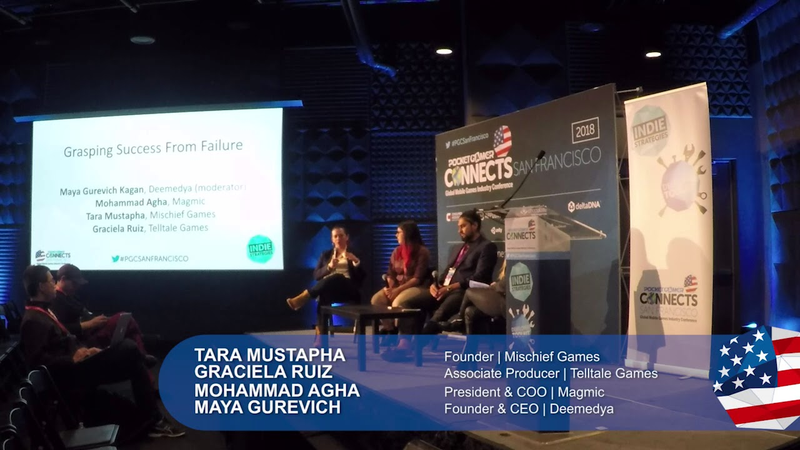
PANEL: The Path to Indie Success & Sustainability.
Key insights
6 takeaways- 01Indie studios must transition from a creative-only focus to a model that prioritizes financial sustainability and operational discipline to avoid the risks of relying on single-hit titles or perpetual grant funding.
- 02Developers should adopt a diversified revenue strategy by balancing the creation of original intellectual property with external service work to ensure consistent cash flow.
- 03Long-term success requires treating game development as a sustainable commercial enterprise rather than a series of isolated creative projects.
- 04Effective pitching and networking are as critical as technical development, requiring leaders to actively cultivate professional relationships and mentorships to secure necessary resources.
- 05Strategic business planning, including rigorous financial management and realistic project scoping, must be integrated into daily operations from the inception of the studio.
- 06Founders should professionalize their studio environment by hiring specialized roles early and utilizing regional innovation centers for expert financial guidance.
Ask AI about this video
Transcript
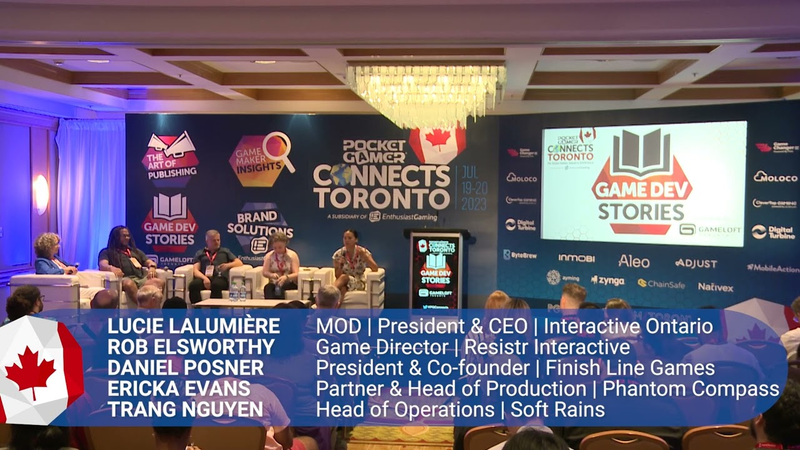
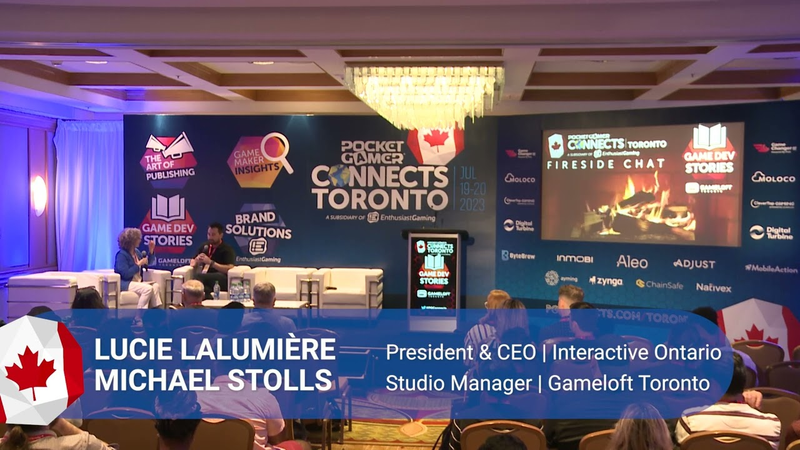
[Music] [Music] thank you [Music] now we're going to we know there's a lot of Indie developers here in this region and here today and we can have a panel uh dedicated to you and I get to hand the power across the lovely Lucy lulumiere again of interactive Ontario hello everybody hi all right so uh uh president of interactive Ontario and for those of who who don't know us we're the trade Association representing the video game XR and interactive digital media industry in Ontario and our goal is to create as many great career opportunities as possible here in
Ontario so so the other thing I want to say before we start in Ontario we have the greatest number of video game Indies in Canada so that's yeah who so so it's awesome uh it also means that more and more people and I'm sure there are people here are deciding to make a business out of their passion for video game uh and that's why we thought at the interactive Ontario in partnership with Ontario creates and Pocket Gamer connects Toronto that it was important to organize a panel with people who went through the ups and downs of running ND to talk to you about the business of running an indie Dev and they're going to share advice as well as Lessons Learned because it's very important for you who are considering starting or just
starting a video game Studio Tour basically know what you're getting into it is exciting though like all right so without further Ado I'm going to ask you to introduce yourself and your company so around hi well I'm Rob ellsworthy uh former Rockstar guy um my current company is a resistor interactive I'm also the program director at Toronto Film School for a video game program hi everybody I'm Daniel Posner co-founder and CEO of Finish Line games we're Indie Dev here in Toronto going on 10 years um I've been doing this for 25 years I know I look young um so I've seen the AAA sort of you know required to find a publisher sort of ecosystem and now with Indie Dev transition so hopefully I'll share some insights and learn a lot from my talented co-hosts by the way you guys are so modest because you're very accomplished so
you're I have your bio so yeah so please please mention you know like how many titles have you worked on that I've touched over 30 titles in my career yeah yeah Erica all right uh yeah I'm Erica Evans and I'm the head of production at Phantom Compass um Phantom Compass has been an indie Dev for um 15 years woohoo and uh yeah I've been with the company for over 10 of those and um I'm uh we are developers um who both make original titles uh usually with the funding of our wonderful funders Ontario creates cmf we've worked with Factor Canada and we also create um uh IP for other companies so working with brands or advertising agencies television film uh educational games so we we've done a lot over the years and yeah that's us
hi everyone I'm Trang I'm the head of operations at Sovereign so we are a very very new indie studio so um you know but we are founded by very seasoned Triple A and Indies developers we're currently working on our first game which is a Sci-Fi Action Adventure narrative driven game um and yeah prior to working at sovereigns I was working at Ubisoft in the HR as well as corporate Affairs Spears I'm very excited to be here with everyone and looking forward to learn from everyone here and share some experience about being a newly informed indie all right uh one thing I forgot to mention we're going to stop from time to time for questions so we're not going to wait until the end for questions so uh my first question to you is how do you define success for uh in Indie Dev anyone anyone to define it
yeah how do you define it okay um I think yeah I mean like I think success is is definitely um you know can be quite personal but it's I I would also say like there's obviously financial success which is important I think for the sustainability part of your company but you know definitely um you know finding a great team that you can work with um and enjoy going to work with every day is is a definite measure of success and um you know working on projects that you care about and and seeing them be launched and appreciated is is another factor I would say that is um you know beyond financial success is really important to us and being 15 years yeah yeah 50 years and still you know growing winning Awards and yeah yeah yeah definitely it's there's just different um you know success can be kind of like it can can sometimes feel fleeting so I we you know if the with you you know if
you want to know an award it feels really great in the moment but then but it's the it's the day-to-day kind of success that you you really appreciate I think when you're when you're not as like an indie company you can really appreciate those kind of day-to-day moments that that measure you measure things by yeah Daniel yeah that's what I said I think when you're trying to measure something you need to actually have a goal in mind so it is to measure success have a goal in your head if it's to work on your passion projects and you're working on your passion projects that's success if it's to run a 20-year business and sell it and that's your goal and then you achieve that that's success right so it really is personal like Erica said so you have to come up with your own measure but we do live in a universe that is Harsh and there is financial we're all in this room to to be successful financially and put food on the table and pay pay you know make sure payroll goes through so don't lose sight of that balance right so sign the deal when money comes in and then maybe it's
a stepping stone to your passion project after us but it is very personal yeah yeah yeah for me it's being uh able to be creative in an environment continually um I also uh would like to continue making games so that's a very important thing right uh having success leads to more opportunities for you to tell the stories that you want to tell so for me that's that's success right uh also mentoring is another thing that has become very important to me as I'm aging getting a little bit older uh there's there's New Gen yeah oh yeah oh yeah yeah don't look it up but uh yeah uh fast to get on to the next Generation as well bringing people on board uh is excellent is a fantastic thing for me I enjoy it a lot yeah uh trying yeah so I think we're we're working towards success but I think we for us we all left our AAA studio and career with the passion kind of to build something of Our Own so we started out in the studio with a mission and I think
success is kind of achieving that mission for us so very personal very you know driven by our core values so we wanted to build a studio that empowers like creative Excellence um and you know through like helping people grow through empowering and kind of supporting our team members when it comes to like personal wellness and wellness so this for us like being able to build a long lasting Studio that kind of helped deliver our mission that is like a pretty strong definition of success for us and you know the financial gains comes from all of that investment yeah in fact that's a great segue to sustainability because uh you know uh for you uh it's very important to not only remain in business but you know to grow as a team so for uh all of you is there a difference between success and sustainability for an indie Dev
okay okay yeah I mean they're obviously related and like with the you know sustainability it really comes from being financially successful on a level um you know and for for us you know we've been able to balance creating original projects and um and doing uh work for hire or service work or um so that we can kind of balance that so we're always looking for ways to um you know be personally satisfied but planning for the future where you know an original passion project it might not always like you know be a big hit we are like you know we've been working we've had definitely had successful titles but you know we haven't had that one big hit that you know set up our company for um you know 10 years or whatever you know so we we've uh kind of been Scrappy and kind of learned the hard way uh how
to um be sustainable and I think that that's made us a better better developers and better better company uh for that because we we didn't we every success we've had we've had to consciously do rather than kind of falling falling into success and uh and not knowing uh exactly how to repeat it yeah anyone else on sustainability um I came from AAA environment right so I was working on much bigger projects than I'm currently working on now and uh massive teams of people that would handle all of the other things right so it's been quite a roller coaster just kind of figure all that stuff out for myself uh and again coming from uh a place where you have a lot of support to a place where everything is on you and you have to make all the right decisions and meet the right people and all that kind of stuff it's uh it's a lot when you're first starting out um and I'm still navigating it now so yeah yeah I'm sorry um I I don't think they're mutually exclusive but in some cases like let's say let's let's say you do like an a
critical acclaimed game so you say one of my goals is to have like a 10 out of 10 but if it doesn't sell and then you're not sustainable as a studio then what happens right so so it's more important to be to plan for a sustainability is it well I think there's just they're kind of like a union of both right you don't want to ignore one over the other you want to try to kind of keep that path forward right uh trying any additional comments on yeah I think um I think yeah striving for sustainability is is definitely a goal um because you can be for us like being successful is being sustainable right this long-lasting studio but being successful successful doesn't mean that you're sustainable and I think a lot of us has learned that lesson through you know a lot of various production Cycles um building teams where we felt like there was um not enough of a strong pipeline or
strong growth within you know within your team so all of these things are important when you think about how to build long term and then yeah so for us success is not always sustainable that's interesting so uh before we go to the floor for questions um when we had a pre-meeting uh all of you said okay you cannot plan your studio based on having a big hit or on grants okay so the question is how do you plan for a sustainable in the studio you fight the good fight you gotta find what does that mean who put yourself out there go to all the networking events right oh wait never be complacent I mean we all fall into that trap oh we got a deal now we're cranking uh for a two-year project and then you ignore the ecosystem and then you forget that AI just started up and like like you have to be aware of everything and in an
indie shop we're all wearing multiple hats like every hat needs to be worn by someone in order to ship the game but don't ignore your future your business development your future networking like everyone I mean I've had conversations here in this event in previous events about I can't I don't want to go to the networking events I don't have it in my budget things like that and sure like your budget's really important but I've never been to a networking event that I regretted like you'll always make one connection could be helping with development finding a good Outsourcing partner finding a lead with for a publisher and those leads maybe they won't sign at that publisher but they end up moving to another one you never burn those bridges always you know keep forging those connections I know it's hard when when when when when small teams um but someone needs to wear that hat and I am assuming a lot of you are you know leaders in your organizations to so
someone needs to wear that hat and go out there and network and build those is build that sustainable future for yourself yeah so anyone else on how do you plan for sustainability if you don't depend on you know creating a hit or grants I can uh I can add I think planning we're planning so I don't know how successful we are yet at this point uh but I think we broke it down into two areas the first is like on the development front um we're focusing on like reliable Tech like bet on the things that you know that are you know reliable so we're building out game on on Rio five I think we just heard some some fan of unreal five um we're betting on our talent so you know these are like tangible things that you know you can rely on that can give you that return of investment um and one of the things that we're bringing on pretty early is like best practice in production cycle like we
planned the scope about game right in the beginning with a really strong producer to help us make sure that we're always thinking about sustainability how we're going to grow and how we're going to scale so that's really important um on the operations side when I first started there was just like a million things to do when it comes to like starting a business so I kind of broke it down in terms of operations like four pillars there's a corporation pillars the studio the team and the individuals so each of these pillars have very specific needs on how they can be operational and that's allowed me to make sure that I'm paying attention to each of these pillars since they organize it doesn't sound very like sexy to say like an organization is key but it's also very important if you're thinking about how is it that you're going to start a business and making sure that nothing falls through the crack
um one of the key things that you can be sustainable is treating your team well and it sounds like you have a great organization there never ignore your team and you have a sense you have a responsibility to for payroll right I mentioned it before like it's not just cash flow to the to zero it's cash flow to make sure people get paid out and get you know get paid for what they the work they did right if anything goes bad so you always have to have that sort of foundation and if you build trust and build transparency with your team they will probably do very very good work for you um I think just talking to a lot of people are starting out um one of the things that you kind of do is is you focus too much you put your head down and just focus on making the game and um you know everyone's trying to make their demo but they're not paying attention to the business side of things and that is so important like everyone here said it right but uh that's one of the mistakes I've made and I've seen other people make as well is again focusing too much on just making
the product right there's a whole business around it and you gotta educate yourself to all of those aspects yeah yeah yeah just just kind of adding on to what Rob was saying is like you know running running any business like being an entrepreneur in general is hard making games is hard and then putting those two things together makes it like triply hard and and also even just things like um just thinking of like planning planning planning yes very very important plan for Success plan for mediocre success plan for her failure as well um you know like literally it's as depressing as it sounds but I like always know in the back of my head I'm like okay so if we don't get this project in this project in this project this is when I have to give my people notice and it's just the reality of you know you need to know that it's not just to be real so that you you know you're being good with your employees and you know that you're not going to to ever leave them hanging um but like just even just kind of
adding to that kind of financial planning if it's not your strong suit find help um and there is like even like free resources like I'm even just thinking of things that I've relied on in the past when I was um kind of learning the business side because I actually came from the creative side is like I relied on um like local University Brock University they had like a accounting um Majors who came in and they they walked me through like setting up a proper cash flow uh you know so like little little things like that in um in like the Innovation centers of regional Innovation centers every they're all across the province you know and they're they're great resources that are out there that if you don't have um those skills um they can really just kind of help help you bring you to the next level and really start thinking about that and and uh you know plan for your sustainability or talk to other other devs like this or build your network so uh all right so let's take a pause to
ask if there are questions in the audience is there a mic coming okay Mike hi there um I just wanted to know uh this could be for anyone but what was the hardest uh thing you had to overcome for building an indie Dev business and how did you overcome it if you're able to talk about it that's a great question by the way so who wants to start well like the first time you hit failure best way to overcome that is to just cry in a closet somewhere yeah so yeah like celebrate your successes and then Embrace don't ignore when when problems arise like I think putting your head in
the sand like an ostrich analogy we'll we'll just make everything worse so oh you know just try to live in reality um and you do need I think Erica mentioned it's heart as a hard business you do need to develop a thick skin don't take things personally um you know whether it's someone blasting your game on on a steam Forum which is par for the course um like data is data so just try to embrace Embrace that reality and and move ahead there is no real trick here you just gotta kind of go through it yeah uh yeah yeah uh failing at your first grant that that's a big one right again you said something about thick skin very important right um it's a long game you got to keep trying you got to keep working on it you're going to meet the right people at some point right in your journey you're going to have the right things kind of come together for you but you have to believe that that's going to happen right um and yeah preparing yourself for that
um yeah I think that's it thick skin um there's a there's a lot of lesson learned in the past like nine months since we've been in operations um I think the hardest thing so far is like building that confidence to make the decision on the things that you might not know for sure um yeah we could I can sit and just like you know analyze something to death or try to find other resources that are available but at some point just like have to make a decision like with your gut like this is this is what I believe that's best for the business and I think that's something that I have to learn from experience that I'm still learning um so yeah it's it's going we'll see just uh on a slightly different theme just like I remember the first time I had a I had to meet with a uh a VC venture capitalist that was not in the Gaming's uh space and explain the gaming
industry to them and I have to say that was the that was very humbling they're like why why why does this make any sense and it was and I'm like oh yeah this is what not like we do not sell widgets we do not you know have product that is tangible and it's very it's it's you know in this in the you know in our world it's um we kind of lose sight of that fact that yeah of course of course we're a legit business but um just realizing that the outside um kind of regular regular Financial world doesn't is is just starting to recognize that and that's really only in the last few years that I've seen that that really turn around yeah um realizing that you've scoped your game too big yeah that was a big one yeah and that was a having to check the ego and take a step back and and reevaluate that was a difficult one for me for sure so how did you overcome it uh I had no choice do you guys know the term killing babies
kill kill those babies that is that is probably one of the hardest things is that you're attached to your we're all human if I come up with an idea I'm instantly by Evolution attached to that idea so start the separation as soon as possible I like to run with an idea for a bit but then I immediately take ownership of it and say pass it to someone else and say can you try and break this idea if you give yourself permission to break the idea then you're not going to be as attached to the bad news if it gets broken yeah yeah I was just going to add I think like kind of like finding allies or Partners or like somebody within your company that can like you can play kind of play good cop bad cop because you go you get so close to your to your ideas and your and your vision um that yeah you can often lose sight of scope and and reality and just having even if you if you don't have it somebody who can play that role within
your um in within your actual company having somebody outside of your company that you can talk to that understands the business can be helpful or even just having um like I always call them like steaks in the sand like you know us like saying like on February 20th I'm gonna look at where I'm at and be realistic about is this the right spot that I thought I was going to be in and if it isn't what do I need to change to get back on track so I think that those if you can't if you can have somebody that can kind of let you like you know be that person for you that will be that reality check person uh great and if you can't you make it make sure you plan for for those reality checks on your own yeah yeah I think there was another question when we're there yep nope in here um so what's what's the strategy for like
trying to find people to like work with like because um like you have an idea for a game and you're you're like currently working by yourself but you're like this is like way too much work just for so a single person what do you do to like try to Branch out to try to find people who actually take interest in your game and want to work with you not even like at a like a big business um cyber like actually like try to find like an artist a somewhat an animator an audio engineer and so on so I can kind of answer that question um at least from my personal experience um uh I like to Mentor people myself and bring them in again finding students that are coming out of school they're often they have energy they're ready to go but they need some Direction so I don't know how much experience you have of working in games totally useless right maybe you could
use that information but for me uh because I have some experience it's easier uh finding somebody who's uh has more experience to join you that might be a good way to do it again networking and these events is a great way to do that right so uh uh I highly recommend you know getting out there um but yeah for me just to talk about what I what I do I I also am in education and so I educate people then when they graduate I make them Tas and then the best Tas I hire them so that's like there's a a process and I find that works very well right because you can shape the people and you know to what you need and also support them and what their goals are along the way so yeah I know some people if you're interested in uh building your team I have some students who are ready to work with you if your game's gonna yeah I guess I'll jump in on that um there's no real shortcuts this is like a social skill that you need to develop so if you're having trouble meeting people then maybe push yourself to go to the networking events do the
game jams you know talk to your peers in your graduating class and all that and try to you know Champion your project with them and try to build um you know you know energy for for that or liking your liking your project there is no real shortcut to that yeah um I would like to add also it's good to start working on your game pitch it's similar to if you were to pitch to any investor any funder you would want to pitch your game to the people that you want to work with because it's an investment for them so I must treat that as like how do you like build a pitch deck build a pitch for your game and practice it and you'll get better at it and at all these networking events eventually you'll find somebody who will find that pitch very enticing and want it to work with you okay all right there were two questions over there okay nope okay
hi there um just curious how if you we're willing to talk about it um dollar one how did you go about getting it where did it come from what kind of um experiences and stories you may have from that sorry was it like dollar one is that what you asked yeah so you have an idea you've even maybe built a little bit of team now you got to figure out how to how to pay these people so uh and gamedev as we all know is a long process and you're not going to have any money if anything till a year or two out so so you're asking where's the money so where's the money [Laughter] my my situation is not the same as everyone who's you know just starting out with it I was working in AAA before that uh so I had some money I had some experience I had some stuff to get started and I kind of knew what to do to make a game already right so I just had
to kind of figure out how to do it at a smaller scale um go ahead and all yeah sure there's something else but yeah I can give a couple anecdotes one that goes back you know to the late 90s where I mean a lot of people talk about this formula for success or you know to attract money but some of it's luck and and we just got lucky um Microsoft saw a demo that we were working on you know we're three engineering students at U of T put a demo out there business partner you know did a talk on physics simulation Microsoft side and showed up in August in shorts and sandals and said we want to fund you literally we were in ties um yeah that was a lesson don't overdress in this industry I'm looking at the jackets out there now um so there is there is luck and I think you could create your own luck by putting yourself out there making sure people are aware of you no one's just gonna knock on your door and and say you
know we want your project that people have to be aware of it in some way um on the on the Finish Line Game side like the the current studio um yeah like kind of you know we got our first game out with no investment just you know savings um and and passion and we maybe put cell damage HD out there did really well so then we applied for funding and we got cmf in Ontario creates that's how we got our first original IPO which was amazed yeah yeah so um the the when Phantom of compass was founded it was actually founded by my business partner uh Tony Walsh and he um started as a you know he was freelancing for other companies and so he was like oh I I can maybe I can just do this for myself so he you know he was able to um turn a freelance and uh career into a company um and then realized that was really hard and so he he stopped doing that by
himself pretty quickly and brought in employees uh including and including myself so like you know we we as I said before like you know we've done successful uh we've gotten successful financing from Ontario crates and cmf um but it's also you know we're building relationships um by networking and finding uh people that might need our services you know either to get them kind of across across the line type uh type of work when you have a project that is um you're in completion you just need an extra push or you know original project so it it's they've it kind of it still comes out of those personal relationships that you're building and networking and meeting meeting people who um who need what what you have so yeah sure I can add a bit more about the funding for our studio um so we're we're we we're privately
funded and some of this becomes you know in order to land that I think we really relied on like again the pitch um we had a pitch for the game we've been working together collaborating together on this idea for a long time and really kind of when we pitched the game we really pitch to the investor in terms of like our knowledge of the market our belief in us to why this game would be a successful game we also rely a lot on the roster of the people who are willing to be a part of the studio so this is very important right like we don't sell our experience short I think we've we oh we value the the work experience that we have like gathered in the past 15 20 years being gamedev and I think that's a really valuable thing to to make sure that you you add that to your to um to your pitch deck and then we did a very uh we do a lot of
due diligence when it comes to building our business plan having a lot of our Network betting to make sure that those business plan makes sense so that when you go to you know the finance World they know that we mean serious business and that means also serious investment yeah uh sorry just uh I guess everyone said it now but um networking was one of the ways that we got some uh some funding um and uh um collaborating with others um in times when things aren't going so well again working with others who are doing better than you maybe working on their projects right has also helped and keeps things going for people so you know you do what you got to do when it's uh the lights are about to go off and then you know when things are successful and you have a hit or a big moment then you can make some different choices right I'd like to add that it is possible to get really really far with Sweat Equity just a group of people that are dedicated to the project and
they can probably bring it like 90 but you have to obviously find a way to live but if you have enough of those people you can get pretty far could you ship a game with zero dollars probably not there are some basic things you need to do and you don't want to ignore marketing obviously right but if your first title doesn't get funding by you know the grants or other other sources of investment and you get a a reasonably scope project to the to the alpha or beta stage or a vertical slice sorry guys um you could probably there are like marketing distribution deals you can get with Publishers that can give you that final you know stretch uh goal to get that first title out and then build from there so there were other questions I don't know who's first but there's one there thanks for taking the time to talk I did have a question from different perspectives both as a fresh startup for
YouTube and long time awesome Indie devs for YouTube uh what's maybe something that you thought of maybe darn I wish I did that sooner laughs yeah I think um uh for us like I'm looking at I'm looking at Caitlin right here big shout out um but is uh like yeah I think we waited a long time too long to um uh invest in in-house um marketing and comms and and Biz Dev and uh tried to do that ourselves um you know spreading it amongst other team members um and it's really being that that's like it definitely like would have wish it were day like day one you know yeah okay um I'm gonna self-denegrate a bit right now as an engineer
I was purely technical in my head my brain was not on the art design side and that was I guess maybe a source of failure to the other question like that was an epiphany the magic really isn't one of them it's all of them together right and and we're still learning those things like marketing is you know you hunker down you're doing this beautiful demo prototype vertical slice and then and then you're like okay we got a ship now we got a new market no you gotta do all of these things you gotta plan it all um and one one learning one the biggest learning experience is the the longer you incubate an idea there's like a there's like a dissent in productivity like the sooner you get to a closed vision and Direction the easier it is to manage a team if it's just you lone wolfing it no problem you can do whatever you want but if you have a team of people that need direction the longer you take to really hone in on that direction
um you're gonna just blow through cash yeah yeah for me uh definitely focusing on the business plan I am probably exactly the opposite of you uh I thought I had all the art stuff on lock I knew how to make games I knew the the full process and pipeline for that and I thought that was what making a game was about totally yeah rookie mistake right and then I realized very quickly that there was a lot of other things that are involved with it and I needed help and reaching out for that help was difficult uh because again I thought I could do everything so you know that's the difference I guess from then and now yeah I think there was another question Russell I love that Lucy just calls me by name now hi love to see you all again great panel it's amazing that hockey Gamer does to bring kind of the thought leadership in room and so just to touch on what Rob was talking about mentorship is a huge part of you know what inspires me as well like my day job is developer relations but you know after hours it's
about connecting community members and people who are looking for the next thing that they want to work on because when I graduated five six years ago I was the only the program was the only accredited Game Dev program and now there's you know TFS there's ocad teamu so I just want to know from your perspectives this studio leaders what are you looking for to grow what kind of internship programs or like how people can reach out to you to look for these Junior roles because I think growing Talent internally is so important yeah well played well played yes I was gonna say hi hey Russell um yeah like I mean from from my perspective like our um like as a small ND team we often can't support um like having like a regular inter because our our Cycles are very uh you know erratic we don't have like
oh a regular summer internship or whatever um so we take opportunities when we can um but that's that's something that like you know as like I'm very proud of and is very important to me personally um is that like I've you know learned so many things the hard way I want to be able to pay it forward so I do like I do like you know uh do talks and if because I can't have an intern I do like you know I've do talks at different universities and colleges I also um teach and Mentor part-time so I think that that and I think a lot of I mean a lot of us uh do that so if you can't um sustain um you know having a an internship within your studio you know I'd encourage everybody to to just reach out and say like hey like I know something about this would you be interested in um you know me talking to your students because I agree that just making those connections between students and the industry is really important too okay uh so I had some uh people who took interest in me when I was a youth right
that uh you know noticed that I had some abilities to draw on sketchbooks and stuff like that and um that led to me thinking I could do it that I could make uh you know art and that could be a career for me right and so for me I want to do the same thing for other people that's kind of where I'm at right now um because those without that I don't know where my life would have ended up at all right um and with the yeah Toronto Film School it's an excellent place to do that I also like to reach out to youth uh whenever I can right so again just let them know there's somebody who looks like me in games in general and also to give them some guidance whenever I can and also bring them on board when they're ready for it right we've been talking about programs earlier to get people involved right because like uh how do you get into games right that's really a big question for a lot of people and they don't think it's a possibility for them so again talking at these events getting my face out there is also an important part of that that strategy just to kind of to reach out yeah um so yeah we're we're starting so the
the main goal for us right now is to to build out our senior talent in as a way so that it is like a pillar in our studio for mentorship because I think going back to sustainability right like having a studio that can man that can nurture like young Talent is how you build sustainability in in your development process as well so um I would say definitely like get in touch with me we are building out a mentorship program and you know all of us are super passionate about it so um I would have doubt that there would be a lot of there will be opportunities in the future for us to to hire um you know high potential young talents coming in so I think we need to wrap up soon so uh thank you so much uh Rob then uh Erica thank you fantastic thank you so much
[Music] foreign
Summary
Achieving long-term success in the independent game industry requires a fundamental shift from viewing creative output as the sole metric of viability toward a model that prioritizes financial sustainability and operational discipline. While creative fulfillment and team culture remain vital, studios must avoid the precarious reliance on singular "hit" titles or perpetual grant funding. Instead, developers should adopt a scrappy, diversified approach to revenue, often balancing original intellectual property with external service work to maintain cash flow and organizational stability.
Strategic business planning serves as the backbone of a sustainable studio. Founders are encouraged to integrate financial management, realistic project scoping, and transparent team communication into their daily operations from the outset. Rather than attempting to manage every facet of development internally, successful leaders recognize the necessity of bringing in specialized roles early and leveraging regional innovation centers for financial guidance. This professionalization of the studio environment allows for more effective navigation of industry volatility and helps mitigate the risks associated with creative production.
Networking and community engagement act as critical catalysts for growth and funding acquisition. The ability to pitch projects effectively to investors and publishers is as essential as technical development, requiring leaders to cultivate strong professional relationships and seek mentorship. By fostering a culture of collaboration and actively participating in the broader industry ecosystem, indie studios can secure the resources and expertise needed to survive. Ultimately, the path to sustainability is defined by a commitment to business development, the strategic use of professional networks, and the foresight to treat game development as a long-term commercial enterprise rather than a series of isolated creative projects.















Comments