1 free read left. Create a free account for unlimited reading + AI research.
Create free account
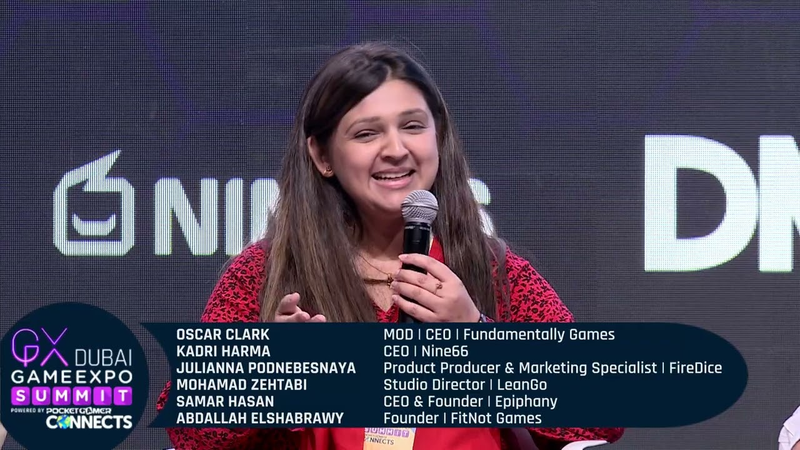
Panel: State of Play for Indie Developers - How to Survive & Thrive in the Modern Ecosystem?
Key insights
6 takeaways- 01Indie developers must transition from viewing game creation as purely artistic to treating it as a disciplined, entrepreneurial business to ensure long-term survival.
- 02Financial sustainability and creative longevity depend on balancing personal passion with a rigorous commercial strategy that aligns output with market realities.
- 03Developers must master the mechanics of monetization and marketing while leveraging industry networks and mentorship to stay informed of shifting market trends.
- 04Mitigating market risk requires a professionalized operational mindset that emphasizes strict adherence to production deadlines and active audience engagement.
- 05Studios should adopt a data-driven approach by integrating objective audience feedback into the development cycle to refine products and build a loyal community.
- 06Success requires prioritizing smaller, manageable projects over overly ambitious titles to maintain development momentum and ensure consistent output.
Ask AI about this video
Transcript
so we have a fantastic panel which we're going to get to introduce himself because I'm I'm I always find it easier to remember who the speaker is if I get them to get to say their name so all you are not just for me for you guys out there I think it's really important if I say it it'll be a random name if they say it you'll be able to put their name to their face which I think is incredibly important for memory so um Indies I I still think are the lifeblood of the next thing that's going to come out it's the group of people who are going to be able to take the risks to try something new to experiment and and so forth and we have a panel of people who are all different uh roles and uh and engagements at the Indian Community they're not all Indie devs themselves but they will have different roles in that space so we're going to be talking
around the subjects as a whole I'm going to start with Cadre because you've done a whole bunch of crazy interesting lovely stuff and you've dragged me to lots of exotic places around the world to talk to Indie Studios um so can you introduce yourself and what do you do yes is this on yeah I I I'm Cadre harma so uh currently CEO of 966 so 966 is a company that did it go no uh we are building uh the games industry Saudi Arabia so uh through different uh initiatives and uh and events and products we are supporting the growth of the industry there but also I have been investing in games myself for over 12 years I founded game Founders which is the accelerator running since 2012 and multiple other projects on the side where I'm just taking Oscar on the trips around the world that's my favorite bet thank you very
much so don't introduce yourself as well please hi hi hello my name is Juliana and I'm old school Indie developer from Friday so we are at that old school English developers who are producing and developing games after our main work in game development you know yeah so you work all day making games you work all night making games it's an hour's working day I like it yeah yeah we are producting some games like RPG Road like you know everything on our plate and I'm also producer of products and online educational things and yeah I am a book author for promotion and social networks and yeah it's like a little bit spoiler that I think that for Indie social network development is one of the main assets grits is the important aspect of an Indian developer thanks for having me my name is Muhammad zetabi I'm a city director of lingo gaming studio I'm in the game industry
for more than 10 years now and we are producing mobile games casual and midcore and we are trying to make a PC game after all of these years yeah cool summer so hi I'm summer I'm here from Pakistan and we and basically I would describe ourselves as an ecosystem Builder ecosystem supporter for the games industry so probably in number of years probably the most Junior we've been doing this for three years now and essentially what we do we assist them in terms of conducting game jams Bridging the Gap between industry and Academia so that's one piece and then of course the kind of services that the gaming Studios need so if they need to be connected to investors helping them in preparing with their pitch decks or financials around it if they need services like monetization and app you know mediation platforms things like that we're doing an event for instance with unity I see the friends there tomorrow for the Pakistan game developers who are here at BGC so we'll do a lot of stuff
to support the gaming ecosystem in the country right now and looking forward to establishing ourselves in Dubai and bringing over the the love for the Indies and for the developing studios here great yeah um hi everyone I'm Abdullahi a founder of fit not games it's a indie game Studio established in Egypt we started in 2020 however I've been in the industry since 2012. we are focused on creating games that is filling the Gap in the region about that represent the culture of that region and this is the mission that we're actually going on or our games are hyper focused on having some sort of representation to the to the region we are in and if you don't know I'm Oscar Clark I'm from fundamentally games uh we're an indie publisher we focus on live Ops games under a a consumer brand called jetpack Collective so you know let's start with you know I don't want to go into what is an indie game
developer because we'll be here for a week because everyone has a different opinion on that but what is successful right when you're dealing with teams when you're talking to developers what do you think is the kind of thing that is holds true to what a successful Indie would be life so I'm absolutely the person to answer but you've talked to so many of them yes yes indees to think that I want to be supercell tomorrow and that is like not realistic so let's not gear everybody towards that let's not Crunch and you know kill half the team let's spend 10 years making uh Java Games and then making a game on Facebook that fails then you can make it but it depends is this Rich that I'm owning like uh you know 15 Lamborghinis exactly so I think I
think that like at first when an indie starts in the first place like they would need to Define what they want to achieve so do I want to become like a you know a lifestyle company do I want to uh scale enormously and like IPO do I want to do because the the the process to that goal is always different and I I don't think that all Indies need to necessarily gear towards I want to raise money because in reality the percentage of India is able to raise money is just so low that you know I would much rather be a little bit more let's say creative figure out other ways to grow first to prove something and then start growing but uh I mean I know not enough people are just trying to build portfolios and feed themselves tomorrow yeah Harmony something new the new game experience for players because in the developers
are much more like fluent and they can in they can generate something new yeah they're flexible and they are sure they can they can try at least and uh another case they must be commercially successful otherwise they won't proceed with the new games so it's something like a balance between these two stuff I do think there's a rock and roll aspect to this I think you know it the to be an indie you've got to have something to say you know it's not just that I like playing games I think I can do something to that genre I think I can say something in the way that you play I think I can change the way you think by creating a perspective and having a perspective on that is really important but I think you know at the end of the day we also have to make enough money to to eat for yourself um as an indie game developer I think uh we need to be careful about the definition of indie game developer and being uh
um an experience you need to be an experience you need to care about the business game development is the business you have to care about the financial issues as well so I think if you want to be happy at the end of the day you need to Target the audience that you think that you can deliver your message to them yes and uh for Indie developers is always in each market if you get attention from them and after that you can grow them scale them to the mass market like some games have done this before you know they are they are Indie but they have more than Millions downloads on a steam or other platforms well Among Us is basically that kind of experience it was pretty you know it was a werewolf style experience done in a fun way blew up because somebody saw it and it became the thing to do you know yeah amazing
so look um I think what's very important for Indies because we're talking about creators and they're doing it because they're super super passionate about it as an indie that's maybe it's the first game that they're building so I think the very fact that you're actually able to launch the game whether it's on you know a play store or it's on itch.io it doesn't really matter but that first product that you're able to build and the next step with the first product that you're able to have published with the publisher so that's success I think that kind of feeling of you know kind of a journey that that feeling of fulfillment I think you know that's that's like a big one but the other one I think everybody wants to be Flappy Bird right so I think the money I think the money is going to be an important part yeah no and everybody's not going to get there but that's the inspiration in a way right and I think the other piece I think which is really really something which will hit home with Indie so I spoke to a lot of them I again can't speak from the Indies perspective it has booked a bunch of them um is going to be the user base so receiving that kind of feedback seeing those people engaging with your content you know giving you criticism is as well
or giving you ideas I think that sort of Engagement that they're going to see from users that's going to be big big win you make a good point because at the end of the day we're talking about so many different kinds of teams so we've got the teams that like Muhammad himself you talked about as people who are having past experience and they want to stop being told what to make and they want to make the thing they want to make and then you've got people who are starting out they don't even have a portfolio they've never actually met a lot of students we've seen do that and then they're going then for them the proof point that success is the journey do they get noticed they get seen I've done what about yourself what's the thing that drives drives you well yeah I think that I agree with what they said it's like it but just to add to it is I think it's to me it is the alignment between my creativity and what I'm trying to do uh on the creative side and while making it sustainable and actually be as like available in the market as as much as possible so yeah it is the balance between both and the alignment has to happen if you're making games
just to generate money absolutely nothing wrong with that but you will lose that creative side and will affect your passion about what you're doing and if you just focus about creating amazing games but you drop how you're going to commercialize it then you suffer on the long term of actually being around so obviously creative side we climb the tape for granted commercial side is often something we expect to be weaknesses in an indie team but I've been interested to explore I'll stay with you for a little bit but I mean thinking what are the sort of biggest challenges and uh you know in as taking that Indie starts what do you think Indie teams have to deal with most what's the most difficult things they have to do with yeah I guess I guess again it is it's back on the same point is you when you start a new project we're trying to say well at Fitness for example we say we're crafting Arabic gaming experience this is this is not
just a slogan this is something we believe in so we start with saying okay we have an idea does this align with the statement are we making something that is unique to the culture to the people that sounds like a definition of what your success looks like if you achieve that exactly and it's like and we start from that point but then we start adding on top of it okay what we can do how fast can we do it is this commercially viable and you start building on top of it until you figure out is this idea worth pursuing or not so the challenges come in this iteration and you try to figure out how fast can I actually go through this process because I need to do it multiple times I don't want to take like five six months to to reach a conclusion like oh this is not a good idea right so I think the challenge is you need to move fast but at the same time you have to hold what do you believe in in in in in like kind of protected and that's always usually is the challenge that we're trying to face honestly I love that and particularly because when we do accelerated stuff a lot of the stuff we're doing is to try and get people to write out the things that they consider
to be success factors and getting to put a number to it so things like you know I found very similar to the one you're talking about in our in the experience we had a team we're currently working with that are trying to establish a Welsh identity as a game developer and I think I really love that so we we tell them okay what's the cave here how do you know you've achieved that and then we have a couple of others and again they give them a kpi the reason I like this mindset is that I'm putting a number to it means that I have to look at what I'm planning and I try to work out is the thing I'm going to do actually going to contribute to passing those kpis and that makes it much cleaner much easier to make decisions about do I take that work for a higher job is it going to make me better at being the our indie game studio if it is great do if it's not maybe I should think of something else so you again you deal with lots of you talk to lots of teams you've seen lots of teams of the challenges they face what are the ones that really stand out to you um I would always say monetization because I feel uh I mean as was
previously mentioned as well Indies come from a place of creativity and that is perfect and that is that is why we need them because we need to have you know more diverse ideas and and and different things that maybe big companies are not flexible enough to do in at a speed but at the same time I feel that and the monetization is not necessarily because of skills but it's I I sometimes feel that it's like I don't even want to learn this because I'm doing art but I feel that this is something that is a very short-term strategy so I would rather say take the time and and learn the monetization part because it's not actually I mean it is kind of a rocket science is evil then you know that well yes but that that's that's what I'm saying then you're gonna be only Indie until your mother lets you live in their basement and then the party's over yeah so I would still sort of uh you know look at the monetization and and numbers in general numbers are our friends the
games industry it is uh I mean user acquisition and all these parts it's basically Excel magic and this is something that people can learn and and just publish tests look at the numbers do something differently move fast because in Indie that makes money that's why everybody wants to be a Flappy Bird right an indie that makes money it's so much more I think they don't want to be rammy or or uh um or Mike Bethel I mean those guys the ones we want to be because a they're successful and they make money and they're really nice people right yeah so let's let's aim for that yeah sorry yeah for yourself for my case I think it's also about how to be entrepreneur from the start because you know like all these artists who want to proceed and develop some nice games they just forget to be entrepreneur that there is like accountment and some government stuff and you know you need to hire people and to sign a contract with them you know all the time it's something like Justin
Moritz and that's uh it can be a disaster in future and then other aspect it's yeah sure it's my marketing and monetization if it's not free to play by about to pay to play for example and buy to play games still you need to think about marketing and you still need to think about social media promotion Etc to create a like brand because of course Indie just don't care about it and that's a problem again I'm going to come back to my my two favorites Mike and um and Rami I mean little games is successful not just because of my and his you know amazing income talent but and these team sellers but it's also Alexander who he works with who is a phenomenal machine an absolute kind of you know entrepreneurial you know I won't build up the part too much but genuinely fantastic operator and I think the fact that he has that come on and then if you've ever seen Rami do a talk nine times out of ten it's about entrepreneurship that's that's the important thing let's not forget these guys are actually professionals and they're able to do
that creative process because they're professional uh sorry I mean going off the one there but you know showing love for people I really like I think that uh the most important thing about indie game development is the decision making process it's really hard to uh you know all of the game developers in the in an indie game development Studio love their game so they cannot change the way that they think before and it's really uh hard to talk to everyone and just vote and you know it's really hard to to make decisions like that and nobody sure uh what game what decision is right even big publisher doesn't know what game is really working or not so whenever you have a problem for example if you are developing a mobile game you have problem with retention you don't know exactly what make what makes your retention better or your kpi better so
uh the decision making for indie game developers who has no support who are on their own it's really difficult to to there are lots of noises out of the you one day you heard that uh web tree is coming out and it's next boom one day AI one day or another thing and it's really hard to focus on what really works for you and I think uh experienced guy in a team has a big role because he he can make a decision when it's necessary to make it so I think decision making is such a phenomenally important part in the and the thing is it's accepting that some of them are going to make a wrong that's okay you know a failure is always an option to quote MythBusters and another quote from Mythbusters is the only difference between science and scrolling around is writing things down
which I think it's I mean I know these are silly comments but they're actually genuinely important I think you only learn through failure so I think everybody is raised very very valid points right so far on the panel but just to kind of reiterate in a way I think creators they're very very attached to the product that they have and entrepreneurs as well sometimes we're very like oh my god this is my baby how could you say anything bad about my baby I can do whatever but this is my product so I think that kind of myopic thinking can come in and the other side is the business side of games understanding that navigating that I think that's one of the biggest challenges that you find if you're in Indy you got in to make your game and then suddenly you you don't really know what game economy what what that looks like or what monetization looks like and I think one of the very very important ways to address those challenges are is the ecosystem so that's why I love game jams because what that does is suddenly their Indies who are going to come in they're going to form teams they'll meet other people from the community and mentors I think that's one of the very very critical pieces people who've been there
done that suddenly you're in hack Time by working with them so I think you know those things are really critical and that's why the ecosystem players exist if any people set up organizations like that and if if I can add to that I think game gems are also very good because you actually have to put your product out absolutely because the whole baby comment I feel sometimes you know I don't really want to show everybody my baby because maybe they'll say it's ugly yeah so it's it's you're holding your baby somewhere inside and you don't show it and that's also one of the issues like you know put it out fail learn do it again but do it fast and don't waste your time yeah and I think that's the you know opinions you know Brett said it is one of my favorite quotes which is basically opinions strongly felt but loosely held incredibly important thing for any creatives to do so we're taking all of these sort of angles for me for you what what are the the challenges oh we've done the challenges with you haven't we yeah we come back full circle oh so I'm getting ahead of myself uh so let's switch back and so turn it on its head a
little bit then um so what do you think is the thing that you think most enables and Indie to do what they need to do to be successful what's the thing you think you'd like to see that would most enable you to be successful yeah okay so I guess I guess the the struggle that all Indies faces is exposure right and uh assuming that we did all the steps that we just talked about it's like I think I have something good we worked the numbers and now it's time to show it uh you have to build a community from the ground up and if you're working in a specific genres or specific platforms that's not always uh applicable so if I'm doing a steam game or a PC game yes absolutely I'll go on Reddit I start early on we all know the guidelines of starting something like this and if you actually have something good you rally the people around the game and maybe you have like Early Access and all those kind of you know steps we all know but if you're doing mobile game that's a different story because it's extremely hard to build a
community behind that if the game is not actually is successful or at least getting some traction so exposure is a problem um also when you start putting yourself out there with the games I'm talking again about the mobile specifically is that the competition is extremely high and now you have to worry about acquisition and all the stuff which is absolutely have to but it is a barrier to um how far can you go even if you have a good idea so we have that case actually happening to us as the game that we feel like it was aligned initial testing said this is good we tested with the users but then the the the the genre was really competitive and so to get noticed you're happy either to have a publisher or someone or you put your own money right because acquisition and you look at the numbers you look at how you're going to do this and it doesn't become any it's not going to happen so exposure for you is yeah yeah so you just have to kill it at this point for the teams that you've seen uh what
will be the thing that has been the most effective way for them to be able to be successful I would say the courage to hustle because uh even here at the conference whoever actually goes up and talks to the people that they want to get advice from are 100 more likely to get that advice rather than the people who are waiting at the Indie booth for people to come to them and it's the same way for building the community just figure out growth hack do something crazy be known for it get a community or like put something out fail just have the courage because I kind of see a lot of Studios a lot of pitch tags everything and there are really like two kinds the ones that are like you know please uh you know value me for my art and then it's like I'm hustling the hell out of it I'm sorry so I I feel that the ones that are really hustling also as humans are the ones that you are going to remember because you are probably going to have a funny story with them or something that
they did and then they are going to be like in the next conference they're maybe going to be on the stage because they're interesting and then before they know it they're going to be best friends with Oscar you know helping them with liveops and there you go so I feel the the courage in general to like hustle and be entrepreneurial is something that will always always make the difference and the more often you do it the better you get at it right yeah exactly so yeah and another case of course you need to build relationship with your community a lot uh because first of all you know like before there was a sage like a big fish will eat small fish right now fast fish will eat big fish that's that's the reality so of course if you will test the Prototype or screenshot or something and take feedback from your customers and now it's super easy to do it because of social networks and because of all these like offers from Steam for the festivals for game gems Etc to collect as many feedback as you can and make the
game that customers will like from the start you know to update it to uh somehow to to change it maybe not to be like just down to earth and yes I will do this baby as I want and nobody can change my opinion you know so like listen to your customers potential one and first of all like your friends and family they are not objective at all they are likes you that's why you need to go out and to show your game everybody but I showed my game offer Pax and it was all great yeah uh sorry my happiness what's your I couldn't be more angry with Audrey yeah yeah you know courage to be to hustle a lot means a lot you know uh there are lots of area that you have to care about you know having good relationship with Community have a good Tech Team have a good art style you know there are lots of uh indie games out
there so you have to care about your art style and and the first one you have to design a good game which has a good unique selling point so you need game designers uh but all of them happens when you try and try yeah so just to add to that right so I think one of the things and I'm talking more from the Pakistan perspective perspective of maybe emerging economies where money is not very much available and running your kitchen is a very big reality I think you know little pockets of funding and we're not talking about big funding but we're talking about small you know prices you're in there money that keeps the kitchen running and you're actually able to keep experimenting because that's what you're supposed to do as Indies I think that's something very very important the other piece I think I'm coming back there's a saying in Pakistan I'm not going to say it in Urdu but it basically says that the Thirsty person has to go to the well the well will never come to you so you know the first game Jam ever that we did
was Peak covet it was November 2020 and we had mobilized the mentors Etc there was one guy who was up till 2 30 a.m in the Discord Lobby and we called all of the mentors and whoever was awake because a lot of people were you know keeping different times and they all joined in the lobby and everybody was giving him feedback and he made the game right so I was there and then I mobilized the community and I said hey can we delay the deadline is everybody comfortable if we delay the deadline to submit the game and everybody agreed because this guy was so passionate it wasn't the best game I didn't win anything but he did get a prize actually for the most resilient something right so I think that's really important resilient is a good one it's the Cockroach prize exactly yeah uh absolutely so I mean we're almost out of time so what's the one thing you'd want any Indie developer to take away from this panel what's that one thing yeah I think we've mentioned it since the start is just understand that making games and running out Studio as a business is a completely two different things you are in a unique position because
you're an indie which allow you for a lot of creativity and that's amazing and passion will get you far but without the other half you're not you're not gonna make it so please understand that it is a business at the end of the day you need to be able to manage both effectively on that side and on that side you're not gonna be perfect not in the first time not in the hundredth time that is absolutely fine but you will learn on on the job so yeah I guess this is It's a amazingly great pain point and talking to you guys it's it's in almost in every country and in Egypt is the same you see the community you see people are extremely passionate they have no idea how to do a business so you have to focus on this secretary I'm going to be mean you can't repeat that what's the one thing you'd add I would say go crazy with everything that you do just go crazy you have the luxury to go crazy like afterwards when you're working in a big Studio that will not be there anymore so with everything like I
mean of course plan and all of that but uh just go crazy cool yeah and from my side I would suggest to finish the games if you have a possibility between like super big game and smaller game but you which you are really can produce and make and launch choose the smaller one because it's better than it will be produced afterwards you know and you will see the result and you will be motivated by the result and you can be continue and proceed with everything it's called ship it yeah sorry just to just ship it sorry I think we don't need to be good at everything you just need to have one and one uh which is best in the world but you don't you don't have to be good at everything and you need to focus on uh your game development process you know uh sometimes uh indie game developers are producing five games at a time but they are only six people it's really wrong so
I need I think that focusing on a game if you haven't published game yet is really important and uh another thing that I want to mention is that if you are an indie game development studio uh you have to be careful about the estimation of the future you know you you have to uh stick to the deadlines yeah that's it can I give two tips please so what is going to be very simple which I think is valid for all entrepreneurs so if ever you've like dropped a spider and you see after a little while it climbs up again right so one of the things is resilience so you have to pick yourself up it's going to be ups and downs etc etc you have to pull through and now seriously for Indies I think listening so that's one of the biggest tips for you just listen listen to your audience see what they want listen to your mentors see what they're doing listen to the trends listen to insights you know just kind of stay glued to different podcasts that are out there
Etc and see what is working what's not working um play you have to play games right to see what mechanics are coming out Etc what what do you like right the look in the field so a lot of times their developers are very good but developers who are making web you know websites Etc maybe they're software developers it's very different when you're trying to make games so you have to learn that right so and I think the thing the last thing I'd add to that is just if you're making a game because you want to play it you're probably making a mistake you want to make the game because you cannot do anything but make that game it's the making part that is the thing that makes us passionate have the grit and I think without that you aren't really committing anyway that's my Mike I'm taking it thank you very much everybody but what's your tip Oscar though that was my tip you know don't just be a person who likes to play games therefore I'll make the game I want to play make games because you cannot do anything but make games I you cut me I don't just want to make play games I have to I have to make games
cool thank you very much guys [Applause]
Summary
The modern indie game development landscape demands a fundamental shift in perspective, moving away from viewing game creation solely as an artistic endeavor toward treating it as a disciplined, entrepreneurial business. The core thesis posits that long-term survival and creative longevity depend on balancing personal passion with rigorous commercial strategy. By defining clear, achievable goals—whether aiming for a sustainable lifestyle business or a niche-focused studio—developers can better align their creative output with market realities and financial sustainability.
Success in this ecosystem is predicated on a commitment to rapid iteration, data-driven decision-making, and the cultivation of a resilient professional mindset. Developers are encouraged to prioritize the completion of smaller, manageable projects over overly ambitious titles, as this approach maintains momentum and ensures consistent output. Mastering the mechanics of monetization and marketing is equally vital, as is the ability to integrate objective audience feedback into the development cycle. This iterative process allows studios to refine their products while building a loyal community, which serves as a critical asset for long-term viability.
Ultimately, navigating the current industry requires a blend of creative identity and operational pragmatism. Developers must embrace the necessity of the hustle, leveraging industry networks and mentorship to stay informed of shifting trends. By focusing on audience engagement and maintaining strict adherence to production deadlines, indie studios can mitigate the risks inherent in the market. This professionalized approach ensures that developers not only survive the challenges of the modern ecosystem but also secure the resources necessary to continue their creative work indefinitely.
















Comments