1 free read left. Create a free account for unlimited reading + AI research.
Create free account
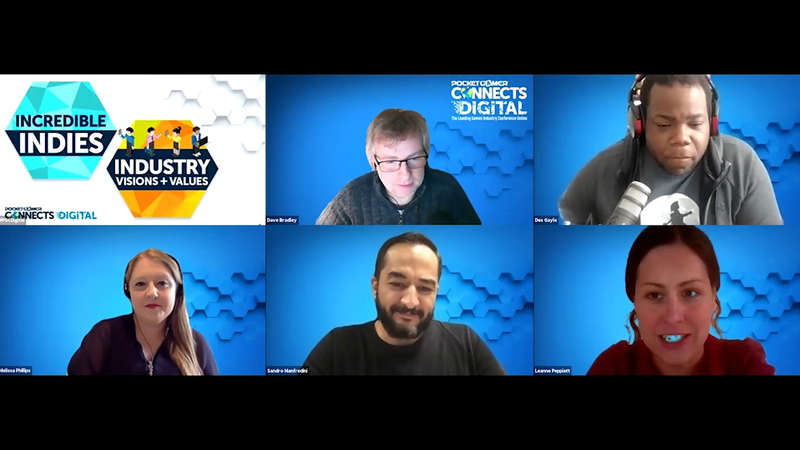
Panel: Inspiring the Next Generation of Talents PG Connects Digital #2
Key insights
7 takeaways- 01The games industry is shifting toward a geographically agnostic model, creating a broader range of career paths that extend well beyond traditional programming and design roles.
- 02Industry growth requires formalizing entry-level pathways, such as internships and apprenticeships, that prioritize candidate potential and resilience over rigid academic metrics.
- 03To build a diverse talent pipeline, companies must implement outreach strategies starting at the primary education level to address and overcome societal biases.
- 04Bridging the gap between academic preparation and studio requirements is the primary challenge for new entrants, necessitating a focus on soft skills like adaptability and cultural alignment.
- 05Studios must actively combat burnout and crunch culture to foster sustainable work environments that support rather than exploit early-career talent.
- 06Long-term industry success depends on established professionals providing transparent onboarding and honest mentorship to help new talent navigate the balance between creative and business requirements.
- 07Aspiring developers should differentiate themselves in a saturated market by participating in game jams, utilizing trade bodies, and demonstrating a deep understanding of specific studio cultures.
Ask AI about this video
Transcript
I can see now the my colleague and friend dave has joined me how are you doing Dave yeah very good thank you I've been enjoying the year the afternoons activities we're here right at the end of the final day the final panel of poly game mechanics digital - have you enjoyed this afternoon I'm thoroughly enjoying this afternoon as I've been saying I think this has been one of the strongest closing segments to a Pocket Gamer connects ever we've had some really great talks a lot of actionable stuff for Indies and we all know Indies my hot topics so we're you know I think it has been been really good yeah definitely an f.y.i you random always I saw you ran to big indie pictures this week as well didn't you how did I get fantastic they went really well really really well we had I mean I know we couldn't include everyone but we'll be doing loads more digital pictures and
getting everyone involved in them but we yeah we had some really close vote in and some some really great winners and obviously to anyone who wasn't a part of the pitch we'll be revealing all of that on our across all of our channels on Monday and Tuesday and we'll be highlighting all of the amazing developers that we saw on Pocket Gamer comm so you'll be able to look out for those rounds of articles Terry great yeah but you're you're here though for a panel all about inspiring the next generation of talents we've been talking about what's been going on now but this is all about inspiring the future yeah exactly exactly we're looking looking forward and in fact it's a great way to end the afternoon I think we've as you know we've been celebrating careers week as well during the course of this event running in parallel with our Pocket Gamer Connect digital - we've had a darker ears week which is included a dedicated jobs board and a section on discord where people can chat and plenty of roundtables and panels about the recruitment scene and this I think he's kind of in the spirit of that you know we're looking at we're let you know we're looking about where the next the next generation of game makers are coming from and and how we can help them
hopefully tell a few stories that will inspire them maybe talk a little bit about um you know about about some of the challenges ahead of them but hopefully I think we've got enough the panel coming along which would kind of it for those who are watching here who are perhaps either students or maybe in the early stages of the career perhaps they're Indies and looking forward to the next step up we've got some stuff that will make them think so that's that's I think where we're going in the next next next sort of 50 minute I think I think that's great and I think that that really helps at the moment especially because you know with the way the world is at the moment everyone's worrying about jobs but at the same time everyone's looking to get involved in in different areas and diversify their portfolio and whilst parts of the world are somewhat struggling the gaming industry is proving to be fairly barely a fairly robust and so I think it helps to know that there are still opportunities out there right now in fact lots of them despite the fact that we've all had to adapt to think such isn't it remote working and everything like that in the short term although as me and you
both know we do remote work and as a regular thing and it's a-you know works perfectly fine yeah exactly it's interesting I think we were very we were very well placed in quite lucky I think when the lockdown came along to get started because we were quite used to working remotely aren't we and I think that's one of the things that I quite liked about about the steel medium quite a game of crew is that we've got a quite an international crowd actually you know I think we've never shied away from getting the best person for the job where regardless of where they're where they're based and I know for instance that a lot of our speakers have been have have been booked for this event through Patsy who who a bit of an unsung hero a bit of a shout out there Patsy - leader who's done a lot of work and during the course of that she was actually based in in South Korea I think she's actually back in Europe at the moment but she was in South Korea so we were doing a lot of work out remotely across time zones so so it's kind of felt very familiar to us right sphere this there that kind of remote definitely and I think anyone to anyone watching you shouldn't feel especially in the gaming world that your geographical location is a burden to you especially not now is even those
companies that have resisted remote working are starting to embrace the idea that you know whilst we have to remote work now after we you know we get back to some sense of normality that you know there can be hybrid models with staff working all over the world because talent isn't you know just like bill was saying talent isn't tied to a what a geographical location talent is global and so we we should be looking all over the world for that talent yeah absolutely absolutely but I hear that we have our panelists ready and since you're gonna be taking over and then seeing us through to the end of pocket game connect stage so I just wanted to take this final opportunity to say to everyone thank you so much for being with us through all these talks I hope you've enjoyed them as much as I have an it's a it's been a very enjoyable experience to sit here and enjoy them with you so yeah just a massive thank you and obviously I'll leave everyone in the more than capable hands of Dave who's been running loads of tracks out in round tables and
everything else oh that yeah you can take it away with the panel in there see us through to the finish line through the vinyl man thank you much thank you very much for your often is what they're great stuff thank you so now here we are it's a six o'clock in the UK but it but we've got visitors from I think 67 country 68 countries maybe was the last time I heard which is amazing and a record for us so welcome to everyone wherever you are in the world where this is the last panel of the of the day here on what is the Indies and industry visions and values track we've got a great lineup here to talks about some very interesting issues to around the day off it ties in as I was saying a moment ago with the careers week we've been running as well it's very important to us to kind of encourage job seekers and recruiters to connect and that's what we've been doing this week so I would like to welcome to the virtual stage to discuss inspiring the next generation of talents my four speakers for this afternoon who will be chatting through some questions that I'll be I'll be
sending their way before I do just like to remind all of our room all of our attendees that you can ask questions of our panelists as well and in fact probably your questions will be better than mine so please don't hesitate to drop them into the Q&A box bottom of your screen and folks you can leave it to me to curate those I'll just keep my eye on that box and and make sure that those questions get asked so let's welcome our room our panel for the inspiring the next generation of talents we have here in zoom Melissa Phillips from the new silver Ramos recently started a new studio in Britain we have a Leanne pets from Splash Damage we have des Gail for fellow traveler and Sandro Manfredini from aqueous welcome oh hi how you doing I think you might all be muted at the moment so you might wanna just click on the button there and bring yourself in hey how you doing how you folks you you will so here here we are in you know in our panel we are going to be talking about inspiring the next generation of talents
so um the theme of this panel I hope is quite upbeat I hope we're going to be providing some insight maybe we'll touch on some of the challenges that are involved and a bit of the shape of the industry and what you know and what people will have to overcome but also looking at you know some stories from you guys at hopefully will will give people some insight into into careers here um and so we have to ask ourselves where the new game makers coming from and how can we help them Saphir touched on their the games industry is doing well it's growing and evolving globally I think worth worth about 150 billion dollars and making games is an aspiration for a lot of people it looks like it ought to be fun and these days it's possible to have a long career in games not just a you know a part-time job or a hobby so what we want to talk through some questions around that and and share some of our experiences we you know that everyone here is working in the games industry for a while and that we know many of amazing people in the games industry who've thrived through hard work talent risk perhaps some luck what lessons can we share with the next generation where
are they coming from and how could we encourage people to get involved in the business so first of all I'd like to just invite you to introduce yourselves tell us a little bit about what you do now one has a small summary of your experience well I'm gonna come to you first before we ate so yeah I'm Mel Phillips I'm head of studio at silver rain games with my business partner abu-bakr solemn so I was previously the games program manager after working more specifically in learning a new talent for about seven years developing things like the BAFTA young game's designers competition launching after crew games program and producing the larger events for the BAFTA members in the UK so now as head of silver rain studio I'm able to bring all of those things that I've learned about managing the BAFTA programs finding new talent nurturing that talent and working with people to actively make games that's great thank you thank you um des how about yourself
Gail and I'm the production manager a indie publisher coold fellow traveler we focus on narrative games from new voices I'm also a founding member of pokken playing which is a diversity inclusion movement help people to come out both on and behind the screen I want the board of the UK trade buddy Yuki for video games I'm the chair of a charity called games Aid which is pretty cool and I've just recently been elected on to the games couple of after connections there that's great thank you yeah and what about yourself hi there yep my name is Leanne I've been working the games industry for about eight years now I'm currently at Splash Damage misty over in Bromley and we sort of what we've just sort of recently worked on
like gears tactics my halo we've got like our own titles but I've worked in a wide range various through the industry launching games delivering company comms managing merchandising all that sort of thing you know I've also kind of headed up her deliver damage as well so that's kind of mine too and I've also set up a women it's fresh damage group there as well to get women networking and you know getting opportunities when you say career say yeah that's kind of me no I don't it's not sorry no no I just know reach into these three yeah well that's no that's great and actually we might come on back to the lady because that's interesting how there is actually very many different careers in the games industry right so I think that's great I'm Sandra how about yourself hey guys for so first of all thank you very much for the invitation it's a I get for me to be with you guys talking about this
so so complicated to feel like inspiring other people but let's see what comes from from it I'm central Virginia I'm business director and also partner of Akira's we are a Brazilian game development studio I'm also president of our games the Brazilian Game Developers Association and I've been a deal in the industry for almost ten years before that I was in the advertising agencies area so again I'm glad I chose this new path that's great I actually I I should say I Reese not not this year but last year I went to be before I went to the the big event in in Sao Paulo Amazings we've got a great indie scene in Brazil right yes definitely we are about to have for the online version as well a big festival everybody's more than invited to to be part of and yes we are we are definitely a scene that is growing a lot in the last decade I would say and so that's
that's why it's nice to be in this kind of conversation so we can show more about why we we have been doing here that's great well a variety of backgrounds there and experience I'm going to kind of leap into kind of a question there just following up on your experience actually about how you kind of came to work in the games industry you're kind of first role I guess there's this kind of we were talking about this this this earlier in conversation in the green room perhaps and so on but um if I could ask each of you how did you get your big break in the industry what was it and perhaps as an Jason to this if you want to answer this what made you want to work in the games industry but kind of what what got what got you into the games industry and actually Sandra since we've just been talking let's go back to you again you said you started out in a different sector so so what what what brought you into the games industry what was your break so yeah I even known the advertising area I always working on the business and relationship side so uh at
the Kiryas we way we did all the way through work-for-hire kind of projects and here we are now on the attainment in our own IP project so back then in 2010 one of my partner's called me because you were looking for someone who helped then on the commercial side of the company and as a war in the advertising area they were doing a lot of other games that recall so games for advertising agencies and so they thought that I could be a very good match with the networking that I had at that time with the the things they were looking for so honestly I never thought about to work on games although I was a again marijuana I was younger but then when I got this designation I took a while to understand a little bit more about the industry but again
I'm happy to that I choose this chose this path yeah exactly I think that's interesting isn't it the fact that so many people play games it's you know it's it's a it's a it's a worldwide pastime but not everyone realizes straightaway that that's a career path Mel do you want to tell us a little bit about how you got into it then what was it what was your ex you met you mentioned your workup after a song but but what was your kind of you entry to the industry in your big break sure so I mean I've always played games my first experiences were website building and hex editing pets from dogs 3 when I was about 11 so playing games like themed Hospital populist at the beginning and any simulator that Maxis put out that was my childhood and I went and studied music at university music and psychology and musicology which does exist it's the psychology of music and sort of thought or going to the music industry and and hated it and so it was just by luck that
I saw an advert for BAFTA and that was my first experience working in the games industry and I've been doing a lot of music stuff I've been doing a lot of review and sort of journalism type of stuff but was originally brought on to set up the BAFTA crew games programme which needed a sort of project manager producer but more importantly somebody that was just passionate about games and I really just found my niche there so I started as a freelance project coordinator on one or two days a week with BAFTA crew and stayed there for seven years and and it became as it against program manager and and very similar in that you know just didn't realize it was a career beforehand and then as soon as I my niche there was just like why didn't I do this before like this is where I was meant to be yeah absolutely and in fact you know what you've reminded me we'll come back to this later I think because actually you while you were after I think you did some great work with young developers right which is
maybe personal into this conversation very old comeback that Leanne what about yourself you mentioned you know again different ways the things that you worked in before what was your kind of big break into the games industry what made you want to work here and how did you get in yeah say I had quite I came out of university I did an English degree in linguistics which is super helpful in my current role in PR I think any degree actually does help you in the industry you know just ability to kind of do your research and form opinions and all that sort of thing is super helpful but I sort of went through years of kind of different careers I try journalism I did some copywriting I worked in HR but then I kind of got my break when I went for an entry-level role and I just I just got stuck in really I realized from the onset that it the industry was such a unique place I've never worked anywhere like in the games industry it's a place
where you can kind of really forge a unique and exciting career um you just you don't get as much access to that in some of the places now it's kind of just a track and the games industry kind of a 4G it was just kind of get involved in a lot of different things and choose what kind of C's you say yeah I I did a lot of work initially sort of helping like senior execs going to events early and you know get involved in a lot of different sorts of things and and then I just finally said you know marketing is kind of where I wanted to be and do that so this is where I am now amazing yeah that's what actually I you know I studied English language and literature as well I was a MIDI even when I realized what I was worth while I was researching my my dissertation that actually I much preferred making levels for doom using doom editor than I prefer doing my work and that's kind of how I got into it I'm gonna come to you and sort of maybe move the comment section forward a little bit and feel free to speak about your break in the industry I know you know you that you outline
the areas you work in it'd be great to hear a little bit more but also um if you'd kind of introduce us maybe some some of your insight there and then also where are the next generation perhaps coming from what's what's the best route into the industry these days in your experience amazing before before they were cool they've always been cool des but you know my stories are very pertinent for everyone super lucky what are doing I guess fits my levels and I was still working but Donna was trying to side what to do much like most people we had no idea that video games the thing you could do like here so I used to live not too far from probably actually add so I had no idea special episode out there so [Music]
is it is it more obvious now sorry to interrupt but just to pick up on your point there is it perhaps more obvious to the next generation that the games industry is a career choice do you think guess the work that bastard you know if your game designer after crew you like and also social media right a lot of us now or look what Provident mmm X the three years ago people just find us by searching you know and I think especially with the mega corporations they've done a good job of being a little bit more local bars EA when we decided to you know instead of just having one cover star for all the world for our sports titles we'd actually go and find local stars so that if you're in Sweden you see a hockey player that you recognized rather than someone from the NFB NHL so um yeah you know there's
been a lot work done over the last 10 or so years and that's again in the industry where they gonna come from ah like today is just a great time to be interested in games you know you can after this call you go download and they did and start working stop making games for free you got YouTube fight any learning content you want for free I definitely didn't have that growing up and then UK goes further did a good thing so with their transfuser program and also even companies we just got much better links of universities these days in terms of encouraging people say hey you know don't go work at a bank we can make loads of money come work for long hours for us instead for maybe half nobody yeah that's that's a really good point they're actually you're right the the kind of the the ability to enter the industry now I feels the bear is a kind of quite low yet because of the free tools are
available and learning but I wonder if everyone else would kind of like to speak to this I saw I was talking to Oscar who was hosting this track earlier on o'clock and he said that traditionally if you heard that someone was interested in games you might just go and get some QA experience and also that was actually reiterated in a panel earlier this afternoon that someone was saying you know when they ask how to get in the industry oh do some QA because you knew plug things but is that fair is that the best way into the industry would anyone else like to take that what do people think about about the roots in QA is no longer the gateway portal into the games industry it's a skill and area of Industry all in its own right with experts that you know are experts in QA and you can have a full career in in that area I think so a lot of this starts with education and it's the you know we talk about myths that are perpetuated and so you get sort of graduates that come in and go oh I'll do
that because I've heard that that is the portal into a job at the game the games industry we have this weird mismatch I think because you know graduates want to show us that they're very skilled and that they don't have any weaknesses and what we're actually hiring for is is completely different to that you know they sort of come in being told say this say that and you'll get this job and I know for me in terms of you know what we hire for what I'm actually hiring for is a are you a good person who is positive for this team of course it aside from the skills that they come with and be what is your capacity to learn new skills you know it's great that you've come in with your set skills but you have to have that ability to grow as well so I think it starts with an education system and that's our responsibility to feed back into schools and universities and make sure that we're getting that message through what we're actually hiring for in the first place yeah that's
interesting that's great that's good you make a really good point I see I was speaking to some folks from the from games workshop actually and they say they always hire for attitude first an attitude second because you can teach someone a specific tool but you can't teach someone how to does that ring true for you as well Sandra the other ruin you see we don't have a big game companies here Brazil so the path of becoming a QA and have a lot of opportunities in that area it's not as something that we have here in Brazil so honestly what I can see here is a lot of new universities offering game developing graduation courses so I believe there's a lot of new people coming in because they saw advertising outdoors and everybody saying that you can have a career in games I think there's more companies being featured here in Brazil as well so this become part of people knowing that we can go
this this this area as well and I see a few new companies coming from those universities they force themselves as a group in the in the university and then they go to the market as a new as a new game company so this is this is the main path here in Brazil that's interesting yeah that's good Leanne do you do you have any thoughts on that same as well and kind of the first route in there's as much time it just a splash damage have a connect you a department again it was something that came up in an earlier panel very interesting yeah we do and it's it's my Melissa mentions you know the highly respected team and you know those people that really hone show themselves in that area of the business but having said that you know I have seen a lot of damaged people come for the QA reach and it is a good way of sort of getting getting yourself in there and having a think about okay what are my skills and how do they match in
the different teams and often you know I mean we're about 300 people 300 say you do get a little bit more opportunity to when you're in one particular role to figure out maybe maybe I'm gonna fit somewhere else so we offer that opportunity and we also offer kind of graduate roles entry level roles as well we certainly encourage anyone that comes in to ask lots of questions and go and just find out what's a fit for you so you know I think there's just several ways you can get in so yeah it just kind of keep an open mind and just just figure out what skills you bring to the table yeah absolutely and in fact you know III I should say that of course actually once you start thinking about it and maybe people don't there is there the games industry needs as well as it needs programmers it also needs accountants alright and it needs writers and it needs people all these different skills so um let's let's talk about the games industry itself because we've mentioned some of the work that has been done and some of the other areas that we
mentioned BAFTA or we mentioned some of the other programs that Sandra and Dez mentioned what does the games industry need to do and what steps should it take perhaps to encourage people to look at the games industry and so you mentioned education but can the games industry make an impact on this I'll go to you first Mel absolutely it has to begin earlier the work that I did with BAFTA in the young game's designers shows that we're losing potential games industry at GCSE level and that's also where we're losing the majority of our female applicants they they opted for different GCSE options and then you've lost them they're go off to do other things and this is all about the structure of how our education system works you know and how we're talking about and teaching digital skills in schools so games design isn't taken very seriously enough to appear in a lot of the syllabuses but we also can't expect to IT teachers to start teaching this without any support from the games industry itself it's totally our responsibility to ensure that that's happening on a grand scale and not only the technical skills but
also you know I'm really into mindfulness at the moment and I do a lot of talks about how to speak to the games industry all the soft skills that you need you know again the education system is set up to get you to the next stage it kind of misses out that growing a human being and being able to communicate what you want and feel with other people which is absolutely key to the games industry we're not individuals we are teams making games is a collaborative yeah absolutely so it's again that's that's our responsibility to feed that back you know speaking out more about healthy practices taking a stand against bad practices and just being more vocal in general about softer skills that we need to see as well yeah yeah yeah absolutely as you mentioned some initiatives and some programs that you work with what what steps do you think the games interesting can take to were to encourage people to consider a career here like it just to play devil's advocate to build like we have got a
massive job to do just to overcome our reputation with my society right bike you know a lot of well everybody's programmed for a super young age just to add to a point like we need to be getting these kids at primary school aged not a secondary school because too late um because even by that point at that age they're already programmed by society that ok these type of people do these jobs these time people do those jobs so well it's why would they get to us at 1516 we've got ten years of program deprogramming to do so yes yes to all of us but what I would like to see is I'd like to see some more internship programs right and you know board allied apprenticeships I just at least a little bit bias because I don't have a degree and I'm doing Chris find as many other people are dest allant
everywhere and I think if you've got these schemes at the beginning of the funnel like you'll be able to give people you aren't very good at memorizing things and regurgitating them in an hour and a half to write down a piece of paper but they have the aptitude like if we get plucked from education we won't find them you know they're smart people everywhere so I'd love to see more internships and apprenticeships um and then I think this is kind of like trickle-down economics but I think we did a salary problem which needs addressing I've seen as those people at top to it they're doing fine but at the bottom level entry-level salaries a pretty hardcore even in the major cities you just think okay this jobs in in London or Manchester at is twenty thousand how do you think someone's gonna be able to do that job we travel and read you know if they're
not fortunate enough to live at home with their folks right that needs addressing and why I say it's trickle-down is because if you're a dev team and you're pitching a project to a publisher and your dev month right is over a certain number but the public's gonna be like ask too expensive even though that very same publisher has a dev team in-house which is probably twice as much yes super complicated yeah no absolutely is and that's a really good point I was I was gonna come back to that later about about about whether you can get rich doing this job and will we maybe touch on that late that later on but those are really really good points and actually the fact about about making sure people understand that it's a you know what we can do both as an industry and as education to make sure people realize it's a career choice and early on you don't have to you know go one route whatever is really interesting and LeAnn or Sandra do you want to speak to any of those points yeah I think
there's a lot of CDs continue I think you know and there's so many good groups out there like access VFX and girls page and things like that and I think connecting with these people because you can't do a thing as a studio you know you're quite focused on that kind of graduate level and beyond and I think there's so many rapid doing amazing things and you actually just have to turn up sometimes you know I go to some of these events and just get chatting to some of the young people and just encourage them and say you know especially as a woman myself just stand there I'm a woman in games you know is possible and kind of going away and I think that it's important to kind of lean on the resources around us other studio people like yuki huge in fantastic work as well yeah there's a lot that's a nice to help the industry become more diverse and just grow yeah absolutely I know you know I think you're actually right about about kind of attending things as well this year is proved particularly hard for people who
want to kind of network I think although you know conferences like this or a kind of a stopgap but it's not nothing bigs meeting people in person but you're right a lot of events our own but also others around the world and big events you know they make programs for jobseekers and students or you know or or repeat or indie Studios who just you know starting out often can get into events very affordably right or even free and so on and we're incredibly we're sort of halfway through our time so I was gonna move on but Sandra I don't want to miss an opportunity to ask you about that as well it did you want to speak to any of those points yeah you know well I think talking about education in Brazil there's a lot of other problems that we need to overcome before I think about to to approach them only on game industry but we have doing a few things as name says said just being here and alive with a company all those things can be inspired for those people and you mentioned big fast for
but the big festival is it's more focused on the Brazilian being developers and so we it's open and free to everyone to visit and see the games and play the game so although the the a lot of schools in some Paulo they have the chance to to group themselves and go there to see what what we have been doing and try then and see that there's a industry there and in terms of on the professional level as abra games as Association we've been trying to embrace more diversity in the companies so we create a program where the companies that has more than 20% of females in there and their teams or black people or LGBT people they have a badge so it's a way to encourage more people to look for those companies and see and see that they have a very nice environment to work there so I think there's a lot to
do on the earth space as well right right so kind of foregrounding they're there how welcoming they are and their accessibility so that people are aware if it's toys they're taken that's interesting I'm gonna say we're time flies doesn't it well we'll move on to some of my other questions I think I should say by the way that if people people are asking questions and I'll bring them up as they come in if people do have things that they want to approach you folks about the make the meter match system this is open till the end of the day and will continue being open for a little bit as well so people should should I guess reach out to us if they have things that we haven't brought up but let's talk about some of these topical the topic we have here is inspiring so the next generation so let's talk about that so what should jobs be job speak seekers expect when they apply for a job in the games industry what you mentioned that you know that they kind of make the need to be welcoming to different communities there Sandra but when a person applies for a job in the games industry let's are they going to work for a company is
the game is the games industry welcoming what can they expect what hoops will they have to jump through Sandra maybe I'll go back to you just yeah honestly I think one of the things that people had to bear in mind is the very direct to our business etc normally the game game industry it's a product that takes a long cycle to make it my mouth and now more and more you you launch a game in and you keep doing live up to the game so I think not a lot of opportunities or jobs have this kind of long cycle so when we hire people from a bank or any other kind of companies they they kind of realized that we have a different timing although we also have trench time is but the the cycle of the products is longer normally so this is
this is something that people realize when they got in yeah honestly I don't think that much different comes to my mind right now but I read through to add more if anything new comes up okay there's what's what's your experience when if a person applies for a job in the games industry today find that at the moment is it a welcoming place to apply what what hope so they have to delete through to get a job I think piece of advice is to not be too disheartened if you don't get a response from an application because we're very time poor and if you'll see these hard to read like I'm not even joking two or three seconds and like if you don't have me your gun and I'm nice so once you pass that like I guess I'll tell about
for the traveler so the hiring manager does most of the heavy lifting so will weed through the Seavey's and they will do the initial interviews just to test aptitude and competence because they need to work for us and then after that you'll speak because we're really small were 87 people you'll speak to the rest of the company for the soft skills and company fit and then after that there's like a small meeting where we got a subset of rules where people are in or out yeah so that's quite a nice way to do it another warning sign or what something to be aware of is sadly sometimes the person interviewing you won't know anything about the job so you could be perfectly fine but in whatever biased in if you were has like you get stopped at that hurdle so yeah I'm just say just have a big scare
don't worry about it and keep keep trying play and keep going yeah absolutely the fact that recruiters are often time poor was something that came up at the last panel actually I think Alexi from Rovio said the same thing and likewise I should say that I've done some recruiting for the media roles that I work in and when we when we do at a job advert for a games reviewer sometimes we have 200 applications in it you know in the first few days and it's yeah and someone's got to read through those and so so some patience is involved Melissa do you agree it was what's the kind of hoops that people have to work for if someone wanted to work at your new studio what would they have to were hurdles without the jump over oh gosh and I love that death picked up there on sort of resilience and being told no because being told no is actually what most of working in the game industry is about it's about applying for staff and being told no so you have to develop those coping strategies resistance to rejection that's that's part of the process firstly gosh in the case of Indies I think especially of Indies we
often overestimate how much work we can do as one person and I definitely see this in new talent that comes in and applies and it's this drive to do everything to prove that you know you can be an entire studio on your own and of course the reality is is that yes having multiple skills is it's great but we also need you to be good at what we need you to be good at I think there's a challenge for new talent at the moment to pace themselves to actively avoid burnout and this is often at the fault of studios you know this is a culture that wants more you know when we all look back at our own careers I think particularly our early careers we often see how exploitative junior roles are and I think you know part of what we do at Silver rain is that we have a very robust onboarding process but at the moment we're so new I guess first tips are to check the website and see if we're hiring in that area first get a lot of unsolicited emails that are for
areas which is you know it's great and we we bank them all when we put them all away somewhere but if we're not hiring we can't hire we're so new that we just can't do that at this stage but yeah I mean I think going back to sort of that resilience that that's that's kind of what I'm looking for I'm looking for you know can you can you learn new skills are you going to be a good fit I'm a huge fan of mindfulness and I think you know when we talk about things like crunch culture unpaid internships and all this stress involved in proving yourself especially early in your career that we have to that's our responsibility as an industry to then speak out against that but not just speaking about it like we have to be actively sharing tips implementing guidelines you know a studio is quite strict on again how we onboard people and and and take care of people but we do need more of that and Studios actively doing and supporting it it's a
studio problem and it's a perfect storm when you factor in an education system that favors being the best and then you add in an enthusiastic enthusiastic new starter you've got a perfect storm there for things to go wrong absolutely and you know I think one of the things we'll come back to you perhaps later in this is talking when we when we talk about challenges it's that kind of crunch culture that I think the games and she's got a little bit of a reputation for but but Liana wanna come to you next because on that same topic because Splash Damage is a sizable companies you mentioned this already you know some of the so as the company and some of the the the job opportunities there what is what is recruiting what what is applying for a job at Splash Damage like what are the hoops you have to jump through there yeah we have an in-house recruiting team which is always for me you know I always encourage people to network get online get changed people in the companies that you can you've got all those tools you'll dispose disposal to reach out to people cuz people in the industry are quite friendly but they're quite they'll usually give you kind of feedback I think it's v's and covering letters they
you know they on traditional but they are still very much expected and then acted to be a high standard it's also melissa touched on it but it's really important to get to know the studio you're applying for we go through the doors they play the games if you can read about the people that are going to interview as well I know that there's our side I found it kind of flattering if someone's to read of publication and they put out all this into a talk it seems a little bit you know you can't ride a bit too hard but it does make a difference it just shows that you you care and you actually want to be in that studio so just kind of yeah just you know also put faders and things they just have to be a high standard safer love effort in in them if you can like build your own website have some way to show a real you know in specially in like communications in my sighted of things if you can you know show with some of the writing you've already done it and then true that's brilliant just it's proactive as you can and really kind of show how much you
want to be your part of Industry because like you say the competition is high we get so many applications you know thousands and thousands so you just got to stand out yeah absolutely and in fact actually what you just said there speaks to something that des said as well you know the that unlike let's say France's becoming a surgeon where you have to kind of prove you can do a certain you get a qualification before someone puts a scalpel in your hand and rightly so actually if you want to work in the games industry you could go and build a game tonight couldn't you after listen to this talk you could be inspired and going download a piece of software and or you know if you want to work in or you know something that involves writing like either journalism or marketing or PR nothing stopping you writing a review of this event tonight and then I'm not loading it somewhere to show you know that so that actually the the the entries are there um we're in times flying I don't want to talk about some of the challenges here and there's a there's a number of these and I don't again this isn't especially an inspiring talk so I think we'll look at solutions rather than problems but one thing I wanted to touch on is the fact that the
games industry is of course a business and often I think perhaps people want to get into it because it looks like it's fun or they because they they're creative and they've got some great ideas or they you know they they have stories to tell it's the commercial side of things a rude awakening do we do we have to train people to remember that it's a business what do you think des - I'll go to you first with this how did how do we nurture creativity and but still remind people that it's you know it's an industry so he said I used to work for a start-up we had a lot relationships with mid west coast in the US and what massive learning I had from that horrible experience was they don't shy away from sharing their mistakes over here we've got a really really bad attitude where we just keep promoted keep hovering we find the superstars and then we just keep pushing them and what
we don't do a good job off is saying oh hey like this person or these people should have made it why didn't they be cursing because success is a really bad teacher like failures and the best teachers you know oh I'm not doing that again and you can keep going so um that would help a lot you notice more it's not a whole track at conference but maybe it's not afternoon at conference to say listen I tried doing this I messed it up real bad and this is what I did I'm telling you so you don't do it again that's number one and then number two yeah I mean should we I mean it'sit's dreams' why everyone has dreams you know would it be a filmmaker would it be an actor it's just like if you work hard you can get there like the rows gonna be painful um but do you have the reality
is not everyone who makes a game is gonna get rich and it beyond that not everybody makes a game is gonna make one dollar it's brutal manners to buddy games I love it the consumer is fantastic but I could choose whatever I would but um I thought a developer side of things yes brutal man you know the storefronts have a finite about space and depends on who you speak to it's not quite like retail where you could sort of like buy probably the space in stores yeah do you speak - yeah it's just tough like you just need to you need to be real about it but again this is positive so my number one advice to anyone watching listening is get a job and save somebody I just used that to do the stuff on the side and then if one of those things takes
off happy days you could buy a new house or a car or something and you just keep doing it I cannot sit here and say when you leave University or whatever I mean you forty wasted fifty grand to just go all in a breaking a game because that's it's not gonna work out well for you that's good that's that's really honest about the bit I think that the balance between the dream and and reality does anyone else want to speak about that the the the kind of fine line between having that creative dream and making a making a business out of it there were also two separate things right so like you know we have experts that are experts at being creative we have experts that are the biz dev side as well so I mean yes some roles you can do both but it also it needs different types of people for different types of roles it's not come and make a game and again like I said
earlier it's like it's not individuals it's almost impossible by yourself to do anything in the games industry you you you rely on the team members and the expertise around you so yeah that make sense yeah absolutely absolutely I'm Sandra or Leon does that chime with you yes very tough question specially talking and in my company as well here at the cube is we try to balance this as much as possible in terms of as you said is a business so we have deadlines we have window opportunities to launch a game sometimes that we cannot postpone it's not only resources or money but it's window opportunity you guys know that I think the biggest challenge that we have on our industry right now is visibility so everything that's related to that has some kind of a priority and what we we try to do here to everybody
feels that they have a voice and they can can contribute to the project is like have a very open processes so everybody can follow what we are doing and what we escaping to another milestone or even escaping to post holes launch milestone because I think the the launch of again nowadays is not the end it's just the beginning so there's a lot of opportunity to put what everybody's believing that is adding value to the project after the launch so this is the the things that we try to balance and I think okay I'm sorry to kind of move things forward fastly on I didn't really give you a chance to talk there but I've just been there I have just been told that we're we're approaching the end of our time and I look down and I see that there's seven questions in the Q&A and I've got some more of my own so I'm gonna what I'm gonna do is I'm gonna dive into some of these audience questions I hope you don't mind and we'll see how we do soon
before we can we can get through here so I'd like to um Anthony here speaks to something that sir Dez said a moment ago actually answer these question is do you think the games industry is completely oversaturated and that anyone wanted to make any real money should avoid it and do something else is that fair like they've put out some consistently great content for the last two years and I'm pretty sure you know if you go back five ten years to a traditional publisher most those guys would have been signed so if you are working on a unique unique story and you've got a very strong artistic vision an aesthetic you've got a shot you have I mean after that point it's
all about as Sadler said is the opportunity window and visibility I go back to the making buddy thing well the people can't see we're all sitting here in our gold Thrones right that's so making buddies is a massive scale what is sound right so for me back when I used to have a proper job the goal was just make up money back like get back to break-even anything more than that is a win but as a as a company strategy we already knew back then is not to be reliant on revenue so the perfect store for us was to be a two game studio so we'd have one and in half way or maybe 2/3 of the way of making game one you're already pitching or siding game two so that when game one comes out you know okay cool we've got the funding for Game two so
let's go and anyway for you on top of that is is I'll see a bonus I mean that if you want to look for them the numbers are out there like there's a small percentage of people making a lot of money and by people I mean individuals companies creators developers right yeah I tell you what since we're all I'm being waved that as we're reaching the end of time I want to ask another question here just paint maybe you've got some anyone can chip in on this any any advice one of our anonymous attendees is asked is there any resources that you know of which junior entrants should look at so they can they can learn like whether that's about contract loopholes or about pay what they should be paid out of avoiding being underpaid or how to advocate for themselves are there any good resources that people should look out for I guess you'll have the social I imagine that their you know they were there are trade bodies like Tiger and Yuki a places
there maybe to start to do some research there's some great discord groups this probably you know there's this places you you can you can look and actually I just if I might add something there actually you might find that people are very willing to talk to you informally at events actually so I would probably recommend that a good thing to do would be to go and make the shake some hands of some of some developers as soon as you're able to do that and get some honest answers people are usually pretty forthcoming and then let's fight let's see if I can grab one one more one more here so yeah I guess this is a another question from from an anonymous attendee someone says that job announcements always seem to ask for experience and skills but how can someone with no game development experience keep themselves motivated and inspired I think we maybe we touched on some of that with things that people can do but does anyone want to she put on that LeAnn what do you recommend if you if someone was coming to you and saying that they wanted to come to Splash Damage but they didn't know where to you know they didn't necessarily have any skills what would you what would you advise him things you can do I mean
things like game jams amazing if you can get in there these happen everywhere game jams just google it and if you can go in there make a product not only can you show you that you've done something from start to finish but you're also meeting other young designers as well so I would say just get a bit creative because the industry is created even as soon as you get in here you're gonna have to be resourceful as well so just find ways that you can demonstrate your passion and demonstrate that you can finish things or execute things so yeah there's lots of opportunities great thank you well I'm afraid we can't amount of time there which is a real shame because I've got loads more questions we didn't really touch on some of the the challenges like overcoming kind of work you know workplace crunch and various elements like that um I'm gonna wrap it up and what I'm gonna suggest is actually I thought there were some questions that I really wanted to put you and some other things that came up for other people I might email you folks to see if we can do a story for the website actually follow this up maybe next week or something have a chat with you folks and when we can we can
offer some advice that way in in the written work but but we are at the end of the conference knife being waved that on my other screen to say for what so I'd like to thank my amazing panel there's Melissa Sandra and LeAnn great really insightful thank you very much you can't hear them at home but that's the round of applause from everyone that's it thank you very much
Summary
The global games industry is experiencing a period of significant maturation, transitioning into a robust, geographically agnostic sector that offers diverse career opportunities beyond traditional programming and design roles. As the industry gains legitimacy as a viable professional path, the primary challenge lies in bridging the gap between academic preparation and the practical demands of studio environments. Success in this competitive field increasingly relies on a combination of soft skills, such as adaptability and cultural alignment, alongside a proactive approach to networking and portfolio development.
To ensure long-term growth, the sector must adopt a more inclusive strategy for talent acquisition that begins at the primary education level. By addressing societal biases and expanding outreach, companies can cultivate a more diverse pipeline of future professionals. This requires a collective commitment from industry leaders to formalize entry-level pathways, such as internships and apprenticeships, which prioritize potential and resilience over rigid academic metrics. Furthermore, studios bear a critical responsibility to foster sustainable work environments by actively combating burnout and the prevalence of crunch culture, thereby ensuring that early-career talent is supported rather than exploited.
Aspiring developers are encouraged to adopt a pragmatic approach to their professional trajectory, balancing creative ambitions with financial stability. Engaging in game jams, leveraging trade bodies for guidance, and demonstrating a deep understanding of specific studio cultures are essential strategies for standing out in a saturated market. Ultimately, the industry’s future depends on a collaborative ecosystem where established professionals provide honest mentorship and transparent onboarding, allowing the next generation to navigate the complexities of game development with a realistic understanding of both the creative and business requirements necessary for long-term success.















Comments