1 free read left. Create a free account for unlimited reading + AI research.
Create free account
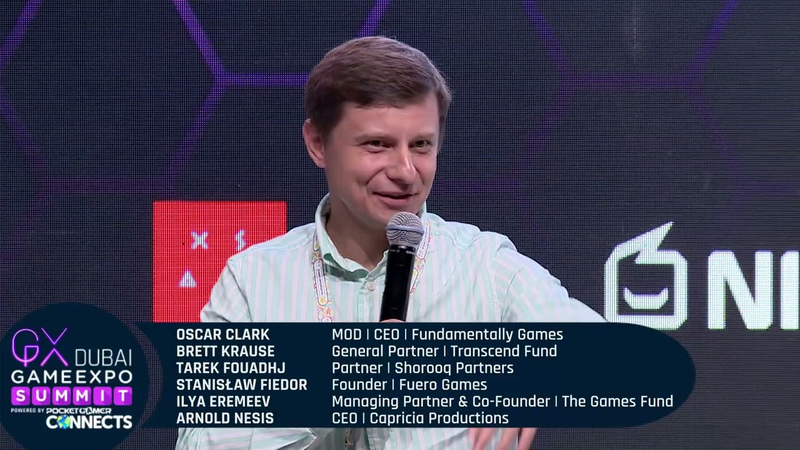
Panel: From Idea to Investment: Navigating the World of Game Development Funding
Key insights
6 takeaways- 01Successful funding strategies increasingly utilize hybrid models that combine equity-based venture capital with project-specific revenue shares to align creator and financier interests.
- 02Investors now require functional prototypes or robust proofs of concept rather than conceptual pitches to mitigate risk in a tightening market.
- 03Projects must be presented as viable, well-researched business propositions that prioritize core entertainment value over fleeting technical trends or industry hype.
- 04Developers must frame the search for funding as a search for a strategic partner whose business mandate aligns with the studio’s long-term goals.
- 05Investment decisions prioritize the human element, specifically seeking resilient, coachable founders who demonstrate a 'fighter’s mindset' and the ability to pivot.
- 06A polished presentation is insufficient without a clear unique selling point and a demonstrated understanding of why a specific audience will find value in the product.
Ask AI about this video
Transcript
what we're going to be having now this is from idea to investment uh it's navigating the world of game development funding for firsttime developers so this is much more of that startup side of things um and and the first talk we had was much more about VCS and bigger funds and and and further raises and this is much more about the start funs and this man here has both invested and raised I believe yeah so you've been all over the place I've been everywhere I've done everything I've been everywhere and uh yeah anyway enough of that uh they're probably much more interesting people to talk to in terms of investment in fact not probably we all know these guys know what they're doing I just uh I just play it it anyway um thank you very much for being here thank you very much guys for being part of this um obviously uh the way this particular panel was pitched was around talking about how we go from
idea to investment particularly for first time us first time um investable people but I think I think we want to try and paint a wider picture because I think we have a whole spectrum of amazing people who've been involved in all kinds of projects at all kinds of scales and so let's explore that but let's do that sensibly so let's start with Arnold do you want to um introduce yourself and talk about not you know what what kinds of things you're interested in what kinds of things you invest in um so hi everyone I'm Arnold from Pria um the fact that I'm on an investing panel is really funny to me at least cuz originally we were a metal band somehow became a studio um but we did uh sign a bunch of deals with uh investors government funds um small companies huge companies and even uh somehow ended up investing ourselves um yeah and we started making metal
albums as games that uh that's very rock and roll of you yeah that was uh that was the beginning um yeah so what kinds of things are you looking at right now uh actually uh nothing nothing fine no we're interested we're at I I have this is like a magical moment in the company's life where you go to a conference and you go like I'm good but for like seven years you know we were begging for money and yeah it's I think we've done all all the angles of but this is an interesting thing is like just realizing that you know people go through various stages of their careers or their experiences at these various stages so IIA do you want to tell us about you and what you do hi uh my name is IAM I'm uh one of the co-founders and the manager partner of the games fund so we professionally invest in video games companies and I'm video games business for close to 17 years so since my te um teenhood and for the last six years years we invest in
video gaming companies so we invest in content creators so both mobile and PC console developers and technological companies developing tools services middleware and uh other stuff somehow related to video games thank you s tell us about yourself hello guys uh my name is Stan feeder I'm the founder of fero games uh so uh that's why I guess I'm here because uh starting from bootstrapping back in 20 12 uh the studio was founded um and we had some VCS investment we got some government grants we closed publishing deals and um Angel rounds and so on and so on so we've been through all of the possible steps of basically raising the capital to actually make the studio up and running uh which I imagine it's uh at the very early days the the challenge and um that's that's the way
of how you make it till the next month basically right very often until you get to the big hit so I've been through all of those um moments and last year the company was like around 20 million USD Revenue so that's that's growing basically hi everyone I'm T fat partner at sharuk Partners we're pan Regional fund manager uh managing over half half a billion dollars of assets on the management we invest across sectors um I lead on the gaming side and um totally excited and interested in meeting Founders building the next game um or the next um software solution or streaming and social platforms out there um so please reach out and uh grab a call BR uh Brett Krauss one of three General Partners at transcend fund we're in an early stage of
VC um we differentiate ourselves that um we're operator investors so all the partners have made games ourselves and we add them all up and we have made over 60 games across nearly every platform uh and genre so we come from the investing uh angle as as operators having been in the the seats of of game makers um we also tend to be very ear we've got you know so many years of experience uh Shanti and Andrew my partners uh you know 25 30 years in the gaming industry having hired uh several thousands people we have kind of very deep Network so we're always looking for great Founders repeat Founders um we've invested in over 30 companies in our two funds and as we look across all the cap tables there's nearly 300 co-investors at some level we can count less than a dozen that were earlier than us so we
tend to be the first round preed seed uh investors so that's that's Trend in again incredible team as well I mean like I say if you think about the whole spectrum of the people on the panel there's an amazing amount of talent here I what so why am I here well obviously I come from a different range of perspectives firstly uh I run a living game publisher uh so we're about in engaging with games teams but we don't fund what we do is we work with funding teams who do essentially finishing funding so we basically created a model where uh game studios can get finishing funding as a revenue share model rather than a an equity model uh but we're also people in the middle of trying to develop software as a service platform and so I'm pitching to the some of these guys separately independently as many others uh to do that kind of tech platform as well so I look at it from all the kinds of that perspectives and find the whole area fascinating um so we talked a little bit about who we are and what we do what's the kind of investment so obviously we can talk about Equity we
can talk about um uh a whole bunch of Project Style funding there's a whole bunch of different techniques of funding in particular what sort of deals do you tend to get involved with um so we are kind of proud of the fact that we've never given company Equity uh ever and we got a bunch of Investments so it was always Project based um we did buy uh a team so we kind of invested in uh in another company so depends from which side but it's yeah like as a if we get investment it's usually for a project if you were giving investment what would you be looking at was it the same sort of thing or is it just if you're were yeah so for us it's so again we're in Indie Studio that's kind of okay pretty big for Indie at least in Israel um but when again in the few like times that we've invested we it was always like growing the studio so the idea was to bring a company and kind of eat it or like a team usually small teams more an m&a st Style in some ways
yeah so what we did for example is like we we still let them you know work on their product and what they were doing but under like armell and and bringing them into the family this type of thing yeah so uh on contrary we only invest in equity and we're trying to see beyond the single game beyond the first game and uh for us the project the company is working on it's just a validation on the founders Vision yeah it could be it could be a uh you know it could be a win but even if it's uh if it's to lose if it's was a mistake to create this project but Founders are able to learn some lessons out of it and able to keep moving the company forward that will be you know good enough for us and you you can only achieve that through investment in equity in the company not through some product financing um and uh but nowadays uh when we kind of Shifting our focus a little bit towards the PC and console and crossplatform projects we kind of trying to uh be open-minded with the investment model as well so in some
cases we investing in kind of combo or proxy deals uh like when we have some equity and we have some um some share in product profit so usually um large scale double a gaming company require more Capital to deliver something so and we don't like super pumped valuations uh first rounds so to be able to provide enough Capital to the company and uh get a sensible valuation that's com combo deals come into place so if I'm understanding right you're you're looking at the valuation of the company but you're also paying attention to what the capital needs of that team are to get to the next valuation is that is that a fairm yeah absolutely and uh to get here you can came up with different different models and have a combo deal like half of the capital should be invested in equity and half the capital should invested as project financing that could be a solution for these cases yeah I think that's a fairly unusual model but I think it's a really
interesting One S from your point of view what sort of uh deals are you looking at and are you looking at project side investment side various other aspects sure uh maybe I got to say like because I've seen at this at the venue and like at the conference many many startups raising out or coming from this region and building over here and so on and I assume many of you guys think like okay how how do we actually make it or some of you maybe have the idea right maybe you're engageed somewhere and and want to want to start something so I maybe just going to share a couple ideas how you can actually make it happen to to establish a studio right so sometimes there are the cases that you can be having your day-by-day job and accumulate some Capital over there and start bootstrapping after hours some first project because on that way from your daily job you gather the experience you gather the noow and you still get the money right because if when you start the startup it's basically you spend the money all of the time and
don't get any anything at the very beginning so it's good to have like some let's say safe uh money pillow there coming from for example from the from the daily job right so that's first first option the second one is like to gather some small funds U and and from your friends family and so on where they have they know you right so you're vetted by them so they know that you yeah they can put in some money so you are able to basically have some kind of prototype something to show because right now the market as as you've seen in the previous presentation it's getting tougher to raise right so if you if you come to an investor and say hey Ilia I have this amazing idea but I have nothing else right then you're going to say like yeah come in like in a year or two when you have something right so um that's the whole thing you need to be able to Showcase something unless you have 15 or 20 years experience in the industry and a team of Veterans as well so that's and a bunch of friends in the
industry who can say like okay you do something new okay shut up take my money that's it right so if you starting tell me where those people are I need those people well yeah that's not easy that's why going back to the earlier stages uh basically being able to create some kind of prototype something that will be able to Showcase what do you have what's like the unique element right but try to have at least one thing that's going to stand out out right that's that's the next step and then there are a couple ways you can find additional money you can look for some Angel Investors right where there's going to write some checks because they're going to see some potential in there and potentially something we'll come back to that in a this one of our lat questions we're going so sorry I'm going I'm going to come back here because I think I think I'm right saying you're more Equity side of the of the space so we we do equity and we do a combination of equity and token okay um oh and token yeah yeah um so for web 3 games we obviously
always look at also that side of the business and we're happy to do a combination of both but let you know it's important because a lot of what you know my colleagues here have said are everything that all investors would say right I don't think it's any news to you guys I'll be looking at an A+ team you know amazing content or original content experience and and uh and having traction I think all of that is important what what I want to just leave the audience with especially Founders that are hearing us here is that even if you have all of those there are other considerations right such as um you know fund deployment time uh ticket size um region limitations uh you know fund portfolio management and and allocation that might not necessarily go into a specific game company and you might have all of those
ticked but we would still not invest and that has nothing to do per se by you just scking the boxes so it's kind of important to remember there are a lot of other areas that you might not necessarily see that are in the back end that would be affecting that decision I think that's a really important point because um we often talk about you know we got to get the pitch right and all that kind of stuff and often it's not even about getting even if we got our pitch right we're not going to get signed by that particular person because we don't fit in that particular absolutely yeah uh but you know obviously if you're coming from a game development side or a game Studio the what we look at is very different from if you are a software company doing the next live Ops or devops uh platform um and you know it's even more different different if you're building a streaming or a social platform so it's quite important to kind of also uh you know realize that different business models and platforms do require
a different eye uh but at least if it's game development that we're speaking about we we definitely want to see original content and most importantly IP I think there is many people out there that are building games and video games will be video games but I believe firmly that IP um that could potentially transcend being just a video game lives forever what a perfect segue just said the word transcend sorry could I could not not take that that was that was planned so Brett from your point of view I mean I'm going to particularly go because you like to be in so early and it seems to me and again I think you're more Equity than Project based um if I remember correctly um that does that not represent some specific challenges as well in particular what ear was talking about in terms of valuation uh and you know what the capital to deliver from the that preed stage to get to the seed
stage to get to the series a how do you look at that yeah we we invest uh across uh kind of all platforms and games we've invested in um PC console VR mobile and core Technologies um trying to find those amazing repeat Founders um is is key you can see their hit rates are so much higher they usually have not only the experience but they can also attract the talent to follow them into a new Venture um but that does come with a challenge because the best Founders will typically get eight or 10 term sheets and you know um if you get the folks on Sand Hill Road that really want a particular uh investment to lead they'll bit up the price so that is why you know our network of kind of you know 30 plus years in the gaming industry we try to get to find those Founders we we track them very carefully when their earn outs are done or when their thinking about doing something so that you actually get
in earlier um and if you can do that preed round you can get in we we um we have a couple of cases where we've just kind of preempted a bidding process by working with the founders very very early helping them formulate their their business um you know putting in a convertible note say a couple million and then converting that into like a $5 million note as the first seed investor and then bringing in um you know a couple cases recently we had uh one of the biggest Asian investors we did that model and they came in with a $20 million check and took a whole the whole seed round but we were in at kind of the preedee or uh we have another case where an amazing founder that's you know twice had multiple hundred million doll exits um had us come in at the preed round and then together we were able to get project Finance of more than $30 million of non-dilutive capital wow uh which kind of came in so then you know that's that just really leverages our position
so just for the purposes of the audience in case they don't know what a convertible note is could I get you to quickly explain it yeah so when you start off just trying to figure out what the valuation of a company is next to impossible to have a real sense particularly if it's very very early you've got an amazing founder with a vision clear differentiated product know what they want to do really have very granular idea and understanding of Their audience they know how they're going to attack it all those things come together um you still uh can struggle at the beginning to to price the value of the company so you'll put in a a convertible note or a safe note and basically just punt that down the down the road you'll get a discount for a future Round And if you put in you know a million dollars or $2 million something like that into a convertible note they start to build out a AAA team they're going to go back to the market and they're going to raise you know within a year probably so at that level if you're confident in yourself you can price the round and lead the the subsequent round in which case you're pre PR note converts at a
discount you get upside in it or otherwise you let someone else come in that has big big uh big ticket and willing to price around and um you know then you go and you follow them in the the subsequent round but it's just a mechanism to not spend a lot waste a lot of time early on debating the valuation of the company get the the founders Capital help them build the company and and put the valuation you know some months or a year down the road and in some territories this has a tax benefit as well um there's um particular in the UK is I can't remember it's called like a fast or something um but they have specific uh tax benefits for the investor to do that particular mechanism there are other tax specific Frameworks particularly in the UK I'm aware of uh that obviously intimately uh so in particular we've got what's called an scis so a seed Enterprise investment scheme and an Eis which is just the Enterprise investment both of which mean the people who invest effectively get significant reduction on their tax costs
and also they get and when that if that particular project succeeds they don't get capital gains tax off the back of it so there are other Frameworks other than just equity and project Finance some of which also have tax benefits which you as a as a recipient may not have anything to do with but you need to be aware of because it's going to make it easier for that investor to pay attention to you because they can take advantage of those tax benefits if you fit the regular framework so I I'll come back to you so um we've we've talked about the kinds of um investment whether it's Equity or project or like the convertiable notes style let's let's say you're looking at a project what's the thing you need to see to get you excited and to take it seriously well well I I always tell Studios that are like starting out that you know the the ideal investment for I'm going to talk about the Publishers for for a second right um is a game like a team that is very
experienced uh with a game that is good and is ready to launch tomorrow right like that that's a deal that any publisher pretty much uh would take it already makes money and I'm don't need any work yeah like no we we can be realistic you know it's like okay so and and the worst and and a lot of studios are like that at least in Israel is like you know I have a great idea our team comes from like video editing and whatever but we're going to make an awesome game um it's Skyrim meets imagine the Gathering it's going to be amazing we need like 5 million and we're going to launch in like you know four years yeah uh so wherever you are on that scale like the better because I think in the previous panel they talked about the fact that like funds will spend money right like you have a bunch of money you have to spend in the next two years usually that's how this works and they're just like it's a matter of competition that they will invest the money it's a question of where and the where is the closer you are to
what they want to see um so from what I'm hearing it's you need them to know what you're looking for to understand that you it's the thing that you want is that that's terrible summary but is that kind of what you're saying what I'm saying is that like you there is a scale so like you know you need to make sure that you're not pitching something that is clearly very far away needs a lot of money and you don't have the experience to do which I know because that's what we were doing um um and you know obviously if you have a great game launching tomorrow that doesn't need um any money and and a great team behind it then you can get amazing terms and get the deal signed in a week right so what I'm saying is like I think Studios need to realistically understand where they are on this scale and it's a very hard thing to do because like especially if if it's first time raising Capital it's like I know we had no idea you know where we are on the scale and and we we were surp urised that we're getting nose
and nowadays I'm like well like I wouldn't invest in this you know so IIA for you what's that one thing you need to um first of all I wanted to add some comments on what TK said about that even if you ticked all the check boxes and you kind of formally comply with all the requirements from The Venture fund it still could be a no just because it not not a good fit on some you know on some personal or you know emotional level and uh you should you know Founders should not consider like getting investment or getting rejection either win or lose because it's not a it's not a lottery and it's not a you know competition in in in this sense uh and if there's no good match it's more like a dating or something and if some person like formally you know uh comply with all your requirements like being a blonde blueeyed like decent hate something like that still could be a bad match on you know it's it's not your soulmate and we expect our fers to be our soulmates and share our vision for the future and it's uh maybe it's hard to formulate but you can feel it and you can you can sense it
when you talk to someone um so that's kind of should be a slight shift in how people approach investors and how people you know uh perceive the investment process so then to what we're looking for when we invest uh in in some company as I mentioned before uh the the most valuable asset in the company is the founder so we looking for founders with winners mindsets and Founders who are willing to fight for their company if they you know um if they find us them themselves in some kind of troubles so they not will be relying on some third party that some big brother will take them out of the trouble they will be they should be self-sufficient persons and they should fight they should fight for the business and they should feel themselves as owners of the business that's why we never take controlling stake in the company and we never invest in companies where some other investors like uh have controlling stake in the company and founds have like 20% % in in in a cap table that's just not for us they are
kind of founding employees with some incentives down the road but they are not Founders at least it that's what we believe in and uh in terms of the product we target kind of potential leaders um in in a niche so for instance we invest in some racing game developers we we expect them to at some point to be the leader in in the niche the leader in the market and as Maria mentioned on the last panel um like we expect every investment from our fund to be the potential fund returner it's ultimate statement but it's not uh always like that but it's some you know guiding uh star that we chasing when we making our investment decision so strong Founders like um kind of uh psychologically sustainable Founders who are you know able to resist the harsh environment and some uh some ambitious project that potentially could be a big hit maybe a big Miss and and total disaster that's fine but we don't chase mediocre Founders and mediocre ideas so it's
passion and grit kind of two key factors that come out yeah so starting from last year because I had a little bit more of time when moving from the CEO to like uh the supervisory board um I started also to support some early Founders or teams where I saw like the potential and um after I had some calls with them I saw that the the people right I think the most important part at the let's say angel stage or like very early first rounds etc for me personally the most important fact is like the people the team the founders because uh everything is going to depend on them very often like the startups life is ups and downs right there's going to be different situations coming in and sometimes they will have to pivote that they will have to change their strategy maybe even the
whole product right because the first thing might the first game might not be the head the the second might not be but the 502 might be right or and then then there is like about the determination right the the passion and if there are like fighters let's say that even though it's going to be tough times even there will be hurdles they will be able to make it through it and that's uh the other part is also like values if the if the founders are honest TR trustworthy because trust is like super important like for me if if I'm a if I going to invest my time and potentially my money into uh somebody then I must trust this person right and that's why I don't want to I don't like like Beautiful Stories and everything like that right I want to I prefer people who are like honest and say like whoa this is our plan it might be amazing but we might it
might also fail right somebody who is aware of also the troubles the the hurdles that might be on the way because if somebody just sees like oh it's going to be amazing we we going to be the next unicorn and so on oh but there is like the competition which already does it and there is the crazy reality strikes doesn't it yes so that's uh people I think people because the product might change the situation on the market might change change but if they are those the fighters they will always get through all of those situ we've seen a whole bunch of surveys on what investors want most and team is almost always the thing that comes first for the second thing is there must be also something about the product about the game at least like one USB something that's going to stand out because if you have already so many games on the market so pleas please explain what USP is and I'm going to be really mean on it because my big bug unque selling point yes so basically
that's the word unique unique because that's going to be something that hey we are all like Gamers We we played games and we've seen many so there needs to be something that's going to be like hm that's interesting or like okay I've never seen that or like h i I would like to try that right because uh then it's okay now you got my attention right and then there is the interest then there might be the desire to uh to invest and if after the so-called DD so the due diligence checking all the papers everything is fine and so on there might be an action to actually invest right but uh that's I think the two Q uh things that are important for me I think mive I'm going to T I'm going to kind of be mean and bar you from saying the word team because I we'll say that as a red absolutely no so I I think they said enough about teams but what I would what I would uh want to bring attention to is
you know thinking as an investor at every single point and as you grow what we're looking for is drisking this investment right and as a Founder if you're able to take us through a journey on how did you decide about this storyline or this game or this genre and why are you doing certain you know things in a certain way um why did you decide to let's say tackle a certain Market before expanding to another Market or maybe go ahead with PC instead of mobile it there has to be decisionmaking process that took data into consideration took experience into consideration and you telling that to the investor gives that trust that you know ability for them to understand that you've thought about all of this right so it's very important to Showcase from a Founder's perspective how are you drisking that investment especially if it's an early stage investment coming at
a precede stage we all know that it could fail but what's important is that we put in uh steps or Milestones or mitigations to kind of U avoid that from happening and then finally I can tell you what we at least us don't want to hear Founders say we care less if it's blockchain token uh what is it called dollar big or whatever it is and and unfortunately it turned out to be all these entertainment fun products that keep people engaged to these technical um products that end up on tokenomics from page number one and gas fees and whatnot like the user the end user the player at the end care less whether it was built on Solana or uh s right I think it's important that we go back to basic as an entertainment product how do you
put it out there and how do you package it for investors and for players why should they care why should players care that's for me that's the bottom line if you can't explain why players should care why should I care about your game absolutely right obviously we we talked about our team if you want to add to that is there a particular area or the other option is to switch to talking about the biggest mistakes you've seen I'm happy you to take it how you wish I'll start by just people have made a lot of great points um there couple things that I would add um transcend is a audience-- Le investment fund we always are looking where the audience is so it's really important to understand the founder and the game's audience fit that's the only thing that really matters so advice to anybody building a game make sure you really understand that audience uh and find it find a sustainable long-term growing audience as a as a starting point and and that's the beginning for kind of all of our investments um a couple other things that you don't really know exactly what
makes U some games amazing but you can feel it when you're meeting the founders and they tend to have a couple of of characteristics that I don't think have been mentioned in detail um one is they will really really know their product they'll know Their audience and they'll know their Vision so typically when we're making investment we're spending 10 20 hours with the founding team before we make an investment a first screen is you know 30 minutes and then an hour and then you actually get into depth and and because we've made so many games ourselves we tear the games apart in great detail and it's pretty clear within kind of the second or third hour if people don't really know haven't done their homework so you know um the best Founders will say oh that's a good question and I have a slide for that already they've like thought like 10 and 30 questions deep into the game and the genre and the audience and acquisition
all the all the fundamentals they really really are prepared um and you'll you'll find quickly people say I don't know and you're like well that's really critical fact you should have known that before you you started um and then the other thing I would just highlight I I really like Founders that have kind of strong views loosely held so they're they're still humble enough to think like my vision could be wrong or I may need coaching and I may need a list listen to someone else whether it's their VC or it's it's an advisor or someone else and so that that ability to be coached or to kind of have a vision out there selling it but yet still be humble enough to recognize that you could be wrong because making games is really really hard and even great people struggle to do it repeatedly so um I think those are just kind of the keys it's it's not really about the team but it's the depth of the team their vision and and whether they've got that audience fit I I really applaud that way of thinking particularly for me because although I
do advise some companies I'm an adviser for audio mod but I also have a couple of advis one of which is Phil Manel from jaget so I'm I feel kind of a privileged that my friend who happens to be this guy who runs this big company will listen to me on my woes and and every once in a while someone like him or Nick Bon Brown who's our other advisor will just say it's that okay Oscar you know what you're doing it's okay and just hearing someone else tell you even though I've got 26 years of experience to do it I sometimes need to hear somebody else tell me it's okay uh right so we only have a few minutes I believe left so I'm going to have a quick run through I I need a very simple very quick I know this is terribly you know mean of me what's that one mistake that turns you off oh we actually out you're not going to let me finish the last question up to you one more so like said really quick what's that one mistake that turns you off straight away so really quick answer don't mind um coming to investors too early which
usually also comes with a bit of a disconnection to reality I'll I'll I'll call it I think um I I do love super early uh approaching so I I encourage people to come to us as early as possible and we are G you know second chance and third chance but uh the number one mistake is people are they don't think about how we make money out of this uh Venture so they just focusing on creating a good game that they will enjoy playing that people would enjoy playing but they don't care much about how how make money out of this game no I'm I'm thinking also about uh doing a proper investigation about the competition the market itself because very often there might be some passionate Founders and they have like oh I have this idea for the game it will be amazing and so on but they don't check if okay what's going to be the whole situation with getting the users into it the user acquisition cost and so on and so on which builds it up to the
whole business and can break it down even though you're going to have a great product but you won't be able to attract the users and you won't be able to break even so generate more revenue from the player then it's going to cost you and five games of exactly the same genre were launched last year and all failed biggest mistake would be not knowing your business really really well and not approaching investors M way early into the cycle don't come to the investor when it's done um you need to you need to build trust and Trust can't happen when you need the money tomorrow because it's going to die I think the biggest uh mistake that most investors make is just following the hype or the crowd uh you've seen repeated hype Cycles uh web 3 now it's AI metaverse there's a lot of comfort in investing in things that others are saying is important but um you know
having a very clear Vision understanding an audience something stepping away from what happening in the macro picture I think there's reason why Warren Buffett is so successful he lives in Omaha Nebraska and there's no one anywhere near him that gives him any opinions that are relevant he just is clear on his own thinking about what he wants to invest in and I think that you know if you spend too much time um following market trends as opposed to thinking about what really is going to resonate with an audience or what's really fun then um you're most likely to make a mistake and I think don't think there a reason not to do some of that stuff for example I I think there's some value in generative AI however the only reason to is if you've got a very specific and absolute definitive reason why that is the right approach and you got to be able to to communicate that well above the hype language because it's so no so noisy if you can't communicate why this is the approach you're taking irrelevant of the
trends then you've got no argument anyway it's just I've added blockchain therefore give me money who cares I think that's the sum up I would give it's like if you don't know how to tell people why they should care you're not going to get anyone to bother investing in you on that note thank you very much guys much appreciated thank you for giving the extra time for the question I hope you all enjoy that thank you for
Summary
Securing capital in the modern game development landscape requires a sophisticated approach that balances creative vision with rigorous financial discipline. The primary objective for developers is to move beyond mere conceptual pitches, as investors increasingly demand functional prototypes or robust proofs of concept to mitigate risk. In a tightening market, the most successful funding strategies often involve hybrid models, such as blending equity-based venture capital with project-specific revenue shares, to align the interests of creators and financiers.
Investment decisions are driven by a combination of team pedigree and strategic alignment. While financial instruments like convertible notes and tax-advantaged schemes provide necessary structural support, the human element remains paramount. Investors prioritize resilient, coachable founders who demonstrate a fighter’s mindset and the ability to navigate inevitable market pivots. A polished presentation is insufficient if it lacks a clear unique selling point or fails to articulate why a specific audience will find value in the product. Consequently, the search for funding is framed as a search for a strategic partner, or a soulmate, whose business mandate matches the studio’s long-term goals.
Ultimately, the path to investment is paved by data-driven decision-making and a deep understanding of market fit. Developers must demonstrate an ability to de-risk their projects by focusing on core entertainment value rather than chasing fleeting technical trends or industry hype. By prioritizing clear communication, operational readiness, and a genuine connection to the player experience, studios can better position themselves to secure the resources necessary for growth. Success in this environment is reserved for those who can prove their project is not just a creative endeavor, but a viable, well-researched business proposition.