1 free read left. Create a free account for unlimited reading + AI research.
Create free account
Scaling a Games Studio: How to Win?
Key insights
7 takeaways- 01Mitigate early-stage financial risk by prioritizing rapid prototyping and market validation through ad testing before committing to full-scale development.
- 02Integrate data science with technical innovation to enable decisive, high-impact pivots rather than relying on incremental, ineffective adjustments.
- 03Prioritize hiring for attitude and cultural fit over raw technical skill to maintain a high-functioning studio environment.
- 04Embed core values into hiring and performance review processes from the outset to ensure cultural alignment, as culture is defined by the trade-offs made during development.
- 05Ensure leadership remains hyper-transparent about existential goals and be prepared to transition early-stage contributors out of roles that no longer suit the company's growth phase.
- 06Maintain long-term growth by fostering intellectual curiosity and healthy competitive paranoia to prevent the complacency often associated with scaling.
- 07Scale by adopting a decentralized, horizontal organizational structure that treats individual teams as independent startups to preserve speed and agility.
Ask AI about this video
Transcript
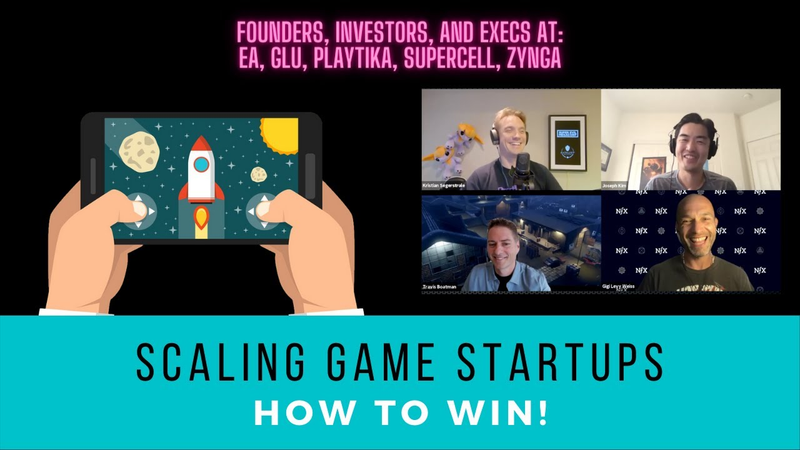
welcome everybody today we're here to talk about the biggest challenges and mistakes early stage companies have in order to scale their companies and achieve success so if starting the company and securing that initial funding is day zero then how do companies figure out this next stage after you secure that initial funding something that guys like jeff bezos calls day one and so some of the things we'll talk about today are things like biggest mistakes challenges issues founders of new game companies will need to keep in mind in terms of specific challenges faced by early stage companies what are approaches to winning we'll also talk about kind of this difference between creative versus data driven companies and finally how do you prevent yourself as you scale and get bigger to prevent this kind of day two issue
how do you keep lean and how do you keep all the benefits of being kind of a lean and smaller company and so joining us today to talk about these issues we have first we have christian shaker straw who was co-founder of blue mobile ceo of playfish acquired by ea was a seed investor in supercell was also senior exec at ea and now is the ceo of super evil megacorp and they will soon launch their new moba moba shooter called catalyst black welcome christian we also have travis boatman travis has held senior leadership positions at a bunch of major gaming and mobile gaming companies including mattel jam.ea and zynga and most recently travis founded carbonated inc a mobile and pc game studio located in southern california also you guys have been in the news for raising a lot of money recently from a16z and others and finally we have giggy levy weiss gigi has been a senior executive investor in like a billion companies like so many companies i was scrolling down
your linkedin and it's like when does this stop it doesn't stop you know it's hard to get all of the things that you've invested in and started you know even with like a 4k monitor so but i think a couple of companies that come to mind are platika and plarium so you were involved in those companies but i think in terms of your most recent experience you are a general partner at one of the most exciting in my opinion one of the most exciting venture capital firms nfx welcome yi thank you all right so maybe we could just jump right in and start with mistakes so kind of when starting out let's say you started your company you got that initial funding and so as you're starting to scale what are some of the big mistakes that people make as they start from that kind of initial co-founder group and starting to scale out maybe starting with you christian sure yeah so i mean there's obviously a thousand mistakes that you can make i think one of the biggest ones is probably simply falling in love with product i think a lot of the time when you end
up fundraising you typically fundraise of the back of an initial product idea or initial hey there's an opportunity to make a combine the match three and the rpg and the mmo category into that you know a wild new type of game it's a hybrid it's a hybrid exactly that you know it has the depth and it has the approachability right it's off top right and the point is that you because you get so used to selling the idea ultimately you'd know nothing about that idea until you market tested it until you've like started building it until you start getting some data and it's really important that even though you've sold it as part of your fundraising process the second money is in the bank take two steps back and know that almost definitely like in 90 of cases for game companies their first product will fail it will fail for 100 different reasons it'll fail because maybe the idea may be just the execution because the team is new and everything is new about it so going into it knowing that your first product will probably fail and knowing that you will learn a lot and that you need to get it out as quickly as possible and that you then need to be really
hard-nosed about killing it as quickly as possible and that frankly is regardless if you're an incredibly right-brained creative-led company or an incredibly left-brained data-led company it's equally true do not fall in love with product fall in love with building a really successful studio by shipping and learning as quickly as possible that is so true that that is so true there was the period in my life where i thought that every game company should kill their first product before they started raise money tell your investors you killed the product and then you can start now there is something in that there is something in there because it is so easy and in particular people who've been around for a while and have killed a lot of product will maybe have that instinct a bit more but usually a new team is so excited about the product that they want to build and it's very hard not to get carried away by that yeah yeah and travis you i mean your carbonate has been around for a while and you kind of raise this second tranche of money have you seen any mistakes or are you running into anything right now as you're starting to deploy that capital yeah i think i think and we brought a
good point about the kinds of companies i sort of have three in my head about video games so they're sort of engineering-led companies they're sort of business-led companies and they're sort of creative-led companies and i think knowing who your founders are and knowing how that culture is led from the top down and sort of what kind of company you really are i think is super important um i think for us when we first started we had never really worked together as a leadership team we'd all been sort of senior execs we've done lots of stuff in the history for a long time but we never actually worked together and i think we had some really wise advice early on we first found the company where we were very you know sort of excited and fired up to just we're going to take over the world and we got some good advice from folks who just said hey you guys have never worked together though spend some time getting to know each other understand your culture culture's led from the top down so you need to understand how you guys all work because that's ultimately how the company will will be rebuilt from a cultural standpoint uh and so i think you know for us it worked really well i've you know sort of been fortunate to see it inside a lot of other companies uh where i've seen that not go so well so it was a good wake-up call and reminder for us uh that uh you're kind of who your core
founders are and really knowing yourself as a company and what kind of culture that's gonna lead based on your founding team was super good advice um the second thing i think we a mistake that we made was when we were when we were first growing we wanted to operate as uh as a non-raised and if we wanted to do work for higher work service work uh to get to know each other as a team and really refine our thesis we wanted some time to refine our thesis we sort of thought we knew we were right but we wanted to be sure uh maybe that's a little conservative of us but but we've been on a long time and for what like what christianity said you know a lot of mistakes are made and you learn those throughout the industry um so uh we really wanted to take time to kind of refine our thesis but one of the mistakes we made is part of that work for hire we took over a small team from another games company um and we got to see firsthand how shifts in culture and different types of staff collide with each other um and uh that was a real wake-up call to sort of take that uh staffing and hiring uh of folks real seriously so i could go through a whole long talk about what that looks like when you acquire
and smash two cultures together we ended up working through it and everything's great now but it was definitely a year or so of pain of trying to deal with two different cultures and how they work together one thing i'll add is you know over my years at ea and jam that we did acquire lots of companies but we mostly acquired very successful companies we have really really strong healthy cultures but when you when you emerge or or partner with a company that's in distress you typically get uh maybe not the best culture and working through that's oftentimes pretty tricky yeah i kind of a few things i think that you know when in general uh in every industry but predominantly in the game industry it's always true is that the biggest mistake is being slow and being slow basically is about uh deciding to build something too big at the beginning it takes you a month to build it until you ship it and so you know you waste you know half your money or whatever and everybody's committed to it you put it out it doesn't work it kills you so it's not building something small enough it's not being focused enough and that all ties back into the kind of speed and the culture of iteration and
the culture of putting out something really small the first playable that's gonna be really small and watching the numbers and seeing that it's right and if it's not right iterating on it and and that's the main thing that i see game companies make mistake i see people that are raising money raising a few millions and now they're taking a year and a half to build something why would you ever want to take a year and a half of your life and build something that you don't know if it's going to work so that that's one thing the flip side of it which is the other mistake is that i see very fast teams give up on quality when hiring people and so the only place where we allow for slowness in a way is in hiring because at the end of the day every person of your initial team that you're hiring that is not the best person that's not just impacting that one person you know there's the saying that only a people only a players can recruit a players the b is recruit c's and d's and so if you end up in your first team uh hiring people that are not the best you're basically in each one of their positions you're dictating that everything below them is going to be mediocre at best in your company and so on these
first hires that's the only place where i allow for slowness because i want to make sure that you're getting the right people so this is this tough balance between being really super fast and building something really small and iterative and getting data soon and deciding what to do but at the same time when it comes to recruiting people find the right people that have the right dna that you were that are you know excellent at what they do that's the kind of the area where i see the most mistakes and and this is always true in every company it's super true in games company because it's so much tougher i mean let's be frank the game industry is the place where you can create the biggest successes in no time more than any other industry the flip side of it is it's the toughest industry always but right now even more than ever to succeed in because there's so many moving parts and that's why starting a games company is so much tougher i think than almost any other company yeah i'd actually really violently agree with those points if i just get to edit so i and actually the thing that i most in some ways i mean obviously i run companies but i also uh do a little
bit of seed investments nothing quite like gigi but even then it's really interesting like the things that situations i think are the scariest is when startups raise a little bit of money they get to a prototype level they haven't yet shipped anything and then they raise a lot of money because that gives them the time to be super slow like excuse to be super slow to actually ship and i think it's it's really like one of the the mistakes you feel like are the learnings that have like burnt themselves in the deepest into my brain through my career has really been that you almost need that near death come to jesus moment if you like in your company trajectory to really align the team because people get into a game startup for lots of different reasons you know for creative reasons for technical like pushing the boundaries doing all sorts of exciting things but until it really hits you that we are about to run out of cash if we don't you know if we do not channel all of our talent to shipping fast learning and making something commercially successful like that moment needs to happen and even in the most successful companies like supercell you know they had that moment with their very first game gun shine and like for us the supreme omega corp
it took us way way way too long to have that moment but ultimately we ended up having that moment and through there forging a team that is laser focused on channeling some really unique talent to hopefully some really unique and commercially uh successful uh directions in the in the future but i think that that sort of taking away that layer of sort of arrogance if you like from a team is incredibly important really early on no matter what it was that you sold originally you need to almost run out of cash to feel like you know this is super serious like we've got a ship now now now the other piece i would say i agree with the hiring point but the the complicated thing about shipping fast though today and which you have some teams that are really reasonably saying look if we want to compete on this platform on this in this genre it just takes 18 months to make the game you can't make it quicker and i think the really hard thing is how do you find that middle way where you on the one hand retain that creative sort of depth of vision and the sort of staying true to making something that truly stands out in the marketplace you sort of have to do it while at the same time testing it really
really really early like how do you get the first iteration going so fast that you fail quickly and i think that's a really hard path i think it's the really hard part for creative blood companies because they go like there's no way we can ship this early super like super quick version there's no way but it's also really hard for the data driven companies because they may be able to ship the really quick thing but at the end of the day games are a mix of art and culture and other things that if you want to make something that really blows up in a big way you probably do need to have a vision that ultimately does take 18 to 24 months to make and whichever end of that spectrum you start on yeah you need to find a way to get to that uh but you can't really get to the point you know i don't allow my company i try not to allow my companies to spend 18 months coding before they get any sort of you know there's so many i 100 agree with that whether you make fake ads of the game whether you get a roblox exactly exactly whatever it is that you make you have to ship i'm not saying you don't have to ship i'm just saying that you still you need to know where the boat is going right even if you need to ship it like two months to test it out you need to know what is awesome about it in 18 or 24 months and i think those are unique like mashing together those skill sets is
like the secret to the future of the game industry and it's really hard wow i think you mentioned which is a good point which is today there's so many new ways in the old days you know you build a product it would take x period of time before you get customer feedback today liveops has moved from i remember when liveops used to be ship and then you do light ups and get customer feedback post-launch now that moved to beta then it's moved to alpha now it's moved to first playable now it's moved to concepting and and you know when we founded our company you know one of the very first things we did before we ever raised money or even did service work was we made images of our game we were testing it on facebook we were going out to various channels pulling customers and seeing if there was signal there from real customers is the thesis even interesting does this work and we had that signal super early and part of our thinking was live ops is just moving all the way up the chain even even before starting a company um so i think that's true but the world's changing steps that you can you can do iteratively in quotes shift lots of little pieces of your game and get some of that signal throughout development yeah so i admire the casual gaming cards the hyper casual gaming crowd so much because they've really pushed this angle so hard and if you could figure out how
to combine the casual braining with sorry casual um casual gaming crew with like folks who know how to make incredible games in three to five years like if you figure that piece out like that's that's the secret yeah i i wanted to think the first thing is that i uh i totally agree to that uh moment of death or that near-death experience uh what we call sometimes the you know the part in the language the moment when you understand that everything is going sound and the reason why it's so critical is because i see so many game companies that are starting and their kpis are not there and then they're like okay we'll make a small change and that's going to change something and they make another small change and that's going to change something and you know i have the kind of the the 50 rule which means that i've never in my life so all the small changes together change major kpis more than fifty percent so if your day if you're day two with 30 then with all the small changes in the world you can make or if you're not changing something big you know at best it's going gonna get to 45 right and that's if you're really doing all the small changes and usually
there's like an 80 20 rule on that and uh and so you know only at that near the near death experience do you get the guts to take to make big changes to really to make this decision to take out part of the game mechanic and replace it with something else to take out something that you really thought is going to work and try something else and that is usually the point where game companies start working when you stop being kind of in love with the first thing that's kind of okay and you start making big changes so that's one thing the second thing is that um you know travis mentioned the the possibility today of putting out ads before you even start a game and and you know i just love that it is something we do with all game with all companies just not just with game companies and um you know there's i wanted to share a funny story from uh my partner in nfx james they uh they had a game company called wonder hill that eventually got uh acquired by kabam and they wanted to build a game and they didn't know what game to build and so they decided they're going to take um and started the other way around they're going to start for all the knit
possible names and all the good game names were something of something and so they had the list of all the somethings and then they had the list of all the places in the world that they could and they put out like 200 ads different ads to see what people are clicking on and they had like warriors elephants dragons amazons and whatever and then they had places like sahara atlantis moon mars and um and they put out all the tests and the one that really clicked the most got the best clicks the best ctr was one called amazon's of atlantis and they were about to build a game around the concept of amazon of atlanta until one of the engineers said guys you got it all wrong people think it's something else when it's called amazons of atlantis and so they took the number two and number two was dragons of atlantis that became a game of hundreds of millions of dollars and they basically decide decided what game to build based on the naming test right that's funny guys we've kind of touched upon this issue of companies that are more creatively
driven versus data driven and travis you mentioned also this third category of being engineering or technology driven and so i i know giggy you've got some thoughts there in terms of how companies what travis which is an engineering driven company give me an example oh man uh unreal valve uh maybe nz and elon musk companies spacex tesla they're they're very helpful in games who is a company where the core capabilities engineering valve unreal uh the original original founders of unity yeah but these are not that's not the games part of it that's the engine part of it sure sure but by the way that's a really important point is a lot of these companies that that are engineering led let's let's use unreal as an example it's or did software with john carmack who i know reasonably well you know engineering-led companies typically innovate on gameplay and on graphics from an engineering standpoint um and so so those are culture led from those from those points
and they typically they're more rare because you tend not to have engineers who who throw themselves into the business world right they're not the guys who go out and pitch um but they're ultimately the people and the segment of the industry that disrupts everything else usually in the business and the creative side they're sort of on the margins but on the engineering side that's where you get breakouts for new game mechanics like battle royale that's where you get uh new 3d rendering engines like you see within software that's where you get unreal who creates the unreal but the engineering side is often undersold in this industry and it's a pillar of what makes games uh successful and also what drives true innovation they're not taking anything away from companies that are creative or business-led certainly i sort of lean on the creative business side so from my perspective i definitely sit there um but i have a lot of respect and honor for the folks that are the engineers who actually drive these essentially software companies and i think a lot of the friction that i see with startups oftentimes are business and creative
folks who really don't understand the technology they pretend like they do they can't code they're not in c plus bus they don't understand the tech stack and they end up bouncing around on the technology and they typically then move away from technical innovation because it's difficult and there's nothing wrong with that but but there's definitely you can almost classify these companies by who has the technical chops and who doesn't i agree to that in general i'm not sure that i agree that this is where the core innovation in the game industry comes from i think that this is where a lot of the infrastructure and capabilities clearly are coming from um but you know i i i hardly see game studios that are engineering led right i see infrastructure companies some of them are also have games but for me at the end of the day especially these days the engines that are around are so strong and so good that really i don't expect the next uh you know multi-billion dollar studio to necessarily uh be building their own stack from scratch but you know i don't even think that
that's necessarily a good direction for a studio to think about it's not and i'm not suggesting that a games company should build the engine the back end the cloud the infrastructure multiplayer systems distribution monetization i mean none of those things but if you don't innovate technically i do think it's a massive disadvantage meaning game companies that discount software engineering and innovation in tech i think it's a big disadvantage um you know we we of course we have a pretty heavily technical innovation side of carbonated but we're using lumberjar right we're not we're building a different scratch you know we're using we have a deep partnership with amazon because we believe in all of their cloud technology that said we are doing some things that are technically led and technically innovative which we think is really important but we're not building an entire stack on iran i i understand and i think that there and i think that there is a bit of a disconnect here because at the end of the day also the most casual game companies out there the ones that are theoretically non-engineering lead at all uh all of them have some phenomenal engineering capabilities um you know be it on personalization or
optimization or automatic live ops or a bunch of other areas this this is all tech this is you know it may be a combination of tech and data science more than pure technology it may not be on the graphics side or the rendering side but none of the company the great company that you can think of be it platika or moon active or you know or playrix these are it's true that they're not reinventing anything on the engine side but they have some pretty awesome uh you know technology capabilities to do what they're doing yeah i would actually really agree with that i think the the the key is like where is your technology innovation vector and like how is that technology going to make you more successful in the particular category that you're in so i actually i do think that many if not most game companies are engineering led one way or the other it's just where is that engineering kind of where is that engineering focus and so in the case of many of the hyper-casual game companies the casual game companies a lot of that
is as good as saying it's like it's impersonalization it's like how can you deliver and learn faster and iterate faster than anybody else in a red ocean category i think we are talking about travis and which i believe and i just why i get up in the morning is to figure out not just how to execute better in an existing category which folks like playrix are incredibly good at and like taking those incremental steps of figuring out how to combine the blast mechanic with the next best theming and an rpg mechanic but rather how to actually push push things forward and if you want to push things forward in terms of a unique look unique gameplay something that really stands out in the marketplace not by being the most optimized from day one but rather by really looking different feeling different providing a fundamentally different experience i don't think you can do that without having a meaningful tech innovation vector unless you have like a crazy creative like i love fall guys and i love fall guys because there's nothing technically interesting about that game it you know it's a bog standard engine box standard everything just the total creative genius of taking a japanese game show mechanic and putting players into battle
royale through it like that in itself you can create just a creatively unique thing but most other things like in our case obviously we are very heavy technically and we're very like catalyst black which is coming out from us this is like two or three really core big technical innovations around say dropping dropout matchmaking allowing you to just go straight into game with anybody at any moment in time with no friction socially and then having these very large scale battles that you just can't today make with unity or unreal in that kind of for uh for that range of devices so it means that for those kind of generic engines to be able to do that it'll probably take a couple of years which means that then we have a couple of years to hopefully be able to take what is a promising idea and do all of the things that the players and companies that are very good at optimization do in order to ultimately be able to create an incredible experience so all of these different i think technology investments give you a slightly different innovation vector slightly different way of being able to build a success but you still need to i think like from a business execution
perspective i think the gigi was coming back to like whichever your innovation vector is you've got to be able to figure out how do you make the absolute most out of it how to ship as quickly as possible how do you learn as quickly as possible and how do you know your strengths and weaknesses in terms of what it is that's going to keep you alive and and ultimately make you grow and create a big success but ultimately i think it has to do with how like you know what sort of company are you building building an iterative company that takes small steps forward or are you trying to take a bigger bet outside of what is what is there right now and giggy can we unpack that a little bit so for if you're creatively driven or data driven how do you focus or how do you think about your business differently in each of those situations yeah so i think for me the you know the world and i've invested in more than 20 game companies over the years and you know some of them have been very much data dream companies and and i founded a few and some of them have been very much creative driven companies and and both are valid and as i said before you can't be just one of the two these days you've got to be both because otherwise
you're not going to be successful however some companies tend to be a lot more based on the data than they created and that is by the way i think one of the reasons why we see investors kind of flocking into the industry today a lot more than before is because it was very difficult to try and bet early on on uh who's going to be a better creator right who's who's got a better creative that's really tough for investors to to do it's like you know vcs don't invest in movies for example and for many years people thought about games like movies i need to find the best creator and believe in them what people are seeing today what investors are seeing today is that given the high dependency on data and the ability to optimize based on data if you get the right team that right team can actually almost always optimize the game to the point of this game being either profitable or having to kill it and move to the next thing and when you look at companies like you know like platika that i founded or moon active or others these companies are optimization machines which means that there's so
much data science in these companies and by the way i keep you know i keep telling my creative driven companies or the ones that are the most successful creative dream companies that if they had the same data science skills they would be 10x better in what they do right it's just that the dna is so different that it's very difficult to convince them to do that mix-up and and for me as an investor it is you know why do we also invest in things that are really out there like uh you know uh there is a game company we invested in called the ai dungeon that is the bigger the biggest user the kind of the company called latitude it's the biggest user of gpd3 openai's latest and it basically it's a storytelling game where you basically write a story with the ai that is kind of awesome i mean i really recommend that everybody try it and that's one extreme but at the other extreme we you know we invest in companies that are very very data driven iterative where you could almost claim that there's almost no game innovation other than what kristen said before i'm going to mix this and that and you know that's going to be my
initial starting point but from that point onwards you just continue to iterate based on the data until you get to the right place and this is so much easier for for me as an investor uh to invest in today and i think that you know while i um as a gamer i you know i love uh i love the creative lead businesses uh as an investor i completely not disregard the data-driven ones uh because i think that as investments they sometimes make far easier and better investments uh a lot more predictable and i also think like yeah in general like that with the same amount of money typically the day-to-day business can have five six seven shots on goal exactly and and i think we should in general not not disregard the fact that when you look at how much entertainment value you're providing to people right it's these companies that usually provide a lot more entertainment value to to people around the world than the core gaming companies so i think there's room for both and i think if anything what i'm trying
to tell my companies is that the data-driven companies must learn a bit from the playbook of the creative driven companies because if they take more kind of innovation leaps on creative they're going to be better and i tell the creative lead companies that they should take a playboy you know a page from the playbook of the data driven companies because even when you're creative led this really can make you so much so much better even at the early stages not just later and it's this mixture it's this you know we uh uh one of the i think one of the companies that the moon active did this branding kind of branding of the corporate and the one thing that stood out immediately is that it's a company of a mixture of creative and science it's both right it's it's this very unique animal that almost does not exist in any other company no other company do you need both right in no other company other than games you need both you know if you are a transactional business and you know and whatever in in if you're an uber that's great you don't really need creative yeah you need the ux to work but there's no creative element if you're a content business a creative business then you don't really need tech it's only the game industry that
requires this very complex thing which is why i think most of the game companies fail because they can't create that match they're either too creative or too non-creative and that makes it so tough and so exciting i really agree with that and i think ultimately it comes down to like this culture of deep i mean one just having having the talent that covers these areas but then also figuring out a deep culture of respect between these areas and it often actually coming back to the near death moment like it's actually quite difficult to create that culture where people truly are sort of um i don't know how to explain like naked as we can say in a sauna you know naked in front of each other in terms of just that nobody like has these great dreams of my vision is x or i want to be y but rather we need to succeed together let's okay you date a guy you explain to me exactly how to do this in the right way and i will explain to you exactly me the creative guy of the thing that i want to achieve and like to to create that shared sense of respect between and frankly also between engineering to travis's point earlier like figuring out like where are the limits
of what can be done and what can't be done where they're kind of how to do things effectively or whatever it might be and having that mutual respect and that's why i think culture in game companies probably matters more than in any other kind of company in general because no one kind of you know the poem about the blind men and the elephant or whatever everyone feels different part of it it's very much i think it's very much like that that that any one person cannot see the whole picture because they can only see from the perspective of say engineering or design or creative or data or whatever it might be and really senior folks can see more angles but nobody can see all of them so the trick really is to be able to figure out how do you create a culture where you can listen enough and still hold on to that vision and then have someone that relentlessly you know relentlessly executes and shapes quickly and these things are just hard right and you know judy said i think these are some of the hardest types of companies to create and that's in some ways what makes it so much fun is that the industry's moving forward is growing all the time and there are all these opportunities for different angles so yeah i agree completely and i think that you
know there's this saying that i love that in every company you should always prefer attitude to skill meaning that you know if you've got somebody that just takes all the boxes on skills versus somebody that maybe misses something but has the right attitude is the person with the right attitude that's going to bring value to the company dramatically more over time because the one with the wrong dna is going to be a liability eventually it's going to slow other people around and eventually probably going to leave i think in game companies it's you know it's enhanced 10x if you get don't get people that match the company's dna just don't get them they can you know they can look they can look the best on the cv just don't get them because there's gonna be such a drag on your company and i have so many so many examples like that coming back to the mistakes like my biggest mistakes as a company leader has been not firing those people not letting them go early enough the minute that i you know inside you know you have this gut feeling this is not going to work out correctly and then you're still your brain tells you no but we can't possibly live without that person because of x y and z and then you take three months or six months or sometimes a year before you do something about it you know um and yeah don't don't do that
i was going to say the living offer on the on the pile kind of the cultural thing which which it depends on kind of your view on how long you want your company to be around but is a deep uh intellectual curiosity for for what this business is and my favorite thing is look back on my early career you know i started in the games industry on the philips cdi you know and then i worked on the genesis and then i worked on playstation one and if i had gotten really good and sort of settled in on any one of those things i'd be gone by now the industry would pass me by and the rate of change in games is just accelerating it's getting faster and it's you have to sort of also have this this culture of intellectual curiosity because there are so many new and to do this point on i'm not just that technical side by the business side on new ways of doing you know user acquisition or new ways of dealing with funnels or new ways of pretty much across the board so having all of your team willing to investigate learn and be intellectual curious for us has been we sort of knew that going in but we really sort of instituted more strongly and it's really benefited us in a lot of ways this industry just moves so fast on
all fronts that that that desire to learn and keep learning is is so important just like we've got for hours on that but but a big deal for us yeah so maybe we can now talk about like initial focus we've raised a lot of issues like travis you mentioned culture you mentioned the importance of you know hiring the right people and so like with all these things where you the initial sort of co-founder group can focus their time as you're starting out what should be the initial focus or do you just have to get everything right and maybe travis you want to speak to this with respect to the current experience you're having right now as you're starting to scale up yeah i think i think for us you know i i'm i'm sort of a believer in frameworks frameworks of thinking it's kind of something i do a lot um so for us it's really making sure we have a clear uh vision so that's also what the company's working against with a very clear thesis that we're running against uh we spent a lot of time refining that we know it's true as we're working against that thesis um but then as we work against that thesis we want the team to be able to have the freedom to innovate and come up with ideas and do all those things
but we spend a lot of time cleaning up frameworks and sort of like okay well here are the pillars of the games here's how we want to operate these are frameworks that matters to our company in our unique company our unique take on the games industry um and so once those frameworks are in place it helps sort of guide guide the team in terms of what's sort of in and out of the bucket and you know using a sort of silly example for those folks who aren't in the games industry it would be a little bit like if you're a tesla and you're sort of going after electric cars and somebody goes i've got a great idea for a gas engine you're like that's a great idea but it's not on mission it's not within these frameworks so that's just a quick note uh don't take it personally it's just not enough framework that that's a quick note it's easy to make those decisions but within certain frameworks having the freedom for the team to come up with those ideas is super valuable um so that's that's sort of how we run a lot of parts of our company is keeping that thesis and vision super clear and then building frameworks for which the team can operate and putting those frameworks in we do it with the team as a collective we talk about what those frameworks are ever agrees upon we put them in place and then people can operate within them real relatively quickly give your cushion yeah
i think that's a great way to put it the way surface put it i think that in in any company but mostly in a games company having a clear strategy that you're pursuing you know the way i think about managing any startup company is that you're starting with uh you're starting with setting up a strategy which is kind of your vector then you make sure that you have the right team for the to run on that vector and then you just let them run and then you keep getting back to the starting point and say am i on the right direction do i need to change it do i have the best team for that and you know and it used to be in the past it used to be like you do it in an annual cycle like you ask yourself and then it tends to be quarterly and now it's probably like weekly right every week you wake up and you ask yourself are we in the right direction do i have the right team and you know the way it works it seems that you want to be accelerating even more but the reality is that as long as you have that vector that everybody knows it's really critical that everybody knows it because many times you'd be shocked how many times in even a small company 10 people 12 people you ask the last engineer what are we trying to achieve and the answer is
i don't know i need to write that piece of code like how does that piece of code relate to the vision how does that connect to where we're trying to get to and they don't know and when they don't know and many times i you know i will sit with the ceo and i'll call somebody and i'll ask a question and when you don't know then you don't know what to focus on because then you know you can you can write this function with that much code or you can write it with that much code if you don't understand what's really important right now and it can take you a day or it can take you two weeks and if you don't know what we're trying to achieve what we're trying to test what we're trying to prove what you're trying to create right now and how does that tie into the big vision then there's just no way in the world you can be fast and not not having that strategy communicated and that story communicated to the people all day long where everybody can know especially in a games company where there's so many moving parts it's just going to slow you down and that's going to kill you so getting that right i think is really critical for the beginning of the company yeah so i'd agree with that i think one good device that i'd recommend overall in getting there is to be like hyper transparent on the really big
existential goals for the company like let's say you raised your three million dollar seat or whatever it is that you raised and you now know that the clock is ticking like you know you have you have a i'm making this up you have 18 months two years whatever it is like you've got to make a success out of this there's like and frankly you have to convince someone else if you if you aren't already making a lot of money you have to have convinced somebody else six months before you run out of cash that they should be investing more money and at that moment in time you better have shown if you don't already have a success you better have shown like a really straightforward line of sight path to a success and if you work backwards from there that means you know you need to have at least i don't know four shots on goal to that point and if you work backwards from there like you literally have three months to prove out this first thing or whatever it is and it's a really hard limit you've got to do it so challenge the team to figure out how to do it and and kind of work backwards and have a transparent set of here's the vision but we also have these constraints and if this was easy everybody would be doing it so now we need to figure out how to fit this big vision into these small
constraints in chunks like literally how do we do it and i would like my biggest mistakes overall has been spending insufficient time planning or insufficient time aligning communicating understanding and actually brainstorming around how to hit some of these difficult goals quickly because people want to normally just go in and start making stuff and a lot of the time unless you really scope it out well the thing that you think takes three months to make actually takes nine months to make so like really scoping it out understanding okay what are the options can we be even more creative of how to try this thing out so that we truly can get some data back in three months like solving that and not leaving the room until you have a soul that you all believe in and then say go as opposed to say yeah we'll try to figure this out let's see what we can do yeah i've definitely fallen victim to myself plenty of times and i do think it's a great reminder um and a lot of what for the audience who's watching a lot of us that we're talking about these are our scars we've earned by making these mistakes over time and i've certainly made that mistake myself so yeah it's really good advice to do that they're almost like social okrs you know they're like as a small company you
can't build a whole okr system so you almost want to do it sort of socially yeah and and a big part of it i think is getting into a paranoid culture very early on meaning that you should assume the worst if you're not seeing science it is the best and i just had with with one of my companies i'm not going to say which one uh but they put out a first playable and the numbers are not good they're not they're not horrible they're not the worst i've seen but they're not good and uh and i sat down with the founder and the founder said yeah they're not good we're gonna improve them and i i you know i told them you know that that is completely the wrong attitude you should be panicking you're now you know you've now eaten six months into your 18 month of cash and what you put out is not good and you should not assume that there's going to be one feature or one function or one change that's going to make it good and you're sitting here and telling me that everything's going to be okay i don't want to hear that everything's going to be okay i want to hear that you're panicking because if you're not panicking it means that you're going to take your time if
you're going to take your time it means that your team's going to take their time and it means that you're going to you're going to you know spend another six months on small iterations so why don't we you know and i told him why don't we decide and i think i got him to the point of understanding why don't we decide that we have a month of trying the biggest idea you have of changing something that's going to really make the numbers better and if in a month time we don't see that these iterative changes are creating something meaningful then we're making a big change we're maybe killing the game we're maybe changing something really meaningful in it and if you're just sitting there calm then you're not going to be successful you need to be panicking from day zero as we said before you need to pivot just after you raise the money that's needs to be your your thank you you need to know that it's more likely to not work than work and so don't assume that you're gonna be you know uh there is um my father once told me when i was a kid i asked him about winning graffles or lotteries and he said that happens to other people son that's not that's not happening to our family and you know we we're we need to
work hard and so you know as a founder you should not assume that you're going to be the one person that puts out the game and only makes small tweaks and it just explodes that always happens to other people it never happens to you and so plan for that don't plan for being the lucky one and it seems like all three of you have talked about culture in some way and i know like a deeper conversation on culture could take an entire session but if you guys had some initial advice about how to initially focus or how an early ch company should focus on culture or establish it maybe you guys have some thoughts or advice in terms of that or travis what are you doing right now yeah i mean i think i think in some ways cultures really i mentioned this earlier but i think culture really is led sort of top down from the leadership it sort of almost inherently just just is that way um i think you have to be very uh it has to be managed and curated and it is deeply deeply important um but i do think it is it is sort of led from from the leadership down
and it's hard to change that i mean as much as you could say i'm gonna change the culture leadership drives a culture they represent it every day and everything that they do and how they operate who they talk to and their emotions and and their work ethic and all those things it really does come from the leadership down and so i think if you're active in both who you're hiring and shaping the culture i do think it matters really really early on it's really hard to change later on and i you know whether i was at gem dad or at ea or zynga you can see the culture carries through the entire company over years and years and years and that in those early sort of cultures that get set or those early processes or way of behaving get set i always joke that they solidify like concrete and it doesn't take them long to solidify like that so if you're going to change culture or manage culture you basically oftentimes surprisingly have to kind of go with the jackhammer and break up that concrete it solidifies quickly um so setting it early on having awareness of what it is early on and then managing it early on is the best way to to build it successfully trying to change it mid-flight is really surprisingly
difficult because typically it's the leadership who said it and then they're trying to change it but they're trying to change who they are as people and that i think is is challenging it's not impossible um but it is it is uh generally set pretty early on by the leadership i guess my experience is that culture gets formed by key decisions and actions and in lots of ways i think that until you've shipped something you don't really have a culture because you haven't been forced to make decisions like culture isn't there until you're forced to choose between a and b if you say let's see you know we'll choose later you haven't really decided who you are if that makes sense so that's why my biggest advice is always just to ship like find a way to ship something no matter how small because that forces you to make those trade-off decisions that reveals to you who you are and ultimately that determines who you are like to to giggy's point like like how aggressive are you how short are your timelines how do you hold yourselves accountable to the shipping and to doing the things you're going to do that all comes out in the wash when you actually ship a product and when you're
forced to make all of those decisions so the faster you're doing that the faster you're telling yourself when you're creating this mirror to yourself as to who you really are and the faster also you can identify if the mix of people that you have doesn't have the right cultural mix that isn't like it's consistent with the type of company the way that you want to win in the future and you can because i don't think there's really unfortunately a much better way to change cult like you you're basically forced to change people in order to change culture once it sets i really like the concrete analogy it really does set so you almost have to change senior people at that moment in time and and it's super painful don't recommend it and the faster you ship the faster you understand who you are and in particular that day if you can engineer a near-death moment for the team somehow that also is a really great breaker of kind of concrete if you like and helps you helps you set up a better more consistent culture with winning over time yeah so i i agree with both and uh without being too self-promoting uh there is a phenomenal piece that was written by my two
partners james and pete that is called the the nfx uh company culture manual and what we tried to do is that we together founded more than 10 companies and we tried to kind of crystallize what works for us um in creating company cultures and what we what we saw is that this is uh while when we were younger we you know the process was kind of you know there's a culture because we're like that uh and i agree that this is the core of it and if you're you know you can't create a culture that is very different from what you are you know that your your employees are only going to be as good as you are right if you're not striving to be good at something if you don't have this as a value you can't expect them to have that as a core value themselves uh but we we have come up with this framework that where we think that companies should from the very get-go uh spend some time on their culture and the way we look at it you're basically you need to find your company values uh and there's a whole process of how you find these company values and the company values at the beginning is is a lot what are the values of the founders uh but you you know being that we're different people people have different values and so you need to
crystallize it you need to talk about it and people need to adjust themselves so that you'll have a coherent thing many times we see that the different values between the different team members or the different founders are creating gap just like in parenting right when when two parents have different values the kids find this gap in the middle and that's where things go wrong um and this is exactly the same thing when founders have different values if you don't talk about it the employees are going to fold in these cracks so you need to first of all decide what are your values then you need to ship them you literally need to think about them as a product that you ship them to your employees you ship them to the existing ones you ship them to the new ones and there's a whole process of how you do that you communicate them you put them in your job posting you put them in your meetings and conference rooms in your website in your social sites they're part of your interview questions right your your emails your your company-wide emails include them so that everybody knows that they're important they're sometimes they're part of the signatures you mention them the whole hands meeting you need to constantly repeat them again and again and again and then you need to start programming your culture because culture
at the end of the day is decisions and actions but it's rituals and it's the rituals that you put in place that are basically determining what's the culture of your company and so you need to create rituals that are basically helping this culture you know spread and get deeper and deeper and maintained in your company and we hold this entire thing around what are the rituals what's the story telling how you do this and there's tons of tricks that we can talk about uh but we don't have the time for it i think and then the most important thing maybe is how you put these cultures into your review processes of employees and into your hiring because at the end of the day what you really need to do once you decided what they are and you ship them and you ritualize them the two last things you need to do is first thing is that you need to test all your existing employees to see that they fit this culture and if you see that they don't fit it you try to adjust them and as christians said if you can't that requires replacing people there's no chance and then to avoid future mistakes
you really need to embed these values into your hiring process so that every employee that joins is both tested based on this but also knows that these are the values that the company is all about so that they really really not ever in any doubt what's really the company's culture and and there's a whole process around it and then once you do that you basically measure and iterate around it because you know cultures are not set in stone and as the company evolves the values could change what could be right for one stage may be different for another stage and some of the core stays but some of the other values could change and so you measure and iterate around it and constantly go on embedding them into your processes into your rituals into your hiring and we think that companies that we see doing that early on are you know concretely are better companies than ones that just let it happen and then one day when they get ahead of
hr they start doing it in retrospect and trying to find the values of the common denominator and then suddenly you find out that half your people are not part of your values so this is really something that even as an early stage company worthwhile doing despite this seeming like a distraction that that's our view of it got it maybe i can ask one other question that uh selfishly i'm trying to think through right now in terms of like so you start off you have your co-founder group and then as you start to just begin that process of scaling i think we're trying to understand how we focus our time in terms of being an individual contributor then as a manager and then as a leader and i think all of us will have different capabilities in each of those areas but do you guys have any thoughts in terms of how we should be focusing our time or how we should be thinking about managing each of those specific roles yeah i can give you the hard answer okay so i think that one of the biggest mistakes that i've seen companies as they reach the scaling stage is that
the founders are not transparent with each other and are not open to each other about each other capabilities and the future of their position the company and the truth is that it is very unlikely that the people that started the company are going to be the best managers in their respective fields with time that's just not necessarily the case so you know many times if the company's successful the ceo stays the ceo although even that changes but it could very well be that the head of marketing is not necessarily going to be the best set of marketing going forward because as an individual contributor or the head of engineering maybe is great for one stage but it's not great for the next stage or and you know i think that one of the one of the topics that people speak the least about is uh is the fact that what kills many companies are founder relationships and family relationships are tough they're tough because it's everybody's baby and you know having a baby with uh with your partner is tough enough and having a a software baby with with a few people especially if you're three or four
that's even tougher you know try that at home and um and the reality is that um not being transparent about it and not thinking about it up front and not basically touching basement all the time which is very tough it's very tough on the relationship side is a huge mistake and and what i've you know with some of the companies i've founded over the years i think one of the best thing we've done is that we kept on talking about it and when not always it worked but where we could and we found out that somebody is not going to be the manager so they could be the leader of something but not necessarily the manager of something what we did we created the culture that accepted it and a structure that allowed that person to stay part of the top management without necessarily being the manager of many people and and while this sounds very awkward and very known by the book if you don't do that you're going to run into huge problems later on because you're going to get with a founder who is whatever head of product that is not really going to be great at managing 20 product people right so he can be maybe the chief creative of the company
and if it's a games company but that does not mean that he needs to run all the all the game designers of every studio and so by trying to find a way and by speaking about it openly it may not always work but i think in the places it doesn't work it would have been worse without talking about it and in the places that it does work it creates magic because it allows the team to stay together despite this limitation that you're not aware of when you got going okay we can't i just thought there was a lot of wisdom there i think it's yeah for sure very profound yeah i don't know but it is true and it's such a personal journey through and through and in particular when you're the chief exec it is unfortunately on you and it is your personal soul responsibility to take care of these issues because they do ultimately metastasize and become problematic throughout the entire organization if you don't do it and again just looking back for myself these are
areas where i've made huge mistakes in the past and it really comes back to bite you in a really profound way and you kind of put the company at risk if you don't deal with them and they're hard conversations to have so i think practicing how to have these hard conversations is important and then to be clear like management training or leadership training all of that stuff it may polish somebody and make them like five or ten percent better you know but they'll never take a person who's fundamentally a brilliant individual contributor and a brilliant person who should be in some or an ebook somewhere to make them into a leader a sort of a large leader that is capable of scaling and it's just like just like changing small features never going to change everything but it's so true so like the idea of hey you know let me put these guys on management training it's just not you know it's not there so anyway it's a horrible lonely responsibility but this is why you need folks on your board like giggy or anybody like folks who you can as a ceo reach out and go hey listen i'm really unsure about this do you have any advice or thoughts as to how to you know how to deal with this particular thing because they are incredibly difficult things in particular when you're sitting at home
in front of your zoom camera you know trying to figure out how they should take care of this correctly yeah the only piece i'll add there which i mentioned in the early days for us that carbonated was was like our founders we never worked together and that was super important for us to kind of figure that out but i agree with with both and that it's very very important it's also one of the reasons why you know previous teams who work together typically get you know get funding relatively easily because they've all worked together they've all done shipped product together and that that's incredibly valuable um and so i think for us we as i said we started out we did some work for hire for for the first you know year or two uh to really gel as a team make sure we we can solve those problems um because we really wanted this to work and we went eyes wide open we said look we've never actually worked together as a team let's do that before we raise money i can't say that recommend that for everybody but for us it was it was a really good good thing to do so by the time that we did raise we had we had worked together we had shipped things together we had had a lot of pain together uh we knew how to work together in in through the good and the bad before we ever raised okay so great so last question now all three of you have
had incredible experience on both ends of the spectrum with respect to like early stage and starting a company as well as working at the larger companies and one of the things that guys like jeff bezos talk about often are like how do you avoid becoming that day two company like having the speed and effectiveness and the lack of ceremony and various things at the early stage that kind of starts to crystallize and become more prevalent where you become less efficient as a bigger company and so i was really wondering if you guys could speak to that in terms of you know is that just a necessary evil of the larger company or are there ways of being able to maintain some of that speed and innovation and and and so forth from the early stage to the late stage and geeky maybe you can start seeing us yeah i see so first of all clearly i think you can stay fast uh especially when you're the you know when you're the grown startup so you know when you're when you're amazon maybe it's tough although they clearly continue innovating but when you're you know when you're the
kind of companies that we're talking about companies that are growing from you know 10 people to 100 people to 500 to a thousand um but you're still not the 100 000 person company there's clearly no need to start being slow down the other way around you're going to start being slow slow that's going to kill your company and in a way i think the most amazing companies are those that stay startup fast at around the thousand people these are the ones that are these are the ones i don't want to compete against right the company that are still and when you look at it what would really characterize these companies is a very it's very tough to handle contradiction inside the company dna which is constantly striving to reach the next peak which in games could mean you know could mean revenues or dao or whatever but constantly striving to reach the next peak and believing you're going to get there but coupled with crazy crazy paranoid fear that if you're not going to move fast enough somebody's going to eat your lunch and this is this combination that you see in almost every successful game company ceo but you also see in
mark zuckerberg by the way on facebook it's this combination of aiming to take over the world but at the same time fearing that somebody's going to eat your lunch and having this you know both of these sides that's critical for maintaining your speed and for maintaining your agility that's one thing i think that in in game companies more than any other company the biggest change that i see is the company that managed to you know and it's a it's a huge challenge on the ceo it's the companies that manage from becoming a great single studio company to a company that is running multiple studios successfully and that is so difficult but it's also part of the secret of of maintaining this agility because i think that the studio mentality where each studio is becoming a startup and each studio is sort of undergoing all the stages that a startup is undergoing you know from the initial love of the product to you know get getting to with the back to the wall and having to iterate and knowing that the parent company is not going to give them money
if they don't really provide the kpis and everybody's working all night to do it i think that is basically with a healthy competition between studios there's a tool that that many non-game companies don't have and i think that when i look at the most successful game companies it's this ability of the of the management team to basically make the transition from a single studio to multiple studios and maintain that agility and maintain that healthy competition it's what's critical and of course this is very complex because you keep struggling between having completely separate resources so that you can really have single startups in each one of them in which case you have zero knowledge transfer and you have zero efficiency and you're just you know theoretically wasting a lot of money and you're wasting a lot of knowledge which is even worse versus taking everything to shared resources which case you're basically making each one of these studios you know slow and dependent on others and having the excuse that hey they didn't deliver what they said and they didn't set up our environments and the marketing is not doing their job well and so this is this is this a core
capability that allows game companies uh to really become better and and last thing on that is that that also includes i think having different kind of processes for different stages of of studio so you know what you should allow your early stage studio it's clearly not what you allow in terms of breaking things on your game that's making a billion dollar a year right you know in one area you can move fast and break things and and you can really iterate crazily here you've got you know you've got 20 million customers a month i actually have nothing to add to that i will say like and it's interesting there are many i mean and i don't think it's rocket science these days and then if you look at like it's interesting like still fronts motto we do not centralize for example it's interesting in a similar way zynga i think has pursued their m a strategy incredibly successfully and i think they've also said that we're not going to mess with cd let's let them do their thing across the board i do think it's a hard step but i do think that setting up it's an advantage that game companies have even how supercell built
out from the start was that from that desperate desire to have independence of teams and not have anything centralized i do think that that is pretty much the way to do it i don't know that i know of any really successful game company that has been able to scale in any other way than scaling horizontally this way literally entirely different instances of of the of the whole thing and then obviously as a ceo you're going to be there kept up all night going i'm losing the money and i'm losing knowledge how come this studio club learn from this studio and trying to create these get-togethers and these events of people sharing their stuff and you know whatnot and being able to borrow from each other and you can do all of that stuff but i just think there's so many many more much more evidence in independent studios appeared to be working better broadly although of course these big tech stacks as they become more and more important be they in ua or experimentation or insights or data or game engine or whatever there's always a temptation of trying to somehow standardize um but yeah nothing nothing to add yeah there's one thing i'll throw in there which i totally agree and i think
one of the interesting things that i sort of experienced in the shift in in my career when i was at jammed at ea where that wasn't generally the case uh but it changed dramatically when freemium and liveops showed up and the reason why was games went from being sort of individual things to being these services that could last for years and years and years and when that shift happened they shifted from being these sort of studios it would make something to move on to the next thing to potentially being a studio that was essentially its own business working on this product for for years and years potentially even more than you know years decades now we have games that are alive or over 10 years and more um and i think that was the big shift that shifted it from these sort of like individual studies or almost like service organizations that build things for the publishers or for other entities and now they're really little companies um and and i think uh the the folks out there that are doing it the best as chris mentioned with zynga and their acquisition strategies and others is they do treat them like little individual companies and they and they let them run individually um i can give you lots of examples of other big companies that are doing that where they would like to use their own tech uh but ultimately let these studios use
whatever engines or whatever technology they think is right as their own almost little startup and i think the other way you manage these small studios or these external studios really well is give them the kind of constraints that startups have um and those constraints really drive decision-making speed innovation grabbing the latest tools to help efficiency or keep keep them at the quality edge um but i totally agree i think i think almost all games now that are particularly live ops and premium games that can run for years are all like little companies great all right well i think that was it i'm sorry we ran over a little bit but uh i personally found this conversation to be super fascinating uh if you are interested it's because you found it because you found such amazing people to interview for sure for sure and i would highly recommend to the audience uh gigi's firm nfx a lot of great resources blog posts things like that and also put in links to uh christian and travis if you guys want to try and get in touch with them but thank you very much for your time
gentlemen and i definitely appreciate all of the insights and wisdom today thanks guys thanks guys so awesome what you do we love it bye guys [Music]
Summary
Early-stage game studios face significant risks when founders become overly attached to initial concepts, often leading to excessive capital expenditure on unproven ideas. To mitigate these dangers, successful organizations prioritize rapid prototyping and early market validation through ad testing and concept iteration. This lean operational mindset allows teams to confront market realities before exhausting resources, ensuring that creative vision remains grounded in data-informed performance metrics. By integrating data science with technical innovation, studios can navigate the precarious early phases of development and make decisive, high-impact pivots rather than relying on incremental, ineffective adjustments.
Scaling a studio effectively requires a delicate balance between creative ambition and rigorous organizational discipline. A high-functioning studio culture relies on deep mutual respect between engineering, design, and data teams, where leadership prioritizes hiring for attitude and cultural alignment over raw technical skill. Because culture is defined by the difficult trade-offs made during development, founders must explicitly define and embed core values into hiring and review processes from the outset. This proactive approach prevents the common pitfall of attempting to retroactively fix organizational coherence once a company has already begun to grow.
To maintain agility during expansion, successful studios adopt a decentralized, horizontal structure that treats individual teams as independent startups. This autonomy preserves the speed and innovation characteristic of smaller entities, which is particularly vital for the long-term management of live-ops games. Leadership must remain hyper-transparent regarding existential goals and be willing to acknowledge when early-stage contributors are no longer suited for long-term management roles. By fostering a culture of intellectual curiosity and healthy paranoia regarding competition, studios can scale effectively while avoiding the complacency that often accompanies growth.