1 free read left. Create a free account for unlimited reading + AI research.
Create free account
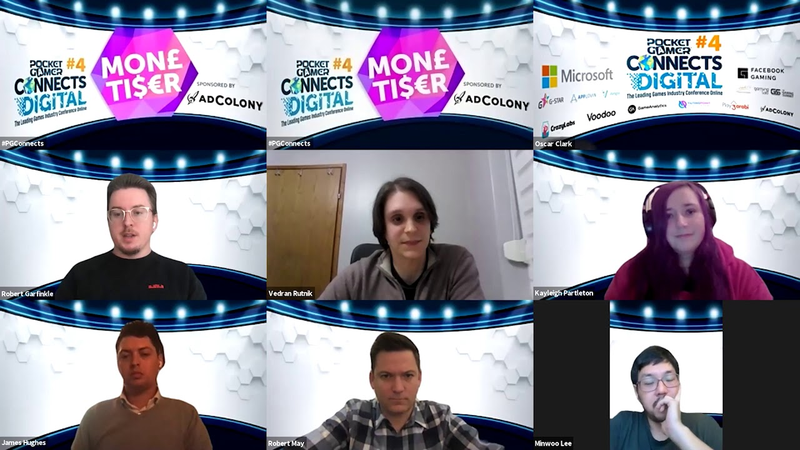
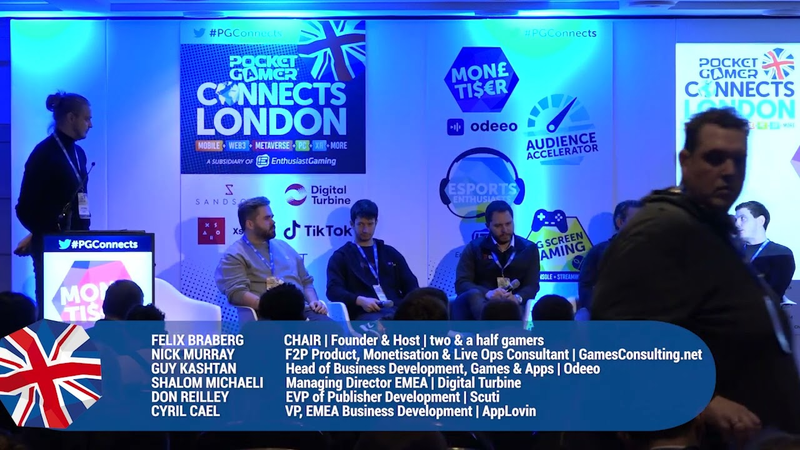
Panel: Alternative ways to Monetise Your Games
Key insights
6 takeaways- 01The industry is shifting away from intrusive display advertising toward models based on player motivation, such as competitive ambition, social interaction, and time management.
- 02The removal of identifiers like IDFA has necessitated a move toward audience segmentation based on player drivers rather than traditional programmatic targeting.
- 03Monetization strategies must be tailored to the game type, with hyper-casual titles focusing on native-style ad integrations that maintain the core gameplay loop.
- 04Sustainable monetization now requires a multi-faceted approach that integrates in-app purchases, battle passes, and subscriptions alongside non-invasive ad formats.
- 05Developers can improve long-term value by offering non-intrusive monetization options, such as ad-removal purchases, to align revenue goals with player satisfaction.
- 06Repeat usage is the primary key performance indicator for assessing long-term game health, superseding short-term revenue gains.
Ask AI about this video
Transcript
okay so next up uh we're going to go to our last panel for today uh which is going to be looking at alternative ways to monetize your games uh we have with us a whole bunch of fascinating people starting off with kaylee from pg biz we've also got robert um from seller network we've got uh veteran from fifos we've got minwoo from uh do dreams we've got james from fibre and we've got robert from unity so uh you know you'll be glad to know that i'm not moderating this one so i'm gonna get uh i'm gonna hand over to kay kaylee over to you thanks oscar all right hi everyone i'm kaley i am the staff writer for
pocketgamer.biz so um kick panel off if we could let everyone introduce themselves so tell us your name company and a bit of what you do if we start with um robert g yeah robert garfinkel um i am the user acquisition director at seller network it's a real money gaming platform in prior roles i did both uh user acquisition and monetization for uh mid core and strategy games for nexon netmarble elex i've been in the industry for since about 2013. cool and vitran uh hi uh hello hello everybody it's a pleasure to be here uh yeah i'm a marketing manager at feza's game studio from croatia we are making games for our clients and publish our own titles and our biggest project so far is a
crosswise uh story-driven crossword game that's in the later stage of development and yeah we are pretty excited about the soft launch and stuff and yeah that's for the intro cool and james hi everyone i'm james hughes i'm the vice president of supply at fiber i joined fiber roughly seven months ago after almost 10 years at millennial media which then turned into aol and then verizon media i won't go through the whole story but i've been in ad tech for about 10 years always on the supply side working closely with publishers to drive maximum revenue through display monetization cool and robert may yeah hi robert may here um i work at unity where on a service called the unity distribution portal where i helped developers to connect to alternate app stores using that's free service and prior to unity i worked at several ad networks also on the supply side mostly uh
in ad monetization in app at both performance based ad networks and also 100 brand ad based ad network and finally mainly hey nice to meet you my name is minori and i'm working as a head of product at dual dreams it's a independent finnish studio in finland and before i joined here i used to work at ea and ubisoft and rubio as a head of design and creative director and here i'm mostly overseeing all the product portfolio and strategy and also the monetization and engagement thank you great thanks guys um i'd like to get um things started with what are the current big methods of monetization at glance i'm happy to jump in i mean i think pretty open-ended question right so you know if you're looking at what you know fiber and companies like fiber are
focused on you know there's still a very large amount of display advertising that is uh being driven by by in-app studios whether that be banners and full-screen interstitials rewarded video has become obviously a huge revenue generator for many of the major gaming publishers that are out there i think over the last few years you've seen a shift into this more casual and hyper casual world where uh display monetization really lends itself a lot better to that versus maybe some of the uh different verticals where in-app purchases and offer wall and just you know upfront payments work a little bit better and so obviously those are two the ones that dominate and i think you start to see new types of monetization that are being driven almost on a daily basis new innovation that's coming out daily whether it be audio ads and how audio ads play not only into audio vertical but how it can play into the gaming vertical or into others and that's becoming a larger push as audio becomes a larger push with
podcasts and companies like spotify and pandora growing so rapidly um yeah i mean outside of that i think you know there's everyone's experimenting but those are probably the core you know forms of monetization that have been around for a while and probably aren't going anywhere anytime soon uh that's a really good insight i wanna i would like to also add just one more kind of trend and everyone knows about the better place so over the past years we are really relying on the gotcha and the monetization but then we found that it's all about the players motivation because nowadays players regardless they are casual players or mid-core players or hardcore players the players play the game because of their motivation and inspirational goal and even the hyper casual users and the developers try to get those meta games and the players long-term engagement because players see what would be the very tangible you know the benefit and value creation in the game and they are willing to pay for that uh in a purchase or watching ad if there's no such aspiration or goal or
no motivation then they wouldn't do that so that's what this one founding behaviorally they are paying that they are really focusing on that they're willing to pay that so because of that we recently think about you know the many small studios in in finland we recently started to think about what is the player's goal and motivation and how to deliver that and we are still trying to look at a player's journey which is starting from day 0 to day 1825 days which is five years of the lab service so it's all about the aspiration and the questioning and the motivation from short term to midterm to wrong time so that what is the timing and you know kind of value that they see the kind of durable investment on their monetization and items and things like that but those are just like a small findings last few years that we are trying to achieve and deliver those value to the players cool anybody else got anything to add just to dovetail on the motivation note um switching into real money gaming where there's a head-to-head component
that the motivation is very clear on that and i find that this space has a lot of potential for innovation since it is kind of off to the side from the regular iap uh ecosystem and i find i think that that you know having the players play against each other in this sort of like esportsy head-to-head mentality is is going to be a visit that we see expanded in the next few years as well that's that's very interesting because uh i was a creative director a few years ago at ea and my title was actually simcity building and after two to three years of the live service we tried to find out what would be the next experience we can monetize and also deliver some kind of really exciting value to the users and as we all know that simcity we saw today is a simulation game and thurs you just are all the all the fanboy or all the players from the original sim city building but that was kind of half true and up
not true because there are a lot of new mobile users who really want to also compete each other so instead of delivering some more simulation or crafting materials and new content we actually developed for one year about competitive game mode which is a clan war and we thought that there should be some kind of competitive motivation and this kind of you know the desire to progress and compete within the clan so clan versus clan and by delivering the crafted material so the result was quite interesting because we found that not all the simcity beauty players wanted to play clever but there are certain percentages of players would like to play and would like to spend their money to you know easily and quickly get those resources to compete with other clients so again i so what what i'm talking about this is all about again the motivation and even one game there are a lot of different players and demographics and the segment so not only one like motivation and there's multiple motivations it's very
important to catch what would be the motivation we deliver those tangible values and monetize on top of that kind of segments but that's one learning i have done in a few years ago it's very interesting okay cool so if we um take a look at ad monetization it's a long established form of advertising in mobile but how has this form of monetization changed in the last few years maybe i can take on this well we came to the point where a large number of gamers understand why ads are necessary and they are willing to consume them if it brings some value in return right and this this trend is growing and well-known case is germany where in the last three years we have about 40 percent increase in the number of players who would rather watch us than pay for a
game i think that's a significant data to to consider in this case but i think the the biggest change comes with uh personalization uh if you read studies for example from facebook audience network you'll see that players like ads that are useful that are interesting and that are relevant and this means there's a high demand for well targeted ads and with all these machine learning tools segmentation in-app bidding and so on i believe we are on the right path to to to creating a situation where everyone wins and to slowly remove this uh bad stigma from ads that attack you from everywhere right so if you can if you can provide quality content and tailor your ad strategy right then players will be happy to consume ads in order to be able to play your awesome game for free
yeah i think i think i think what john said is is completely accurate and you're seeing more and more of the ability to target you know be accessible to everybody as opposed to just you know the majors of google and facebook where i feel like uh that's a big shift that we're starting to see away from more of the black box world where you're not really sure what's going on behind the walls to more of a transparent world and i think that's what speaking from the advertiser's side neces not necessarily the publisher side that's what they're looking for they want to know what audiences they're buying they want to know you know at what price they're buying them at you know we're looking you're seeing measurement companies explode and um when you're looking at like the omsdk and ias and moat and what they've been able to do to bring more confidence i think to the to the buyers that they can buy in the mobile ecosystem all these things have always been not always but they've been there for desktop and mobile web and so they're very comfortable in buying in those mediums because they've been doing it for so long when i first got into mobile it was
a lot of the same buyers buying over and over and over again it was a lot of performance and i think brands were a little bit nervous to buy mobile one because they didn't get it two it was still new and three it was predominantly gaming which it still is today and i don't think that's a problem i think what's what's happening is that brands are recognizing that the same person that reads the new york times or you know reads a major publication is the same person that's playing a game on the subway on the way to work in the morning and so they're becoming more comfortable with the fact that they can find their audience that they're looking to target everywhere and not just in certain forms and not focused on verticals but more focused on you know the actual audience i say device id but obviously that's in or advertising ids which will become a little bit more difficult to utilize as we move forward and so it'll be interesting to see the innovative ways that different companies come up with how to solve for that but at least the last two years where we've seen things change i think is just a confidence specifically buying in-app inventory which has been exciting to say
yeah just as a kind of aside here looking ahead a little bit on this question i do see a bit of an iceberg for for the the ad monetization ecosystem with idfa getting removed a lot of the programmatic stuff is going to have to kind of redesign itself facebook raised a gigantic red sort of flag in when i ios 14 was looking like it was going to just remove the idfa right away and and with all of that i wonder how the the overall ecosystem is going to to deal with price uh inconsistency or or not not relevant ads being served to people which is very likely to happen for for a long period of time following any sort of like massive disruption to the fundamental data layer to build on that you know so i think we're all like in agreement that ads have been pretty much embraced by players and that that's not really controversial anymore it's been very well embraced especially rewarded video i think something that's really
interesting is to look at line studios they recently introduced a game called ancient battle which has hyper casual elements but it also has iap in it and um and they really push the iap in the game too and so you know i think it's a they're a really smart publisher and i think that they're on to something by trying to find a balance now between not just pure ads but also introducing iap back into the game and how to do that effectively i i think that's a really good example uh i had a chance to chat with some of the hyper casual publishers and companies and all of them really tried to add monet uh some monetization and iap driven features and monetization especially meta games on top of the hypercaster mechanics but then my question was what is the actual value what what is the players uh who would like to really you know willingly pay those iap things instead of watching ads so i don't believe it's just not about adding meta games on
top of the hyper casual mechanic but there should be free to play design uh from the scratch to design those kind of you know very intuitive core gameplay but then also adding meta games and you know long-term engagement features to drive those iap things i just haven't seen yet what would be the successful example of that but what i know is that if you guys remember a few years uh two years ago there was arturo and you know random dice in in south korea you know those kind of very high percentage games but uh merging with the meta games so we call it as a hybrid character we can say so those kind of examples are always very interesting and i'm pretty sure they are not only relying on the ad monetization but also heavily on the iap monetization as well so those are the very interesting examples i think okay so if we was to move on to listening instead of watching so audio ads they are fresher and less less invasive to monetize users as they can continue to play without stopping to
watch a video how could games utilize this method yeah i think that games are uh basically the perfect ground uh for audio ads because we can be very very uh creative with this we can have i don't know special areas spots or characters that will trigger these ads and thus make them fit the game content so they don't just pop up from nowhere and we can also make progress bars for add rewards that start to fill up at the moment the audio ad starts to play and in this way we put the player's focus on rewards instead of the ad stealing their whole attention like it is with video ads and i believe this way we can make it
into really satisfying experience for a user at first but i think the key to that is that it needs to be rewarded it needs to be you know called upon by the user because you can easily ruin the user experience if you just start throwing you know audio ads in there and i get i work you know i work at a net network and a lot of the partners i work with the feedback we get specifically with rewarded video or with standard video ads is when they're not auto muted it's a major issue because people aren't expecting the ad so you have to make sure they're expecting it because if you're on the subway you're in a classroom you're at work and that audio ad goes off it's not it's not going to be a great look so understanding exactly when and where they you know they fit in is extremely important but i agree that i think if intertwined into a game the right way you could have someone completely continue playing a level while actually feeding an ad to them while they're playing the game so never disrupting them playing the actual gaming not having to take them out of the gameplay and still you know rewarding them with something while generating
revenue and being able to keep your product free which you know is the end goal so uh it'll be interesting to see how uh i think we'll start to see more of this over the next couple years and different ways that companies experiment with it i think it could be a really good tool if used the right way i think it's very likely that this type of ad could could be a gateway for brand into mobile which is a i think a great goal to have but i see there could be major challenges with any performance-based advertisers in attribution it seems like this is very likely to have major challenges on that front okay so um leading on from that what are some other examples of non-invasive monetization methods well i'd say you know one example of non-invasive monetization would be you know for example you know my company's service the unity distribution portal makes it easier to get onto alternate
app stores right and so if you've got a game it's already monetizing well rather than thinking about okay how can i put in some more ad sdks or crank up you know that they're not purchase revenues how about just expanding the distribution for for for the game and so um so the udp service uh gets developers to access over a billion uh mau and these are like users that in some cases like with huawei they have new phones that don't even have google play on it so these are entirely new players that are that you can tap into um and um and in just new markets as well so i think that's one thing to think about it's not just like how do i get more ads in my game or get more in-app purchase out of the game but how do i just expand the reach and do it in a way that makes it easier okay so um having discussed various monetization methodologies what are the advantages and the drawbacks to ads in-app purchases and real money
gaming i can kind of like start with this one's because i have some experience on on all three um you know with ads and with ie you're really um you're paying a bit more in a to the third party uh in this case it would be apple or google or to the mediation provider or and and so there's a bit more of like a cut that kind of gets taken out in that capacity than in real money gaming but real money gaming is a little bit more fringe there's a little bit less established partners on this in the space there's very few platforms to to utilize we're building a platform now there's a couple of other platforms um ours is uniquely built off of blockchain so it's meant to be built for kind of like an esports uh you know record of the history um the the real sort of like uh up upside to well the real downside to monetization is all monetization
is disruptive to to like the user's gameplay experience there's not really like a way to make it fit exactly in because nobody ever really wants to pay so you have to really like minwoo said focus in on motivations of players and appeal to them in a in a pretty specific way for this reason rewarded video because it it's congruent with user motivation is a very strong one whereas interstitial tends to be kind of disruptive and cause churn in my experience another product that probably doesn't get as much love as it used to because it's been kind of deprecated on the ios side but um you know in fiber we have an offer wall product and it works well and we're seeing it adopted by more android developers because it allows you to do a very pretty non-intrusive um opportunity to monetize right you can direct a player to that offer wall and it off it acts as if you're pushing an iap without having to come out of pocket right it's asking you to complete
a survey it's asking you to complete you know some type of call to action in return for a currency whether that be a software hard currency and we've seen very innovative ways of being able to take an offer wall maybe have multiple offer walls within the app but again very non-intrusive it's not forcing the user to go that route to be able to generate currency but it's another way in which you can drive revenue in a way that's not throwing an ad in front of somebody and taking away from the game play the user can kind of find that wall outside of what their standard kind of you know game is grab that currency and move on so we've seen a lot of success with that granted uh it lends itself to one operating system much better than it does the other i just want to add i think interstitial gets a bad bad reputation but when used correctly it can really it can be quite fun like think about among us for example you know after you played you know six or eight minutes you get
this ad skippable what is a five second inskipable interstitial and i i i i almost welcome it because like it supports the developers you know they need to make their money and it's not intrusive at all so you just got to think about the right time and place for that ad unit yeah as i say one thing the one thing i feel is that i don't get to choose when commercials are shown to me when i'm watching television right and so i feel like it's a very similar type of use case without being nearly as intrusive right it's usually it's one ad five second skip you move on as opposed to a two-minute commercial spot where i'm trying to get back to whatever i was watching and you know i think users are kind of used to that just because of the way they live their daily lives but i i agree with you that it does get a bad rep for something that really isn't all that intrusive okay so um battle passes um they are becoming a more popular way to monetize in the long term um what is it that makes them so
effective and which games do battle passes work well for i think earlier i just described this briefly why battle pass is very popular and it's going to be very more even more popular is because it's all about so players really want to see the really concrete value on their investment and the best better tests usually double up or triple up their value significantly so if you are really right segment and the right players for that type of game whatever you are making and then better has always given you even more values and even more you know the the multiplier of what you are spending so there is a usually there is a normal pass and premium pass like a banter pass and better pass always give you more exclusive content and things like that so it fulfills all the three very basic behavioral motivation of human motivation like i want to be the best i want to be very unique and i want to be recognizable so all those kind of you know the social and competitiveness
and also uniqueness but those though the better paths all fulfill this kind of three motivations and that's one of the reason i think it's going to be even more popular and this region i think on top of the battle packs maybe subscription model could be even more popular because nowadays even the casual players or hyper casual players recognize the the value of the battle pass if the game is the right game and the better pass and the placement is in the right timing so i see all the potential of these battery packs and things like that and normally if you play midi core games and you see more common battery packs and subscribe okay but i i believe that there are there will be more and more casual games after passing also even higher casualty better tests in the near future so that's kind of my also mission at the moment i usually i largely view the battle pass at this point is more of a tool for retention and driving like you know your loyal user retention over a longer period of time than than it is really in
like a new user conversion tool it is something that is getting more and more accepted by the bulk of of users um so you know it is a a good people recognize the value of investment but what the real design motivation for it is is you can keep the paying users engaged with the content for a longer period of time and that is what it's really effective for that's great point it's like like a refreshment it's not all just one of better paths you know from the scratch but every extra amount of time the light bulbs actually refresh the better past contention the scheme and the system so the the the players will feel that it is always refreshed over time so they are not get bored and they are willing to you know do this again and again and again in order to see and feel that i i am playing the live game and everything is live and you know everything is very fresh and you know fulfilled my desire and motivation over and over again and again so having um having said that and you
know why why they work and why they're going to continue to grow in popularity what types of games can't um utilize the battle pass method that well at this point i've never seen it done well for hyper casual yeah go ahead yeah i will i was going to say the same thing yeah hyper casual definitely but maybe it it maybe there is some room for it uh maybe you can utilize this concept and make it into some vip subscriptions something right but yeah i believe that you need to think about these things uh early in the early stages of development because we see developers uh thinking about monetization
in almost when the game is all already almost done and just they do their research to see what are the popular monetization models and then they somehow are experiencing that that these models doesn't work for them so monetization models need to make some kind of a organic unity with the game content to work right yeah i i think hyper casual games their d1 and very short term retention is good but then as we have seen uh uh v4d7 or d14 onwards the the numbers are going down and in order to utilize better pass or premium pass or subscription mode you need a you need a region to progress the player should feel that i am i i really desire to progress the content or
games or or you know whatever system and hyper casual games yet haven't had those kind of deeper meta games or engagement so it's very difficult to buy buy in you know those kind of better plus concept so i think many developers already realize it and i know that many developers try to deliver more uh desire to progress and tangible value and durable investment on their players journey so that even the hypercarrier game would be able to get you know try those better paths but the condition should be something that there should be some kind of you know fulfillment and feeling that i wanna i really wanna progress i desire to progress instead of you know just pay some you know money to to to optimize your kind of things because there's no such a deeper economy in the most of the hyper casualty but i still think there's a room to improve and innovate this monetization methodology even in the hyper-casual world in my opinion i agree
okay so if if we take a look at um player spending what um content do players actually want to spend money on well as as minwoo had kind of talked about that anything that puts you in direct competition with others and improves your uniqueness relative to like the the other people that can be seen um social elements tend to drive a lot of monetization uh there's kind of a lot of monetization triggers that center around this sort of like tender garden sort of mentality the the people want to to grow and build their own little you know digital presence and they will spend for these sorts of things um by and large people also are you know i think what i'm beating here is the drum of competition that's people really don't go in for um pvp player versus player
yeah i think that's all true and it's all right list uh i would like to only add two on top of that so one is we all know that time management so time is money in the free to play game so everything about the efficient time management as an item or skipper that would be a really good monetization methodology skill and on top of that reward double or triple something like not only just skip the time but i can get another d like a buy one get one kind of things by watching ad or paying small amount of soft currency or hard currency is still very very efficient monetization methodology so i would like to add those two on top of what you just said um so is it better to give a game a purchase price or keep it free to play in order to monetize with additional content which method um works better i think there's no reason to really pigeonhole yourself into one or the other i think what i've found works really well for most publishers is
you know monetize i think it's been proven that the majority of users are more than likely not willing to pay for a game they're okay digesting some some sort of ad experience in return for being able to play the game for free but you're going to have that percentage of users that don't want the ad experience so give them the opportunity to have the version of the game without the ad experience offer a 99 cent ad free remove all ads type option i think if you have users that want to move in that direction they will and then you'll make you know guaranteed revenue off of them versus you know what may not be guaranteed going kind of standard ad monetization route but i think the best case that i've seen it used is given an app purchase whatever that price wants to be remove ads and if you have users that want to move in that direction you can do it i've also seen really innovative ways of publishers that when a user makes an in-app purchase they move to remove all the ads right so now it's not really offering you know the 99 cent ad free version it's we're going to give you this reward in terms of removing ads
from the game if we see that you're a heavy in-app purchase buyer right so those are more sophisticated publishers that can have that user level data to understand who's making purchases and who's not but make sure you're not inundating your user with ads if you have if you have users that want to spend money take the ads away from them if you have the ability to do that it's going to make for a better user experience in the end and you're gonna generate revenue regardless yeah i think you're you're exactly right about that but even in that circumstance that the apps that you're talking about here they're they're showing up in the free apps section they're just monetized to remove the ads right um i think the question if i'm understanding it more is like is there a reason to put a price on your app specifically and i think that unless you're porting a game over from another platform uh you know like uh like steam or or from xbox or something else i don't really think that that it makes sense to make a paid game
for discoverability alone you'll have very few downloads relative to if you had a free game uh maybe as much as less than a tenth um and so you know if you're going to become an uh a sort of uh organic success or if you think that you're like a plague inc type game or something like this it's very possible to um to go the paid app route but even you know if you look at like among us the recent kind of sleeper hit on mobile it was free to play on steam it was paid and they they did that very well they split that that difference um in in the end in the alternative app store space i from my experience i've seen that you can really hamper your distribution opportunities and so our service is connected with nine stores and just two of them support pay to download games and i think that also has something to do with the fact that there's lower interest and paid to download games especially in asia i think that's just
something to take into account i mean and i think robert you really nailed it too that if you have a paid today handle game really you need that marketing power of it being a hit you know on console or something like that to really be able to get that distribution of adoption right um with um premium titles is monetization in a premium too much should um should players have to keep paying for content after they've bought a game it's counter expectational to user like the user kind of users that pay for games generally don't want to be sold dlc and they'll call it dlc because that's what it's called on other platforms but there are cases where i think it's acceptable like i played carcassonne it's a board game um on my phone sometimes and there's dlc that are paid in in there and i think that that's that's type of thing is kind of acceptable but it has to be meaningful value-add at that point it can't
it has to be growing the content depth in order for it to be justified for a paid game i think i think one challenge is like i remember as a kid i'm gonna date myself here but like when like mario 2 was coming out the game was about 60 or so right and now i have a child the same age and when i buy him a new nintendo game it's the same price right and so you think these the developers need to find ways to make more money if they're keeping these these these this course is more console related but you know if the price is the same you got to make some more money so i i definitely support um paying for you know especially like dlc content as long as it's you know fun and rewarding right so that was it for um for my questions before we take any from the audience is there anything else you guys wanted to cover can i jump in on that last one yeah so on that last one there's actually
some really interesting experiences we've had with um the the pay upfront and paying game there was an activision game um based on pitfall that was uh out i think 2014 so quite a long time ago and we saw a direct relationship between the amount of money they had paid up front and the impact it had on on spend this wasn't the only example but i think it was like 1.99 to to buy it and then there were in-game items and basically you saw a 2x on the upfront price on what people were willing to spend of the small proportion of people who were willing to spend more in the game so what it seems happens in pay up front games is it caps people's willingness to spend in the game similar game very different but similar game had no upfront payment the amount of money that people were spending on average was significantly greater than 199 up front so you have to be really careful about expectation i think i think robert made this point again maybe you know both of roberts having made this point it's all about what player expectation
is and setting up that desire that motivation is actually key to all of these things whether it's about the placement of advertising whether it's about the the structure of of in-app purchases there's so much stuff that you can you can cover that it just comes down to do you love your players enough to give them something they want um so there are loads of questions and i don't want to uh randomly kelly because you've done a great job um but it'd be interesting to see if um the guys have got any um thoughts on some of these questions so for example um i suspect this one has been raised by somebody from uh our worry just i don't know what gave me the hint but uh the tone of the question is all about uh how excited this particular format is but brandon avery are offering a non-intrusive apparently uh thumbnail ad at the end of a screen is that kind of a new format useful is that is that new even is it what do you what do we think about sort of new attempts to create innovation like
that does anyone have any thoughts on that um robert do you ever thought on that james no i guess i'm not familiar with it so i don't want to comment on something i'm not too familiar with but it seems like it's like an overlay interstitial so i'm trying to sound a bit like that but we're trying to visualize kind of what that kind of format looks like it doesn't seem like it's too different than what has been around and what's out there i mean obviously i think the one comment i would say and i would say this to anybody who's monetizing is never pigeonhole yourself to using one one ad network or one media or one um absolutely your network right so the opportunity to keep your fill rates high and make sure you're maximizing revenue globally depending on where your audiences are you know you don't have to work with 100 ad networks but you definitely want to work with a handful to ensure you're maximizing that revenue so that's my one comment i'd make on that i think there is a possibility of something interesting there i think the idea that you actually don't take over
the whole screen and you're still providing that is something that's a slight variation it's like a hybrid between a banner ad and an institutional ad but less intrusive i would potentially argue one of the issues i always had with banner ads is that i think it was a study i forgot who did it now uh that something like 40 of banner ads were either fraudulent or accidental which doesn't seem to me like the best experience however you know having a new value way of looking at it and brief i think maybe this is the point i'm trying to make is i think you know by constantly thinking about what the experience is like but trying to do it from the point of view of the player for me feels like the way to deal with these things yeah that's the key i'm kind of glad you said that just because when i hear the word you know thumbnail ad i kind of hear something that looks like an icon that users are supposed to click on and that makes me think that it's going to drive a lot of accidental clicks yeah um which is you know as you just kind of mentioned a major draw driver of things like ad fraud
and you know issues so not to mention user sentiment you know you don't want to be like sending somebody out of the app when they weren't expecting it and i have seen some really interesting uses of cross promotion where people have put the actual icon of the other game within the frame of of the the screen and that i think is really smart provided you're communicating that that's all it is yeah exactly so to that point the one thing i do want to mention is it's funny i feel like native advertising has become this you know commonality word that we all use in the industry and i've never really seen true native come to the to the forefront yet and i think it's almost there when i say true native it's like if i'm playing a racing game and the track has ads that you know are kind of built into the track like that is to my mind native as opposed to just a glorified banner ad which i think is what native has become recently oh don't get me started i've been so annoyed about that language for so long i have a problem at the moment where
people are using location to describe vr when location means gps but then i'm old and i realize that slang changes and definitions change as we go along so i just have to suck it up but to that point i think it's an interesting one it's because you know playable ads so i have a visceral reaction against playable ads i delete the game because that just annoys me but they make lots of money so again this is the i think maybe the question that really the last question we've got time for um which is how do we how often do we look back at the ltv impact rather than the roast impact you know the return advertising spend impact uh or the return on investment impact how much of us are spending time looking at the longer term the sort of 60-day 90-day impact of putting in ads as opposed to the upfront commercial benefit is anyone looking at that i mean uh bedram minwood you guys have a thought on that
uh i'm i'm more thinking about creatives nowadays for the for the ad or you know i mean yeah i have seen those i have been playing also i like the playing ad i mean it's i i like it it's very creative sometimes but it's all about you know the user values like if if that is the right type of ad for the users or the their the right segmentation and they are willing to download it so i think so we are looking at ltv like 90 days for example uh as a as a normal you know kind of common way but then uh i think it's much big it is becoming much shorter time we need to add you know all those intel you know those kind of things not like 10 seconds or 14 seconds but maybe even three seconds or five seconds we have to deliver very creative things to the users immediately and within three to four four seconds we have to convert them into the games or in a gaming store so that's kind of what my one view so it doesn't matter what type of ad like
playable ad or you know uh you know those uh thumbnail ad but it's all about the creatives nowadays the how how fast and who you know how fast the ads can hook those potential players and make them download the games or other other you know applications so i'm more thinking about the creatives and and 90 days ltv want to be a good like uh kpi to track yeah no exactly i actually i'm i'm always my favorite kpi for anything monetization is repeat use yeah and i think that to me is the is the benchmark the gold standard not because i'm not interested in how much money you make or the ultimate of course i am but if i know someone's repeat using ads or or in-app purchases i must have done something right because it must be good enough for them to actually have a good experience and if there is then my chances of getting more revenue significantly increase at least that's my experience anyway i agreed cool on that note unless
anyone's any final comments and kelly obviously feel free to sort of jump in um i'm do you any kind of a last word you want to say oh just um thank you to all you guys for joining the panel it was great to host you and thank you to the audience for watching as well that's that's great thanks kate a great panel great for everybody and well perfectly managed should we say let's put it that way really superb stuff and just so you know the pog gamer actually happens to have a series of masterclass events going on which i've posted in the chat um and of course i'm biased because i'm running the one on game monetization design uh on uh i think it's on the 2nd of december so if anyone's interested in finding out more about that then uh feel free to check out eventbrite or podcast biz
you
Summary
Modern game monetization is undergoing a fundamental shift away from traditional, intrusive display advertising toward models rooted in player motivation, aspiration, and long-term engagement. The industry is increasingly prioritizing user-centric experiences where players willingly engage with rewarded video and personalized content because they perceive tangible value. While the removal of identifiers like IDFA has complicated programmatic targeting, the core strategy for sustainable growth now relies on segmenting audiences by their specific drivers, such as competitive ambition, social interaction, or the desire for efficient time management.
A balanced, multi-faceted approach is essential for long-term profitability, as reliance on a single revenue stream is no longer sufficient. Successful titles integrate in-app purchases, battle passes, and subscription models alongside non-invasive ad formats like audio placements. While these strategies are highly effective for games with significant progression depth, they must be tailored to the specific mechanics of the title. For hyper-casual games, the focus remains on discoverability and creative, native-style ad integrations that respect the player’s journey rather than disrupting the core gameplay loop.
Ultimately, the industry is moving toward a model that prioritizes long-term player value over immediate, short-term gains. High-quality ad creatives that hook users quickly are vital, but repeat usage remains the gold standard key performance indicator for assessing the health of a game. By offering non-intrusive options like ad-removal purchases and focusing on consistent, high-quality engagement, developers can foster a more sustainable ecosystem. This evolution reflects a broader commitment to aligning monetization strategies with player expectations, ensuring that profitability is achieved through user satisfaction rather than aggressive or fraudulent tactics.




















Comments