1 free read left. Create a free account for unlimited reading + AI research.
Create free accountArticle Bryter
1 free read left. Create a free account for unlimited reading + AI research.
Create free accountArticleBryter
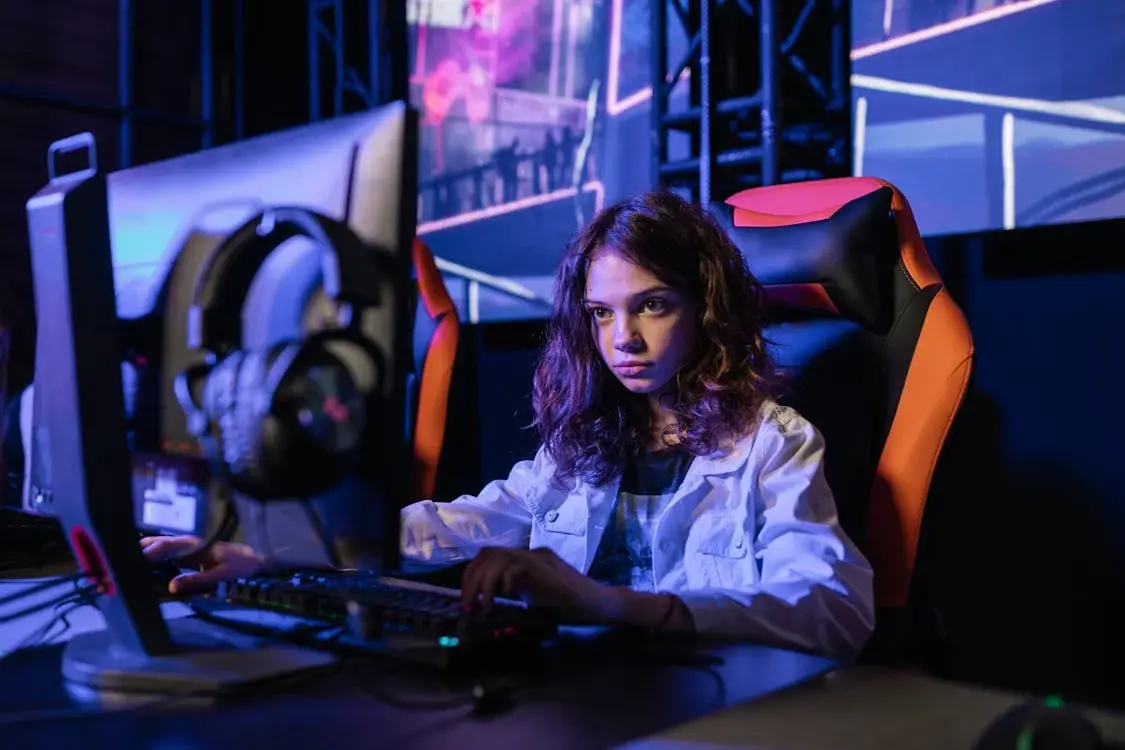
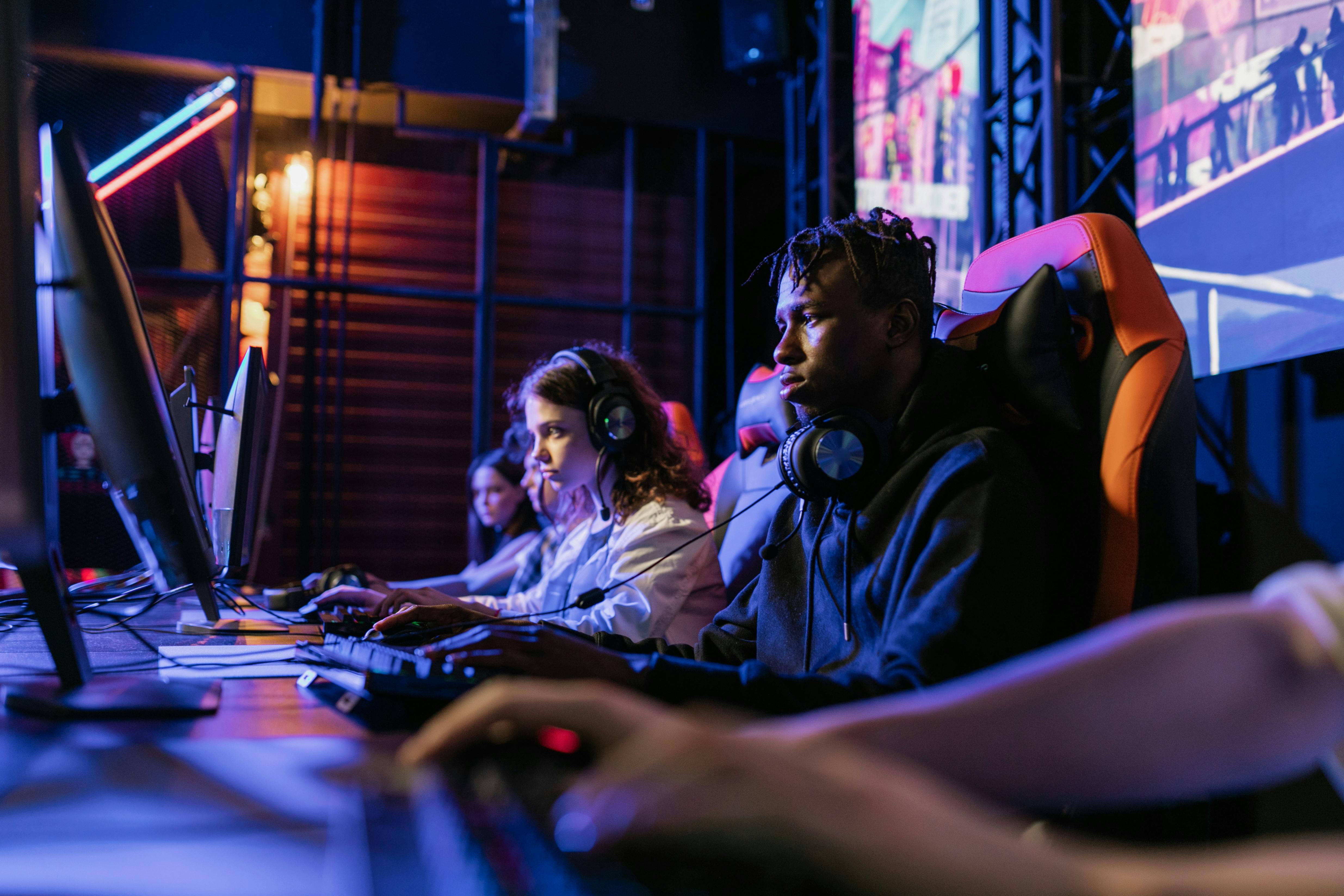
Over 80% of surveyed US PC gamers reported an increase in total time spent gaming. A similar proportion noted longer individual gaming sessions.
The gaming industry experienced a significant surge in engagement and revenue during the COVID-19 lockdown, as consumers sought virtual alternatives to in-person social interaction. The primary thesis suggests that gaming served as a vital social outlet, with older demographics—specifically those aged 35–40—increasingly adopting social gaming behaviors to mitigate the isolation caused by pandemic-related restrictions.
Methodologically, the analysis is based on an online survey of 1,200 US-based PC gamers aged 18–40, conducted in June 2020. The data reveals that over 80% of respondents increased their total gaming time and session lengths during the lockdown. Financial investment in the sector was also notable: more than half of the participants purchased new PC games, 45% spent money on in-game content, and one-third subscribed to new gaming services or acquired new hardware. These purchasing trends were particularly prevalent among older age groups, who possessed greater disposable income to invest in enhancing their gaming experiences.
The findings highlight a shift toward collaborative and social gaming, a trend that presents new commercial opportunities for developers and publishers. While the pandemic accelerated the adoption of virtual social spaces, the long-term persistence of these behaviors remains an open question. The industry’s ability to retain these older, newly socialized gamers will depend on whether they continue to value virtual interaction or revert to solitary gaming habits once traditional social outlets become fully available. Ultimately, the data underscores the role of gaming as both a recreational hobby and a critical tool for maintaining social connectivity and mental well-being during periods of restricted movement.



Bryter · 2026
Bryter · 2026
Bryter · 2026
Bryter · 2026
Bryter · 2026

Bryter · 2025
Bryter · 2025

Bryter · 2024
Bryter · 2024
Bryter · 2024
Bryter · 2023
Bryter · 2023
Naavik · 2026