1 free read left. Create a free account for unlimited reading + AI research.
Create free accountReport Neogames Finland
1 free read left. Create a free account for unlimited reading + AI research.
Create free accountReportNeogames Finland
The play-to-earn sector's growth is heavily driven by venture capital investment.
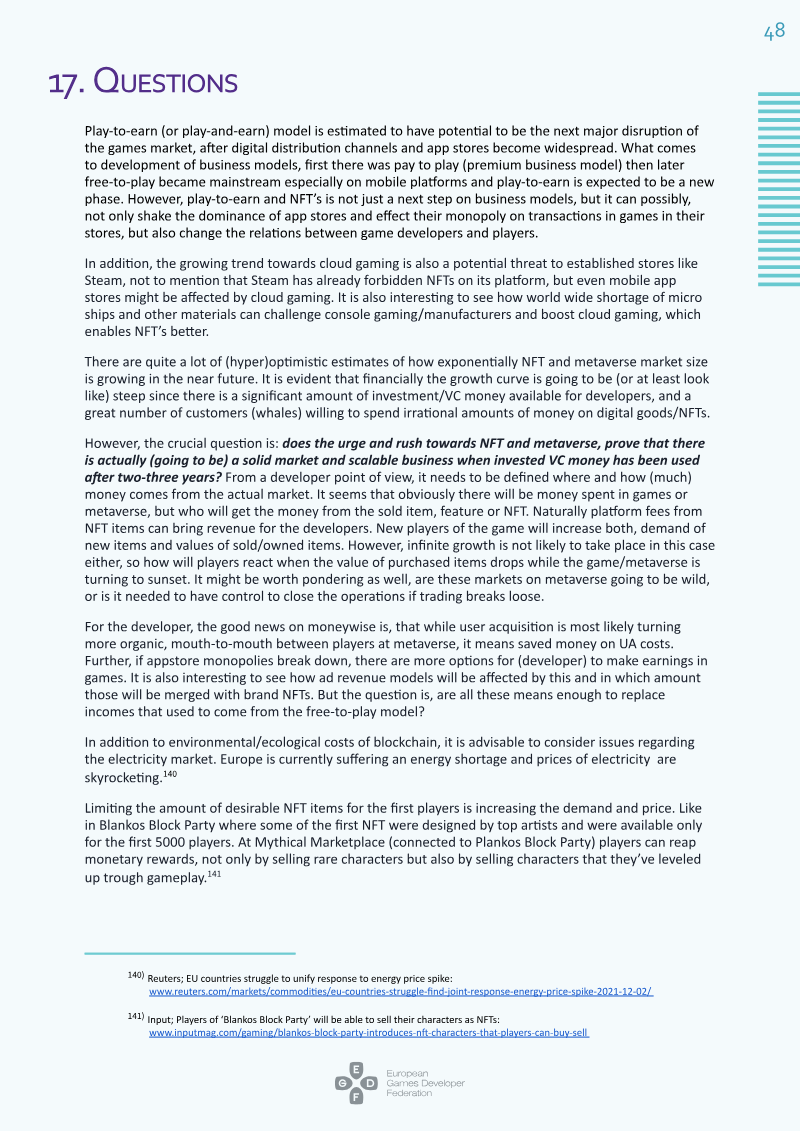
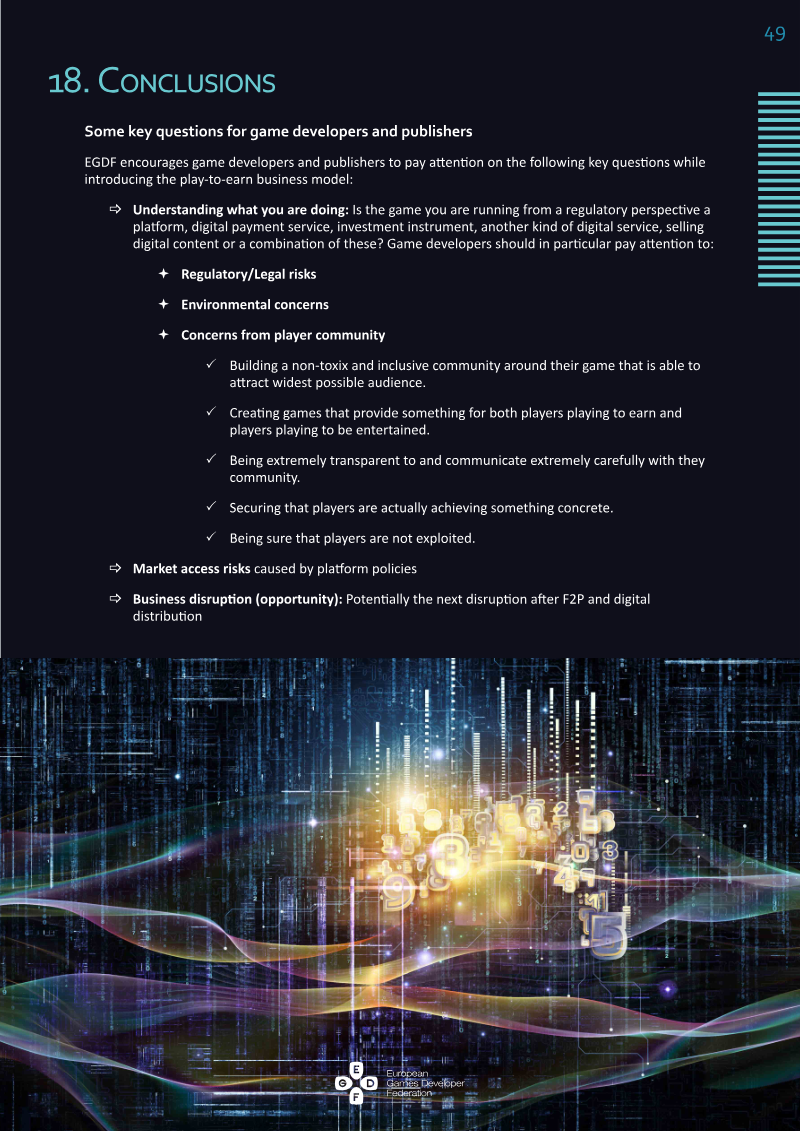
The play-to-earn business model represents a transformative shift in the gaming industry, leveraging blockchain technology and non-fungible tokens to facilitate decentralized ownership and new revenue streams. By enabling players to hold verifiable digital assets that function across interoperable virtual environments, this model seeks to disrupt traditional, centralized gaming paradigms. However, the long-term viability of this sector remains contingent upon a transition from speculative financial mechanics toward a focus on high-quality artistic content and engaging gameplay.
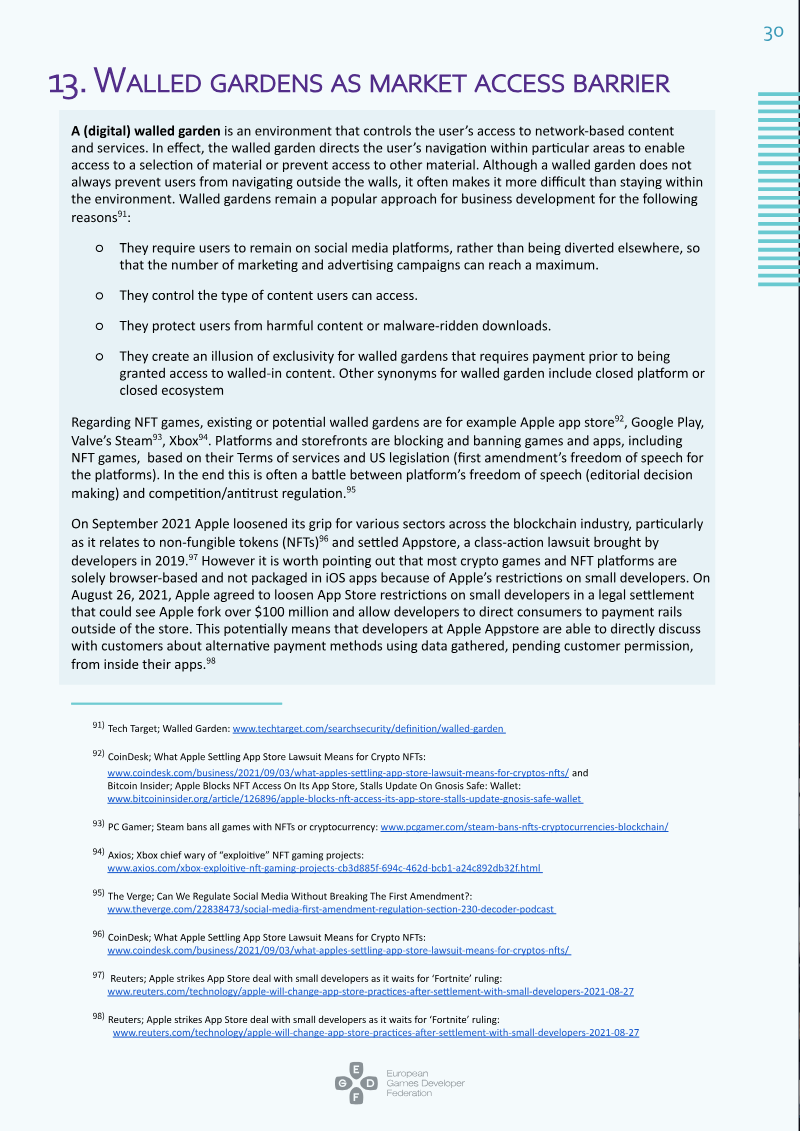
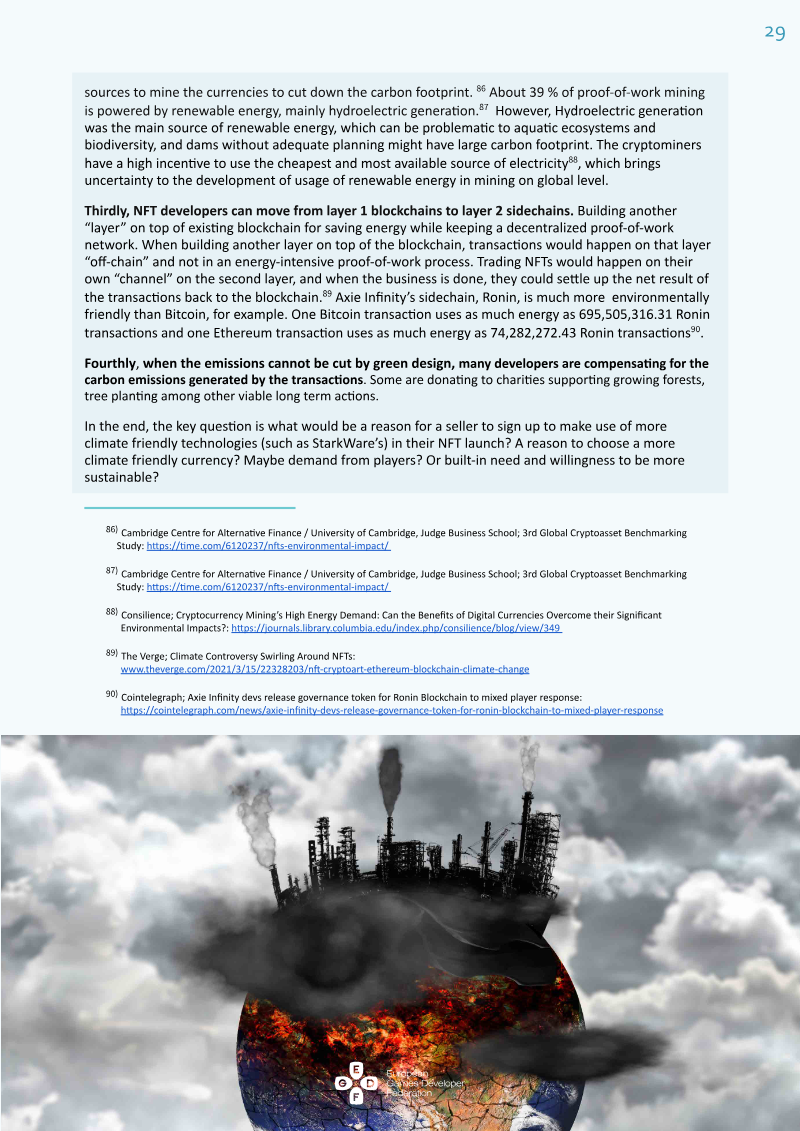
The current landscape is defined by significant venture capital interest, particularly in metaverse infrastructure and NFT-based asset integration. Despite this investment, the industry faces substantial headwinds, including environmental concerns regarding energy consumption, restrictive platform policies from major gatekeepers like Apple and Steam, and a volatile market driven by social trends rather than intrinsic asset value. Developers are increasingly adopting greener consensus mechanisms and layer-two solutions to address sustainability issues and improve operational efficiency.
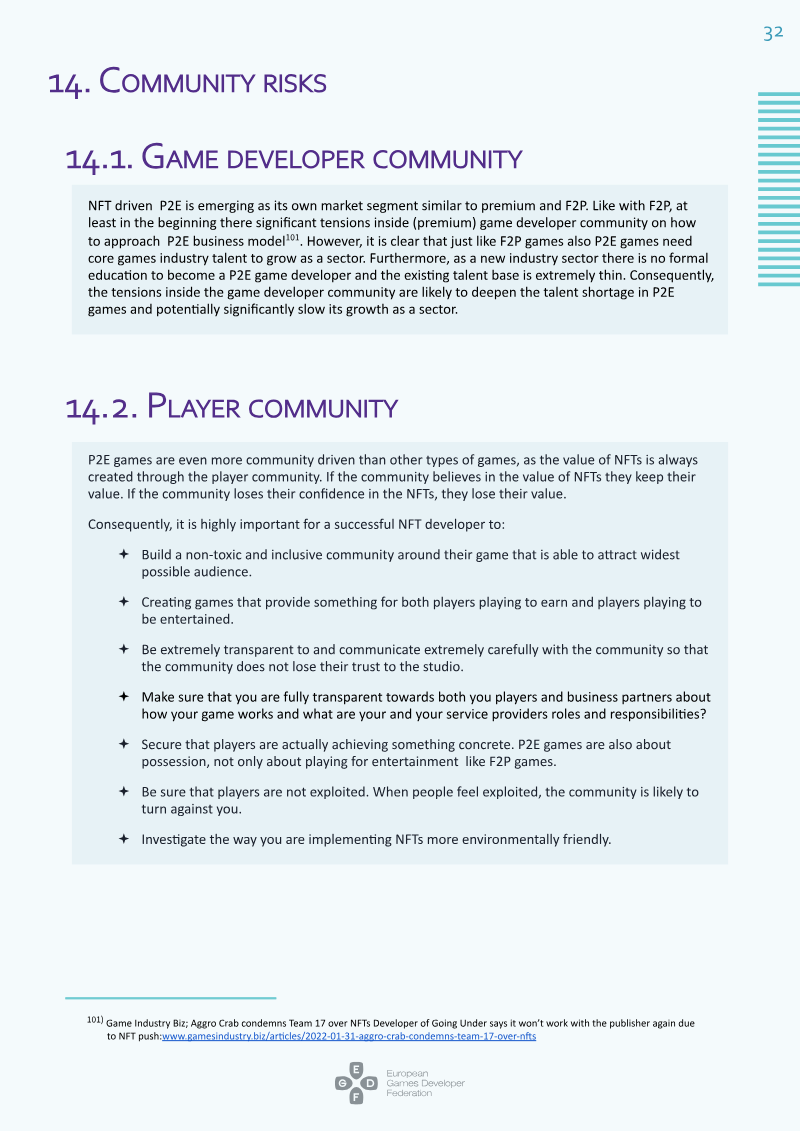
Geographically focused on the Finnish gaming sector while addressing global market dynamics, the industry must navigate a fragmented and evolving regulatory environment. Compliance challenges regarding anti-money laundering directives, data protection, and potential reclassification as gambling pose significant risks to developers. Success in this space requires a commitment to transparency, robust legal compliance, and inclusive community management. Ultimately, the sector must overcome perceptions of exploitation and market overhype to establish itself as a legitimate, sustainable component of the broader digital entertainment economy.
Video Games Europe · 2026
European Games Developer Federation · 2026
Neogames Finland · 2026
European Games Developer Federation · 2025
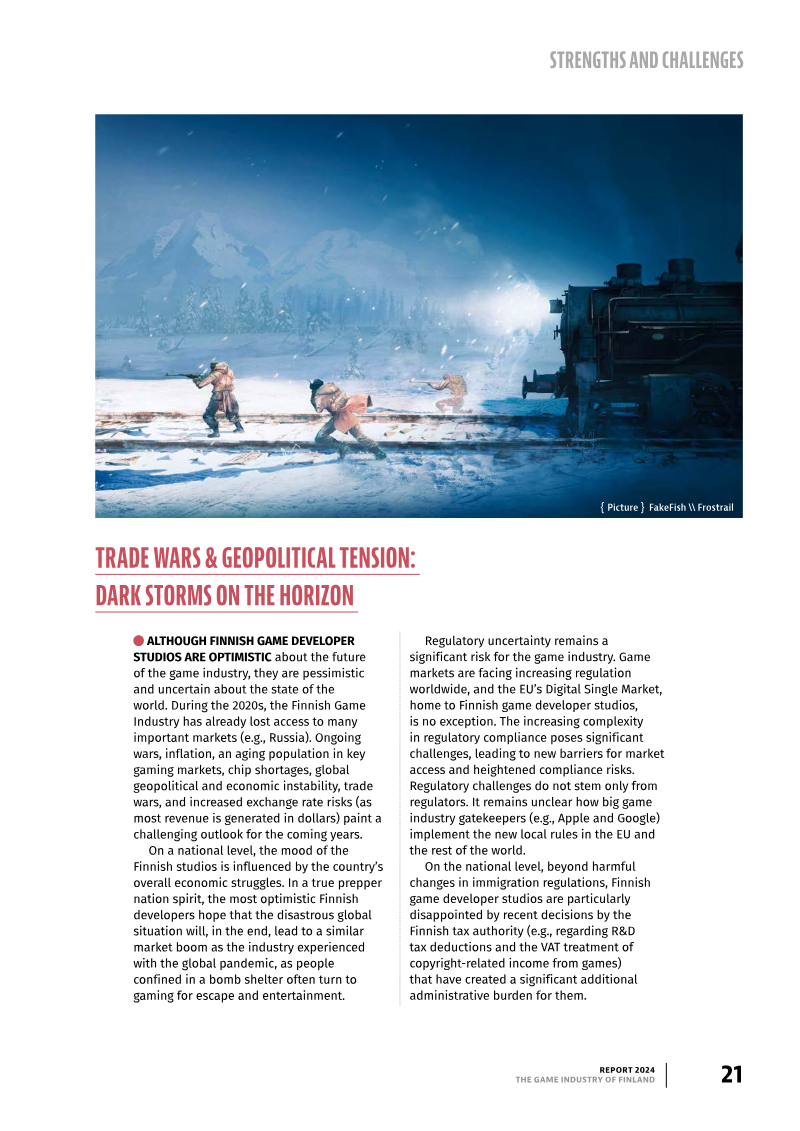
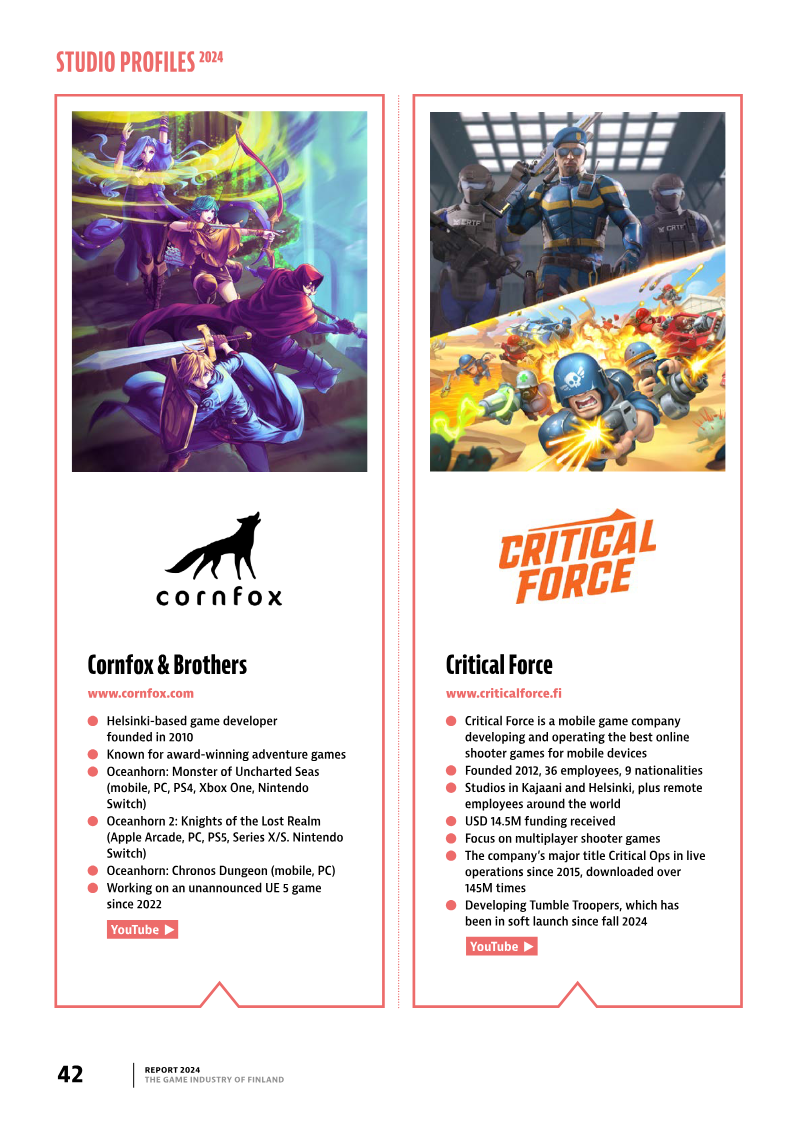
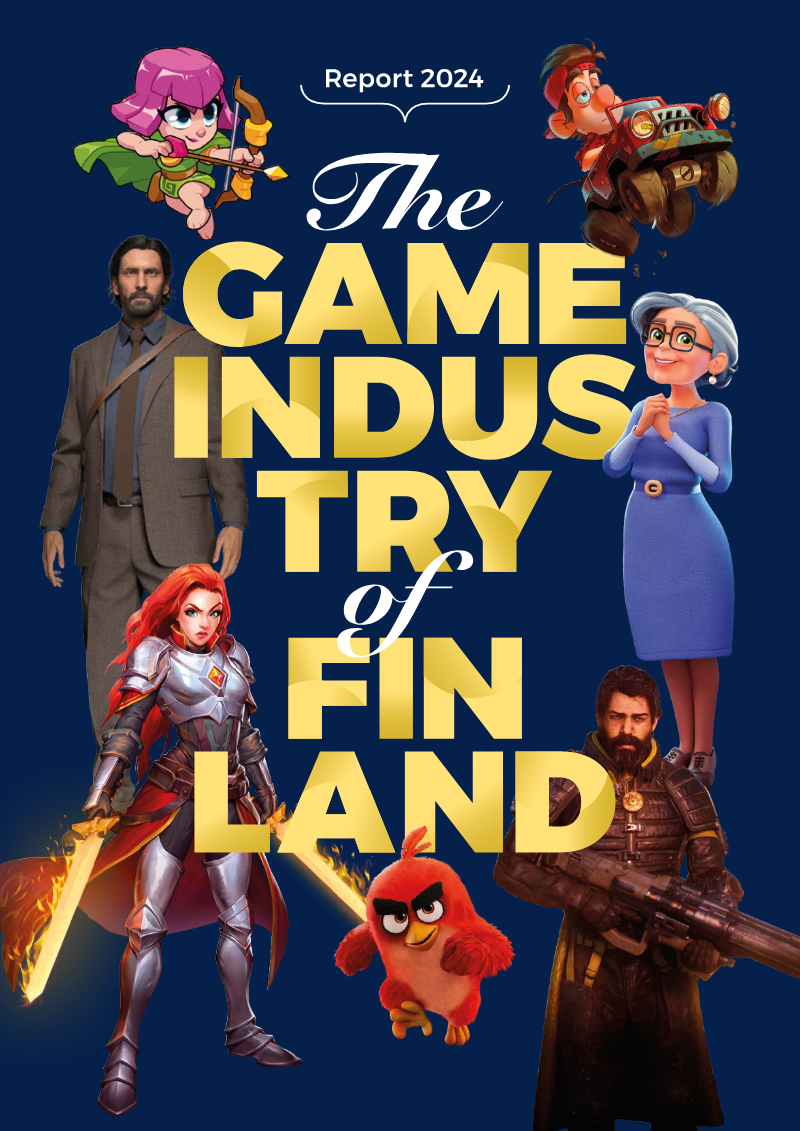
Neogames Finland · 2025
European Games Developer Federation · 2025
European Games Developer Federation · 2025
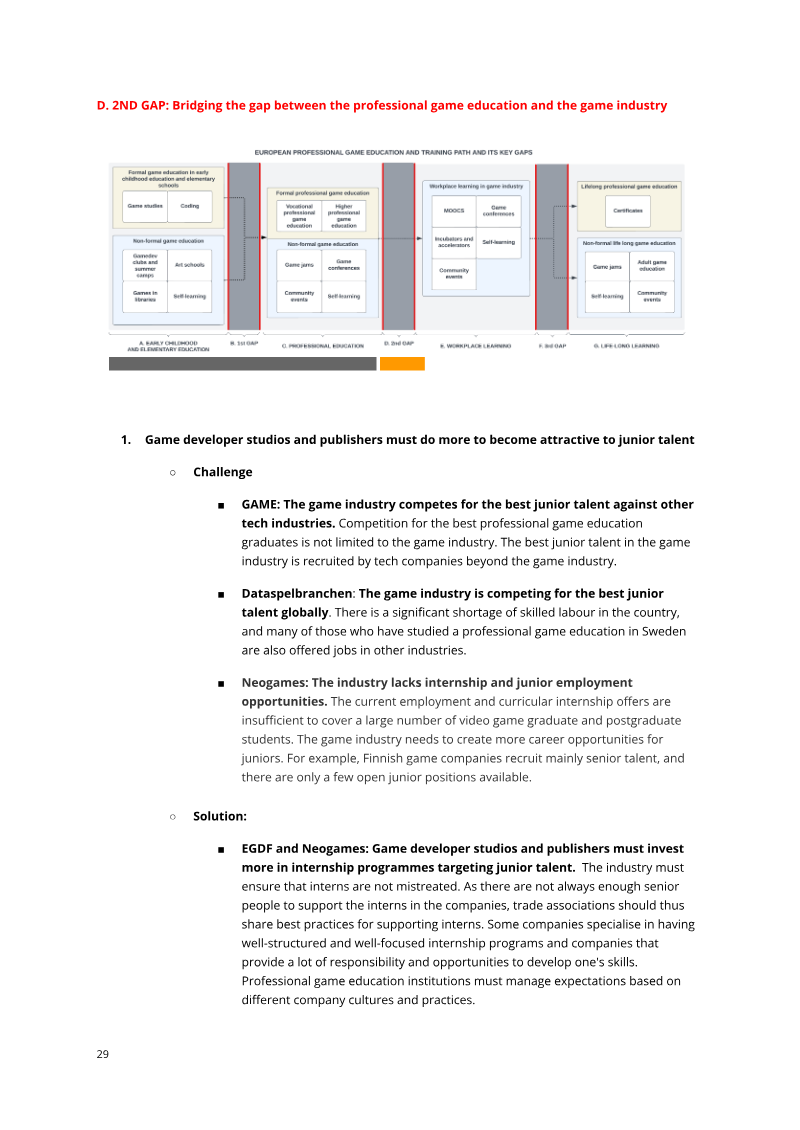
European Games Developer Federation · 2024
Neogames Finland · 2024

European Games Developer Federation · 2024
European Games Developer Federation · 2024
European Games Developer Federation · 2024
PocketGamer.biz · 2023