1 free read left. Create a free account for unlimited reading + AI research.
Create free account
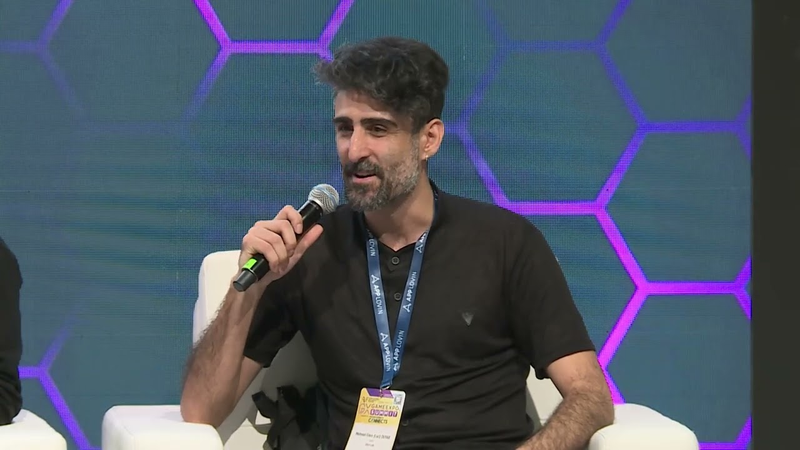
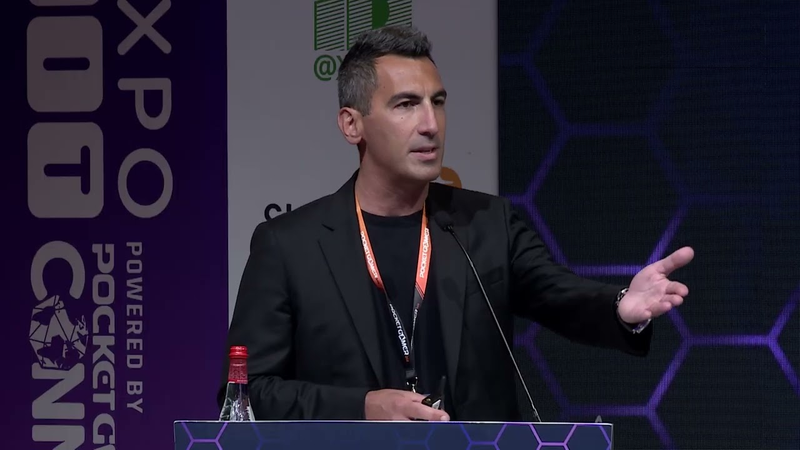
Panel: How NFTs are Revolutionizing Gaming: A deep Dive Into the Future of Play
Key insights
5 takeaways- 01The industry is pivoting toward utility-based NFTs and brand partnerships, exemplified by The Sandbox, to align with SEC and CMA regulatory expectations and avoid the classification of digital assets as securities.
- 02Developers are moving away from speculative tokenomics, focusing instead on long-term entertainment value to mitigate risks associated with market volatility and infrastructure limitations.
- 03Web3 gaming is shifting from speculative, asset-heavy models toward sustainable, experience-driven ecosystems where blockchain mechanics function as seamless, background features.
- 04To achieve mass adoption, developers must prioritize high-quality gameplay and intuitive interfaces that mirror traditional gaming, eliminating the technical friction of complex wallet setups.
- 05Blockchain gaming activity is currently concentrated in Southeast Asia and Brazil, where the technology serves as a tool for supplemental income and educational engagement.
Ask AI about this video
Transcript
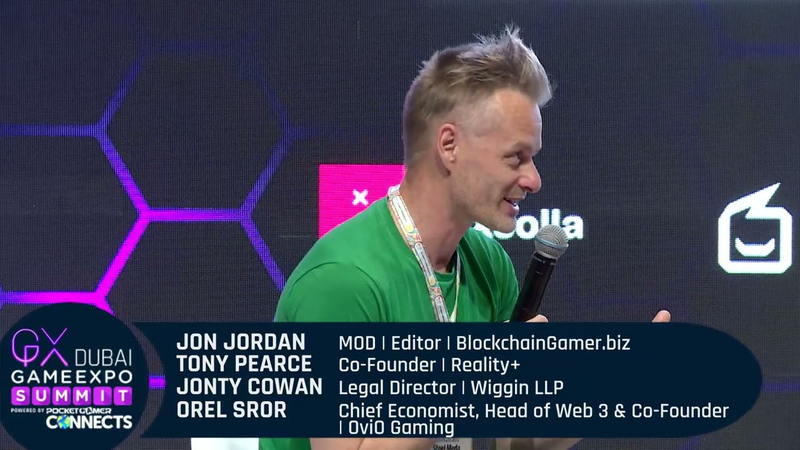
Last Action of the day well done everyone for making it through um we won't do 40 minutes but we'll do we'll do we'll do some um so uh technically the title of the panel is how nfts are revolutionizing gaming a deep dive into the future of play I don't think we need to necessarily restrict ourselves to that so we can sort of talk about what we want to um but um shall we stop it yeah excuse me um okay let's start um oral do you want to introduce yourself and talk a bit about what you're what you're doing in the space um my name is one of the co-founders of ovio and what we've built is a way to make web 3 games much more available for
the traditional Gamers to to interact with um so when you come to over you just play games you don't know if it's a web 3 game if it's a web 2 game what kind of a game it is and that's it very simple um wait I'm John T um video games lawyer being in the industry for over 15 years uh 13 of which were at EA um now a law firm we have clients who you know of all shapes and sizes and all types of game including nft web 3 games um and when I was at EA I was involved in some of their initial projects trying to get into the nft space you never saw the light of day for various reasons but certainly an interesting experience there's an interesting of record discussion about how close EA got to some blockchain games but we won't have that on on this on this panel yes I think people would be surprised how close they did get very close I'm sure not just EA I'm sure similar
conversations were being had anyway hello hello hello my name is Tony nice to meet you thank you [Laughter] um I run a company called realityplus that focus on web3 games starting in 2017 um we now work with Worldwide Brands including the BBC ITV FIFA Tour de France and um we're banging it out the park okay um you have to switch the mic on it works Tony so we've got some general questions but I thought um within the the Realms of professionalism um that jonty can probably thinks he can and can't say in terms of you know you're not giving legal advice to people you'll always always say that sort of stuff but but I think it is it is interesting given that stuff around SEC and
um uh what's sort of roughly about Securities or that's part of specific cases about specific companies but but just in general might be a good opportunity um for you to talk a little bit about sort of where where do you think we are in sort of the framework of digital assets and the law obviously it's different in different countries um you know do you is the situation getting better is it getting worse you know what sort of headline stuff um could you sort of uh you know because because we all have opinions on stuff but we are not trained in law so our opinions might be right might not be but it's the stuff you say we can treat a bit more seriously um I don't think anybody I think law is all about gray areas you know that's where we come in um I think so my personal take on nfts and you know this space is I mean you said yourself it's assays I think if you are selling a digital asset using an nft you know whether you own the rights in that digital asset or not that's true whether you're using an nft to sell that asset or not because you
know I'm not a techie um but at nft at the end of the day is and I know I'm very much simplifying it but it's a method of selling that asset um so yes you've got all of the issues around are they Securities or Commodities Etc which the SEC are looking into at the moment um very interesting space it's you know the law is trying to catch up with all of this but I think that's that's a constant challenge in the games industry um in all my 15 years I mean I've I've you know that's one of the reasons why I like being a video games lawyer is actually it pushes the boundaries and it challenges you know it challenges the norm um it's true of AI as well at the moment you know everybody's scrambling trying to catch up a bit um so that's you know that's going to take a high level I don't know if I've answered your question but is it and I think it's interesting as well we've had you know similar things around come up Greg front row similar things similar things are
I'm sure this came up here you know sort of about gacha legislation which you know in Belgium has been banned for like five years now you know I mean any sort of people are going well is some people are like this is definitely gambling and some people like well we should make we should change our gambling laws because it is gambling which is very similar to like these are security laws and we're going to change our laws to make this thing it isn't doesn't obviously seem like a security you know I mean yeah the law is always busy games games monetization and yeah law is always a bit of a gray area I think I think the games industry has had a very lucky position um for a long time the games industry is largely self-regulated and I think the loot box kerfuffle is almost the beginnings of regulators starting to look at the games industry as the industry gets bigger regulated to definitely starting to look at um games industry a lot more I was on a panel previously with a ex-head of the CMA the competition and markets Authority in the UK and he was painting the games
industry out to be just evil and they're there to you know steal money from kids Etc and I think the it's an interesting time because all of these new things I think it gives them the opportunity to come in and try and regulate that could be challenging for the industry given what they're used to I think the other side of it though is that The Regulators don't really understand the space and I mean even did a lot I did football licensing at EA when we were negotiating deals with um sports leagues then they didn't understand nfts and so you know the various aspects we were looking at and it was quite challenging on that side but then you've got Regulators who really don't understand it and I think you know that's where they need to consult with industry Etc and I think sort of I'll just go on this legal thing for a bit but I think it is interesting that I think the other thing that's happening is maybe on the outside we sort of see people like the SEC and
and the CMA as slow maybe sometimes we see them as being slightly more powerful than they actually are so so they can obviously they have the sort of legal rights to sort of rewrite laws or give guidance or something like that but that doesn't doesn't mean that stuff comes through I guess in the UK the CMA doesn't really blockchain but you know basically said said uh you know Microsoft can't buy Activision Blizzard and so everyone else in the world has gone can the UK really stop that I mean they've made themselves look a little bit silly but I'm not saying I don't know about that case but you know they've made themselves they're they're tall poppy in that field where everyone else in the world has sort of said yes the Americans are thinking about it the UK's the audience have said no no you can't do that I could talk to you for a long time about the CMA and I think there's various political reasons why they're trying to uh the CMA are getting a lot more power at the moment they've come under a lot of criticism where they allowed things like Facebook or meta to purchase Instagram and other companies and I think there's a bit of a reaction to that they're being given more power
and they're trying to exercise it the reality in my opinion is if you speak to a lot of the people in the games industry most of the people don't care about Activision getting acquired by Microsoft um interestingly with the SEC I'm not an American Securities lawyer but I was talking to one very recently and I was talking to them about the Securities issue and his advice don't with the SEC and that was it so yeah interesting take you're desperately I come from the traditional financing system I used to work as a investment banker I used to work in The Exchange in the Stock Exchange Market so I kind of understand the why the SEC is looking at blockchain and crypto the same way but I think they are missing the whole idea you are not the web 3 games or blockchain games do not
care about the blockchain they do not care about the anonymity the things that the Security and Exchange committee is trying to eliminate um because they try to regulate and Gamers just trying to or willing to do whatever it takes to to play great games so if you're a game developer if and you want to uh comply with all the the rules and the legislations that the SEC is required of you then just create a great game and in the rest will follow because but it's not quite that easy I mean it's that is the SEC regulates tokens if it was like a security because you raise funds using those security those tokens so if you would raise funds using let's say Equity like every normal company does then you could still create your own web free game and publish it on the United States you don't care the about the anonymity and that aspect
I mean I mean I guess to be fair if if you look at the trajectory of crypto in general since sort of 2021 you know the SEC and people like that while they well they may be sort of um regulatory sort of creep and they've been these organizations have power so they feel they have to use it you know fundamentally what they are trying to do is that it's sort of you know is there to protect consumers you know from Bad agents uh it's a sort of fundamentally that's what these organizations exist for so that's not a bad thing the fact that we think they might be using their power in a slightly dubious way in this at this sort of current situation where because a lot of the bad the politics you forget the politics yeah yeah it's everything is run on politics especially in the United States I think they are missing the 2023 train um but it would be inevitable for them to to acknowledge acknowledge that like what three here is here to stay with me and you must regulate it and I think 2024 would be a game changer for the
United States because um [Music] they they realize that they are missing the Train the United States and the United Kingdom in Asia they're all figured out they're trying to regulate everything and the United States will follow they have no choice I think a d thing in terms of Regulation around nfts Etc I think so my opinion on the nft landscape so far obviously we had the big bubble that burst and I think there are a lot of nfts that were being sold you know for obscene amounts of money and people thought they were going to get rich quick that's why you've got the SEC looking at a game well is it an investment my personal opinion is that going forwards I think actually nfts will become more of a utility within a game and I think from what I do understand about the SEC and how they test stuff I actually think as we move I believe we're going to move away from that investment style nft to a utility style nft I think actually the SEC will
realize that actually no the the nfts we're going to see in games don't need regulating in that way obviously there are lots of different nfts around the world you've got Dapper Labs I think it is who are being investigated at the moment around their Collectibles it's a moment from a game and that is where their concern is um but to say I think the use in games that I foresee I don't think it will get caught no and I think you know the interesting thing is the industry was sort of already moving away from those what we might now consider sort of sharp practices which may have been outright scams or may have just been so everyone else is doing it why wouldn't I do it I think a lot of the industry has moved you know people aren't doing icos now but if they don't work and partly because it's seen as you know wrong and and clearly now people are launching games without tokens and then adding tokens in or launching their in-app Marketplace using stable coins and then we'll get the you know we'll build up the economy see how it works and then we can launch a utility coin and a lot of the tokenomics now is very much about
this is this is purely designed to be a utility we are locking some aspects of it down that we wouldn't have done before you know the price might be volatile up and down because it's a it's you know it's on the marketplace but but clearly there's no reason for this to be a speculative asset in the way that that we've seen in the past so you know I think maybe maybe the the uh yeah the hopefully the um we're sort of the regulation is sort of sort of rubber stamping some of the stuff we've as an industry sort of sort of dealt with hopefully um but still still quite painful anyway okay let's move on from law a little bit Tony Pierce has been remarkably quiet um so so um so in your talk it's sort of interesting you're guys doing a whole bunch of different stuff but quite a lot now your focus on the sandbox so sandbox we've known Sebastian and and um Arthur is Arthur isn't it Arthur um for a long time in the in the mobile game Space now in in the web 3 space taking them a long time to build that situation up but as someone who sort of you know knows them
well and is now building in there how do you see that because I think you know I've always been very interested in the sandbox as a you know it's my first metaverse it's sort of you know it it has that sort of slight cuteness it's not trying to be like well I'm a metaverse but it has some of those elements it has you know Minecraft on the blockchain is it more than just you you get some IP and stick it in there and see what happens you know can you see it being a bit of a I think what the sandbox have done better than anyone else and I'm not saying the sandbox is going to win at all um I think they've attracted the the better Brands to go and buy land and I look at these things as a theme park you know why would I go to thought Park as opposed to Chessington because thought Parts got better rides Disneyland as opposed to Universal because Disneyland's got better rights I I and I and I think the sandbox will have because of the IP that's bought land will have better applications and experiences for people to use now whether they turn out to be
good experiences that's down to companies like us right to make them fun and to attract people in and to stay and engage and and that's how we earn money by selling nfts in in the experiences like Thunderbirds um in the in the sandbox now we're also talking to decentraland and I think there was one point I think all the web 3 metaverses got together and went let's make this whole thing interoperable and we were talking to decentraland the other week about if you bought um something in the sandbox how easy is it to take it into decentraland and actually it's because they're completely different Graphics right you couldn't be more opposite right and yet but they're both web three so it is possible but the but the it wouldn't it will it will look completely different and we'll know it will go sandbox to decentraland and it will look not as nice as if you were directly in decentraland but you can't do decentral answer sandbox which I didn't know until
the other week and that's decentral and telling us so that interoperability is still not there but I think that's way off anyway but back to your point I think um uh it's down to developers to make the um experience fun they've got the right Brands we're here to help them out on that and you know it's still not even open right this is the thing it's it's it officially opens in Q4 this year so we're we're only seeing um uh the the things that we've built open up for two week experiments basically so the sandbox basically go right you've got two weeks we're gonna advertise you on the website and then we'll close it down and they're getting all their data and the bugs and the feedback from that and Thunderbirds had 21 000 in uh people go into Tracy Island and that was the best of the ten that they promoted so there's an ideal of numbers it is Tiny in the scale of games right but they were engaged they stayed there for for over an hour though that was the best figure that came out so once you're in it and you're walking
around and and it's fun people were there for you know an hour and that's a long time in it in you know in a day so so I you know who knows I've honestly I I anyone that puts money on which one's gonna win out I don't know but I I'm I think the sandbox has a has a better future after after that hour did they go back to it again um yeah they're returning users yeah because you I mean the data's actually really good what you can get from the sandbox so returning users new users how many entities were sold and we had we did make revenue from it wasn't a lot but that you know we did make sales I don't know if you saw the video but we had a um uh lady Penelope's uh car um you saw it quickly anyway that was a one of one nft for five thousand and that sold yeah so there's obviously a massive Thunderbirds fan that wanted it so so there are sales there right um it just you know piece of art yeah it's not fit to the masses this is um I think
that's that's the Gap that's need to be closed or need to be gap between the traditional gaming uh atmosphere or ecosystem and the web3 ecosystem the web 3 kind of became a closed ecosystem for the reach I'm sorry to say that those who have who were first to obtain those nfts or obtain those tokens and the rest of us remain outside and just swear you know it's a Ponzi you know it's a bubble let's wait for that to explode like now and still we don't see the masses jump into the web 3 atmosphere you're talking about metaverse or talking about talking about metaverse because I don't know what some metaverse is I'm talking about the games games Okay um so so the so I'm a I come from traditional video games I'm a big fan of bringing big-ip in as opposed to starting from scratch and doing a native game and I have done native games so in fact our first reality Clash our first one three game
was uh wasn't branded it was our own game it's incredibly hard to have a successful native game because you've got to do a lot of marketing and it's got to be a lot of it's just it's just much harder than sticking FIFA on it or Doctor Who on it you know it's you know there's approval processes and the game has to be good but that's going to give me millions of users and and the Doctor Who trading card game um you know we've minted two million guards that's not bad in a small market right so I it's coming it's just not there yet and yeah and I have full belief in the next two or three years there will be a game out there that that is on par with the web 2 game and I kind of like what's happening now with the app stores I kind of like the web 2 web 3 hybrid yeah we've already managed to to to make it seamless what I'm trying to exp maybe to explain or to to to present is that you don't have to develop a game to call it a blockchain game or web free game
what we what I believe is that first of all create a game and use the the blockchain and tokens and the nfts like an add-on so if as like a small percentage of the 3.4 billion players on mobile choose to interact with that that's that should be sufficient and great but you shouldn't be developed for only those users now we don't mention nft or blockchain on any of our products that they they did the trading card and don't tell you one we call it digital Collectibles that you own and by the way you can trade them on this website in our Marketplace and you can buy the packs with PayPal credit cards or crypto right it's still near the wallet right no no you don't have a wall no we don't have any metamask no literally you sign up with a email address password we create you a wallet but you don't know it's the use your account and the nfts sit in your account if you want to export them that's the only time that you would need some kind of blockchain knowledge and and you
export them again withdraw cards and there's a drop down and it goes buy that smart chain ethereum polygon we're about to add Solana and adira you choose the chain you cut and paste your wallet press withdraw it gives you the gas fee you've got to pay for that and off it goes now that because you're choosing different chains I suppose you do have to have some kind of blockchain knowledge and also you must have a wallet so you shouldn't you what I'm trying to say if you have a bank account and you want to buy something you don't have to choose which bank which just I want them to buy it that's it yeah but the reason being is uh you know open C does not support some of the chains so if you wanna if you want to send it to the big marketplaces then you have to support the chain that that Marketplace does but we're checking we are agnostic so um you know I I don't want to force someone down a chain that might you know you might think is bad for the energy consumption and sustainability or or it's too expensive on gasolines that's your choice
um we don't we don't lock you in in that way but that's only if you want to do that right we it's a normal website it's a Marketplace that everyone's familiar with um eBay almost in the way that you use it and and and I think you've got to do that don't confuse you know put any friction up you've lost 90 of your audience so you know just make it simple I mean Earl do you want to talk a bit more about you know what you guys are doing because obviously you know you're you're really a games Discovery platform so so yeah um are you I mean that's what I'm assuming you are so so yeah so why did you launch that business what do you fundamental issue do you think you're solving for the industry though the idea that we are trying to accomplish is is to open the close Garden economies that are currently uh happening in the gaming industry web to web 3 whatever even a web 3 game that allows you to trade tokens it's still a close Garden economy um what ovio does is that we enable the user to play great games discover the games that you love and you don't even
know if it's a web to a web free game that's the whole idea until you choose to interact with the blockchain as you fit to like trade your nfts exchange your tokens and what we're trying to accomplish is that to drive those traditional Gamers to interact with the blockchain and to do the transaction without even knowing that it's a blockchain because when you play games you don't know if it's an Unreal Engine if it's a Unity engine if it's on the back end on the phone you just want to play games so we've managed to eliminate everything on the way and just allow the our Gamers to play great games and make it seamless for them and how do you make money yes our conversion rate is around 70 I think it's 20 times higher than everybody else's but how how do you make money transaction fees on the blockchain itself like every other exchange it's um what we've built is is a non-custodial chain agnostic
wallet which is a feature not the essence what we've built is a hyper not hyper hybrid exchange which is a feature and not the essence the essence is some sort of a Netflix for games a discovery platform for you as a player to interact with those games complete missions have fun web 3 didn't invent play to earn play and get the reward is something that already been available for quite some time and we are just trying to eliminate the whole process of the onboarding into the web 3 aspect and the users just finally you know what I'm have I have an nft I have a token I want to exchange them I can do that without choosing the blockchain without choosing like the technology on which I want to interact so you're effectively running wallets in the in their accounts on on a background wallet no you have your own non-custodial chain agnostic wallet that
you can watch you have the address on but the users have to create that them so yeah when you create a wallet on ovio it's on the Press of a button you choose the six digit code or whatever you want to to lock your wallet and that's it you can use your wallet on vast majority of games mobile PC um it doesn't have to be that complicated to interact with the blockchain uh it could be simple and I think we've managed to do so um and that's it good you have any questions okay yeah hello Greg you if you have questions we'll uh we'll take them yes um I don't want to talk about money I want to talk about user interaction engagement because you
can translate it later into money on the web 2 aspect we've started seven or eight months months ago with three games and now we have 22 and it the onboarding process it's between two seconds if you use one of the mmp's providers apps flyer just and the longest one I think took us one day with the blockchain game to interact the SDK because they were So Into You know like metamask and the other chair it took so much time and the Simplicity was just outstanding for them they were like that's it yeah that's it
so I would like to uh um first argue a point and then follow up with the question um I'm not from the industry at all um but I see gaming um in the near future to have a greater mission for Human Society overall considering AI coming into the workspace um AI eventually will take a significant amount of jobs and we need to keep the people involved into our society in one or another way that's one aspect of gaming in the future what I see and from the other side what I see is the conventional media and entertainment industry is decreasing and moving into gaming based on the upbringing of my generation probably and gen Z is living in another planet even for me already um therefore I think the purpose of creating just a game and a good game and that's it is not is maybe good for now
but in 10 years the mission will be to involve people into society and communication and mainly what I want to where I'm leading my question to is the in-game earnings which I believe is going to be a significant will have played a significant role for society um we've seen something similar in the movie in the movie I think it's player one um it is a great movie but this is how I see the metaverse like Ready Player One beta verse or gaming in one or another way we need to involve society and or maybe even not because of AI we can just speak of continents like Africa where I particularly work in that need those this is the youngest continent on the planet they are the ones that can engage in gaming they need opportunities that they're not giving to them so you need to kind of involve them into this industry how do you see now I'm covering my question how do you see
developing such infrastructure given that those uh nfts or tokenizations are in a very small and close environment and how do you think this could be more broadened into in order to bring in not 100 million people but let's say three billion people that can have a realist real life and a gaming life and make maybe make the living based in the gaming life do you wish first of all the the Africa continent I think is one of the leading places for Webster games I had the chance and the privilege to discuss with a few individuals from Africa that runs highly quality communities this social aspect of Gaming I think it's called Community it comes from bottom-up and because
the living costs in Africa is is is a bit it's cheaper than the rest of the world so I think they do they can use the gaming um as a way to earn extra money as a way to educate the kids to like um incentivize them to reach certain levels certain skills within the educational aspect and use the gaming as a way to um get higher engagement with the with the students I think it was around the 70s when the first test of of paying students with tokens actually created um higher grades with those students because whenever they they reached a class of reached a certain skill within that class they received a token so it's a piece of paper on the 70s it was a piece of paper
so I think you can do the same way in in Africa in any other regions that um that maybe the the living the cost of living is cheaper than the rest of the world you can monetize that better in Africa if that what what you were asking I think anyone else got any views on Africa yeah no yeah I I think they sort of maybe have two separate questions I think the ao1 is interesting because I guess that's that's probably maybe more going to impact the developed world I mean I guess the interesting thing is everyone's like well you know you know AI for the games industry is
like well you maybe don't need somebody code as an artist I mean which are you know very high paid very high school jobs I guess the interesting bit with AI maybe is more into the into the sort of the developed World um the the thing the blockchain and earning I guess the we got a taste of that with axi infinity and I guess I think maybe the one of the problems I mean I'm not absolutely no expert but sort of have an intellectual interest in sort of how that may impact something like Africa as sort of as you frame the question I think the problem I mean Africa is obviously a continent with how many you know is it 40 different 40 different countries and each of them have their own specific sort of problems so so we have to be a little bit careful not to sort of have a sort of blanket view of what Africa is and places obviously Nigeria are very heavily inscripted already so there are aspects where it's already happening I just kind of think in terms of the gaming side it just doesn't there are parts of Africa that are just too underdeveloped that sort of you know game gaming is not is it's good it's
going to be difficult to take to to some of the poorest people who sort of gaming could help with they're just not at a technological level even on whatever mobile devices they've got it's gonna be very hard to do that so actually when you see when you when I talk to blockchain game developers when you're looking at developing countries they're looking much more either in Latin America so Brazil is probably I say the key Market as being a sort of a you know mid-range country with very big population one single language quite good culture um and so there's quite a lot of stuff going on around Brazil and then obviously you have the sort of the the Philippines southeast Asia obviously other view here for the talk there's um while logging on in India now so there's a big big Guild called in the GG um so so those are sort of we I think we are starting to see um the sort of uh people in those in those countries being able to earn some sort of Revenue but I think I think probably one of the one of the things we've got
wrong with axi was the headlines were people in the Philippines are earning double the minimum wage playing this game I mean that's sort of what drove the whole thing and obviously for if you look at the data for about two weeks some of them were but then after two weeks none of them were so I think maybe we want to get out of our heads the fact that people may be earning two or three dollars at that you know a week maybe and for most of us that's meaningless but for some people even that as incremental revenue is is maybe not meaningful but sort of getting to that sort of level so I think it's quite difficult because obviously if you if you try and onboard a billion people into a blockchain game there's no economy is going to allow people to extract a dollar a day um absolutely not let's go but I think maybe in 20 years time you do sort of have that sort of situation where you have a very big sort of game um with a very deep you know trillion trillions of dollars of liquidity into that that very deep sort of gamer roles as people are doing different things um you know possibly that can happen I do think sort of blockchain in general does play into this idea of you know Universal basic income I mean this is
going way off over here somewhere but but if you're going to do that you're not going to do that through bank accounts you're going to do that through computer system so I think gaming does have something to play now but I think that's maybe that's we've got a lot of a lot of things to sort out before we before we get too deep into that those sort of equations it is a good point to think about okay uh I think should we wrap up um just to finish off so we we have one last thing to say each um hopefully through the year uh anything we are interested in or anything we want to highlight for the next six months it could be game could be a law case I don't know could just be whatever any any any any predictions any anything to look out for this year does anyone know why um crypto markets are up 20 today why you know it always says bad news no one knows Mexico here it's been so successful I mean Bitcoins no but this is one of the problems with every crypto is because
we're on 24 the prices are on 24 7. something big something goes up or goes down and we will have to have a reason why so everyone will create a reason always because BlackRock are doing this big this ETF I mean because it happened on the same day I don't want to say that crypto is dead but there's a phrase in the capital markets which it even a dead cat bounce it happens you don't have to find that specific reason because you should look at the bigger Trend currently it's downtrend but there's blood on the streets and I think it's time to start buying the goods things and develop good things yeah and not be scared no I was just interested if anyone because you know knowing what's going to happen in the future now after watch this happen with the SEC and and coinbase and everything is bad news bad news bad news and then suddenly it jumps 20 you're gonna go I how did that happen right I don't want to buy when everybody else is buying you want to buy when everybody else is selling because then
you you would sell no yeah and this is why the SEC are looking at it because that's an investment attitude right yes yeah
Summary
The integration of blockchain technology into the gaming industry is undergoing a fundamental transition from speculative, asset-heavy models toward sustainable, experience-driven ecosystems. The primary thesis posits that for Web3 gaming to achieve mass adoption, developers must prioritize high-quality gameplay and user-friendly interfaces, relegating blockchain mechanics to the background as seamless, optional features. This shift addresses the technical friction and regulatory scrutiny that have previously hindered the sector, moving away from complex wallet setups and speculative tokenomics in favor of intuitive, discovery-based platforms that mirror traditional gaming experiences.
Regulatory bodies, including the SEC and CMA, are increasingly focusing on consumer protection and the classification of digital assets. In response, the industry is pivoting toward utility-based NFTs and high-profile brand partnerships, such as those seen in The Sandbox, to create value through engagement rather than financial speculation. By aligning with these regulatory expectations, developers aim to position digital assets as functional components of a game environment rather than as securities, thereby fostering a more stable and compliant growth trajectory.
Geographically, the impact of blockchain gaming remains varied, with significant activity in Southeast Asia and Brazil. While these regions demonstrate the potential for supplemental income and educational engagement, the industry acknowledges that blockchain gaming is not a universal economic panacea. Market volatility and infrastructure limitations necessitate a cautious, long-term investment perspective. Although the sector may eventually intersect with broader economic frameworks, current efforts are concentrated on overcoming technological hurdles and establishing a foundation built on entertainment value rather than the promise of quick financial returns.