1 free read left. Create a free account for unlimited reading + AI research.
Create free accountReport Neogames Finland
1 free read left. Create a free account for unlimited reading + AI research.
Create free accountReportNeogames Finland
Despite this share, the industry faces a structural trade deficit. This is due to a reliance on foreign distribution platforms and a lack of major publishing conglomerates.
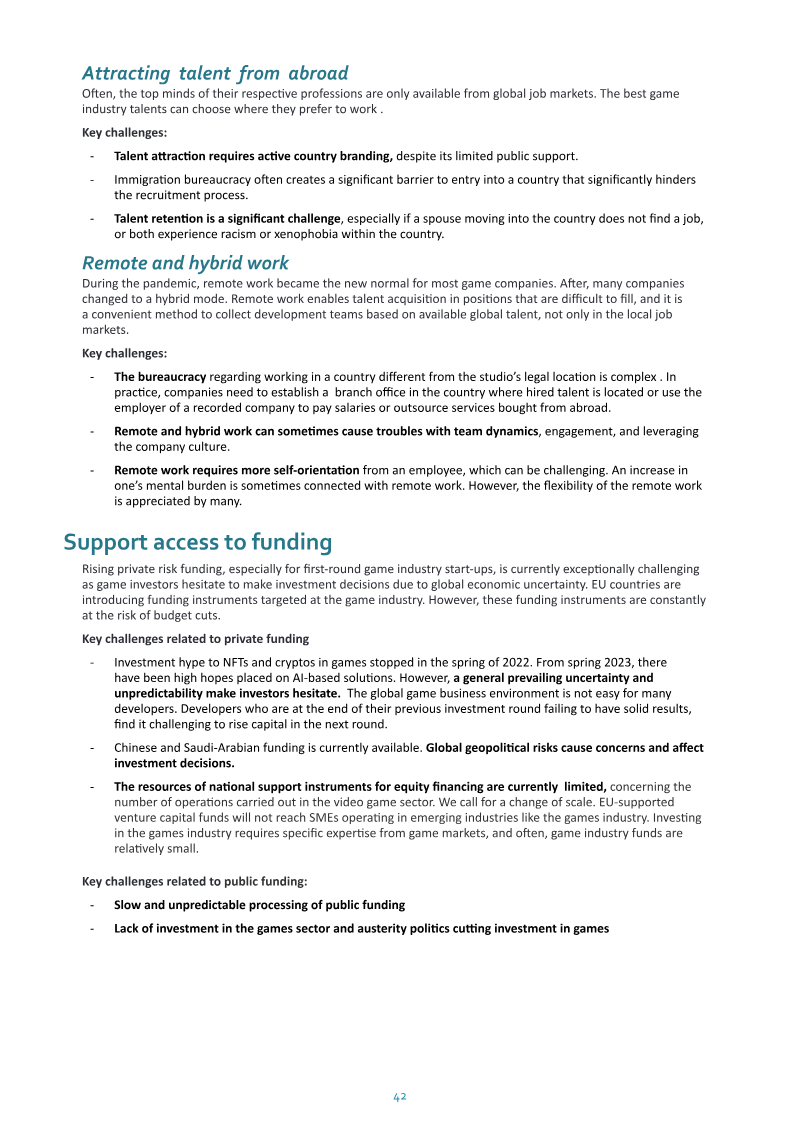
The European game industry currently commands an 11 percent share of the global market, yet it faces a structural trade deficit characterized by a reliance on foreign distribution platforms and a lack of major publishing conglomerates. To remain competitive against the dominance of the United States and China, the industry must pursue a strategic expansion to double its annual turnover to over 40 billion euros by 2030. Achieving this growth requires overcoming significant barriers, including high marketing costs, platform-imposed revenue commissions, and restricted access to user data. While the landscape is currently navigating an investment winter, the sector possesses a strong foundation in game development that can be leveraged through systemic policy shifts and increased access to risk capital.
Success in this endeavor depends on moving beyond a fragmented ecosystem toward a more cohesive, innovation-driven model. Although major hubs in countries like Germany, Poland, and Sweden demonstrate significant infrastructure, many other regions lack the specialized support instruments necessary for scaling small and medium-sized enterprises. Strategic initiatives must prioritize the development of autonomous intellectual property, the streamlining of regulatory compliance, and the enhancement of professional education to address persistent talent shortages. Furthermore, the implementation of the Digital Markets Act is expected to mitigate some platform dependencies, providing a more equitable environment for European studios to compete on the global stage.
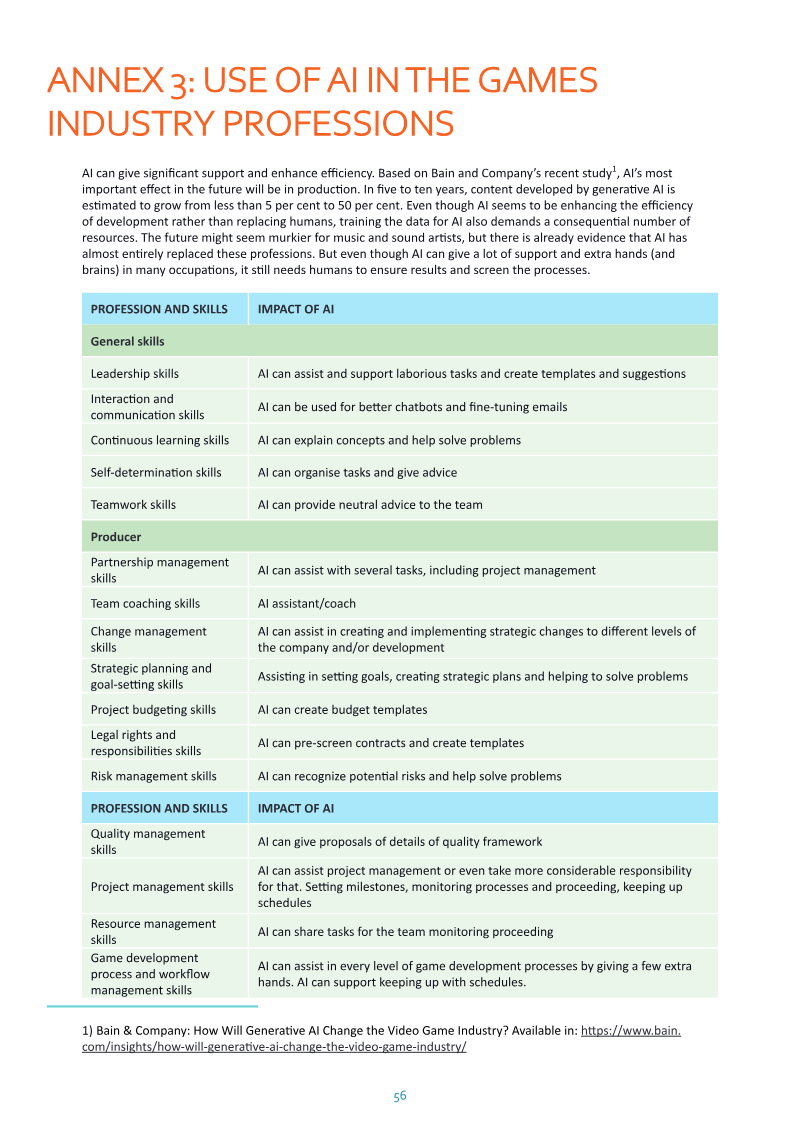
Technological disruption, particularly the integration of generative artificial intelligence, serves as a critical lever for improving production efficiency and disrupting stagnant value chain positions. While AI offers substantial operational benefits, human oversight remains essential for maintaining creative quality and strategic direction. By fostering European alternatives to dominant industry tools, facilitating international trade missions, and supporting the creation of game-focused venture capital funds, the industry can better position itself to capture greater value. Ultimately, the transition toward a more integrated, technologically advanced, and well-funded ecosystem is essential for Europe to secure a more influential role in the global digital economy.

Video Games Europe · 2026
European Games Developer Federation · 2026
Neogames Finland · 2026
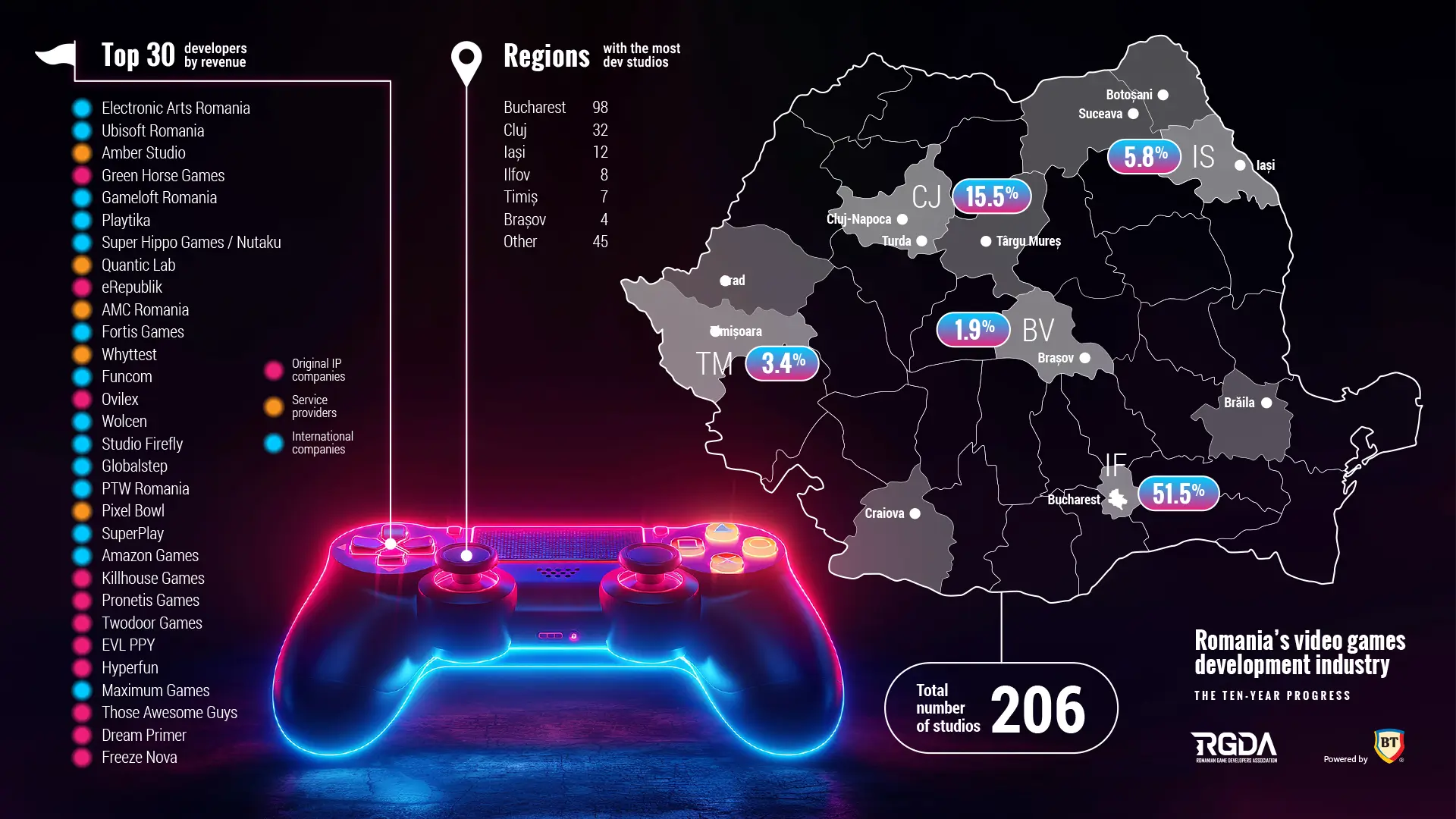
European Games Developer Federation · 2025
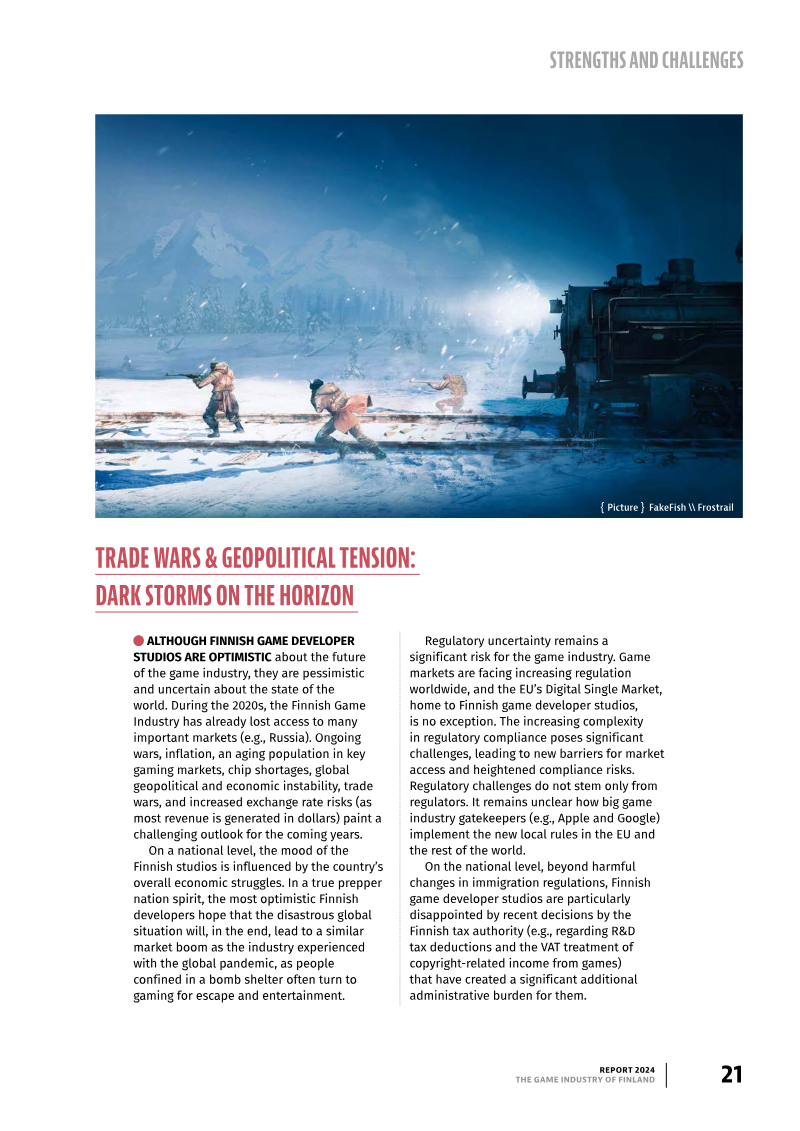
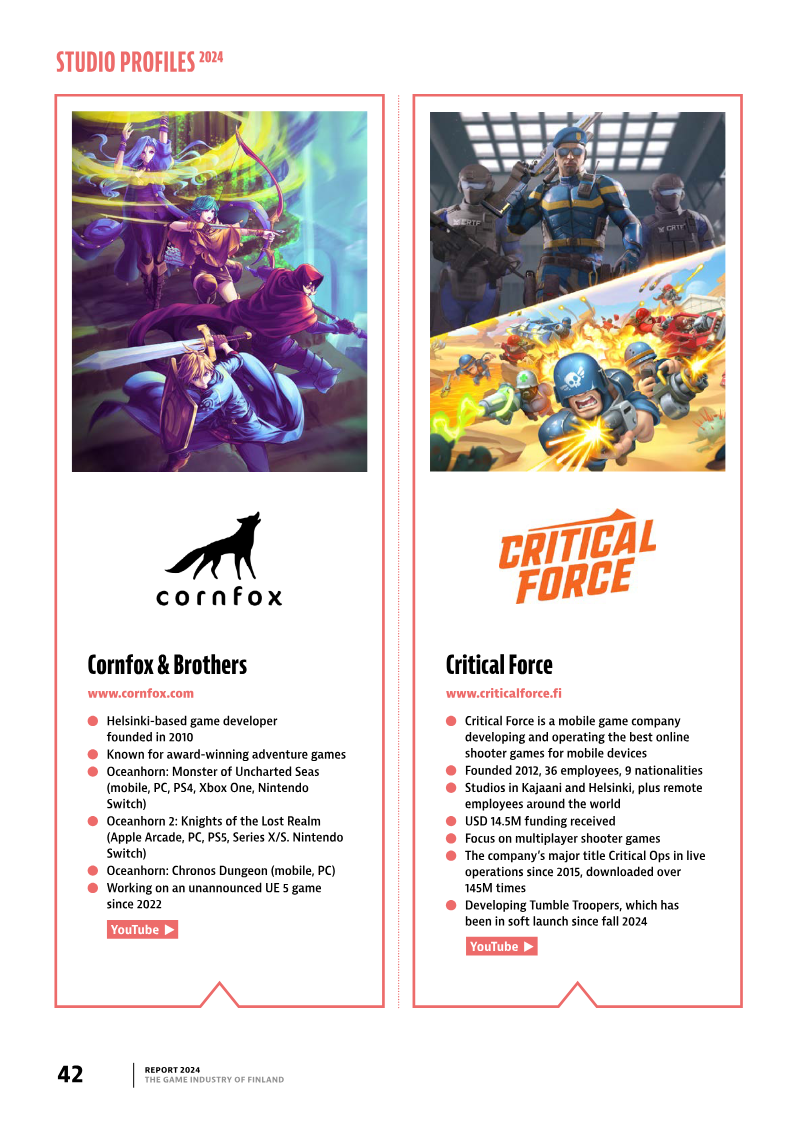
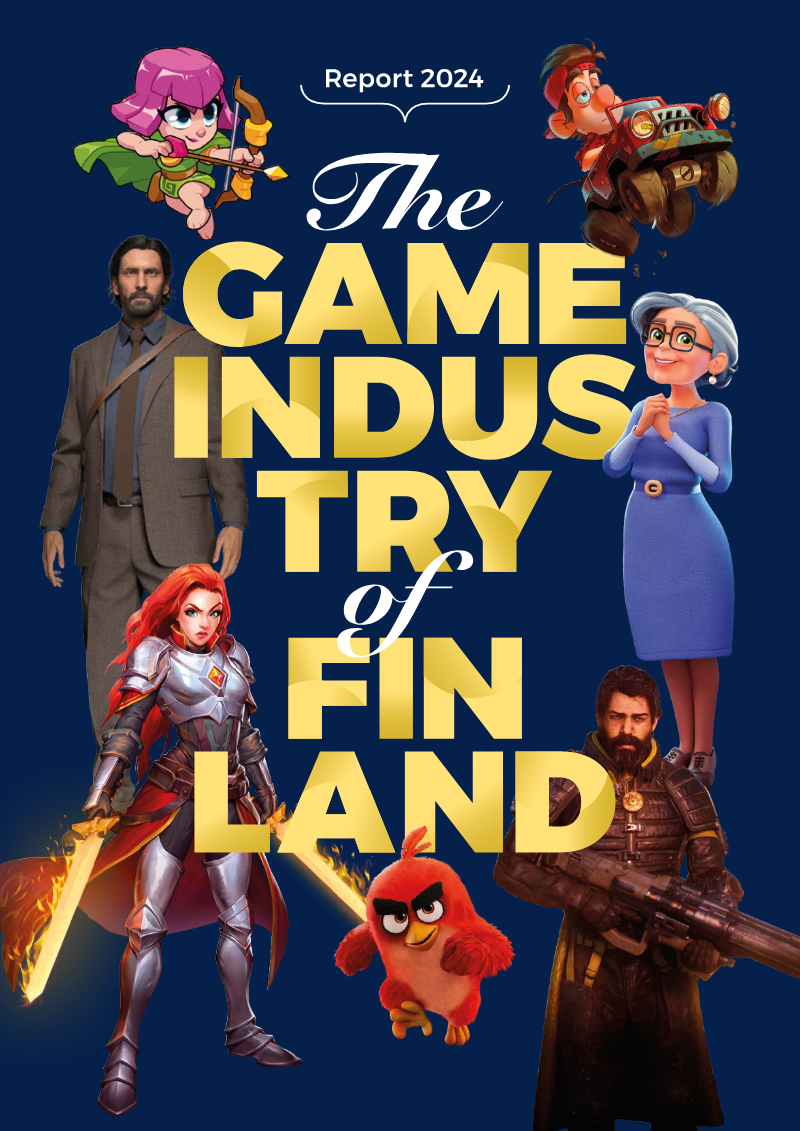
Neogames Finland · 2025
European Games Developer Federation · 2025
European Games Developer Federation · 2025
European Games Developer Federation · 2024

European Games Developer Federation · 2024
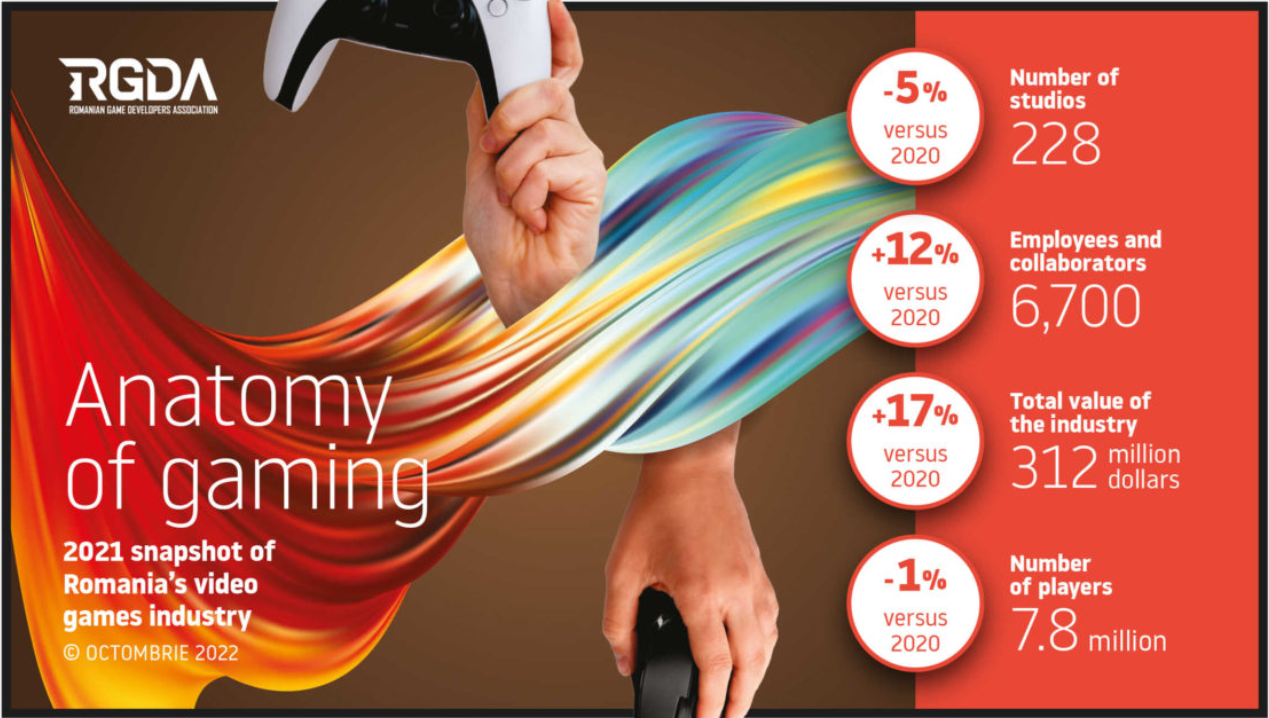
European Games Developer Federation · 2024
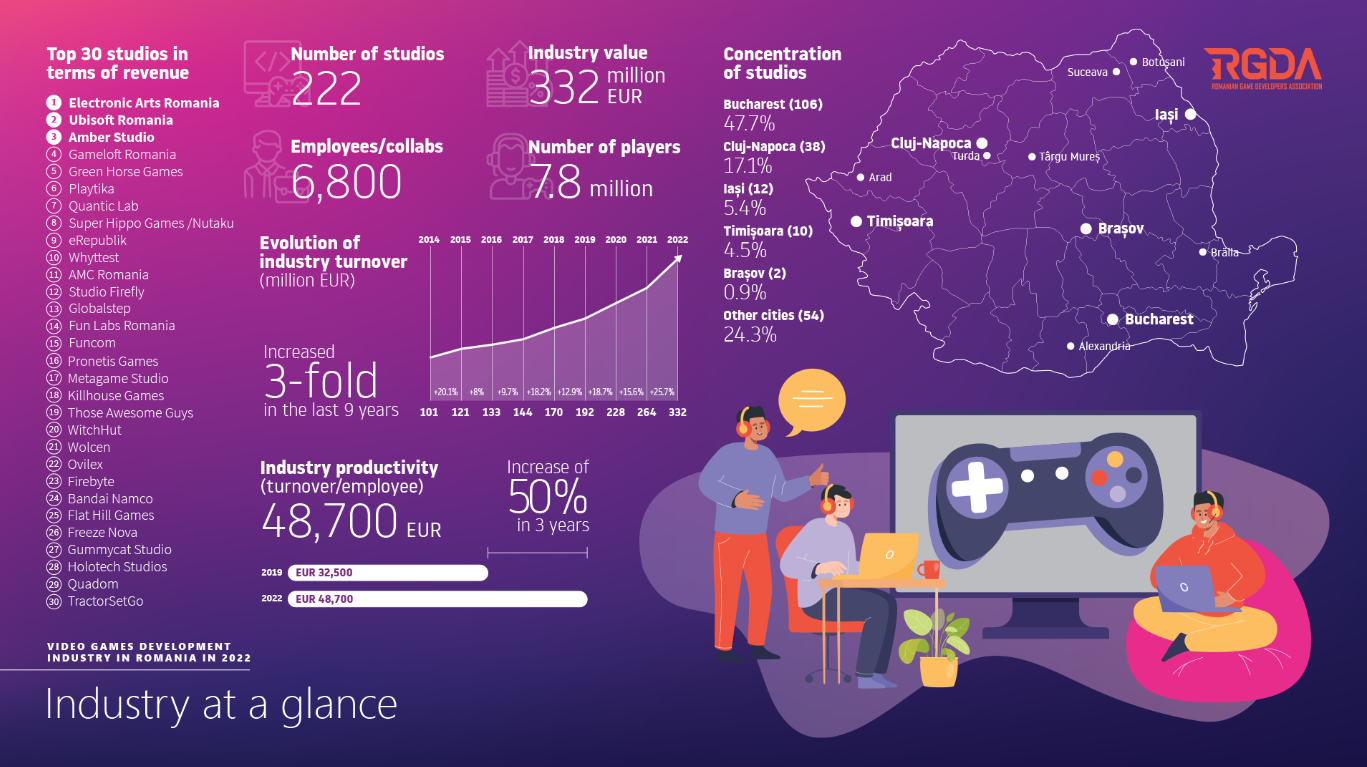
European Games Developer Federation · 2024
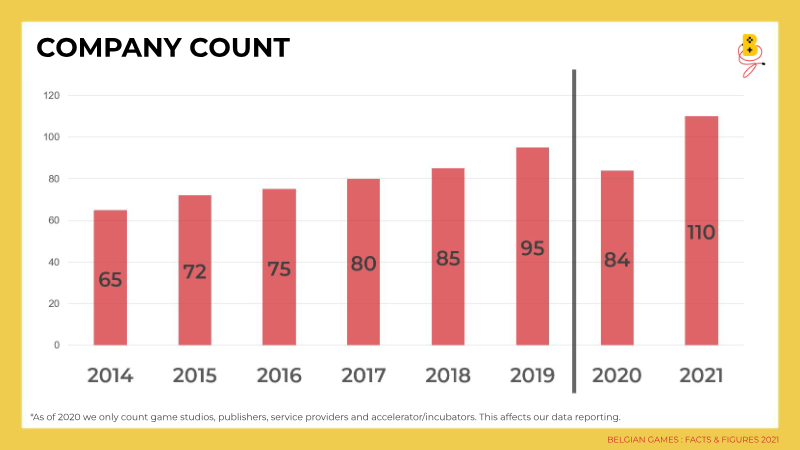
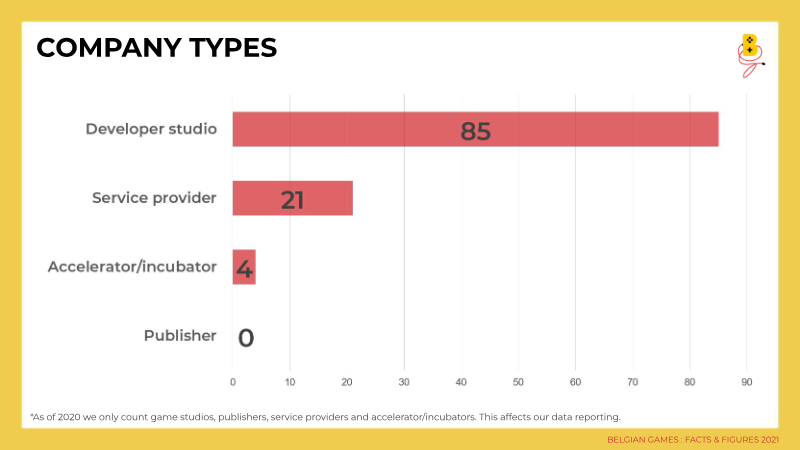
European Games Developer Federation · 2024