VideoTenjin
Mobile App Trends 2026: Downloads & Revenue by Category and Country
23 Sept 202646 min video
Transcript
those markets are the most important, but the uh the the growth rate for those tier one, tier two markets actually just much much higher on the on the tier 2 uh maybe not necessarily potentially tier three markets because they are betting they are getting but still too small. Uh but probably if you have some kind of good hybrid strategy in terms of monetization uh then you can achieve still in those even tier two markets.
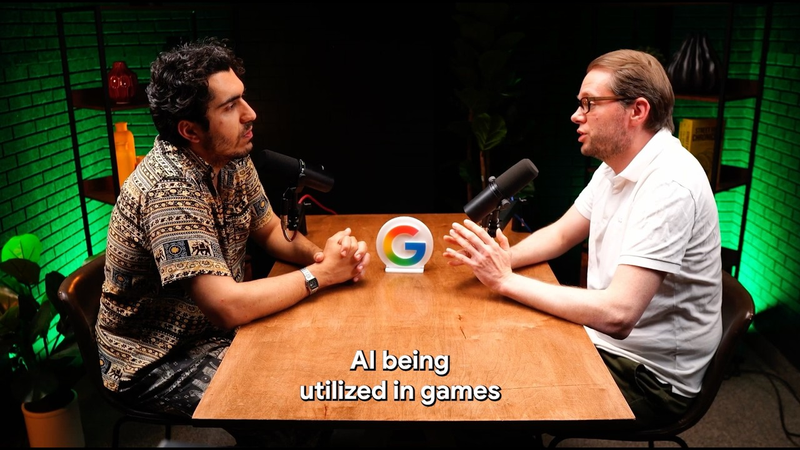
Yeah. And I feel like some there are still a lot of opportunities for combining subscription with IAA. I don't see that a lot nowadays, but welcome to another episode of AO 101. I'm Roman from Tangent and today I'm joined by Marish from Google. Hi Marish.
Hello. Nice to be here. Today's uh episode is about the boom of non-gaming. I've seen that in our own
data starting somewhere like Q3 2025 and still it's going and I've noticed Mario uh released a report also talking about non-gaming. We'll jump into that particular report and uh discuss in details what happened and how does non-gaming stack up versus gaming along other metrics. Um but before we start I'll just ask Marish to do a quick intro introduction of himself.
Um hello my name is Marish Gashvski. Uh I uh like like work at Google and uh uh where actually I work with top clients of Google in the central Europe which is for us all countries between Russia and German, Belg, Mediterranean Sea. uh but at the same time you know I'm kind of a consultant for like top clients actually interestingly in the last uh last last years mostly from the non-gaming side uh so I'm kind of uh but at the same time I'm kind of keeping quite good contact
with the industry as well so uh so so I think in this case it's kind of you know I'm looking at different ecosystems trying to understand uh what will happen in different countries like know how are like different categories are growing I'm analyzing a lot of internal external data trying to understand uh what is really uh kind of new happening uh at this uh startups world. Yeah.
Yeah. Yeah. Yeah. Makes sense. Uh for those who haven't seen the report yet, we'll leave the link in the description of this video along with the um links from Mario of course his LinkedIn page. He has like so many followers already.
[snorts]
uh but for those who haven't seen the report this is or who either thought the report already we will add additional layer of the insights right so we'll try to make it like very conversational and just to go through like the sweet spots of the report without the further ado
Marish could you please share uh your screen with the report
uh yes uh yeah I think that's yeah What do you have on the title of the this graph? You you love those graphs like what do you have here?
Uh uh I I would say you know there was like I had a few reports when I was editing like know quite weird uh graphics created by like AI or something but then I noticed it's not actually the best idea. So I started to actually kind of you know adding maybe something that is really coming from the report and here actually it's actually uh the revenue concentration coming from the top apps in the non-gaming space. Yeah because I I think like you know overall what we can see uh not only just in the non-gaming but in the gaming as well and overall in the digital industry in the tech industry is that uh it is getting more and more like kind of you know high [snorts] risk high reward type of the
industry. Yes. So like know I'm kind of underlining this uh uh this expression like go big or go home. That's what we see uh very often overall in the not again not only non-gaming or like in gaming but overall in the in the industry is that you know because of the global aspect of the business because of uh uh like the the reach that you can have uh uh like everywhere. uh it's kind of you know really you can really uh reach the users uh across the globe which means that you know whoever has something that can work it it it can really be scaled uh uh quickly uh to uh to many different uh uh places. So I think from that perspective uh we we see that whoever starts starts to rise creates something nice uh and we can see it very significantly non- gaming is that uh uh the revenue concentration in those non-gaming categories is pretty harsh cruel and of course for many
people rewarding as well.
I see. And here is uh what do we see in the 2026 I guess uh what is the blue
here is showing like the like the non- gaming on the Android side. So we see that for example like know top I would can kind of know show it a little bit on maybe on the on the bigger one I think because that's that's would be probably nicer here is the kind of uh I think I should have it maybe not uh
I just thought if you put it on the title you found it
yeah here is like know here is that like know that's that uh slide really in the you know higher like you know higher scale. So uh we see that actually this revenue concentration is really high. Yeah, that's like know for example uh we see that this revenue concentration was growing the last year. So uh 10 top 10 10 top apps uh on the Google Play are
responsible for like 39% of the revenue. uh and I think it's coming from from the space that you know if you look at the apps like Tik Tok uh uh uh Chach GPT Gemini uh uh like no clothes like all those top apps that are really getting very popular in the in uh in the gaming category they're really actually uh taking significant part of the revenue I mean they're actually of course bringing a lot of growth to the to total uh non-gaming space as well but at the same time they're actually uh increasing heavily the concentration especially in the subscription and in uh uh in apps. Yeah, because here is the data about revenue of course this this this concentration downloads is much lower. I think we can maybe have uh here we have the the concentration downloads. So this concentrations download. So that's why even in the in ads business which is much more connected to the downloads
this revenue concentration is actually uh much lower. So that's why like know even what we see in on gaming those uh those companies and those brands that have more like more ambition to became one of the top ones in the uh in the industry very often they're like really focusing on subscriptions and up revenue but those were like okay believe we just want to find some niche and we just maybe want to open some uh like untapped uh place and it's enough for us to have maybe you you know half a percent or like 1% of the of the market usually are more focusing on the inuts and downloads kind of as the as the as the proxy for it. Yeah. So like very often focusing more on like emerging markets where of course the market is smaller but growing with with much higher pace and which much much higher scale
makes sense. Do do you know if the for the revenue I think the sensor tower is
the source right?
Yes. Yes. Do you know that includes only n purchases or they also include subscription revenue?
Subscription as well.
Uhhuh. Okay.
So that's that's why I would say in many cases this revenue coming from subscription in case of non-game is way way higher than from n. Yes. So, so, so, so I think uh what we actually I think significant part of the growth uh in the non-gaming section coming from the from the space that uh the subscription as the as the monetization became much more popular. Uh my theory is that actually a lot of that came really from the real world where for example uh if you look in any country the uh subscriptions of like Netflix or like Disney or like even this like streaming uh is like know growing massively and in many markets really grew significantly during the last four or five years. uh that actually it my
kind of my theory was the way how people started to learn that it's okay to pay for the content because like in many markets like Poland's good example even if the market was kind of you know getting a little bit uh uh richer like the people were were kind of you know getting better salary still at specific point still people had the idea that it's not really good idea to pay for the content yeah because you know anything you can find in the internet for free. So internet means free but exactly I think those uh uh like no subscriptions from the from the uh like real services uh like in different parts of the life really actually changed that belief and made that actually much bigger outcome especially in those uh non-tier one markets.
Absolutely. I also think the whole like wipe coding scene helped a lot. We've seen so many solo developers or at least like small
teams that are developing.
I think of course it's adding a lot of uh additional complexity as well. I mean don't have the slides here but uh I was just comparing I think the data between the uh I think like March 2025 and July 2026 like a little bit like no 15 months and uh in in March 2025 by average around 46,000 of new apps were added to the Google Play and iOS versus like this 15 months later uh it was around 110,000 Yeah. So, so like know 100 like% increase. Uh, so exactly coming from the space that uh that know this vibe coding VIP VIP coding space actually much more uh um popular. You don't need to be like the the tech expert but at the same time I think it's like opening a lot of uh additional uh business opportunities.
Yeah. Because I think what is happening as well is that of course you have those big companies that are uh like know scaling heavily their user acquisition and they're like know their marketing marketing activities and uh like building very complex systems for like no huge communities. Uh but at the same time I think like know thanks to this vibe coding we have a lot of people who are doing the things that didn't make sense in the past like I like what I mean like for example the uh the the app for professional uh people who fish fish yeah
or like the people who are like really the uh like very specific niches. Yes. something that it would be very hard to create that content in the past uh because it would be not enough audience and the cost of that content high.
But thanks to to to to the to the fact that you have the people who who sometimes have the access to some specific communities like know let's see someone uh uh like know is uh like
building the the online forum for fish lovers for many years. Yeah. And like no uh now with with actually this vibe coding opportunities you can actually create very complex and strong app for the most loyal audience of that group with at the fraction of the cost that was the case in the past. Uh so finally you have more and more people who are not necessarily are experts maybe in the technical stuff but they are really experts uh in very specific niches or like sub specific subcategories. Yeah. by their uh knowledge and understanding the specific industry access to maybe specific communities they can really get much more success than in the uh in the past. Yeah.
Yeah. Absolutely. And it's a blue ocean for them, right? Because it's such uh niche can be such a niche topic
especially that if I if we look for example maybe about some like no data like countries for example. Yes. So like
here is let's see uh the the countries that are showing that which countries are growing and and uh uh we see that for example here is iOS uh and here is like the the size of the bubble is like the size of the country in the total downloads actually in case of uh non- gaming I was using kind of downloads as the proxy not revenue because again of course uh still I would say majority non gaming apps are very often and either monetize via ads or like but not necessarily via subscriptions. And we see we have two uh uh two kind of two bubbles. Yeah. Like this one bubble is like with the number of 2026 which is showing more or less uh Q1 and Q2 2026 versus Q1 and Q2 2025 and then 2025 shows the data 2025 versus 2024. Yes. So comparing those two bubbles you can see where the actual
market is is kind of going and actually it's very visible to see that if we look at many uh like tier 2 markets let's see like here we have let's say Turkey or we have for example even like Vietnam or like you know uh uh even like know Mexico for example those markets are of course much smaller than uh than like you know US or UK and in terms of in revenue in terms of downloads But again uh because they are growing and then you have much lower uh uh cost of building that content once you understand that content. I I think even in apps uh we will see more and more uh kind of apps with very nichy content. Yes. So like know someone who is maybe uh like focusing maybe only on uh uh for example like know uh people who love uh uh board games in Middle East. Yeah you like the people who love
the uh like know specific you know type of the flowers or people who kind of you know love uh maybe some like specific places in like specific part of the region. Yes, I think we'll see more and more of this very nichy sometimes even local content because again uh uh not necessarily sometimes the the revenue from those uh like areas would be very high but at the same time the cost of that can be very low and then potentially with access on some communities that you have which can be almost zero. If you are if you have access community uh then it can be maybe not necessarily big but uh uh still nice business with nice margin. Yeah. Like know especially for like solo developer someone who has like maybe okay I'm solo developer and just maybe one person who just helping with some graphics or something.
Absolutely. And I'm so glad you brought it up because that's a pattern that I see a lot that developers of course they might start
with the US but because it's so competitive then they'll switch to other market and usually it's a market where they from I know like uh successful cases from France from UK from Brazil and then they'll just do an app for their own market.
Mhm. And it works like fantastically like they're doing like very well and after gaining the experience they might try doing the US again. Right.
Exactly. Didn't make sense in the past but now because in the past kind of the cost of uh of this development was kind of pretty high. So I mean at least higher than now. So so like no you need to have at least some minimum econ economics to make it work. But now this economics is just uh it just requires much lower minimum. Yes. So so final exactly you can start from your own market and then uh uh let's see uh like
know how you want to develop. Yeah. Maybe you start for example with the content around the football. Uh but then you let's see you are focusing on the football in Poland.
Yes. Uh but based on that you can of course have the the feeling okay now I can move to talking about football to other countries like you know maybe Romania maybe cheay or or maybe I would just know extend more like rather the type of the sport let's see basketball but still to the same audience that I have already or like that I'm kind of understandable with yeah
yeah and you had here another graph with the revenue per country if I'm not mistaken that that was like very interesting think
yeah like of course if we look at the at the uh I think here we have it let me see if I have it I should have it
I think I saw it
yeah like now I see I was doing so many of those
yeah
before the podcast I told Marish your report are so big I really like that you podcast to explain some of So here is like more or less for example here we have let's see uh like we maybe we start for example from the from the iPhone like know this like we have let's see uh like here is revenue. So of course in revenue when we talk about subscriptions and like in in apps of course still uh like the the top few countries are responsible for majority of that revenue. So like of course that's why even position of US in the total non-gaming is actually higher than in gaming if we compare it
right
the same for example with with some other uh uh uh top markets but that is of course still uh uh very competitive and then it even does not include a lot of revenue uh that is coming from for example some web funnels uh like from some web to approach but what I saw very often in
those approaches uh I was analyzing a few sources uh in those data the the importance of US was even higher so like know I saw that the share of US was coming even up to like almost 50%. Uh but again those are very uh like knowip and very kind of revenue driven markets. So, so those countries are usually more like the focus for really like the biggest uh uh players who who on one side uh uh they can look at that little bit more long term. So uh and then of course they have much more complex uh like know systems. So usually the LTV curve is much longer uh so they can potentially pay more for the user and then actually of course at the at kind of at the last point they need to have really minimum scale to make it viable for the business. Yeah. Because it doesn't make sense for them to do anything as long as they they can
potentially reach at least like no uh 10 million or 20 million revenue during the year. And even here like yeah US this is like basically um yeah like number one advice that I see like go to the US don't think about other markets which I don't agree but there is also China that you cannot do yourself unless you're a big social soler Japan I also think not really great Britain maybe yeah so
there you Of course like so of course like you know if we look for example at like iPad here is like position of US is even higher. Yes. Also that's like know it's actually quite uh quite interesting but actually iPad is kind of a little bit uh uh I would say that part of the iOS revenue would potentially slower growth. So that's why I I kind of I see more and more players kind of almost
neglecting that or like putting a bit lower uh priority for that. uh but even actually if we look at the like know Android of course uh still u uh US is uh is is is very strong. Yeah. And of course like know the uh the top tier one markets still are responsible for like more or less 60% of the revenue. So, so still that's uh but again uh if we still compare it with the data and the growth rate uh I think what is quite important around those US on those uh tier one markets I will maybe show it based on that uh uh that data let's see on uh yeah let's see here we have uh those we don't have this kind of no size for the revenue but even if we compare compare it. We see that for example those tier one markets are getting
uh like they are biggest of course we saw it based on this revenue but the revenue growth rate is kind of declining. Yes. So so that's why uh kind of you know potentially they are still really good in terms of plusing the positive year over year for the revenue uh but with pretty pretty um I would say negative trend. Yes. So again more and more growth would be coming from at least those other uh uh tier one markets but especially from tip two markets. Yeah. Because if we look for example see that let's see like you know
Turkey. Okay. It's maybe not huge, but it was growing like uh uh like know 35% revenue year-over-year in 2026 or like know Vietnam growing like 20% year-over-year or like some even smaller countries like Mexico grew like 50% year-over-year
right
uh even like no potential is more till
one market is like no Australia for example growing like no 30% year-over-year then of course uh uh we can understand that uh the for example the pressure or growing CPI will be much higher in like in US for example than in other markets. Yeah. Because of course if you have uh uh the highest portion of of the revenue which means okay the many people are going after that market and then that market is actually having not necessarily very positive uh uh trend in terms of growth of revenue and downloads then the only thing that you can expect is actually growing competition. Yeah. which usually means just uh growing cost of acquisition. Yes. So that's why I I would say I expecting that I I saw I noticed that actually that in 2025 that was in case of gaming where uh more and more attention in gaming was moving from US and like know Japan for example to other like know smaller tier one markets and to tot
potentially T3 markets and that was more or less happening uh in 2025 because those changes with the decline of the revenue and especially on download site happened uh in gaming earlier then actually I'm expecting to happen that in 2026 uh in non-gaming yes so so because again the trend is very similar yes so still those markets are the most important but the uh the the growth rate for those tier one tier two markets actually just much much higher on the on the tier two uh maybe not necessarily potentially tier three markets because they betting they're getting but still too small. Uh but probably if you have some kind of good hybrid strategy in terms of monetization uh then you can achieve steel in those even tier 2 markets.
Yeah. And I feel like some there are still a lot of opportunities for combining subscription with IAA. I don't
see that a lot nowadays but I think one people will figure it out. Yeah, 100%. I think I think like you know it's just like what we see overall is that the growth of the internet user is not huge even in the like you know in those emerging markets. Yes. So so even in those uh markets if we see nice growth of the revenue that is usually by improving quality of the audience than by growing that audience. Yeah. So so so rather you have uh uh growing conversion rate inside the same kind of you know group of people rather than just huge number of users growing. Yeah. So, so I think on one side you will see more and more people who are like know uh uh able to pay in specific uh uh like circumstances but at the same time you
will have a lot of people who who are eager to pay with their time or like who are just more eager to the to the time especially that actually the data there's a lot of data showing that uh in general people in emerging markets they are much more forgiving to the ads or like know some other ways to be monetized rather in tier one markets. Yes. So I think like know uh it's again it's very very good data around it where that shows that the acceptance of the ads and being re receptive to those ads is actually much higher in uh tier two and three markets than like in US or like in top tier one markets.
Yeah. Uh I wonder if you agree with me that the biggest challenge now actually that's both for gaming and non-gaming but more prevalent for non-gaming is actually advertisement. Like it is relatively easy to make an app nowadays
but it is uh pretty hard to run a campaign to find the right creative to figure out how it all works
and so on. I think there like a few aspects that are combined together. I think the first one is that uh I think the overall the the the the gaming you know gaming uh industry became quite shortterm focus uh like in terms of uh uh because like you know you have so many kind of learnings around like let's user acquisition yeah you have so many good tools uh so we can say that this uh this uh like you know a lot of those uh marking activities that are almost got standardized based. So you you know you like know uh you uh install solutions like ten or like similar one you have measurement uh you can access like many platforms and you can like know you can create
this with much lower effort than in the past. So so potentially this this entry barrier to the to this advertising uh uh is much uh much lower in the past. Yeah. But of course at the same time because uh like know a lot of people in the dust became quite risk averse uh a lot of those results in even the marketing campaigns are be are actually evaluating very early. You look at your day seven rowas and based on that you are making the decision. Yeah. Which means that finally very often uh more and more people are competing about the same audience like the people who are just monetized very early and very fast. Yeah. So with that you have you know growing competition uh and uh kind of not necessarily a lot of motivation for innovation. Yeah. You just want to get that user user fast and of course you know that is really decreasing the risk of like running the uh running the uh uh running the business. Uh and I think you
know in case of ads related activities sometimes it's a bit easier because usually this LTV curve is just shorter on ads. uh but then on the other side uh I think too often is even hybrid monetization is just uh kind of moving pocket moving actually dollars from one pocket to another one. Yeah. So what I mean by that is let's see if I uh look at uh like know a lot of people from my network like let's see my wife for example. Yeah. they are very like know good audience for many brands but they very rarely buy something in the apps or games. Yeah. So if we for example we see that the same proxy for the user value either in inapp activity system okay if the people buy and then in potentially for ads it's the same because based on the based on probability of that person to buy with mediation we it's putting kind of the
value to the user and then it's like understanding what kind of user is kind of to bring. Yes. That's why very often either we have the the user uh uh kind of you know paid uh in the app or like no potentially you know be monetized with us but finally it's almost the same user. Yeah because either this either the same user has the low value on both sides or he has high value on both sides.
So that's why finally the the the cannibaliz can cannibalization is higher. But I think as as long as we and I think we start to face it that once you see more and more ads coming from very traditional brands that do not have just the uh where the advertiser and the and the kind of publisher doesn't have really the same uh objective because like advertiser and someone who is sorry publisher and kind of you know advertiser had the same uh uh objection
like kind of conversion rate. Yeah. Kind of, you know, potentially CPM and so on. Yeah. But if you have more and more advertisers who more like focus, okay, I want to make the user spend more time with my brand. Uh I want to have the user who is really uh I would say more related to my brand like no the same way how TV works for example. the more of such ads you will see in the apps and games the the the the farther you go with re real hybrid monetization like that you will have more kind of real incremental coming from this hybrid monetization. Yes. So, so I think that is like what what I I would expect in the in the next years that uh uh I I think more and more of those traditional brands will discover that okay
we care about how much time people spend with our brand and because apps and games are the place where actually people spend really lot of time. So I
think that I I saw the data from US where uh where like know when we compare uh how much time people spend in the games for example versus how much money from the advertising time from the advertising kind of site is spent in games is still uh it was ratio one to two. So still kind of you know people were spending two times more time than the money it was spent in games. Yes. I think that is still opening I would say way more kind of opportunities once uh the advertisers start to uh like and publishers start to kind of bring more uh more like those kind of advertisers who who who are like care more about like you know spending time with the brand engagement not just uh uh what is the probability that user will just buy an app or like or subscription for example. Yeah, yeah, yeah, yeah. Makes a lot of
sense. Since we've uh touched already gaming, maybe we can go to the slides where shows a trend for gaming and non-gaming. Uh yeah, and just share like some comments around it. So, so I think something that is like you know I I would say very similar for non-gaming and gaming is that if we if we look at the let's see here we have uh non-gaming on iPhone for example yeah overall we see that uh from especially from the revenue perspective uh non-game is going pretty well but still with little bit kind of declining growth rate here we have uh uh iPhone uh it excluded excluding China. Uh and here we have Android. We see pretty nice growth. Yeah. So it's a little bit it used to be much higher on iOS. Uh uh now this growth is still very steady on Android. On iOS it become became because it became so huge. It becomes a little bit
slower.
Uh but still we see actually quite significant gap on both platforms between uh uh downloads and revenue. Okay. So, kind of you know again uh I I think that shows that more and more growth in the non-gaming space uh is coming from growing value of users not necessarily from kind of expanding the audiences. Uh and I think if we compare it with gaming it's kind of uh uh it used to be very similar. Here is like example for Android uh but adjust a little bit you know kind of lower scale. Yes. So kind of you know uh uh of course there is like one question mark and like one uh like caveat on both kind of you know sides that uh uh like know that revenue is not including direct to customer and like
web store kind of revenue that in many areas like even in gaming especially in the uh in the midcore or like hardcore game is really significant already. I mean like we have a lot of gains especially coming from hardcore where this uh uh like direct to customer revenue can be like 30% or like sometimes even more like especially like for example casino games or like roleplay games
I think kind of based on estimates uh on average uh that ratio is around 15% of the total revenue so that's why of course a lot of that kind of Now kind of kind of down kind of trend is coming from the fact that some of that revenue just moved to the uh direct to to to to kind of uh uh like to web stores like more like the direct payments. So still I would say the uh that situation especially in gaming is not so bad as it could look like from such graphs uh uh but still like overall
uh I think on both platforms uh I would say extending the audiences will be more and more challenge
the for the for the for the industry so that's why I think you will see more and more I would say extremes either you will have the uh the players who are just like you know continuing continuing the the way how they operate today. uh mostly focusing on growing monetization and still of course competing in the user acquisition but uh uh more like facing like you know growing cost of acquisition especially per per like install or like per per like know uh like first purchase or those brands who sometimes have more like know maybe more abilities they can look more long term so they will look at just more ways to okay I will not just look at the day 30 or like day 90 I look
kind of longer uh because potentially I can kind of you know extend that audience way more and actually uh a lot of audiences not necessarily will have like really good day seven rows or day 30 rows I can but can have really good uh day 180 row. Yes. So, so, so those of course players would uh would diversify their audience way more and probably they can expect much uh lower growth of of that acquisition in the middle and long term.
Got it. Um uh also notice I always want to ask you I think in all of your reports or in most of the reports you differentiate between iPhone and iPad.
Mhm. Can you elaborate a little bit? Would you recommend it as a best practice? I understand that user behavior might vary between those two.
Yes. And I mean I I think like know still like if we compare at the iOS it's like know smaller uh smaller ratio of
revenue but uh what is quite important is like what what I kind of notice is that uh exactly those users sometimes behave way behave differently. In some categories it's much higher share of the revenue. Let's see games for kids for example. Yeah.
Yeah, makes sense.
This case like kids will have much more uh much much higher higher share of the like based on my observation in in overall it's a little bit more important topic in non-gaming than gaming. uh because like in on gaming uh you have a lot of like more use cases that are kind of you know stronger for for for uh iPad like you know for example like you know the the uh uh maybe in gaming it will be mostly kids again games for kids for example uh but in non-gaming you have for example apps that are more like for professional users like drawing apps or like those types where where by definition you you will use much more
often kind of iPad or for example like streaming uh apps or like know the the kind of you know content related related apps where actually the uh the iPad share can be quite significant. So sometimes it makes sense a little bit to to optimize experience more for uh for those users. But I think it seems to me that because overall the share of the iPad even downloads the whole iOS space is kind of you know kind of declining over the last years. uh then of course it's kind of you know matters a little bit less and less but still again uh because even if we look at for example like here we have let's see the uh I think if we have the we should have the scale so you see that uh here we have anti rod so for example here we have the you see okay what are the downloads for example you see the scale like know 6,000 per like us and China versus for example if you compare it with uh with
like know I uh sorry iPad you see you know how much smaller it is. Yes. So it's like way way way lower than uh than
uh in uh other markets and then very often actually you know gain this uh uh importance actually sometimes those other markets just uh just a bit different. Yeah.
Yeah. And it goes to show like for non-gaming how important it is to understand your audience like are they iPhone iPad what kind of pain points like
yeah I mean 100% especially that I think in not overall in non- gaming you have usually a little bit uh more organic as well I mean of course always organic is hard but uh but in all those content uh related uh apps overall you have more people looking for some like know maybe currencies, maybe looking for sport, maybe looking for some fitness. Uh but
still there is some kind of you know this organic versus in case of games it's very very small. Yes. also so that sometimes uh uh you you can a little bit play potentially a little bit deeper with some uh like organic uh uh influencers or like know some additional levers to just the base which is usually kind of user acquisition. But you can potentially add a little bit more levers to get some additional key factor which usually of course will finally will uh decrease your uh total cost of acquisition overall in the growth.
Yeah. Yeah. Yeah. Um is there like anything in the report that you've found like surprising and we haven't touched on it yet? Uh good question. I think uh good question.
Uh this is like uh I would say that uh I think I was a little bit surprised that uh uh if we look at the last month I think here should be should be visible. Yeah. Oh. Uh we can see that for example like uh uh if I can see that he should be visible. uh it kind of is showing that uh even actually uh even in uh like for example in Android uh even in case of downloads actually the US is doing pretty well. So
this this actually I would say that's is the difference between uh iOS and Android. So actually in iOS we were showing that you know this kind of you know this year is actually much worse for us than the last year especially case of downloads
versus in Android actually Android has really good time in the last uh uh months on on on US. Yes. So kind of this uh uh probably this topics of kind of you know even subscription and like kind of non- gaming growth uh kind of you know started a little bit later on Android but then it's kind of growing a little bit uh better in the last uh last months.
So in this case uh like know 100% agree. Yes. also like we can see that I think that was kind of you know surprising uh for me uh especially that again that is a bit again different versus gaming where overall uh on gaming on uh in both iOS and Android actually US is doing not
necessarily very well in 2026 comparing 2025 yeah but I would say uh on Android in 2026 actually still doing pretty that
right right yeah that's a surprise um I think that's it Marish like we spend almost 50 minutes we I think we still only scraped the surface of the report what do you think there is there is so many 60 slides
yeah I mean especially that like know there is like just uh like know like two weeks earlier before this report uh I was sharing similar report on gaming and actually this gaming reports even bigger because it it kind of includes some additional elements uh uh that are not included in the non- gaming report yet want to repeated like for example like I think there was more
uh more data around mobile overall
so so again if you if you saw the gaming
sorry non-gaming report I really encourage you to to look at the gaming even if you are from non- gaming because actually in the gaming report you will see a lot of additional data just about the mobile as a whole.
Absolutely. Then we'll add the link to the description too. Um, thanks a lot, Marish.
Thank you very much.
Um, like give us a like, uh, subscribe to the channel, leave your comments. If you have questions about this report or a gaming report or you want us to do a video about the gaming report, let us know in the comments. Um, then once again, thank you and have a good one. Thank you very much. Have a good day.
Auto-generated captions from YouTube — names and numbers may be misheard.
Key insights
6 takeaways · ~2 min read- 01The mobile app market is experiencing a high-risk, high-reward environment where top-tier apps, such as TikTok, ChatGPT, and Gemini, account for 39% of total non-gaming revenue.
- 02New app submissions to Google Play and iOS surged by approximately 100% over a 15-month period, rising from 46,000 new apps per month in March 2025 to 110,000 by July 2026, largely driven by the rise of 'vibe coding'.
- 03Growth in the non-gaming sector is increasingly driven by maximizing the lifetime value of existing users rather than expanding the total user base, as evidenced by a widening gap between download volume and revenue growth.
- 04While the US remains the primary market for revenue, growth rates in Tier 2 markets are currently outpacing those in Tier 1, suggesting that developers should adopt hybrid monetization strategies to capture value in these emerging regions.
- 05Combining subscriptions with in-app advertising (IAA) often fails to generate incremental revenue unless publishers shift focus from short-term user acquisition metrics to long-term brand engagement, similar to traditional TV advertising models.
- 06Web-store payments and direct-to-consumer channels are becoming increasingly significant for revenue tracking, particularly in categories like children's games and professional-use apps on iPad, which are not fully captured by standard app store data.
Ask AI about this video
Cite this video
Citation
Generating citation…





















Comments