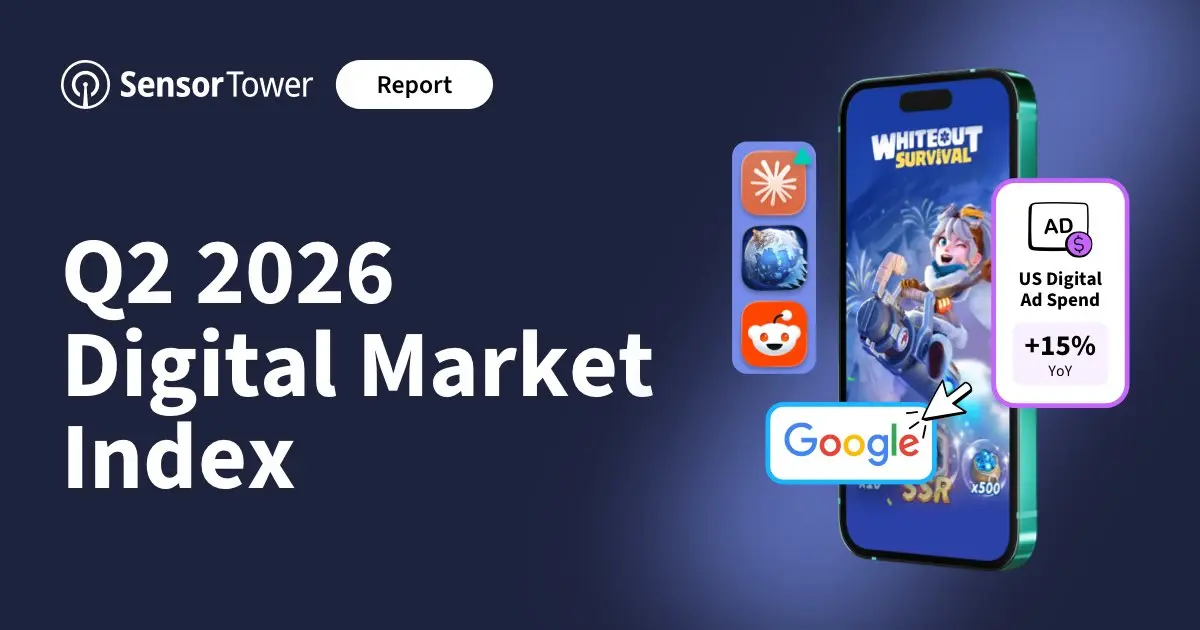
The Q2 2026 Digital Market Index provides a comprehensive performance review of the global digital economy, focusing on shifts in mobile, web, and advertising sectors. The analysis highlights a divergence in performance between non-gaming and gaming mobile sectors: while non-gaming mobile revenue reached a record $2.4 billion, mobile gaming experienced a 5.9% quarter-over-quarter decline, falling below $20 billion for the first time in over two years.
The broader digital landscape shows signs of resilience and structural change. Digital advertising reached $49 billion, with social channels capturing 54% of total U.S. spend as linear TV investment dropped by 6%. Within the advertising sector, shopping remains the leading category, bolstered by significant growth from major retailers. Conversely, the retail media segment faced headwinds, with total U.S. impressions declining 19% year-over-year, largely driven by a 27% drop from Amazon.
Technological adoption continues to reshape monetization strategies, particularly within generative AI. While ChatGPT retains a 60% revenue share, competitors including Claude, Grok, and Gemini have demonstrated rapid growth, each increasing revenue by at least 7x year-over-year. Additionally, global web engagement remains stable, with 2.04 trillion visits recorded in Q2. Growth in this area is increasingly driven by emerging economies, specifically India, Argentina, and Saudi Arabia.
The findings are derived from a 50-page analysis incorporating over 45 interactive charts covering global digital trends. By contrasting the contraction in mobile gaming and retail media impressions against the expansion of social advertising and AI monetization, the data illustrates a digital economy currently defined by shifting consumer priorities and evolving platform dominance.
Adjust · 2026
Sensor Tower · 2026
Sensor Tower · 2026
Sensor Tower · 2026
Sensor Tower · 2026

Sensor Tower · 2026

Sensor Tower · 2026

Sensor Tower · 2026

Sensor Tower · 2026

Sensor Tower · 2026

Sensor Tower · 2026
Sensor Tower · 2026
Tenjin · 2022

AppLovin
Competition · 2026

Almedia · 2026
Gamesight · 2026
Modern Times Group · 2026
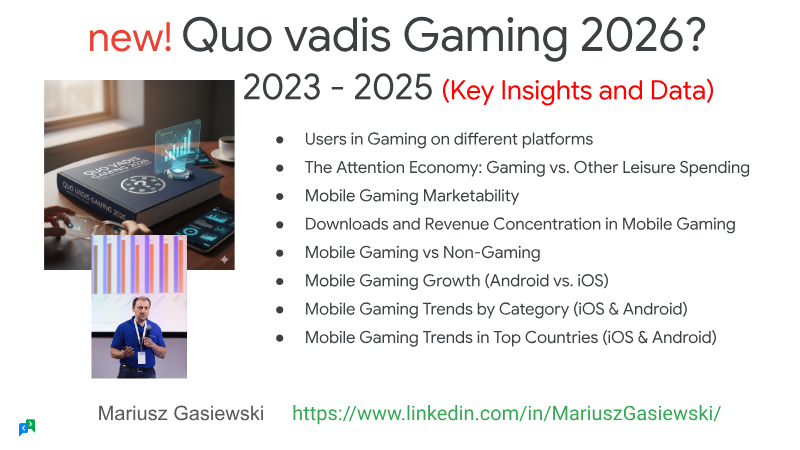
InvestGame · 2026

Adjust · 2025

Sensor Tower · 2025
Unity · 2025

GamingReport · 2025

Adjust · 2025